Let's cut to the chase. Does rabbit taste like duck? In short, no—not exactly. But if you're expecting a simple yes or no, you're missing the nuance that makes both meats fascinating. Rabbit and duck share some overlapping qualities, like a rich, gamey depth, but their flavors, textures, and how they behave in the kitchen are worlds apart. I've cooked both for years, from rustic stews to fancy roasts, and I've seen too many home cooks mess up rabbit by treating it like poultry. This guide dives deep into what really sets them apart, with practical tips you won't find on most food blogs.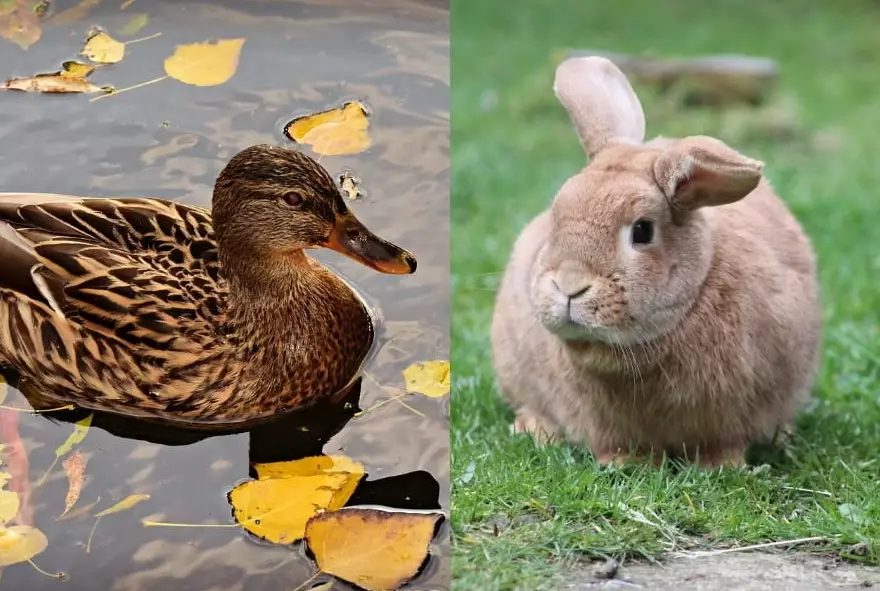
In This Article: Your Flavor Journey
What Does Rabbit Really Taste Like?
Rabbit meat is often described as a cross between chicken and game—but that's lazy. It's more subtle. When I first tried it, I was surprised by how mild it can be, almost sweet, with a hint of earthiness. The flavor varies a lot based on diet and age. Farmed rabbit, which is most common in stores, tends to be lean and delicate, while wild rabbit packs a gamier punch.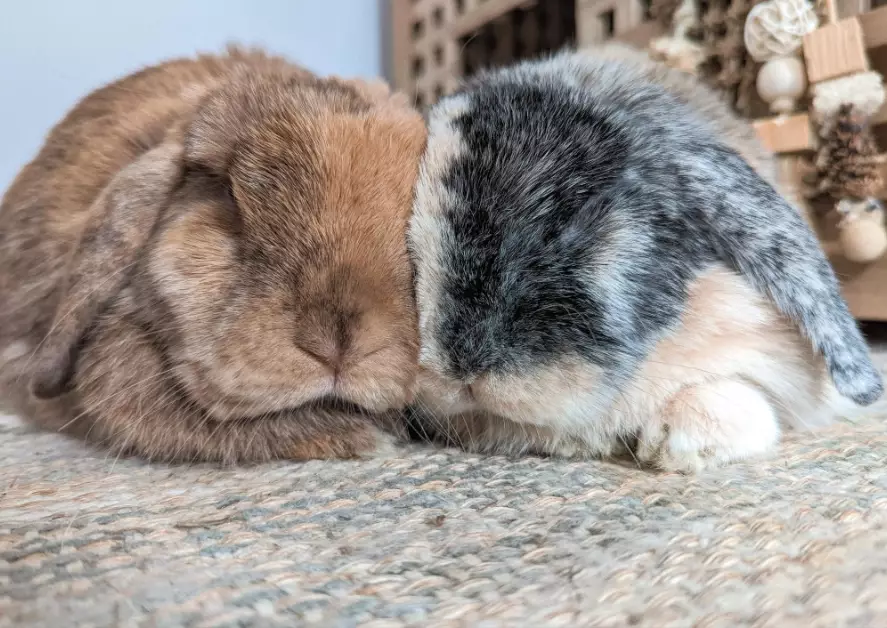
Texture and Mouthfeel: The Delicate Balance
Rabbit texture is where things get tricky. It's low in fat, so it can dry out fast if overcooked. The meat is fine-grained and tender when handled right, but chewiness creeps in with even a few extra minutes on the heat. I remember serving rabbit at a dinner party once; one guest said it was "like chicken but more interesting," while another complained it was "too tough." That toughness? Probably my fault for rushing the braise.
Flavor Notes and Aromas
Think of rabbit as having a clean, slightly herbal note. It doesn't have the fatty richness of duck. Some people detect a faint sweetness, almost like a hint of nuts. If you've ever had guinea fowl, rabbit sits closer to that than to duck. The aroma is mild when raw, but when cooked slowly with herbs like rosemary or thyme, it develops a comforting, savory depth.
Quick Fact: According to nutritional data from sources like the USDA, rabbit is exceptionally lean, with about 3-4% fat per serving, compared to duck's 15-20%. That fat difference is a huge player in flavor.
Understanding Duck's Unique Flavor
Duck is a whole different beast. It's rich, fatty, and has a distinct gamey flavor that's more pronounced than chicken but less wild than something like venison. The taste is often described as robust and earthy, with a sweetness from the fat. When cooked properly, duck skin crisps up beautifully, adding a textural contrast rabbit just can't match.
Duck meat itself is darker and more flavorful than chicken, thanks to higher myoglobin content. It's also got a higher fat content, which bastes the meat from within as it cooks. That's why duck confit—slow-cooked in its own fat—tastes so indulgent. If rabbit is a subtle whisper, duck is a confident shout.
Rabbit vs Duck: Side-by-Side Breakdown
Here's a table that lays out the key differences. I find this helps visualize why they're not interchangeable in recipes.
| Aspect | Rabbit Meat | Duck Meat |
|---|---|---|
| Flavor Profile | Mild, slightly sweet, earthy, with herbal notes | Rich, gamey, fatty, with a sweet undertone |
| Texture | Lean, fine-grained, tender when moist-cooked | Darker meat, firm yet succulent, crispy skin potential |
| Fat Content | Very low (3-4%) | High (15-20%) |
| Best Cooking Methods | Braising, stewing, slow-roasting with added moisture | Roasting, pan-searing, confit, grilling |
| Common Pairings | Mustard, white wine, root vegetables, herbs | Fruit sauces (like orange), red wine, mushrooms |
| Nutritional Edge | High in protein, low in fat, good for lean diets | Rich in iron and B vitamins, but higher in calories |
Looking at this, it's clear: rabbit and duck cater to different tastes and occasions. Rabbit is your go-to for a light, healthy meal, while duck brings decadence. But here's a nuance most miss—the gaminess in duck is often from the fat, while in rabbit, it's more from the muscle and diet. That affects how you season them.
How Cooking Methods Transform the Taste
Cooking is where rabbit and duck truly diverge. Get this wrong, and you'll end up with disappointing results. Let me walk you through some specific scenarios.
Braising Rabbit: This is my favorite way to cook rabbit. Low and slow in liquid—think broth, wine, or tomatoes—breaks down the lean meat without drying it out. A classic French recipe like lapin à la moutarde (rabbit with mustard) highlights its subtlety. I once made it for friends who swore they hated game meat; they cleaned their plates. The key? Don't rush it. A 2-3 hour braise at 300°F works wonders.
Roasting Duck: Duck loves high heat to render that fat. Score the skin, roast breast-side up, and let the fat drip off. The result? Crispy skin and juicy meat. A common mistake is under-rendering the fat, leaving it greasy. I learned this the hard way when my first duck came out soggy. Now, I always prick the skin and start with a cold pan.
Grilling and Searing: Duck breasts sear beautifully in a hot pan—skin side down until golden. Rabbit, though, can toughen on direct high heat. If you grill rabbit, marinate it first in something acidic like vinegar or yogurt to tenderize. Even then, keep it medium-rare to avoid chewiness.
Personal take: I think rabbit gets a bad rap for being bland because people overcook it. Treat it like a delicate fish, not a sturdy chicken.
Common Mistakes and Expert Cooking Tips
After years in the kitchen, I've seen patterns. Here are pitfalls to avoid and pro tips that aren't obvious.
Mistake #1: Substituting Rabbit for Duck in Recipes
This is a recipe for disaster. Duck's fat content means it self-bastes; rabbit doesn't. If a duck recipe calls for roasting, swapping in rabbit will yield dry, tough meat. Instead, adapt: for a duck-style orange sauce on rabbit, braise the rabbit first, then reduce the sauce separately.
Mistake #2: Skipping the Brine or Marinade
Rabbit benefits hugely from a brine—it adds moisture and flavor. A simple brine of salt, sugar, and herbs for 4-6 hours makes a world of difference. Duck, on the other hand, often doesn't need it because of its fat, but a dry brine (salt rub) can enhance crispiness.
Tip: Use Rabbit in Stews, Duck in Pan Sauces
Rabbit shines in liquid-based dishes where it can absorb flavors. Duck's rendered fat is gold for cooking vegetables or making pan sauces. Save that duck fat—it's better than butter for potatoes.
Non-Consensus View: Gaminess Isn't Always Bad
Many guides say to mask gaminess with strong flavors. I disagree. Embrace it! With rabbit, a light gaminess adds character; pair it with earthy mushrooms instead of overpowering spices. For duck, that gamey note is part of the appeal—balance it with sweet elements like honey or fruit, not just salt.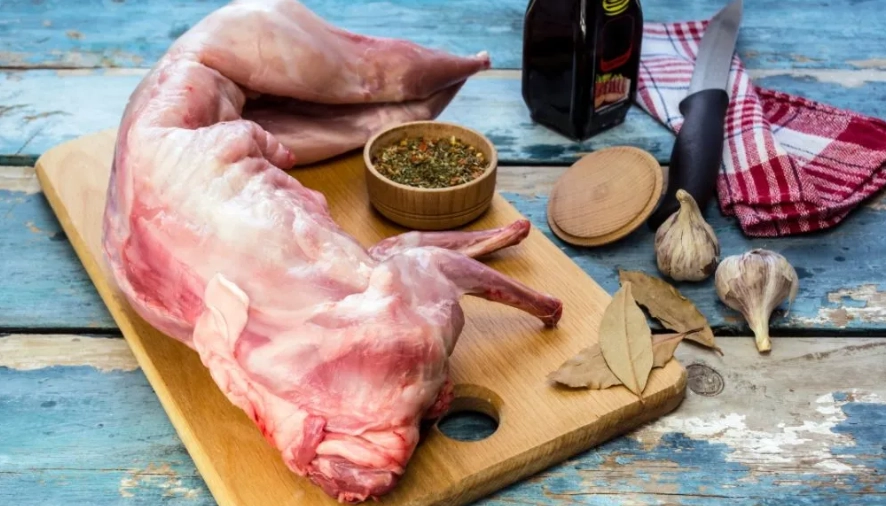
Your Questions Answered (FAQ)
 What's the best way to reduce gaminess in wild rabbit if I find it too strong?
Wrapping up, rabbit doesn't taste like duck—it offers a lighter, more nuanced experience, while duck brings richness and depth. Your choice depends on the meal you want. For a healthy weeknight dinner, go rabbit; for a special occasion, duck might steal the show. Experiment, but respect their differences. And next time someone asks, "Does rabbit taste like duck?" you'll have the full story.
Reader Comments