Let's cut to the chase. The image of a quiet bunny in a small cage is one of the most misleading ideas in the pet world. Getting a rabbit for your child is a fantastic idea—but only if you, the parent, understand it's a 7-12 year commitment that requires work, space, and a shift in thinking. Rabbits aren't "starter pets"; they're complex, sensitive companion animals. I learned this the hard way with my first rabbit, Thumper, over a decade ago. This guide isn't about selling you a cute idea. It's about setting you, your kids, and your future rabbit up for genuine, lasting success.
What You'll Find Inside
Choosing the Right Rabbit for Your Family
This is your most critical decision. Breed, age, and source matter more than color.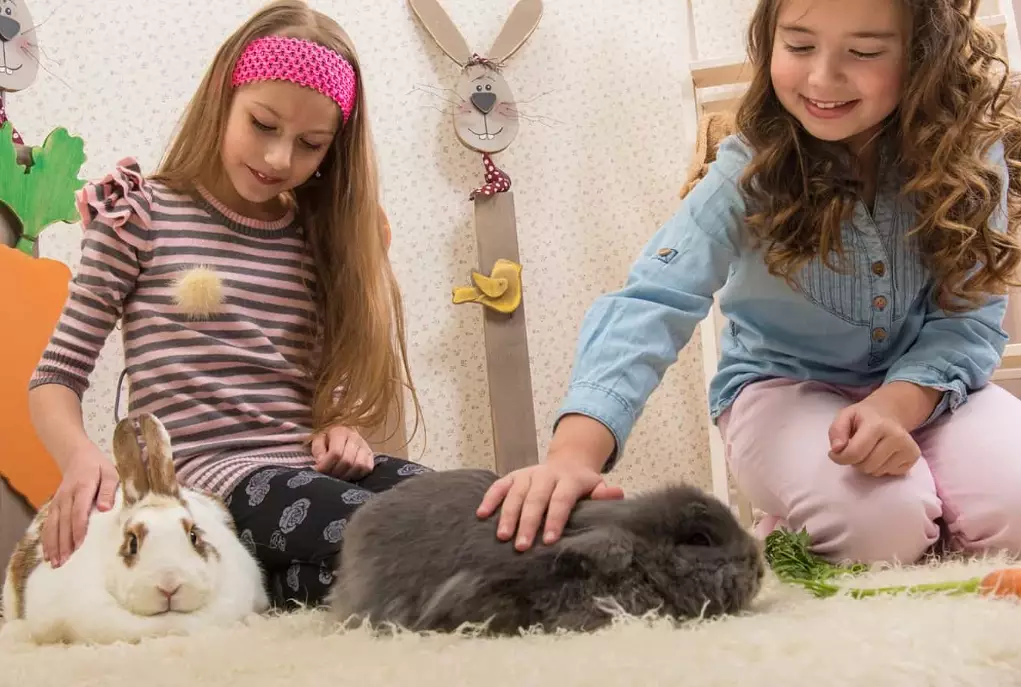
Forget Size, Think Temperament
Bigger is often better for kids. Large breeds like Flemish Giants or Checkered Giants are frequently calmer and less fragile than tiny, skittish Netherland Dwarfs. Dwarfs can be wonderfully friendly, but their small size makes them more prone to injury if handled incorrectly and they sometimes have a reputation for being more territorial. Medium breeds like the Havana, Rex (incredibly soft!), or Mini Lop often hit a sweet spot of manageability and sturdy build.
Pro Tip from a Breeder Friend: Temperament varies wildly even within a breed. Always spend time with the individual rabbit. Look for one that is curious, approaches you calmly, and doesn't flinch excessively when touched. A rabbit that sits quietly in your lap for a few minutes is a better bet than one that's constantly squirming.
Baby Bunny or Adult? The Surprising Answer
Everyone wants a baby bunny. I get it. But for a family with young kids, an adult rabbit (over 6 months old) is almost always the smarter choice. Why? Their personality is already set. You know if they're calm, friendly, or litter-trained. Baby bunnies go through a hormonal "teenage" phase around 4-6 months that can include spraying, boxing, and ignoring litter habits. Adopting a spayed/neutered adult from a rescue like the House Rabbit Society bypasses all that drama and gives a deserving pet a home.
Where to Get Your Rabbit
| Source | Pros | Cons & What to Ask |
|---|---|---|
| Animal Shelter / Rabbit Rescue | Rabbit is often already spayed/neutered, litter-trained, health-checked. You save a life. Staff know the rabbit's real personality. | Ask about the rabbit's history, why it was surrendered, and its known health issues. Spend at least 30 minutes interacting. |
| Responsible Breeder | You know the lineage, health history. Can see the living conditions of parents. Breeder offers lifelong support. | Ask for references, proof of health checks. A good breeder will interview YOU. Avoid anyone selling unweaned kits or multiple breeds. |
| Pet Store | Convenient. Wide selection of baby bunnies. | Highest risk. Unknown origin, genetics, or early socialization. Often not sexed correctly. You support mass breeding mills. Not recommended. |
My rabbit, Thumper, came from a pet store. We dealt with unknown genetics leading to chronic teeth issues. My next two came from a rescue—night and day difference in knowing what we were getting into.
Setting Up the Perfect Rabbit Home (It's Not Just a Cage)
The cage sold at the pet store is almost always too small. Rabbits need room to run, jump, and play—ideally 24/7.
The Space Equation
Think of the cage or pen as a home base for food, water, and litter, not a full-time living quarters. The absolute minimum enclosure size for an average rabbit is 4ft x 2ft, but that's just for sleeping. They need several hours daily in a larger, rabbit-proofed area. Many families use a large dog exercise pen (x-pen) attached to a cage, or dedicate a safe corner of a living room or child's bedroom.
Rabbit-Proofing 101: What They Don't Tell You
Rabbits chew. Everything. Baseboards, charger cords, furniture legs, books, carpet. Rabbit-proofing is non-negotiable.
- Cords: Use rigid plastic cord covers or run them behind furniture. Assume every cord is a target.
- Furniture/Walls: Provide a surplus of approved chew toys (applewood sticks, willow balls, cardboard). Use clear plastic corner guards on baseboards.
- Plants: Assume all houseplants are toxic. Move them up high.
This isn't meanness; it's a natural instinct to wear down their constantly growing teeth. If you can't rabbit-proof a significant area, a rabbit is not the right pet for your home right now.
The Daily Care Routine: What Kids Can Really Do
This is where responsibility is learned. Be realistic about age-appropriate tasks. A 5-year-old can help; a 10-year-old can take on more.
Morning: Refresh water (heavy ceramic bowl, not a bottle). Top up unlimited timothy hay. A small measured portion of fresh greens (romaine, cilantro, kale).
Evening: Scoop litter box. A second small pellet feeding (1/4 cup per 5 lbs of rabbit). Supervised playtime and cuddles on the floor.
Weekly: Full enclosure clean. Wash food bowls, litter box. Brush rabbit (especially during shedding seasons).
The parent's non-negotiable job? Monitoring food intake and poop output. A rabbit that stops eating is a medical emergency requiring a vet within 12 hours.
Bonding, Behavior, and Keeping the Peace
Rabbits communicate differently than dogs or cats.
Handling: The Biggest Mistake Families Make
Never let a young child pick up a rabbit unsupervised. Rabbits are prey animals; being lifted triggers a fear of predators. A panicked rabbit can kick with powerful hind legs, breaking its own spine. Bonding happens on the floor. Sit quietly, let the rabbit approach. Offer treats. Pet gently on the head and cheeks.
The Golden Rule: The rabbit must always have all four feet on a solid surface, or be held securely against an adult's chest with full support under its hindquarters. Kids under 8 should only pet rabbits on the floor.
Understanding "Bad" Behavior
Nipping, digging at carpets, ignoring the litter box—these are messages. Nipping often means "you're in my space" or "pet me differently." Litter box issues can be territorial (neuter/spay fixes 90% of this) or a sign of discomfort. Digging is a natural instinct; provide a digging box filled with shredded paper or child-safe soil.
Health Watch: Spotting Trouble Early
Rabbits hide illness until they're very sick. You must become a detective.
- The Critical Sign: Reduced or no appetite for more than 10 hours. Check if they're eating their hay.
- Poop Patrol: Normal poop is round, firm, and fibrous. Small, misshapen, or no poop means gut slowdown (GI stasis), which is deadly.
- Teeth: Overgrown teeth cause drooling, weight loss, and eye issues. Unlimited hay is the best prevention.
Find a rabbit-savvy vet (exotic pet vet) before you get the rabbit. Not all cat-and-dog vets have the right expertise. The House Rabbit Society website has a vet directory.
Your Top Questions, Answered Honestly
 Is it better to get one rabbit or two?
Bringing a rabbit into your family can be a profoundly rewarding experience that teaches kids about gentle responsibility, empathy, and the needs of another living being. It's not the easy path, but for the right family, it's the better one. Look past the Easter imagery. See the real animal—a quiet, clever, playful companion that, with proper care, can be a part of your child's life from elementary school until they graduate high school.
Reader Comments