You’ve seen them—a cottontail rabbit quietly nibbling under your bird feeder, munching on the spilled seeds. It looks harmless, even cute. The short answer is yes, wild rabbits will absolutely eat bird seed if they find it. But here’s the critical part most people miss: it’s terrible for them. Bird seed is not rabbit food. Feeding on it is a sign of desperation or a lack of proper forage, and it can lead to serious health problems. If you care about the wildlife in your backyard, understanding why this happens and what to do about it is essential.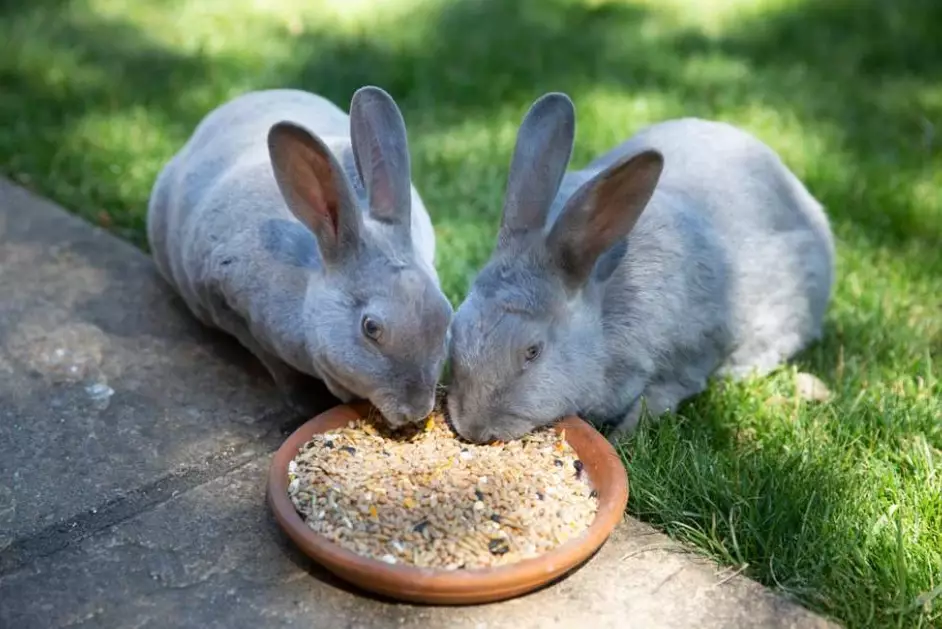
What’s in this guide?
What Wild Rabbits Really Eat
To see why bird seed is a problem, you need to know what a wild rabbit’s digestive system is built for. They are obligate herbivores with a very specific gut design centered on hindgut fermentation. Their diet is high in fiber, very low in fat and simple carbohydrates, and changes with the seasons.
In spring and summer, they’re eating tender grasses, clover, dandelion greens, plantain, and the leaves of various weeds and herbs. Come fall and winter, they switch to tougher fare: dried grasses, bark, twigs, buds, and any remaining evergreen leaves. This high-fiber, low-energy diet keeps their constantly growing teeth worn down and their complex gut bacteria balanced.
A key observation from years of watching them: A healthy rabbit spends hours slowly grazing over a large area. A rabbit camped out under a bird feeder is often one that’s struggling—maybe due to habitat loss, drought, or an over-population in the area. The bird seed is an easy, calorie-dense, but completely inappropriate, shortcut.
The Problem with Bird Seed for Rabbits
Most commercial bird seed mixes are a nutritional disaster for a rabbit. Let’s break down the typical components.
Digestive System Sabotage
A rabbit’s gut is a finely tuned ecosystem of bacteria. Sudden influxes of starchy, fatty seeds disrupt this balance. Corn, a common filler in cheap seed mixes, is particularly bad. It’s high in starch and can cause a condition called cecal dysbiosis—an overgrowth of the wrong bacteria leading to painful gas, bloating, and potentially fatal stasis where the gut stops moving.
Sunflower seeds and peanuts (often in shelled mixes) are packed with fats and proteins a rabbit’s liver and kidneys aren’t designed to process in large amounts. This can lead to obesity and hepatic lipidosis (fatty liver disease).
The Silent Threat of Nutritional Deficiencies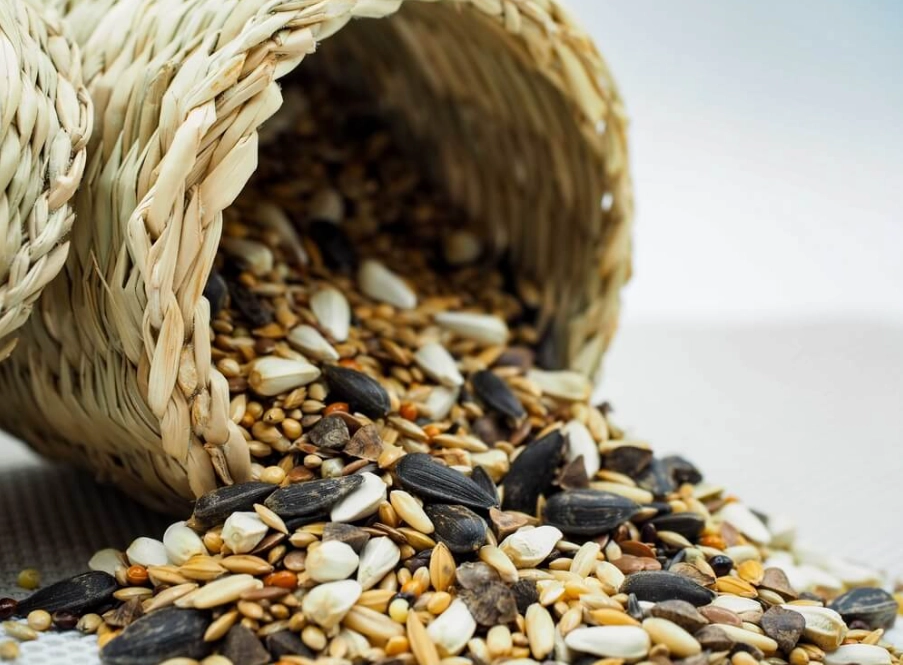
This is the subtle error most people don’t consider. When a rabbit fills up on bird seed, it stops foraging for the fibrous greens it needs. Bird seed has almost no digestible fiber (the kind that keeps the gut moving) and is critically low in calcium and certain vitamins. Over time, this leads to weak bones, dental problems (yes, even with hard seeds—they wear teeth unevenly), and a weakened immune system.
A rabbit eating bird seed isn’t being “fed”; it’s being slowly malnourished with empty calories.
Beyond the rabbit: Concentrating rabbits at feeders also increases the risk of disease transmission like Rabbit Hemorrhagic Disease (RHDV2) and attracts predators to a single spot, putting both rabbits and birds at greater risk.
Practical Solutions: Protecting Rabbits and Birds
So, you want to enjoy birds but not harm the rabbits. It’s about management, not just shooing them away.
1. Bird Feeder Management
Switch to a "No-Mess" Seed: Look for hulled seeds like sunflower hearts or shelled peanuts. Yes, they’re more expensive, but there’s virtually no waste for rabbits to scavenge. Nyjer seed for finches is also a great choice—rabbits have zero interest in it.
Use a Seed Catcher Tray: A large tray or baffle mounted beneath the feeder catches falling debris. You must empty this tray regularly—don’t let it become a secondary feeder on the ground.
Elevate and Isolate: Place feeders on tall, smooth poles with predator baffles, at least 5-6 feet off the ground and 10 feet away from any jumping-off point (fences, bushes). A rabbit won’t climb a pole, but a squirrel baffle stops them from jumping up.
2. Habitat Modification
This is the long-term, kindest solution. Make the area under your feeders less appealing and provide better options elsewhere.
Create a "No-Grow" Zone: Under the feeder, use landscape fabric covered with river rock or gravel. It’s easy to sweep or blow seed off it, and rabbits find it uninviting to sit on.
Plant a Rabbit-Friendly Buffer: At the edge of your yard, away from feeders, let a section grow wild with clover, native grasses, and safe weeds. You’re not “feeding” them, you’re restoring natural forage. This is the single most effective thing you can do.
| Common Bird Seed Ingredient | Risk to Wild Rabbits | Rabbit-Safe Bird Feeding Alternative |
|---|---|---|
| Corn (whole or cracked) | High starch causes gut stasis, dysbiosis, mold risk. | Avoid mixes with corn. Use pure black oil sunflower. |
| Sunflower Seeds (in shell) | High fat, can cause obesity, uneven tooth wear. | Sunflower hearts (hulled). Less waste, same appeal to birds. |
| Peanuts (in shell) | High fat/protein, risk of aflatoxin mold. | Shelled peanuts in a dedicated feeder high off ground. |
| Milo, Wheat, Oats (fillers) | Low nutritional value, displaces fibrous food. | Nyjer seed, suet cakes (rabbits don't eat these). |
What to Offer Wild Rabbits Instead
If you feel compelled to directly support wild rabbits, especially in harsh winter or drought conditions, do it right. The goal is to supplement their natural diet, not replace it.
Fresh Water: A shallow, ground-level dish of fresh water is often the most needed and safest thing you can provide. Change it daily.
Natural Browse: Instead of buying food, offer cuttings from safe trees and shrubs. Apple, willow, maple, and raspberry branches (untreated with pesticides) are excellent. They provide fiber, wear down teeth, and mimic natural winter browsing.
If You Must Use a Pellet: This is controversial, but in extreme situations, a very small amount of plain, high-fiber timothy hay-based rabbit pellets (no colorful bits, seeds, or corn) is infinitely better than bird seed. Scatter a tablespoon or two over a wide area at dusk to prevent crowding. But really, hay is better.
Timothy Hay: A handful of fresh, good-quality timothy hay placed in a dry spot is the absolute best supplemental food. It’s what their digestive system craves.
I’ve seen people put out bowls of lettuce or carrots. Don’t. Iceberg lettuce is useless, and carrots are too sugary as a staple. You’re not feeding a pet; you’re trying to help a wild animal without making it dependent.
Your Questions Answered
A rabbit has been eating bird seed under my feeder for weeks. What should I do right now?
Is it safe to feed wild rabbits the vegetables from my garden?
 Will bird seed kill a wild rabbit?
How can I tell if a rabbit is unhealthy from eating bird seed?
What’s the one thing I should never feed a wild rabbit?
Reader Comments