You see a fluffy animal with long ears hopping in your yard. Is it a rabbit or a bunny? Most of us use the words interchangeably, but have you ever stopped to wonder where "bunny" even came from? The word "rabbit" has been around for centuries, so why did we need a cute alternative? The answer isn't just about size or age, as many people mistakenly think. It's a linguistic journey that starts in 17th-century England, involves a term of endearment for squirrels, and ends with the powerful influence of pop culture. Let's dig into the real origin of "bunny" and clear up the confusion once and for all.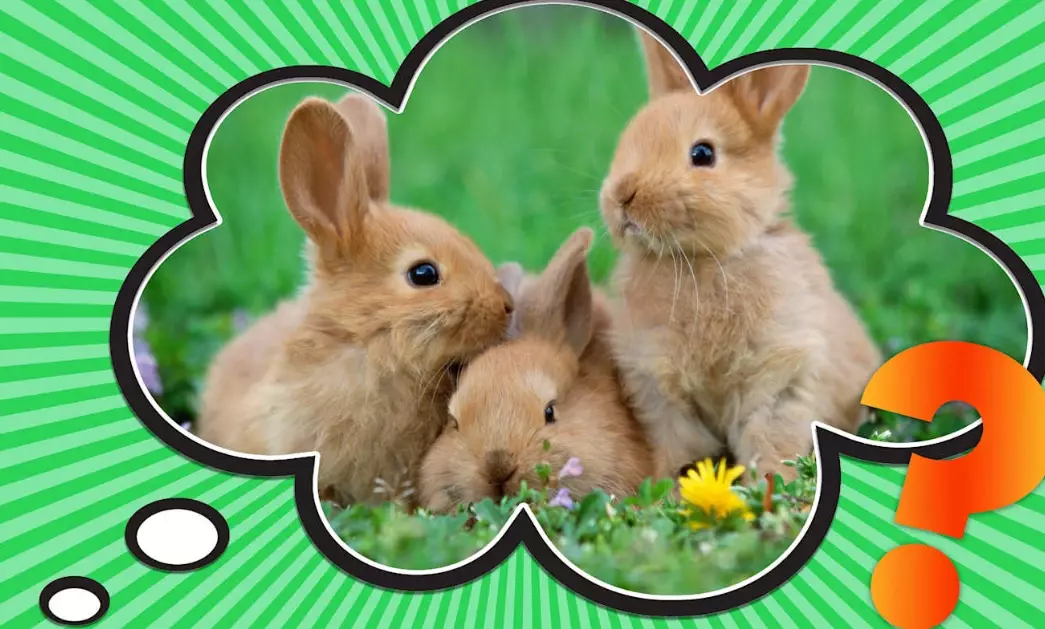
In This Article
The Etymology: It All Started With a "Bun"
Here's the core of it: the word "bunny" is a pet name, a diminutive. It didn't originally refer to a rabbit at all. To understand it, we have to go back to the late 1500s and early 1600s in England.
The root word is "bun." Back then, "bun" was a regional dialect word used as a term of endearment, primarily for squirrels. Think of it like calling a dog "pup" or a cat "kitty." It was a cute, informal name. The "-ny" or "-ney" ending was a common suffix added to words to create a diminutive or affectionate form. You see this in old words like "tummy" (from stomach) or even names like "Johnny."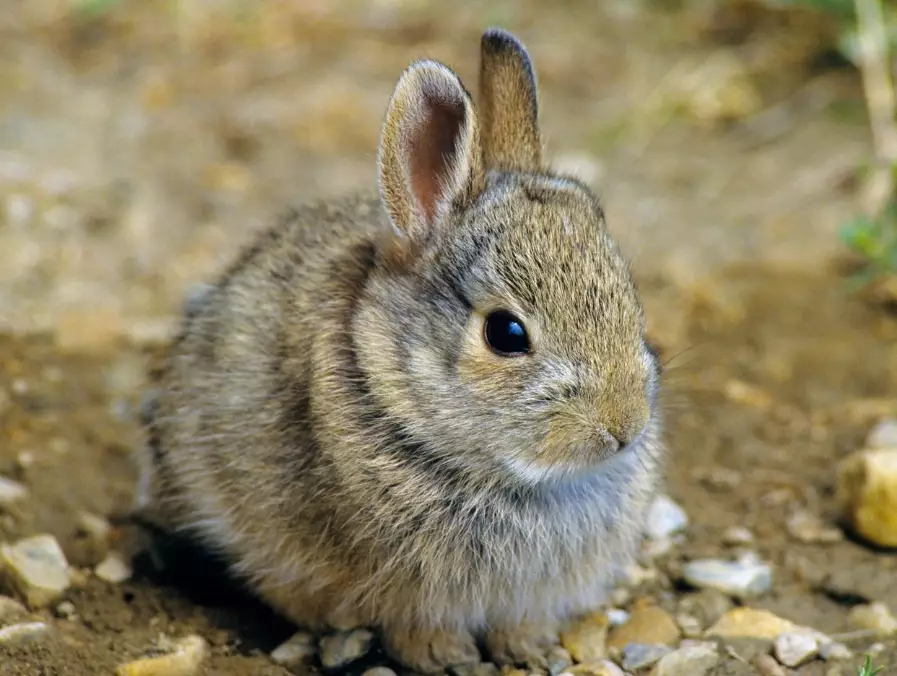
The Linguistic Shift: So, "bun" (squirrel) + "-ny" (affectionate suffix) = "bunny" (little squirrel). Historical texts, including references from the Oxford English Dictionary, show this usage. The leap from squirrels to rabbits isn't as random as it seems. Both are small, quick, furry animals often seen in rural and woodland settings. Over time, as the word "bunny" circulated in colloquial speech, it gradually transferred from one small, cute animal to another. By the early 1700s, "bunny" was firmly established as a familiar, childish, or affectionate word for a rabbit.
This origin story debunks the most common myth. People often assume "bunny" means a baby rabbit. That's a modern, logical assumption, but it's not historically accurate. The distinction was never about biology; it was always about tone and familiarity.
Rabbit vs. Bunny: What's the Actual Difference?
This is where most online explanations get it wrong. They'll tell you a "bunny" is a young rabbit, and an adult is a "rabbit." In strict biological or zoological terms, that's incorrect. A baby rabbit is called a kitten or a kit.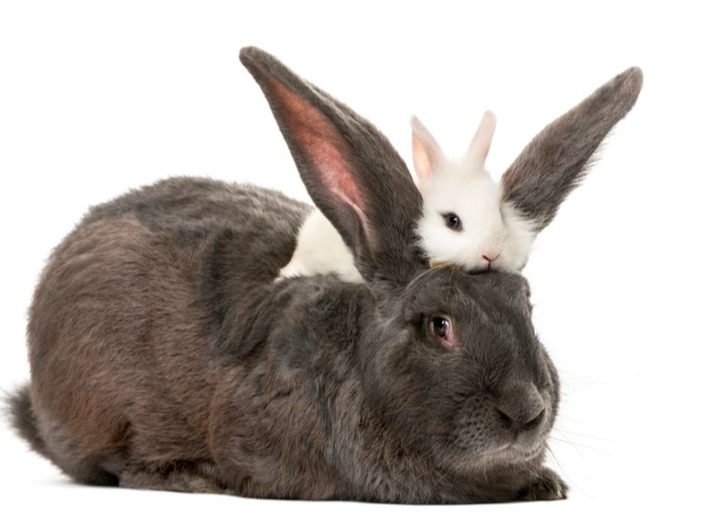
The real difference is not in the animal, but in the connotation and usage of the words. Think of it like the difference between "dog" and "doggy," or "horse" and "pony" (though a pony is a specific breed, the feeling is similar).
| Term | Primary Use & Connotation | Context & Example |
|---|---|---|
| Rabbit | Formal, scientific, general. The standard biological term for the animal (genus Oryctolagus, etc.). Neutral in tone. | "The European rabbit is an invasive species in Australia." "I need a book on rabbit husbandry." "We saw a wild rabbit in the field." |
| Bunny | Informal, affectionate, childish, commercial. Evokes cuteness, softness, and pet-like qualities. A term of endearment. | "Look at the fluffy bunny!" "Kids, come see the Easter Bunny!" "I bought a new toy for my pet bunny." "That's such a bunny slope." |
Here's a personal observation from years of keeping rabbits and talking to fellow owners: in the pet community, we use both. We might say "my rabbit" when discussing diet or health with a vet ("My rabbit needs a dental check-up"). But at home, we almost always call them bunnies, or even goofier nicknames derived from "bunny" like "bun," "bunn-bunn," or "fluffle-puss." It's a sign of affection. Calling your beloved pet a "rabbit" in a casual setting can feel oddly clinical, like calling your dog "the canine."
When "Bunny" Isn't About Rabbits
The affectionate, diminutive nature of "bunny" also led to other uses. In the early 20th century, "bunny" could refer to a young, attractive woman (leading to terms like "Playboy Bunny"). The phrase "bunny slope" for an easy ski hill plays on the idea of something small, gentle, and non-threatening. These offshoots reinforce that the core meaning of "bunny" is about perceived innocence, gentleness, and approachability, not just a type of animal.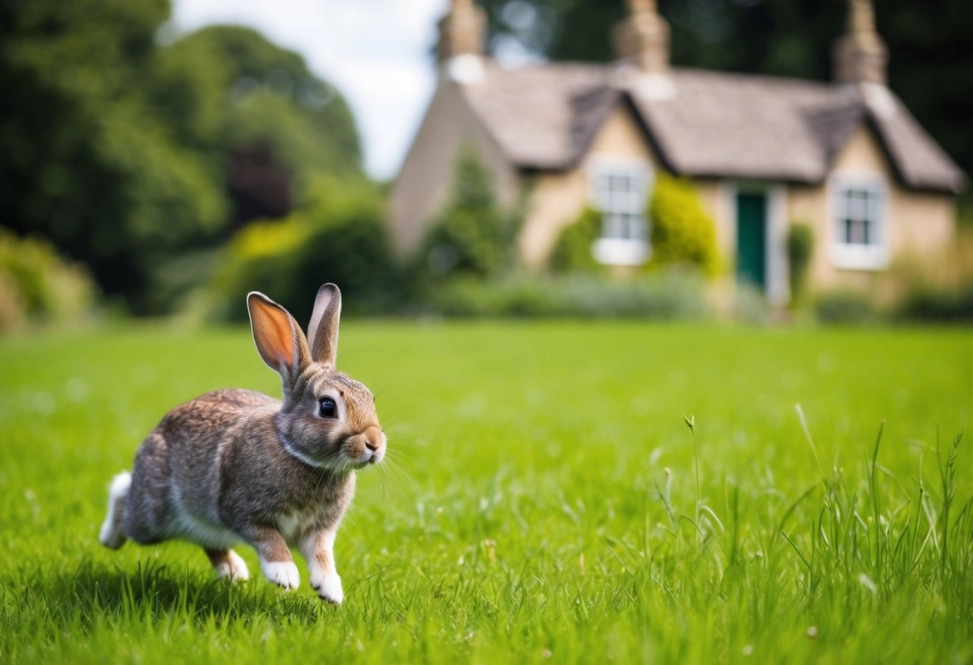
From Nursery Rhymes to Hollywood: How Culture Cemented "Bunny"
Language origins are one thing, but widespread adoption is another. "Bunny" didn't become a universal synonym for rabbit just through linguistics. Culture supercharged it. Three major forces baked "bunny" into the English-speaking world's consciousness.
First, childhood culture. Nursery rhymes, storybooks, and cartoons have overwhelmingly used "bunny" for over a century. Think "Peter Rabbit" (though Beatrix Potter used "rabbit," the adaptation for younger audiences leaned into the cuteness). Think "The Tale of the Flopsy Bunnies." Think Bugs Bunny—his name is iconic. This constant exposure from infancy links "bunny" directly with warmth, storytelling, and innocence.
Second, holiday tradition. The Easter Bunny is arguably the single biggest promoter of the word. This folkloric figure, with roots in German traditions (the "Osterhase"), was always a "bunny" or "hare" in English translations. The association of a gift-giving, egg-hiding "bunny" with a joyful spring holiday cemented the word's positive, magical connotations. You don't have the "Easter Rabbit." The alliteration and softness of "Easter Bunny" are phonetically and emotionally perfect.
Third, the pet industry and marketing. Walk down any pet supply aisle. You'll see bags labeled "Bunny Food," toys called "Bunny Chews," and cages marketed as "Bunny Habitats." The term is friendlier, less intimidating to new owners, and sells better. It creates an image of a cuddly companion, not just a livestock animal. This commercial adoption made "bunny" the default term for a domesticated house rabbit, further widening the gap in usage between the formal "rabbit" and the affectionate "bunny."
This cultural tide is so strong that it has subtly reshaped the perceived meaning. Because "bunny" is used so often for cute cartoon characters and pets, many people now do genuinely think it refers to the young or the especially cute. While not etymologically correct, this is a fascinating example of how modern usage can add new layers of meaning to an old word.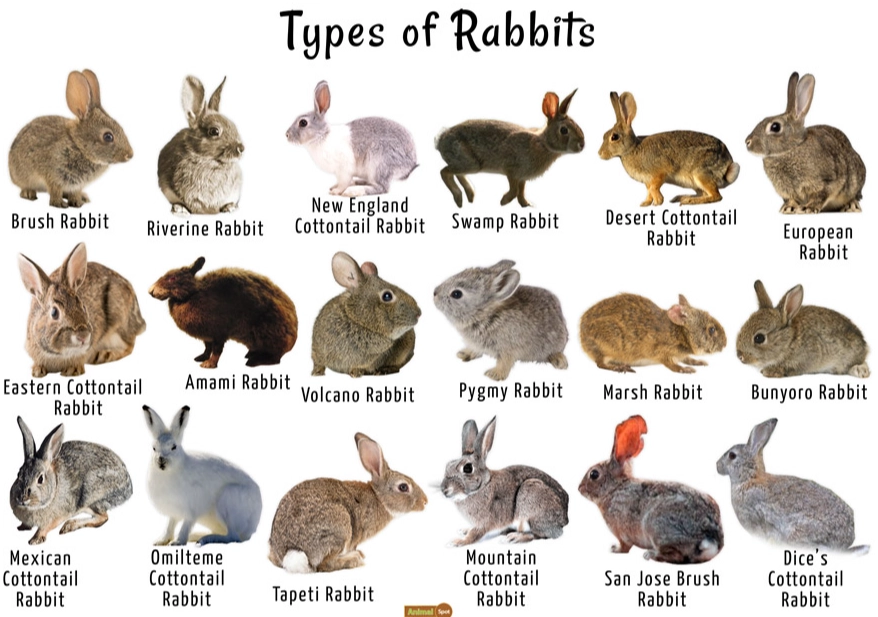
Your Bunny Language Questions Answered
No, that's the most persistent myth. Biologically, baby rabbits are kits or kittens. "Bunny" is an affectionate term for rabbits of any age. It's about tone, not life stage. You can have a senior pet rabbit and still rightly call it your "old bunny." The confusion is understandable because we often use cute names for young things, but in this case, the history of the word doesn't support the age-based definition.
Not at all. "Rabbit" is the technically correct term. It's like calling your dog a "dog." Perfectly accurate. However, within the pet community, "bunny" is the overwhelmingly common colloquialism. Using "rabbit" might sound a bit more formal or detached to another rabbit enthusiast, but it's not incorrect. I use both, depending on context.
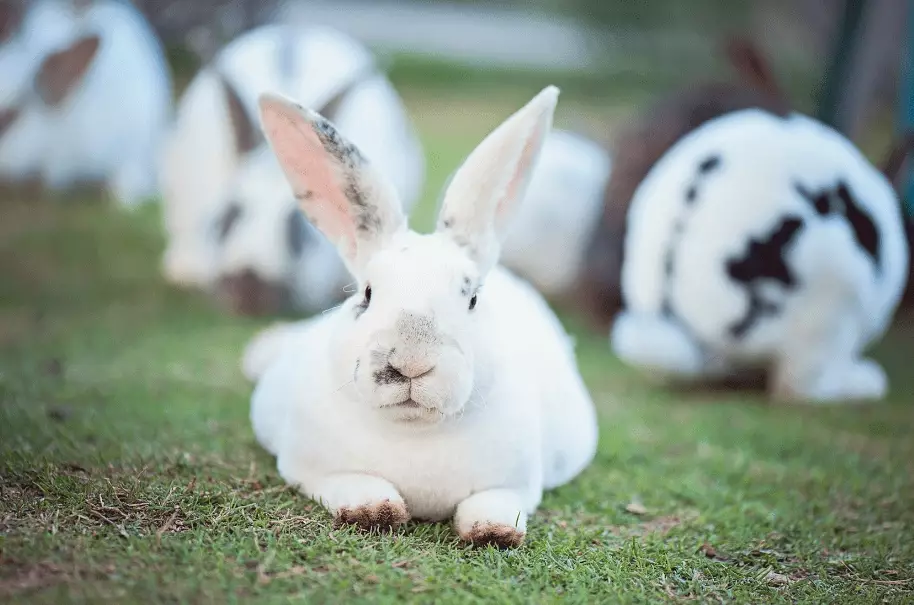 Why does the word "bunny" feel so inherently cute?
Linguists point to phonetics. The "b" sound is soft, the short "u" sound is rounded and gentle, and the "-ny" ending is a classic diminutive suffix found in many baby-talk words (like tummy, doggy, kitty). This combination naturally sounds affectionate to English ears. Couple that with centuries of use in children's media and for pets, and the cuteness association becomes a self-reinforcing loop.
Other way around. The word "bunny" was firmly established for over 200 years before the cartoon character was created in 1940. The writers at Warner Bros. chose the name precisely because it was already the familiar, funny-sounding word for a rabbit. They leveraged the existing cultural understanding to create an instantly recognizable and endearing character. Bugs Bunny didn't create the term; he became its most famous ambassador.
 So, the next time you call out to a fluffy friend or point one out in the garden, you'll know you're using a word with a quirky history. "Bunny" isn't a scientific classification. It's a linguistic relic of affection that jumped from squirrels, was embraced by popular culture, and ultimately became the warm, fuzzy word we all know. It's a testament to how we shape language to reflect how we feel about the world around us—especially the small, soft, hopping parts of it.
Reader Comments