You see a small, furry mammal with long ears hopping through a field. Is it a rabbit? A bunny? A hare? Most people use these words interchangeably, and heck, even I did for years. But they're not the same animal. The difference between a rabbit and a hare isn't just semantics—it's a fundamental split in biology, behavior, and lifestyle. Getting it wrong can lead to some pretty big misunderstandings, especially if you're a wildlife enthusiast, a pet owner, or someone who just found a nest of babies in the backyard. Let's clear this up once and for all.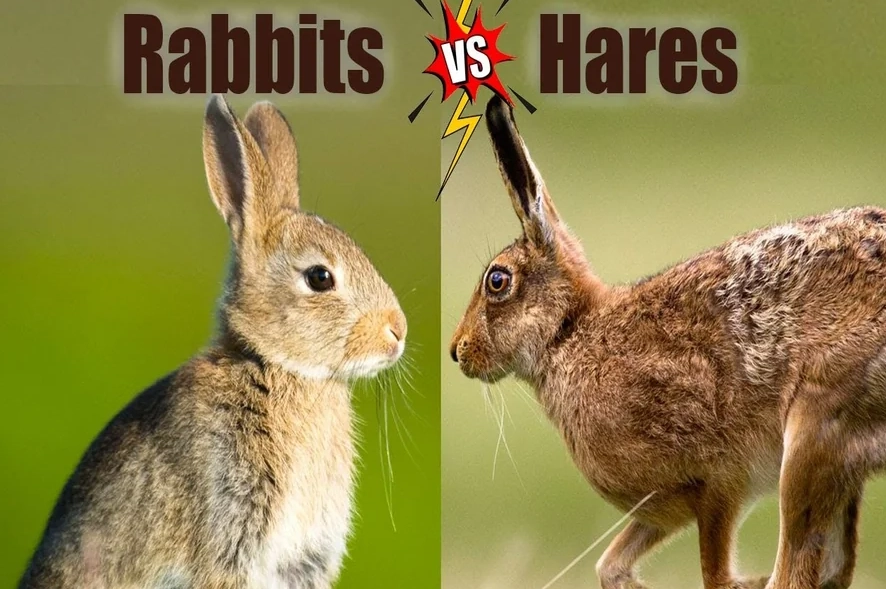
What's Inside This Guide?
- What's in a Name? The Scientific and Common Confusion
- Rabbit vs Hare: The Ultimate Side-by-Side Comparison
- Biology and Appearance: Built for Different Lives
- Behavior and Lifestyle: The Underground vs. The Open Field
- The Jackrabbit Wild Card: A Hare, Not a Rabbit
- Your Rabbit vs Hare Questions, Answered
What's in a Name? The Scientific and Common Confusion
First, let's tackle the terminology mess. Scientifically, both rabbits and hares belong to the order Lagomorpha and the family Leporidae. They're cousins, not siblings. Within that family, they're grouped into different genera. Most true rabbits are in the genus Oryctolagus (like the European rabbit) or Sylvilagus (cottontails). Hares are in the genus Lepus.
Now, the word "bunny." This is where it gets informal. "Bunny" is purely a colloquial, affectionate term, often for a young or small rabbit. It has no scientific standing. You wouldn't call a hare a "bunny" unless you were being cute about it (and technically incorrect). So, all bunnies are rabbits, but not all rabbits are constantly called bunnies. Think of it like "kitty" for cat.
The common names add to the chaos. The Belgian Hare is a classic example—it's actually a breed of domestic rabbit, not a hare at all. Breeders in the 19th century gave it that name because of its sleek, hare-like appearance. This misnomer has confused people for over a century.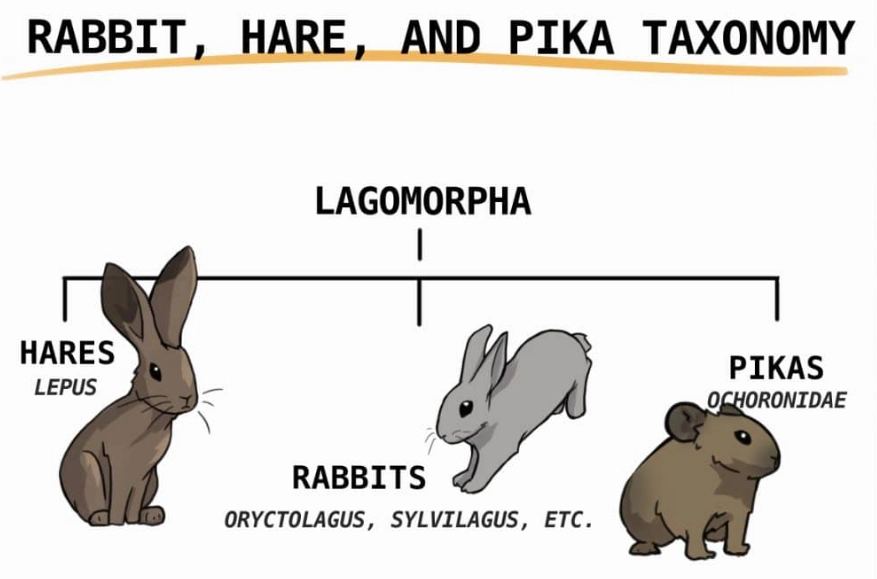
Rabbit vs Hare: The Ultimate Side-by-Side Comparison
This table breaks down the core differences at a glance. Keep it handy.
| Feature | Rabbit | Hare |
|---|---|---|
| Taxonomy (Genus) | Primarily Oryctolagus, Sylvilagus | Lepus |
| Newborns (Altricial vs. Precocial) | Altricial: Born blind, hairless, helpless. Need nest. | Precocial: Born fully furred, eyes open, mobile within hours. |
| Preferred Home | Digs complex burrow systems (warrens). | Lives in shallow depressions (forms) above ground. |
| Social Structure | Often colonial, living in groups. | Largely solitary, except for mating. |
| Typical Build | Compact, rounded body. Shorter ears and legs relative to body. | Lanky, athletic body. Very long ears (often with black tips) and powerful hind legs. |
| Primary Defense | Run to and hide in burrow. | Outrun predators with speed and agility in open terrain. |
| Example Species | European Rabbit, Eastern Cottontail. | Snowshoe Hare, European Brown Hare, Antelope Jackrabbit. |
Biology and Appearance: Built for Different Lives
Look closer, and their bodies tell the story of their lifestyles.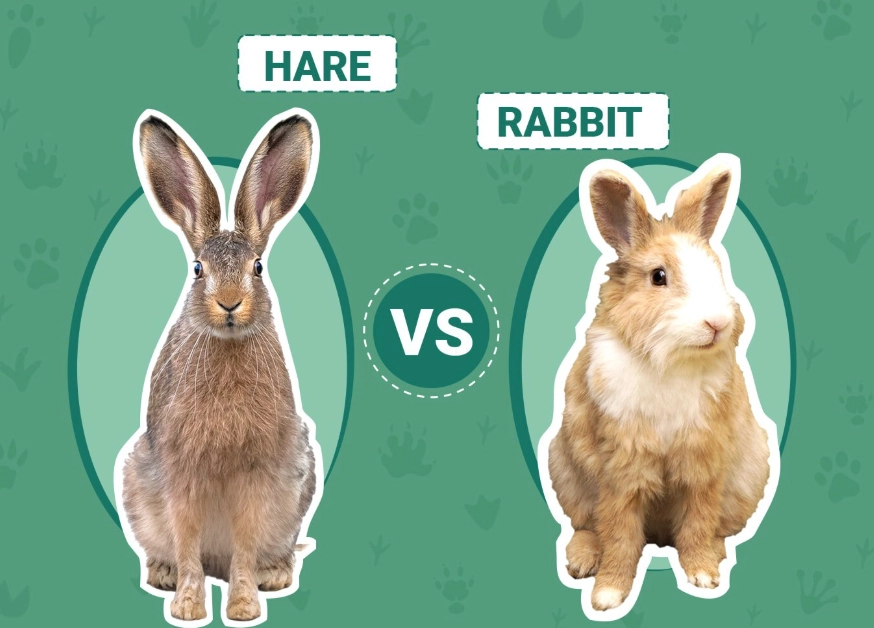
Ears and Legs: The Giveaway
A hare's ears are noticeably longer than a rabbit's, often longer than its own head. Those ears aren't just for hearing predators better (though they do that too). They're full of blood vessels and act as radiators, helping hares dissipate heat in the open, treeless habitats they often prefer. Black tips on the ears, like on the Black-tailed Jackrabbit, are a common hare trait.
Their legs are the real shocker. A hare's hind legs are massively powerful and elongated. They're built for explosive speed and endurance running across fields and tundra. A rabbit's hind legs are strong for hopping, but they're proportionally shorter, better suited for quick zig-zags into dense brush or a nearby burrow entrance.
From Birth: Helpless vs. Ready-to-Run
This is the most critical, non-negotiable difference. Rabbit kits are born altricial. The mother rabbit (doe) pulls fur from her belly to line a hidden nest (often in a burrow). She gives birth to blind, deaf, completely hairless babies. They are utterly dependent on her and the safety of the nest for weeks.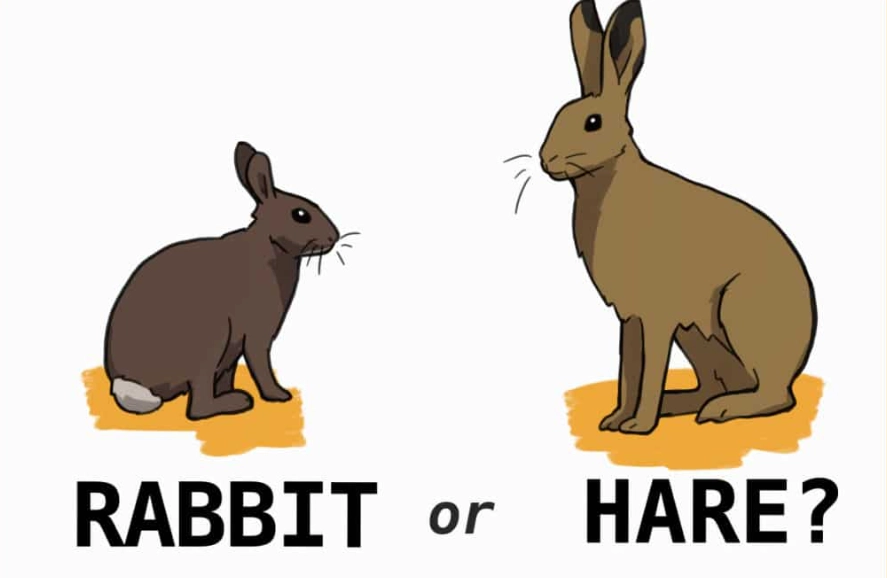
Hare leverets are born precocial. The doe doesn't make a nest. She gives birth in a simple, grassy form. Within an hour, these leverets have fur, their eyes are open, and they can hop around. They scatter and hide individually, only coming together briefly for the mother to nurse once or twice a day. This strategy minimizes the chance a predator finds the whole litter.
Behavior and Lifestyle: The Underground vs. The Open Field
Their physical traits directly dictate how they live.
Rabbits are engineers. The European Rabbit is famous for digging extensive, multi-entrance burrow systems called warrens. These are permanent homes offering shelter from weather and predators. Cottontails, while less prolific diggers, will use existing burrows or dense thickets. Rabbits are more social, living in groups that provide safety in numbers. Their defense is to freeze, then bolt for the nearest cover or hole.
Hares are sprinters. They don't dig burrows. They live their entire lives above ground, resting in shallow scrapes called forms. They rely on camouflage (like the Snowshoe Hare's white winter coat) and their phenomenal speed. A startled hare can hit 45 mph (72 km/h) and leap 10 feet in a single bound. They are typically solitary and territorial. I've watched Brown Hares in farmland—they don't hide, they own their space, relying on vigilance and their ability to outrun anything.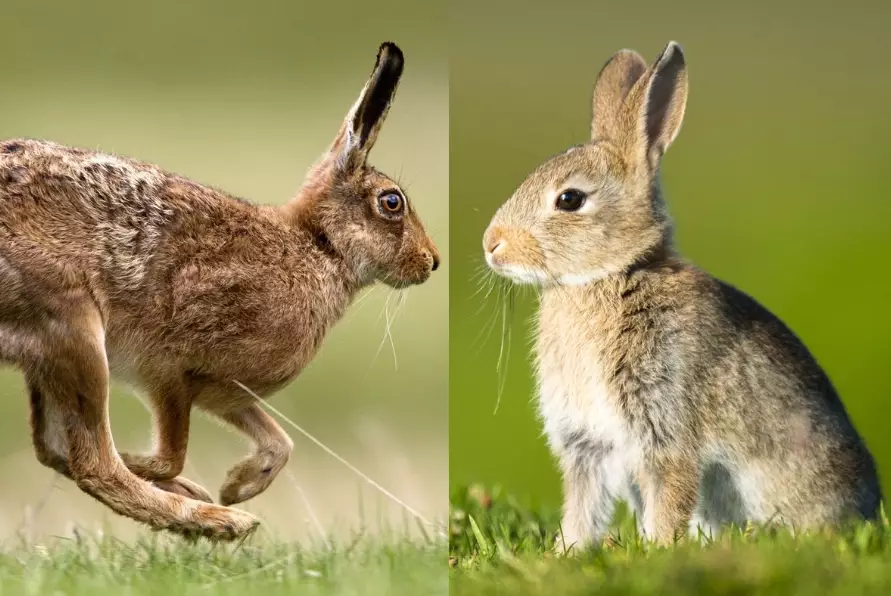
The Jackrabbit Wild Card: A Hare, Not a Rabbit
This is a major point of confusion. Despite the name, all jackrabbits are hares. They belong to the genus Lepus. The name likely comes from their long ears, which early settlers thought resembled jackass ears, hence "jackass rabbit," later shortened.
Take the Black-tailed Jackrabbit common in the western US. It exhibits all classic hare traits: enormous ears with black tips, lanky legs, born precocial, lives in a form, and relies on speed. They are a perfect case study in why common names are unreliable. If you're trying to identify one, ignore "rabbit" and look for the hare characteristics.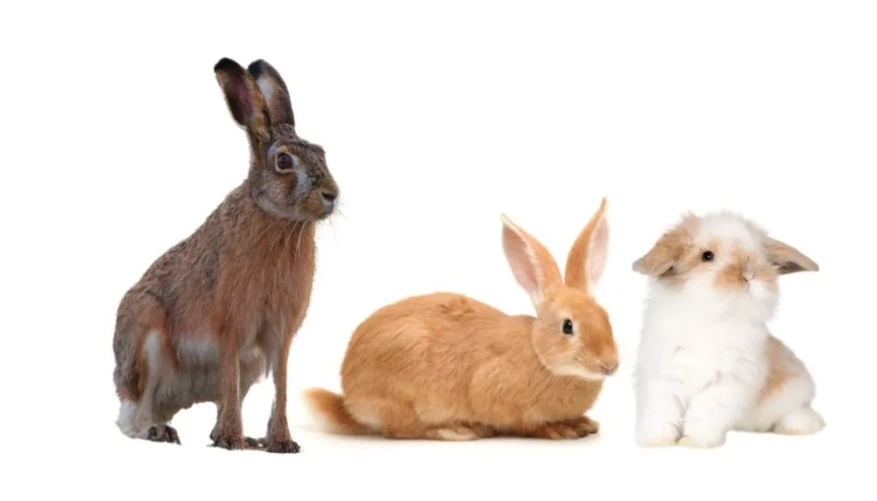
Your Rabbit vs Hare Questions, Answered
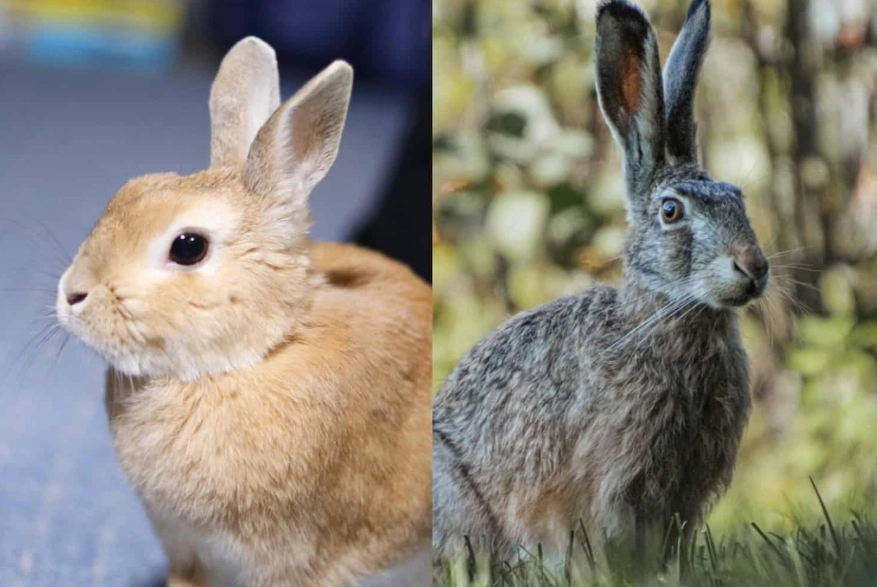 Why are pet rabbits all from one species, and are there pet hares?
Reader Comments