Let's cut to the chase. The best thing to put on the bottom of a rabbit cage isn't one single product. It's a strategic setup that prioritizes your rabbit's health, comfort, and natural habits, while making your life infinitely easier. After years of trial and error (and some vet visits I'd rather forget), I've learned that the ideal foundation combines a highly absorbent, dust-free litter in a dedicated corner box, surrounded by soft, safe, and dry resting areas. Skip the wood shavings from the pet store aisle—many are dangerous. The real winners are paper-based pellets, aspen wood shavings (not pine or cedar!), and a hefty layer of hay. But why these work and how to set them up is where most guides fall short.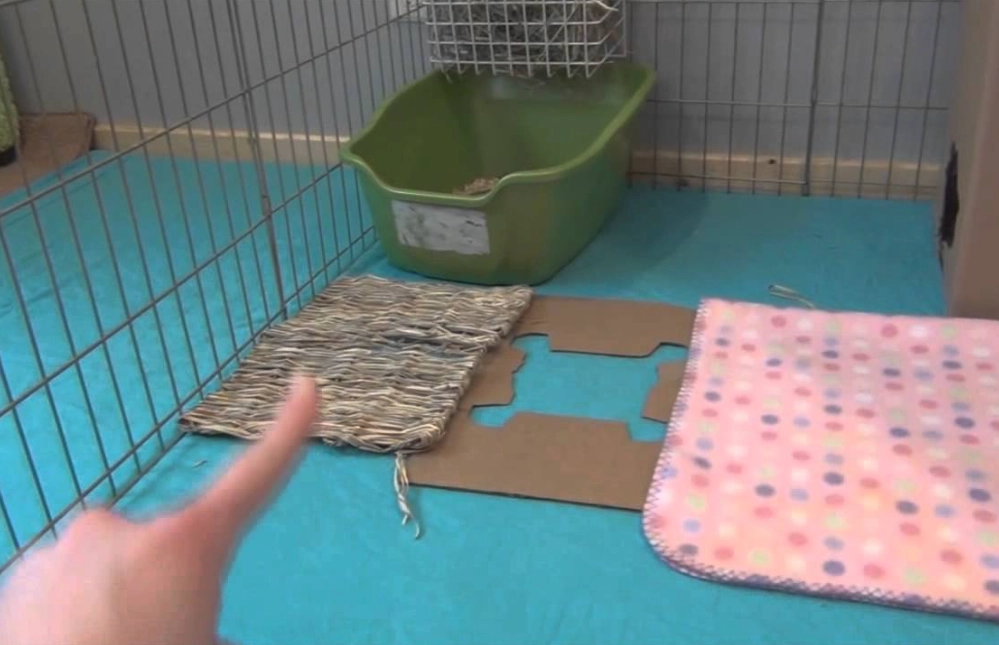
Quick Navigation: What You'll Learn
Why Your Rabbit's Flooring is a Health Issue, Not Just Decor
Think of cage bedding as your rabbit's shoes, mattress, and toilet all in one. They're standing, sitting, and sleeping on it 24/7. Get it wrong, and you're inviting trouble.
Rabbits have incredibly sensitive respiratory systems. Dust from cheap bedding can cause chronic sniffles, sneezing, and worse—just like living in a dusty attic. Their feet lack protective pads. Hard, wire, or wet floors lead to painful pododermatitis (sore hocks), a nasty condition that's hard to treat. Then there's urine scald. Ammonia from urine-soaked bedding burns their skin. I once fostered a rabbit with a raw, red belly from living on soaked newspaper. It took weeks to heal.
But it's not just about avoiding harm. Good bedding encourages natural litter habits. Rabbits are clean animals and prefer to use one corner as a toilet. The right setup works with this instinct, not against it.
Pro Insight: The House Rabbit Society, a leading authority, stresses that bedding is primarily for absorption and comfort in the litter box. The rest of the cage can be bare, solid flooring with soft mats or fleece. This reframes the entire "what to put on the bottom" question.
The 3 Golden Rules for Choosing Rabbit Bedding
Before we talk products, you need this checklist. Ignore these, and even the "best" bedding will fail.
1. Safety First: Non-Toxic & Low-Dust
If it smells strong to you (like pine or cedar), it's toxic to your rabbit. Those aromatic phenols damage their liver and lungs. Also, run a handful of bedding over a dark surface. See a cloud? That's going into your bunny's lungs. Opt for virtually dust-free options.
2. Super Absorbent & Moisture-Locking
Rabbit urine is surprisingly potent. Bedding needs to absorb quickly, lock moisture away from the surface, and control ammonia odors. This keeps paws dry and the air fresh. You're looking for materials that clump or turn into a solid, damp mass, not a soggy mess.
3. Practical for YOU: Cost & Cleanup
The best bedding is useless if you can't afford to maintain it or if cleaning is a nightmare. Consider local availability, price per bag, and how often you'll need to change it. Easy disposal is a huge plus.
Bedding Breakdown: The Good, The Bad, The Smelly
Here’s a detailed comparison of the most common options. I've ranked them based on safety, absorbency, odor control, and overall practicality.
| Bedding Type | Safety & Dust | Absorbency & Odor Control | Cost & Cleanup | Verdict & Best Use |
|---|---|---|---|---|
| Paper-Based Pellets (e.g., Yesterday's News, Carefresh) | Excellent. Virtually dust-free, non-toxic, ink-free. | Superb. Absorbs 3x its weight, excellent odor lock. Minimal tracking. | Moderate cost. Very easy to scoop solid waste. Lasts longer than shavings. | Top Pick for Litter Box. My personal go-to. Reliable, safe, and effective. |
| Aspen Wood Shavings | Good. Low dust, no aromatic oils (safe). Avoid pine/cedar! | Good absorbency, moderate odor control. Can be tracking. | Inexpensive. Messier to clean than pellets. Widely available. | Solid Budget Choice. Ensure it's kiln-dried aspen only. |
| Compressed Pine Pellets (Stove/Fuel pellets) | Controversial. Must be kiln-dried, no additives. Some vets still caution. | Fantastic. Turns to sawdust when wet, great odor control. Very cheap. | Very inexpensive. Cleanup is different (sawdust). Find hardwood-only. | Economy Option with Caution. Do your research and source carefully. |
| Grass Hay (Timothy, Orchard) | Perfect. It's food! Encourages foraging while they potty. | Poor as sole bedding. Not absorbent, gets soggy and smelly fast. | Moderate. Needs frequent changing. Can be messy. | Essential Topper, Not Base. Always layer on top of absorbent litter. |
| Fleece Blankets/Mats | Excellent if dry. Dangerous if wet. No ingestion risk. | Zero. Urine pools on top. Causes wet feet and odor instantly. | High upfront, reusable. Requires daily washing if soiled. | For Resting Areas Only. Must pair with a separate litter box system. |
| Clay/Clumping Cat Litter | DANGEROUS. Dust causes fatal respiratory blockages if ingested. | N/A | N/A | Never, Ever Use. This is a critical mistake. |
That table tells you what works. Here's the nuance most miss: bedding alone is rarely enough. The magic happens in the layering technique.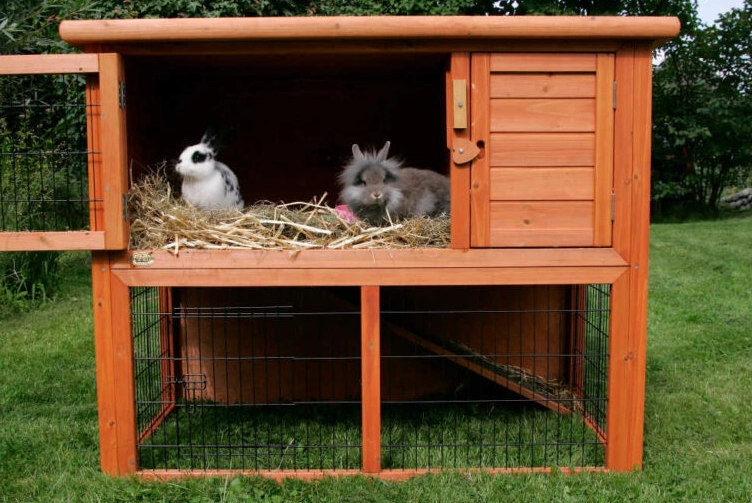
How to Set Up the Perfect Rabbit Cage Floor: A Step-by-Step Guide
Here’s the system I use for my own rabbits. It keeps the cage fresh for days and makes cleanup a 5-minute job.
Step 1: The Litter Box Corner. Get a large, corner litter pan. Line the bottom with a thin layer of newspaper (for easy scraping). Fill it 1-2 inches deep with your primary absorbent bedding—I use paper pellets. This is where 90% of the waste will go.
Step 2: The Hay Pile. This is the secret. Pile a generous handful of fresh timothy or orchard grass hay directly on top of the litter in one side of the box. Rabbits love to munch and poop simultaneously. This habit alone will dramatically improve litter box training.
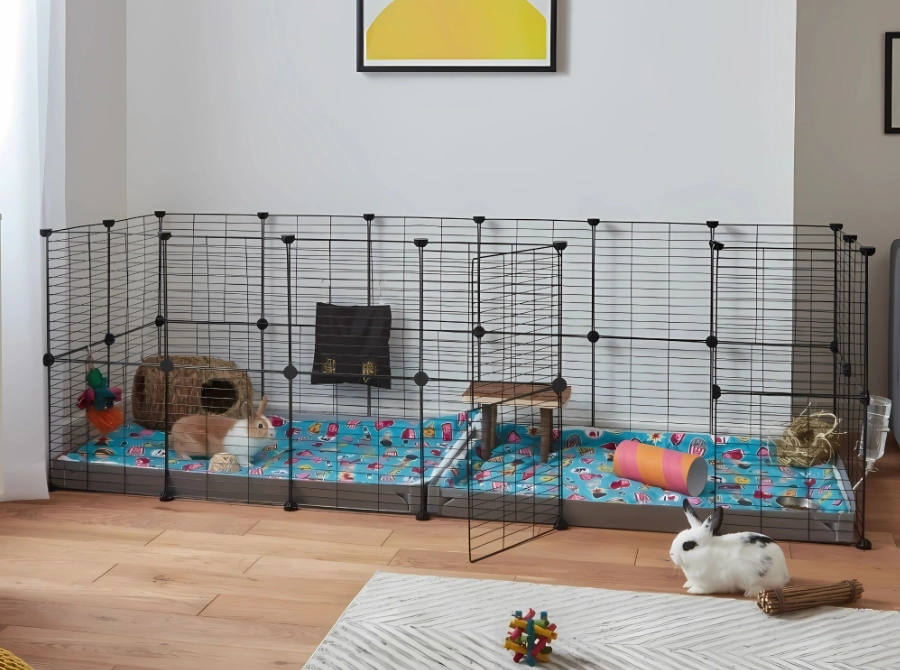
Step 3: The Living Area Floor. The rest of the cage bottom should be solid (no wire!). Cover it with something soft and dry. I use machine-washable fleece blankets or seagrass mats. This area stays clean because your rabbit is using the litter box. Spot clean any stray poops daily—they're dry and odorless.
Step 4: Maintenance Rhythm. Every 1-2 days, scoop out the soiled litter and hay from the corner box. Top up with fresh pellets and hay. Once a week, do a full dump and scrub of the litter pan. Wash the fleece liners. This rhythm prevents odor buildup.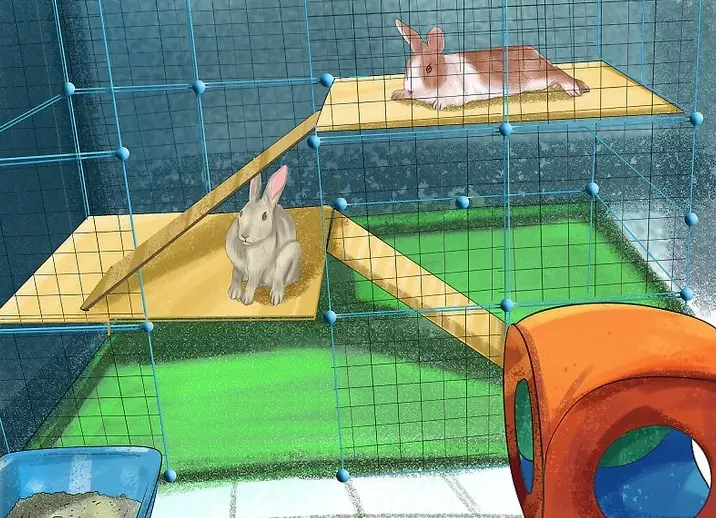
The Wire Floor Trap: Many cages come with wire floors to "let waste fall through." These are terrible for rabbit feet. If your cage has one, you must cover the entire wire section with a solid mat, corrugated plastic, or even a piece of plywood cut to size. Then apply the bedding system above on top of that solid surface.
Common Bedding Mistakes You're Probably Making
I've seen these over and over in my rabbit-sitting work.
Mistake 1: The "Sprinkle." Putting a whisper-thin layer of bedding across the whole cage. It gets soaked instantly and becomes useless. Bedding needs volume to absorb. Commit to a deep layer in the litter box.
Mistake 2: Mixing Incompatibles. Combining, say, aspen shavings with clumping litter. Rabbits dig and forage. They will ingest bits of everything in that mix. Stick to one safe, primary material.
Mistake 3: Ignoring the Hay Connection. Placing the hay rack far from the litter box. You're missing a golden opportunity to harness their natural instinct to graze and relieve themselves at the same time. Hay belongs IN or directly OVER the litter box.
Mistake 4: Chasing Scented Products. Perfumed beddings are a red flag. They're designed to mask odors your nose can detect, not to solve the absorption problem. The strong chemicals can irritate your rabbit. Good odor control comes from proper absorption, not perfume.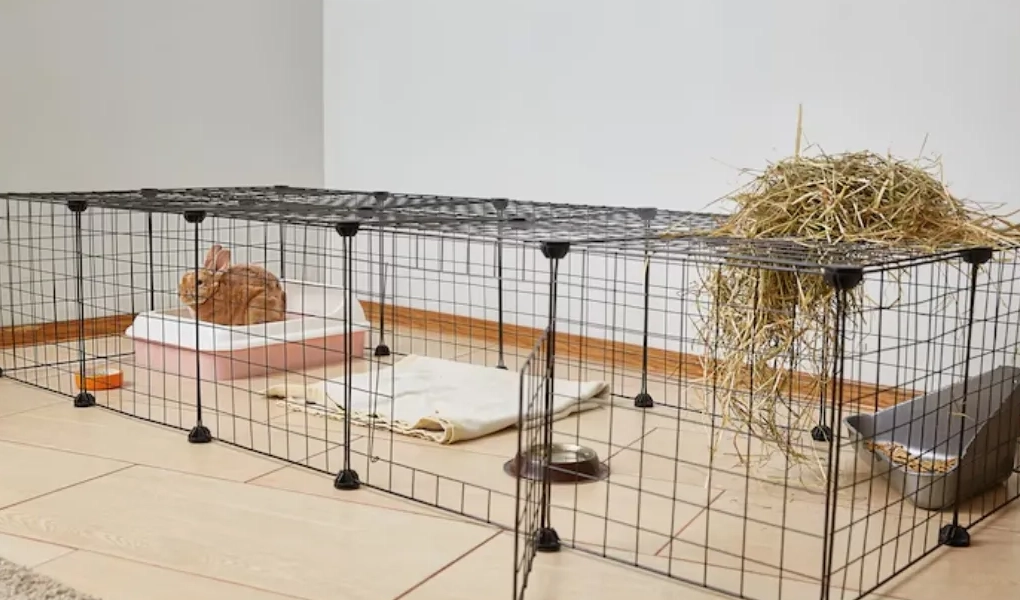
Your Rabbit Bedding Questions, Answered
 Is it okay to use newspapers or cardboard as the main bedding?
 The bottom of your rabbit's cage is foundational to their well-being. It's not about finding a single perfect product, but about creating a system: a deep, absorbent litter station for business, and a clean, soft floor for leisure. Ditch the dangerous wood shavings and the thin layers of ineffective bedding. Invest in a bag of paper pellets, a mountain of hay, and a good litter pan. Your rabbit's paws, lungs, and your own nose will thank you. Start with the litter box corner today—you'll notice the difference by tomorrow.
Reader Comments