Let's cut to the chase. You're standing in the pet store aisle, staring at bags of fluffy wood shavings, wondering if this is the right choice for your bunny's home. The packaging often has a cute rabbit on it, so it must be fine, right? Not necessarily. After a decade of rabbit ownership and conversations with exotics veterinarians, I've learned that the wood shavings debate is one of the most misunderstood topics in rabbit care. The short answer is this: some wood shavings are dangerously toxic, some are acceptable with caveats, and none are the undisputed "best" choice they're often marketed as. This guide will unpack the reality, so you can skip the guesswork and make a decision that truly prioritizes your rabbit's health.
What's Inside This Guide?
The Problem with Phenols: Why Some Woods Are Poisonous
Rabbits have a respiratory system that's incredibly sensitive, far more than a cat's or dog's. The issue with certain woods, primarily cedar and pine (before kiln-drying), boils down to aromatic hydrocarbons and phenols. These are natural oils that give the wood its distinctive scent.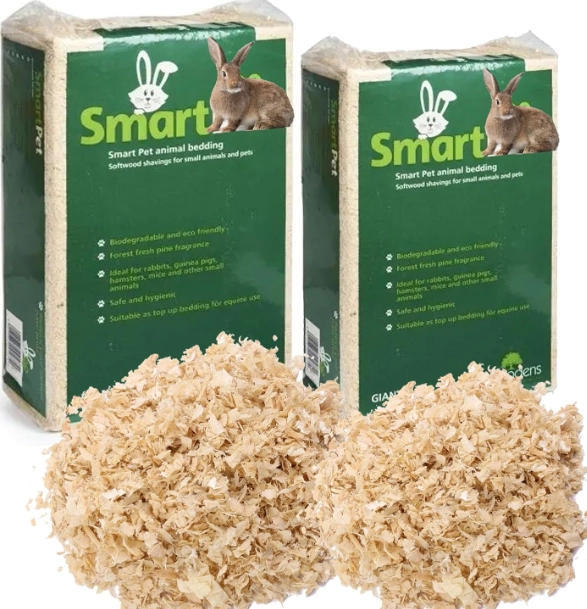
For us, it smells "fresh." For your rabbit, it's an irritant. Inhaling these compounds can cause inflammation in the delicate lining of their respiratory tract. Over time, this isn't just about a sneeze or two. Studies, including those referenced by the House Rabbit Society, have linked prolonged exposure to these phenols with elevated liver enzymes and pre-cancerous changes. The liver works overtime to process these foreign chemicals.
I made this mistake early on. My first rabbit, Thumper, developed a persistent, wet-sounding sneeze about a month after I switched to a "premium" cedar blend. The vet visit and antibiotics cost far more than any bedding "savings." I switched his bedding immediately, and the sneezing cleared up within a week. The connection was undeniable.
Wood Type Breakdown: From Dangerous to Decent
So, if cedar is out and pine is questionable, what's left? Let's break down the common types you'll find on shelves.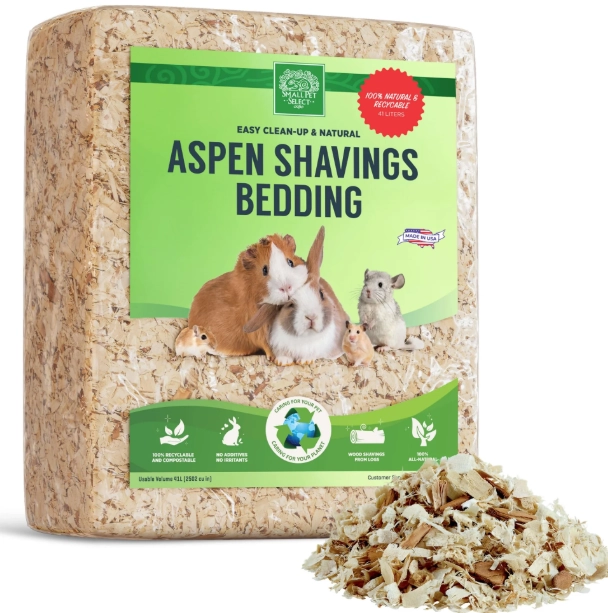
| Wood Type | Safety Rating | Key Things to Know | Best Use Case |
|---|---|---|---|
| Cedar | Avoid | High in phenols. Strong, lingering scent. Linked to respiratory and liver issues. | None for rabbits. |
| Pine (Untreated/Kiln-Dried) | Use with Caution | Traditional pine contains phenols. "Kiln-dried" process aims to remove them, but quality varies. Dust can still be an issue. | Only if it's explicitly labeled "kiln-dried" and you monitor your rabbit closely. Not ideal for long-term use. |
| Aspen | Generally Safe | A hardwood, not a softwood. Contains no aromatic phenols. Softer and less dusty than pine. | The safest wood shaving option. Good for litter boxes or nesting areas. |
| Paper-Based Bedding | Very Safe | Made from recycled paper. Highly absorbent, low dust, and phenol-free. Doesn't control odor as well as wood. | Excellent all-around choice, especially for rabbits with allergies or in enclosed spaces. |
| Hay (Timothy/Orchard) | Excellent & Functional | It's their food! Encourages foraging, is completely safe to ingest, and is absorbent. Can be messy. | Perfect for layering over other bedding or as the primary material in a litter/hay combo setup. |
The "kiln-dried pine" label is where many owners get tripped up. The theory is that the high heat drives off the volatile phenols. In practice, the process isn't always perfect or consistent across manufacturers. I've opened bags labeled kiln-dried that still had a strong pine smell—a red flag. If you can smell it, the phenols are likely still present.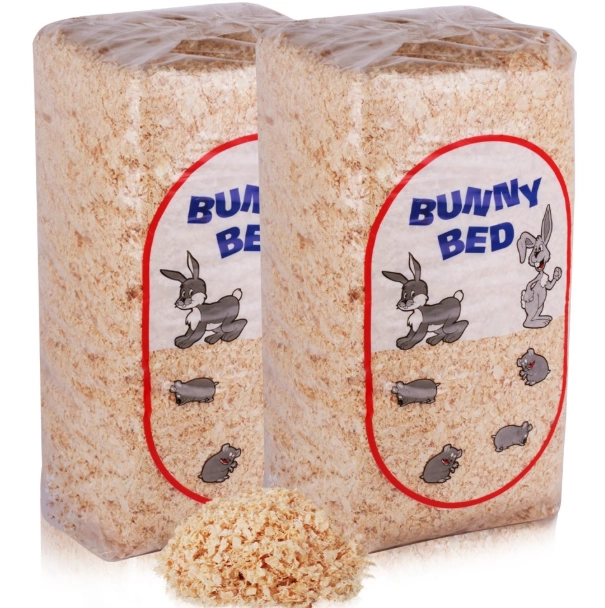
How to Choose and Use Wood Shavings Safely (If You Do)
Let's say you've decided to try aspen shavings, or you have a bag of kiln-dried pine you want to use up. Here's how to minimize risks, based on hard lessons learned.
Step 1: The Bag Inspection
Don't just grab and go. Give the bag a gentle squeeze near the top (not enough to burst it). Does a cloud of fine dust puff up inside the plastic? High dust content means potential respiratory irritation. Next, if possible, check the material through the plastic window. Look for uniform shavings, not a mix of fine powder and large splinters.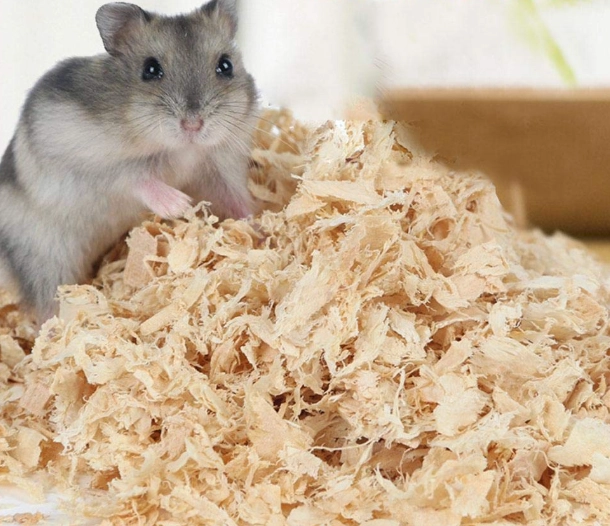
Step 2: The Smell Test
This is critical. When you open the bag at home, take a deep whiff. You should smell a mild, earthy, woody scent. If you get a strong, perfumey, or "clean" scent reminiscent of a hamster cage or cleaning product, stop. That indicates added chemicals, fragrances, or, in the case of pine, insufficient processing. Your rabbit's nose is infinitely more sensitive.
Step 3: Preparation is Key
Never pour shavings straight from the bag into the hutch. I always pre-sift mine. Here's my method: I take a large, clean plastic storage tub and pour the shavings in. Then, wearing a dust mask myself, I gently toss and fluff them, letting the finest dust settle. I then scoop from the top for use. The dusty residue at the bottom gets discarded (or used in the garden). It feels wasteful, but it's cheaper than a vet bill for respiratory infection.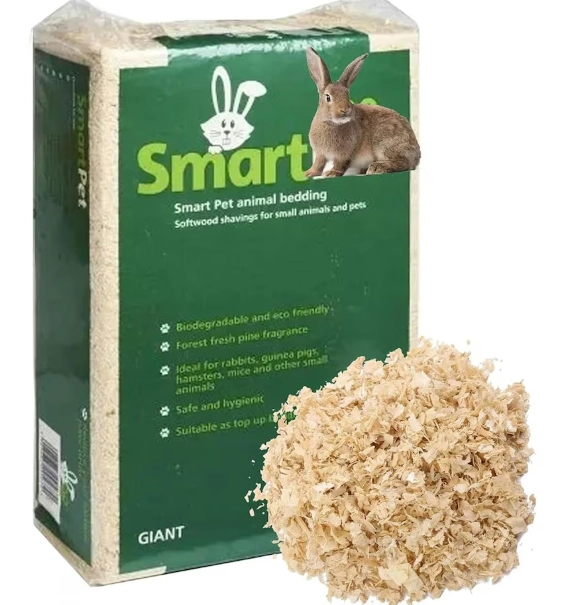
Step 4: Observe Your Rabbit
For the first week with any new bedding, be hyper-observant. Is your rabbit sneezing more? Do you hear any wheezing or clicking sounds when they breathe? Are they scratching their nose or face excessively? Any change in energy or appetite? If you see any of these signs, remove the bedding immediately and revert to a known-safe option like plain hay or paper.
Looking Beyond the Bag: Why Wood Shavings Aren't the Holy Grail
Even the safest wood shavings have drawbacks that make them a secondary choice for many experienced owners.
Absorbency is mediocre. Compared to paper pellets or certain compressed wood products, loose shavings don't lock away moisture as effectively. This can lead to damp patches and a quicker buildup of ammonia from urine, which is itself a respiratory irritant.
It's not edible. This might seem obvious, but rabbits explore with their mouths. They will inevitably ingest some bedding. Ingesting aspen is inert and likely to pass through, but it provides zero nutritional value. Contrast this with using a thick layer of Timothy hay as bedding—they can eat and bed in the same material, which is natural and enriching.
The dust is ever-present. Even low-dust varieties create some particulate matter. In a well-ventilated room, it's less of an issue. In a bedroom or a poorly circulated space, that dust hangs in the air.
My personal shift was away from shavings entirely. I now use a base of recycled paper pellets in the litter box, covered with a generous heap of Timothy hay. The pellets are super absorbent and odor-controlling, and the hay encourages good litter habits (they like to graze while they... do their business). It's a bit more expensive upfront, but the cage stays fresher longer, and I have complete peace of mind.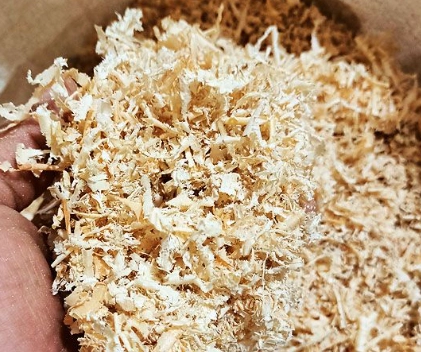
Your Top Bedding Questions, Answered
My rabbit keeps sneezing since I switched to pine shavings. What should I do first?
Are "dust-extracted" or "99% dust-free" labels on wood shavings trustworthy?
Can I use wood shavings from my own property (like from pruning apple trees) for my rabbit's bedding?
How often should I completely change out wood shaving bedding compared to paper pellets?
My local store only sells pine and cedar. What's my emergency alternative?
Reader Comments