Choosing the right bedding for an outdoor rabbit hutch isn't just about comfort—it's a critical health and safety decision. I've seen too many well-meaning owners get this wrong, leading to damp, miserable bunnies or, worse, respiratory issues and sore hocks. Outdoor conditions add layers of complexity that indoor setups simply don't face: rain, wind, temperature swings, and higher humidity. Your bedding choice is the first line of defense. This guide cuts through the confusion, comparing every material from cheap straw to high-tech pellets, and gives you the actionable steps to create a dry, warm, and enriching environment for your rabbit, no matter the season.
Your Quick Navigation Guide
- Why Outdoor Bedding is a Whole Different Game
- The Great Outdoor Bedding Materials Showdown
- How to Set Up Bedding in Your Outdoor Hutch: A Step-by-Step System
- Seasonal Bedding Strategies: Summer vs. Winter
- 5 Common (and Costly) Outdoor Bedding Mistakes to Avoid
- Your Top Outdoor Bedding Questions, Answered
Why Outdoor Bedding is a Whole Different Game
Think of your rabbit's hutch as a tiny, vulnerable house exposed to the elements. The primary job of outdoor rabbit bedding shifts dramatically. It's not just about absorbing urine anymore. The core missions become:
- Moisture Management: This is king. Outdoor air is more humid, dew forms, rain can blow in. Bedding must wick moisture away from the rabbit and provide a lofty, dry layer that doesn't compact into a wet mat. A damp sleeping area is an invitation for hypothermia in winter and flystrike in summer.
- Insulation: Rabbits tolerate cold better than heat, but a cold, damp draft is deadly. Good bedding traps warm air from the rabbit's body, creating a microclimate in their sleeping box. In summer, it should allow for air circulation to prevent overheating.
- Durability: Outdoor bedding needs to hold its structure longer between changes. You're not just dealing with waste; you're battling environmental moisture and the rabbit's natural digging and rearranging instincts.
I made a mistake early on using a thin layer of paper bedding meant for indoor cages. One rainy, breezy night and it was soaked through, leaving my rabbit shivering in a corner. That was the lesson: indoor solutions fail outdoors.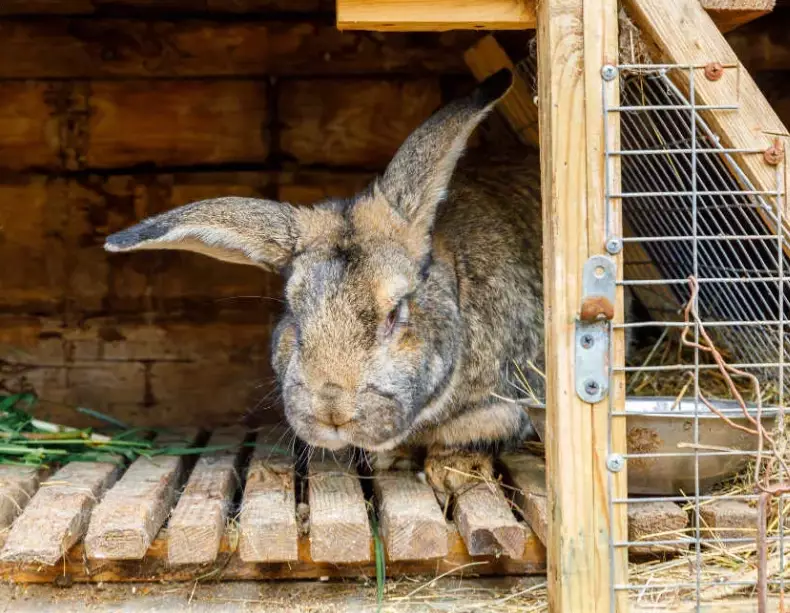
The Great Outdoor Bedding Materials Showdown
Let's break down the contenders. This isn't about a single "best" material, but about finding the right tool—or combination of tools—for the job. A common expert recommendation, echoed by resources like the House Rabbit Society, is to use a combination of absorbent and insulating layers.
| Material | Best For... | Pros | Cons & Watch-Outs | Cost & Frequency |
|---|---|---|---|---|
| Straw | Top insulating layer in sleeping areas. Winter use. | Excellent insulator, cheap, encourages nesting, long-lasting structure. | Poor absorbency. Not edible like hay. Can be dusty or moldy if low quality. Must be kept bone dry. | Low cost. Shake out and replace top layer weekly, full change bi-weekly. |
| High-Quality Grass Hay (Timothy, Orchard) | Bottom absorbent layer, or main bedding in drier climates/sheltered hutches. | Edible, encourages foraging, moderately absorbent, familiar scent. | Can be expensive as bedding, less insulating than straw, compacts easier when wet. | Medium cost. Spot-clean soiled areas daily, full change weekly. |
| Aspen Wood Shavings | Primary absorbent base layer under straw or hay. | Good absorbency, controls odor, low dust (vs. pine/cedar), affordable. | Little insulating value on its own. Can be kicked out of hutch easily. Must ensure it's kiln-dried. | Low-Medium cost. Full change weekly, more often in wet weather. |
| Paper-Based Bedding (Carefresh & similar) | Highly absorbent base layer, or for rabbits with respiratory sensitivities. | Superb absorbency, very low dust, soft, good odor control. | Can be expensive for large hutches. Loses fluff when wet, turning soggy. Not insulating. | High cost. Full change weekly. |
| Wood Pellets (Stove/Feline Pine) | The ultimate moisture-wicking base layer, especially for damp climates. | Exceptional at locking away moisture, expands into sawdust, ultra-long-lasting, cheap in bulk. | Hard and uncomfortable as a top layer. Must be topped with a thick layer of soft hay or straw. Slight woody smell some dislike. | Very Low cost (in bulk). Can last 2-4 weeks before full change. |
My Go-To Layered System: For my own rabbits in a temperate, rainy climate, I use a 1-inch base of wood pellets in the sleeping area, covered by a 2-inch layer of aspen shavings for immediate absorption, topped with a huge, fluffy mound of straw for insulation and nesting. In the main run area, it's just aspen and hay for foraging. This system keeps them dry for over a week, even in drizzle.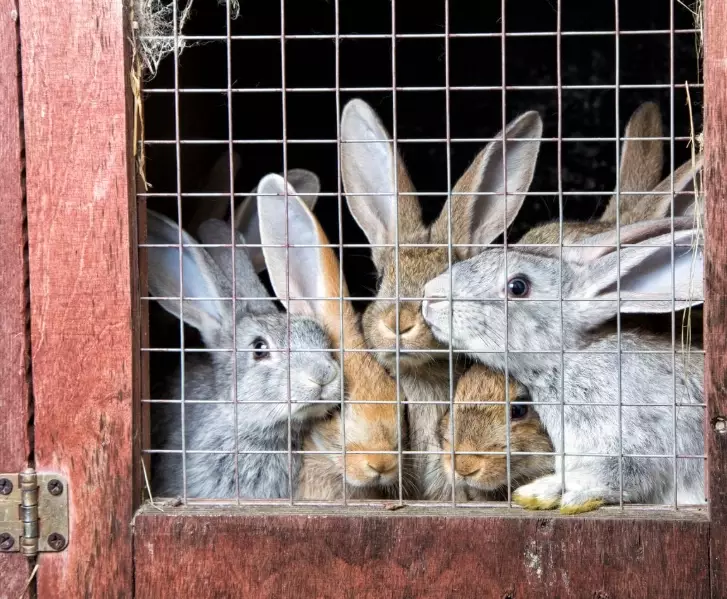
The Materials to Ban From Your Hutch
Cedar and Pine Shavings (untreated): This is the hill I'll die on. The aromatic phenols in these softwoods can cause liver damage and respiratory irritation over time. While kiln-drying reduces phenols, why risk it when aspen is safer? I've seen rabbits with chronic sniffles clear up within days of switching from pine to paper or aspen.
Fabric Towels or Blankets: They seem cozy but are a disaster outdoors. They absorb moisture and stay wet, freeze solid in winter, and if ingested, can cause fatal gut blockages.
Cat Litter, Corn Cob, or Sawdust: Too dusty, risky if eaten, and poor at moisture management.
How to Set Up Bedding in Your Outdoor Hutch: A Step-by-Step System
Randomly throwing in some hay doesn't cut it. Here's a methodical approach that works.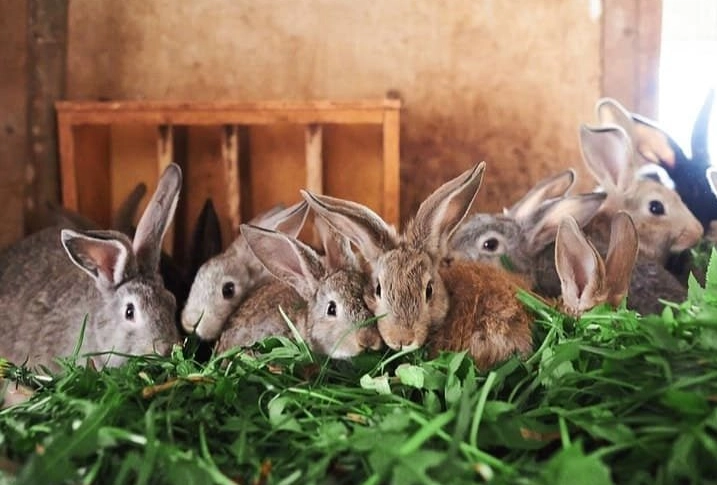
Step 1: Deep Clean & Dry. On change day, remove everything. Scrub the hutch floor and sleeping box with a vinegar-water solution (1:1). This disinfects without toxic fumes. Rinse and let it completely air dry. A damp floor undermines all your bedding efforts.
Step 2: The Base Layer (Moisture Lock). In the enclosed sleeping area, spread your absorbent base. For most, this is a 1-2 inch layer of aspen shavings or paper bedding. In very damp climates, consider a scant half-inch of wood pellets first—they're magic for pulling moisture down.
Step 3: The Insulating Layer (Warmth & Comfort). Pile on at least 4-6 inches of loose, fluffy straw in the sleeping box. Don't pack it down; the air pockets are what provide insulation. Make a deep "nest" bowl in the center.
Step 4: The Foraging Layer (Enrichment). In the main run area, spread a mix of grass hay and a thinner layer of bedding. This encourages natural grazing behavior throughout the day.
Step 5: Daily & Weekly Upkeep. This is non-negotiable. Every day, remove obvious wet patches and soiled hay. Once a week, replace all the straw and top up the base layer. A full strip-down clean should happen every 2-4 weeks, depending on your materials and weather.
The Sniff Test: Your nose is a great tool. A healthy hutch with good bedding should smell mildly of hay and wood. A strong ammonia smell means the bedding is failing—it's soaked with urine and needs changing immediately. Ammonia burns lungs and attracts flies.
Seasonal Bedding Strategies: Summer vs. Winter
Your approach should change with the thermometer.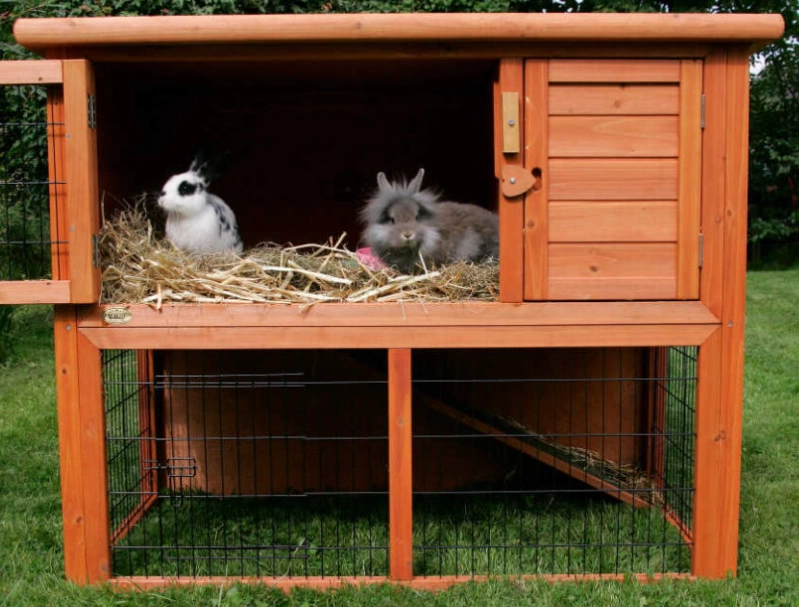
Winter Bedding: Insulation is the goal. Double or triple the amount of straw in the sleeping box. You can literally pack it 8-10 inches deep. Ensure the hutch is weatherproofed with covers, but keep ventilation at the top to prevent condensation. Check bedding moisture twice daily in freezing weather—damp straw loses all insulating properties and can freeze around the rabbit. Some owners use microwaveable heat pads (wrapped in thick towels) for extreme cold, but proper deep bedding is the primary solution.
Summer Bedding: Moisture control and fly prevention are critical. You can use slightly less straw. Focus on a highly absorbent base layer to keep the surface dry and prevent flystrike (where flies lay eggs on damp fur). Consider adding a thin layer of dried, pet-safe herbs like lavender or mint to the straw—it smells nice and may mildly deter insects (but is no substitute for cleanliness). Increase the frequency of spot-cleaning; in heat, urine-soaked bedding becomes a bacterial playground overnight.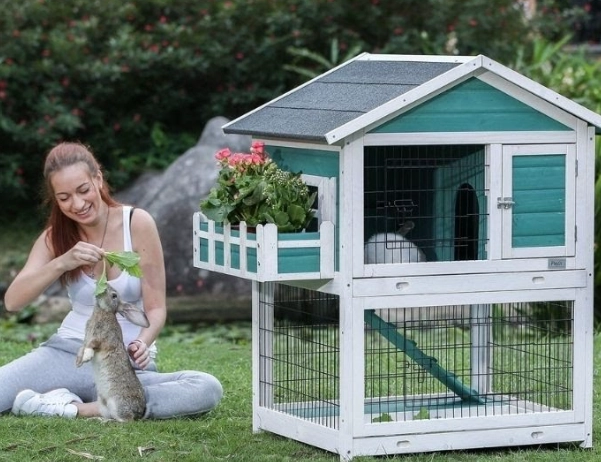
5 Common (and Costly) Outdoor Bedding Mistakes to Avoid
- Using Straw and Hay Interchangeably: Hay is food. Straw is bedding. Using hay alone as bedding is expensive and it gets eaten and soiled too quickly, leaving no insulation. Using straw alone provides no absorbent cushion against urine.
- Skimping on Depth: A thin layer is useless. It gets saturated immediately, compacts, and provides zero insulation. Be generous, especially in the sleeping area.
- Ignoring the Sleeping Box: The open run area is one thing, but the enclosed box is where your rabbit spends vulnerable hours resting. This is where your bedding strategy must be most robust and deep.
- Assuming "Natural" Means Safe: That moss, leaves, or grass clippings from your yard can harbor mold, pesticides, or parasites. Never use foraged materials unless you are 100% certain of their source and safety.
- Letting Bedding Touch the Hutch Walls: In poorly sealed wooden hutches, moisture can wick from damp walls into the bedding. Keep the main bedding mound centered, with a small gap from the walls if possible.
Your Top Outdoor Bedding Questions, Answered
Can I use the straw bales I get from a local farm for decoration as rabbit bedding?
How often should I completely change the bedding in my outdoor hutch?
My rabbit keeps kicking all his bedding out of the sleeping box. What can I do?
Is it okay to use fleece liners outdoors like I see for indoor cages?
What's the first sign my bedding system is failing?
Reader Comments