Let's be honest. A smelly rabbit cage is the single biggest turn-off for potential and current bunny owners. That sharp, eye-watering ammonia scent isn't just unpleasant—it's a red flag for your rabbit's health. I've been raising rabbits for over a decade, and I've made every odor-control mistake in the book. I once thought a deep layer of pine shavings was the answer, only to find the smell came back faster than ever. The truth is, controlling rabbit bedding odor isn't about masking smells with perfumes or cleaning frantically. It's a system. It's about understanding why the odor happens and attacking it at the source: urine management.
In This Article
- The Science of the Smell: It's Not Just Pee
- The Great Bedding Battle: Your Material Choices Ranked
- The Odor-Proof Cleaning Routine (Step-by-Step)
- Beyond the Bedding: The Hidden Factors
- Your Rabbit Odor Questions, Answered
The Science of the Smell: It's Not Just Pee
You clean the cage, and two days later, that familiar sting is back. Why? Rabbit urine is highly concentrated with urea. When urea breaks down, it releases ammonia gas. This process is sped up by bacteria and warmth. So, a warm room with damp bedding is basically a ammonia factory.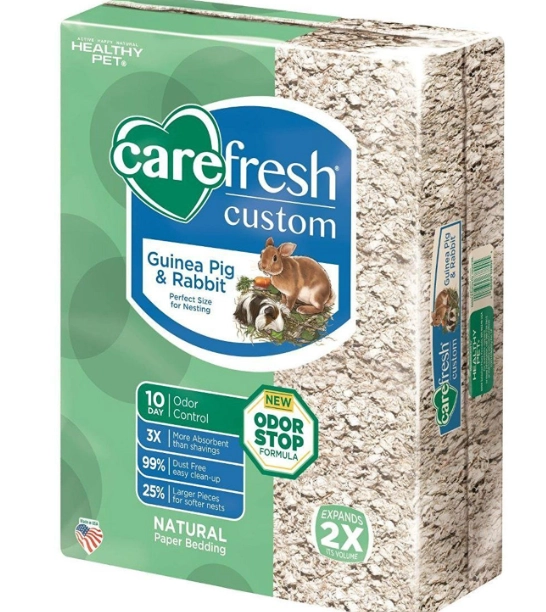
But here's the part most guides miss: the pH level of your rabbit's urine plays a huge role. Diets high in calcium (like alfalfa hay for adult rabbits) can lead to thick, chalky urine that leaves residue and smells stronger. The bedding's job isn't just to absorb liquid; it's to lock away those urea crystals and keep the bacterial breakdown to a minimum.
The Great Bedding Battle: Your Material Choices Ranked
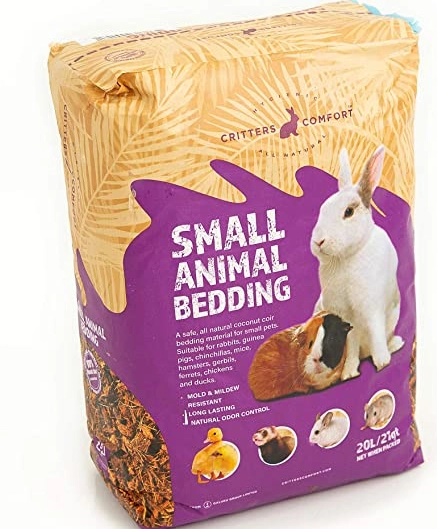
Walk into any pet store, and you're bombarded with options. Not all are created equal. Forget the marketing; let's talk about real-world performance for odor control.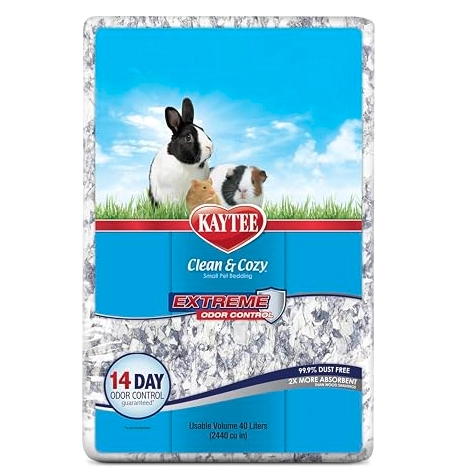
| Bedding Type | Odor Control Ability | Why It Works (Or Doesn't) | Biggest Downside |
|---|---|---|---|
| Paper-Based Pellets | Excellent | Super absorbent, locks moisture into pellets, minimal dust, slows ammonia formation. | Can be more expensive upfront, less soft for nesting. |
| Aspen Wood Shavings | Very Good | Good absorption, natural wood helps neutralize odors, safe for rabbits. | Can be messy, may not control odor as long as pellets. |
| Hemp Bedding | Good to Very Good | Highly absorbent, natural, often has a pleasant earthy smell that masks odors. | Availability and cost can vary widely by region. |
| Recycled Paper Fluff | Fair | Soft and absorbent initially, good for nesting areas. | Can get soggy and matted quickly, leading to faster odor if not changed often. |
| Pine or Cedar Shavings (Kiln-Dried) | Poor - AVOID | The strong scent masks odor, which is the problem. It doesn't solve it. | Phenols in the wood can cause liver damage and respiratory issues. The House Rabbit Society strongly advises against it. |
My personal workhorse? A base layer of paper pellets in the main litter area, topped with a handful of aspen in the corner my rabbit, Thistle, chooses for her "bedroom." The pellets handle the heavy lifting, and the aspen gives her a comfy spot. This combo stretches full-cage cleanings to a full week.
The Litter Box: Your Secret Weapon
Rabbits can be litter trained. This is your #1 odor-control hack. Confine the mess to one corner. Use a large cat litter box (no lid) with a generous layer of your chosen absorbent bedding. Underneath, I place a thin layer of non-clumping, dust-free cat litter (like Yesterday's News) or a pee pad designed for small animals. This provides a final moisture barrier for the plastic box. Never use clumping cat litter—it's dangerous if ingested.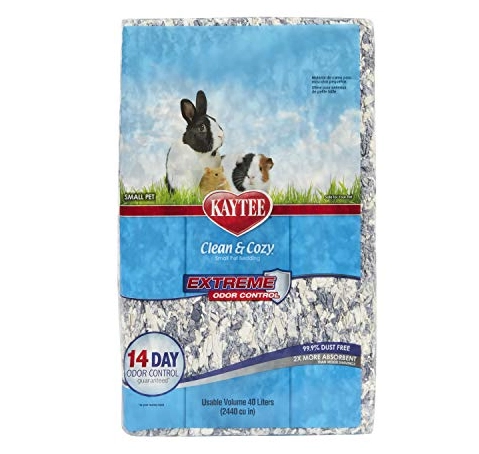
The Odor-Proof Cleaning Routine (Step-by-Step)
Consistency beats intensity. A quick daily routine prevents the weekly deep-clean from being a nightmare.
The Daily (2-minute) Scoop: Every morning, I remove wet spots and soiled hay from the litter box. I use a small metal sieve or cat litter scoop. I add a fresh handful of clean bedding to the spot. That's it. This disrupts the urea-to-ammonia cycle before it starts.
The Twice-Weekly Refresh: Every 3-4 days, I empty the entire litter box. I wipe it down with a 50/50 mix of white vinegar and water. Vinegar neutralizes the alkaline salts in rabbit urine. Rinse thoroughly, dry, and refill with fresh bedding. The whole box takes 5 minutes.
The Weekly Deep Clean: This is for the entire enclosure (hutch or pen).
- Remove everything: Rabbit, hideouts, bowls, toys.
- Dispose of all old bedding.
- Scrub: Use the vinegar/water solution and a scrub brush on every surface. Pay attention to corners where urine can splash. For stubborn white calcium deposits, let the vinegar sit for a few minutes.
- Rinse & Dry Completely: Any dampness will make new bedding soggy fast. I use an old towel.
- Rebuild: Fresh bedding everywhere, litter box prepped, and everything put back.
Beyond the Bedding: The Hidden Factors
You can have the best bedding and routine, but if these factors are off, you'll still lose the smell war.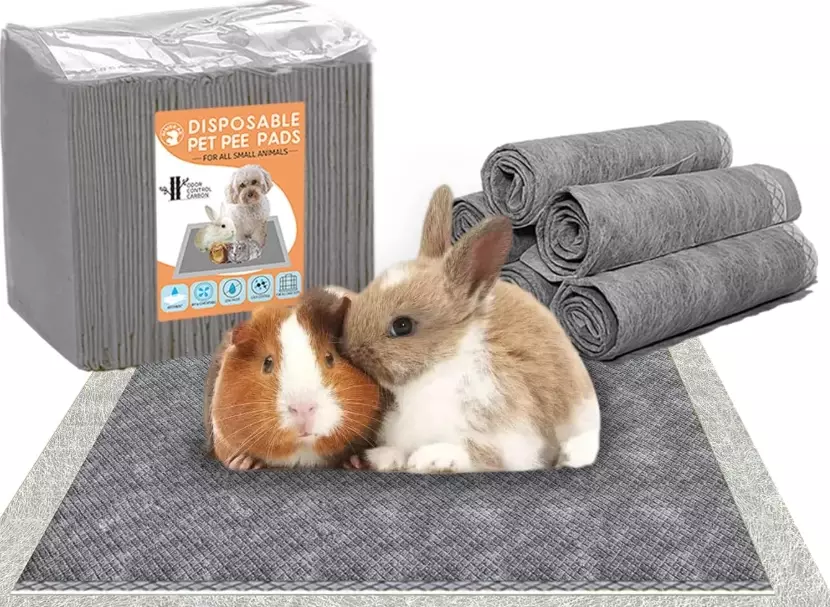
Diet is 40% of the Battle. What goes in determines what comes out. Unlimited timothy hay (or orchard grass) promotes healthy digestion and normal urine. Limit high-calcium greens like kale and spinach. Ensure your rabbit is drinking enough water—a dirty water bottle can reduce intake, leading to more concentrated urine. I add a plain ceramic bowl of water alongside the bottle; many rabbits drink more from a bowl.
Ventilation vs. Draft. A stagnant, warm corner is a smell incubator. The enclosure needs airflow, but not a direct cold draft. A small, safe fan circulating air in the room can work wonders.
Spaying/Neutering. This is non-negotiable for long-term odor control. Unfixed rabbits use urine to mark territory. The urine of an intact rabbit is far more pungent and persistent. It's a stronger, muskier smell that bedding alone can't manage.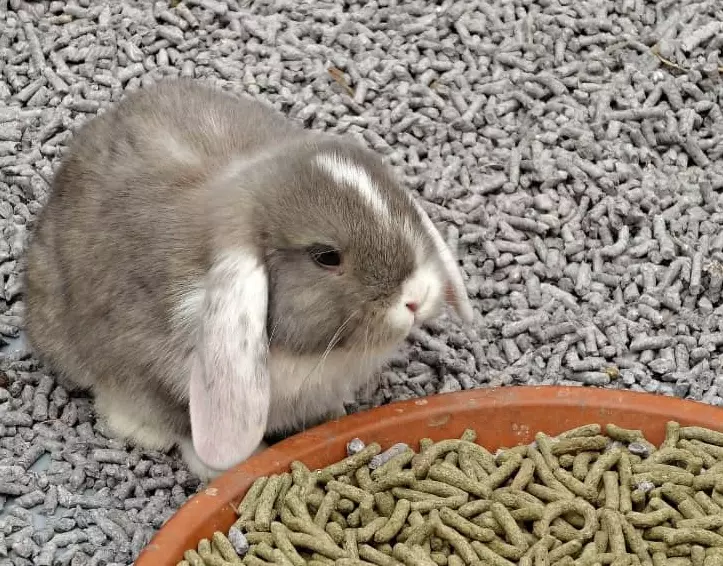
Your Rabbit Odor Questions, Answered
My rabbit's litter box smells terrible just one day after cleaning. What am I doing wrong?
You're likely not using enough bedding, or the type isn't absorbent enough. For a standard litter box, you need at least 2-3 inches of compressed paper pellets or a thick layer of aspen. A thin layer gets saturated instantly, leaving urine pooled at the bottom where it breaks down fastest. Try doubling your bedding depth first.
Are odor-control sprays or baking soda safe to use in my rabbit's cage?
Avoid commercial sprays. The perfumes and chemicals are respiratory irritants for rabbits. Baking soda is a mild risk if inhaled in large quantities (dust) and isn't very effective when just sprinkled. The safest odor neutralizer is plain white vinegar used during cleaning. For a lingering fresh scent, place a small bowl of activated charcoal (secured where the rabbit can't tip it or eat it) near, but not inside, the enclosure.
I use fleece liners because they're reusable. Why do they start to stink so quickly?
Fleece is not absorbent—it wicks moisture through to the layer below. If that layer (usually towels or u-haul pads) isn't thick enough or changed daily, the urine sits against the waterproof barrier, creating a warm, damp, smelly environment. With fleece, you must change the absorbent layer every single day without fail. For most people, this makes it a higher-maintenance option, not a lower one.
My rabbit's pee is sometimes cloudy and thick. Does this make odor worse?
Yes, significantly. That's excess calcium being excreted. It leaves a hard, chalky residue that traps odor and is difficult to clean. For an adult rabbit (over 7 months), switch from alfalfa hay to grass hay (timothy, orchard, meadow). Review your pellet brand—it should be timothy-based, not alfalfa-based, and limited to about 1/4 cup per 5 lbs of body weight. This single change often reduces odor intensity by half.
The goal isn't a sterile, scent-free environment—that's impossible with a living animal. The goal is a clean, fresh-smelling space where any earthy smell is neutral and pleasant, not sharp or overwhelming. It comes down to smart bedding choice, a proactive cleaning rhythm, and supporting your rabbit's health through diet. Start with the litter box and the diet. Get those right, and you've already won most of the battle.
Reader Comments