So your Flemish Giant doe might be pregnant. First thing: take a breath. The gestation period for these gentle giants is remarkably consistent, typically lasting between 28 and 31 days. That's just about a month from breeding to birth. But knowing the timeline is only 10% of the battle. The real work—and the part most guides gloss over—is understanding the subtle shifts in her needs during those four weeks and being prepared for the big day. I've bred Flemish Giants for over a decade, and I can tell you, treating a pregnant doe like just another rabbit is the fastest way to run into problems. Her size alone changes everything about her care. Let's walk through exactly what to expect and, more importantly, what to do.
What You'll Find in This Guide
How Long Are Flemish Giants Pregnant? Factors That Matter
You'll see the 28-31 day range everywhere. It's accurate. But here's what nobody talks about: in my experience, first-time does (especially young ones) often go closer to the 31-32 day mark. It's like their bodies are figuring it out. Older, experienced mothers tend to be clockwork at 30 days. Litter size plays a role, too, though it's less dramatic than in some animals. Larger litters (and Flemish Giants can have 6-12 kits) might prompt a slightly earlier delivery, sometimes on day 28 or 29.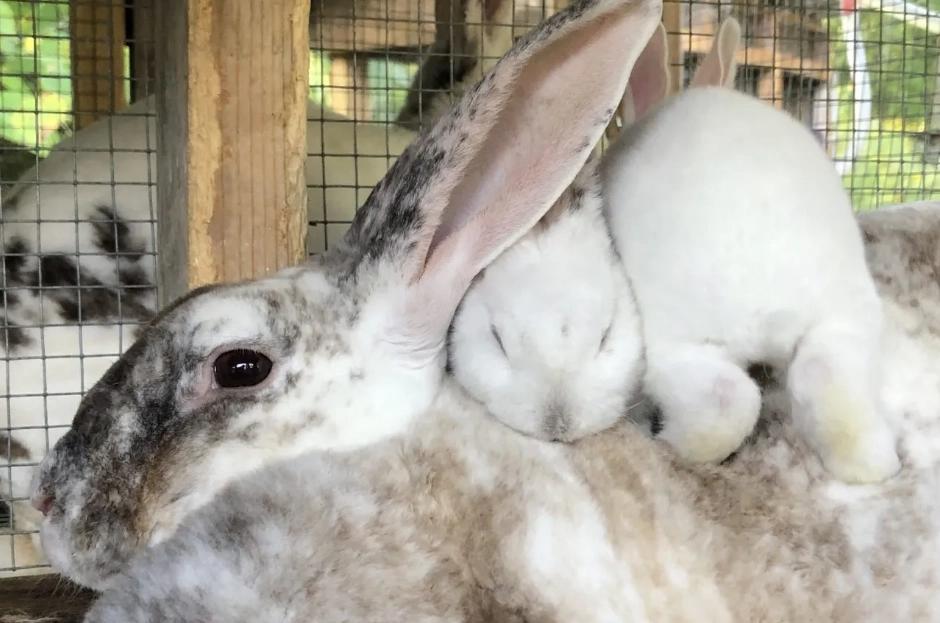
The biggest mistake I see? People marking the breeding date wrong. If you didn't witness a definite fall-off (where the male literally falls over backwards), the breeding might not have been successful on that attempt. Always note the date, but be prepared for a couple days of wiggle room.
Pro Tip: Don't palpate (feel for babies) unless you've been shown how by a vet or very experienced breeder. It's easy to mistake fecal pellets for kits or, worse, injure the developing litter. Around day 10-14, a skilled person can feel marble-sized embryos, but when in doubt, wait for visible signs.
How does this compare to other rabbits? It's useful context.
| Rabbit Size / Breed | Average Gestation Period | Notes |
|---|---|---|
| Flemish Giant | 28 - 31 days | Consistent due to large breed standardization. |
| Small Breeds (e.g., Netherland Dwarf) | 28 - 31 days | Similar range, but kindling can be quicker. |
| Medium Breeds (e.g., Rex) | 28 - 32 days | The most common range for domestic rabbits. |
| Meat/Commercial Breeds | Often 31-32 days | Selectively bred for predictability. |
The takeaway? Your Flemish Giant isn't an outlier. Her timeline is standard rabbit biology. The challenge is scaling care for her massive frame.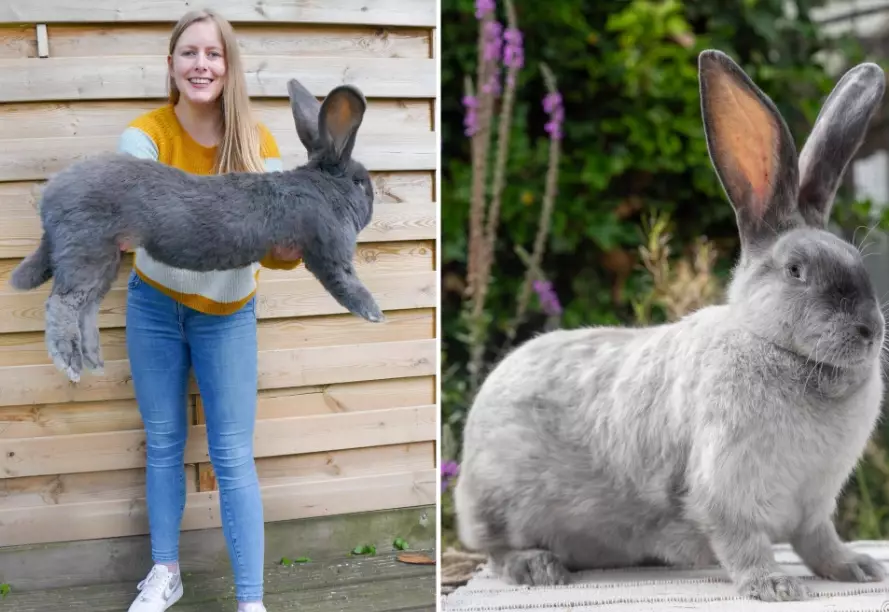
Spotting the Signs: Is Your Flemish Giant Rabbit Pregnant?
Rabbits are masters of hiding illness and pregnancy. For the first two weeks, you might notice nothing. Then, the clues start stacking up.
Behavioral Changes (Weeks 1-2)
She might become unusually territorial or even aggressive about a week in. A normally sweet doe might grunt, box, or refuse to be petted. Conversely, some become extra affectionate. I had one doe, Bella, who would demand constant chin rubs during her pregnancies. Appetite changes are a huge tell. A pregnant doe's metabolism kicks into high gear. You'll see her eating more hay, pellets, and greens with a real purpose. A drop in appetite, however, is a red flag and warrants a vet call.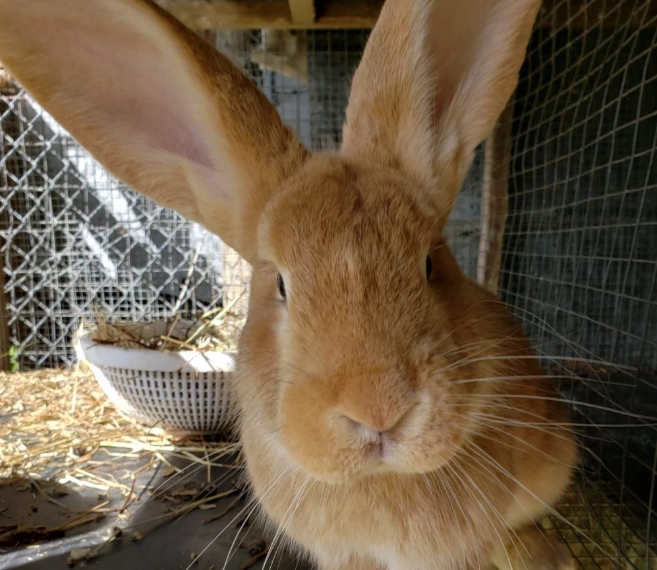
Physical Changes (Weeks 3-4)
This is where it gets obvious. Around day 21, her abdomen will start to swell. Don't expect a perfectly round ball—it's more of a general widening and fullness on both sides. By week 4, you might see the kits moving. Watch her flank when she's resting; you could see faint ripples or kicks. Her mammary glands will develop about 2-3 days before kindling (birth). The skin around her nipples will lose its fur, and the nipples themselves will become pinker and more prominent.
The Nesting Instinct
24-48 hours before giving birth, she'll get serious about nesting. This is the most reliable sign. She'll frantically gather hay (and anything else she can find—beware of loose towels or carpets!), and use her teeth to pull fur from her dewlap, chest, and belly to line the nest. The amount of fur can be staggering—enough to fill a large cereal bowl. If you see this, the countdown has truly begun.
Essential Care During Flemish Giant Rabbit Gestation
This is the meat of it. Caring for a 15+ pound pregnant rabbit isn't just "more of the same."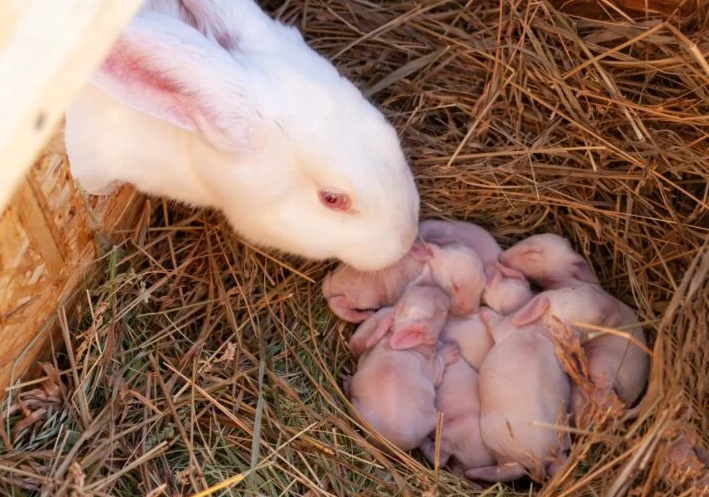
Diet and Nutrition: Fueling Growth
Around week 3, you must increase her food. Not just more pellets—that can cause obesity. Focus on quality and variety.
- Unlimited Grass Hay: Timothy or orchard grass should always be available. It's crucial for digestion and fiber.
- Increased Alfalfa: Here's the non-consensus part. Many say avoid alfalfa due to high calcium. I disagree for pregnant/nursing Giants. From week 3 until kits are weaned, I mix in alfalfa hay or offer it separately. The extra protein and calcium support fetal growth and milk production. Just monitor her urine; if it gets chalky, scale back.
- Greens and Vegetables: Up the daily portion. Dandelion greens, kale, romaine lettuce, and cilantro are excellent. They provide vitamins and hydration.
- Pellets: A high-fiber pellet (16-18% fiber) is key. Increase her daily portion by about 25% in the final week. Always choose a plain pellet, no colorful mixes or seeds.
Fresh, clean water is non-negotiable. A nursing doe will drink over a liter a day. Use a heavy bowl she can't tip and a bottle as a backup.
Housing and Environment: Peace and Space
Stress can cause pregnancy loss. Her enclosure must be secure, quiet, and spacious. A standard cage won't cut it. A pregnant Flemish Giant needs room to stretch out and move comfortably. If she's in a hutch, ensure it's predator-proof and weather-protected. Keep other pets and loud noises away from her area. Minimize handling, especially in the final week. If you must lift her, fully support her hindquarters to avoid spinal strain.
Preparing the Nesting Box
Introduce the nesting box on day 28. Not earlier, or she'll use it as a toilet. Not later, or she might kindle on the bare floor.
- Size: For a Flemish Giant, think big. At least 18" x 24" with 8-10" high sides and one lower entrance side.
- Material: Wood or sturdy plastic. Line the bottom with newspaper or a puppy pad for moisture control.
- Fill it: Add a generous layer of soft hay (timothy or orchard). Once she starts pulling fur, she'll arrange it all herself. Don't touch it unless absolutely necessary.
Kindling Day and Postnatal Care for Mother and Kits
Kindling usually happens at night or in the early morning. It's fast—often over in 15-30 minutes. She'll clean each kit and sever the umbilical cord. Your job is to observe from a distance.
Do not disturb her. Wait at least 6-8 hours before a quiet check. Peek into the nest. You should see a fur mound with wriggling kits inside. Count them if you can without disturbing the nest. Remove any obviously stillborn kits (cold, lifeless) with a spoon. The mother will likely eat the placenta—this is normal and provides nutrients.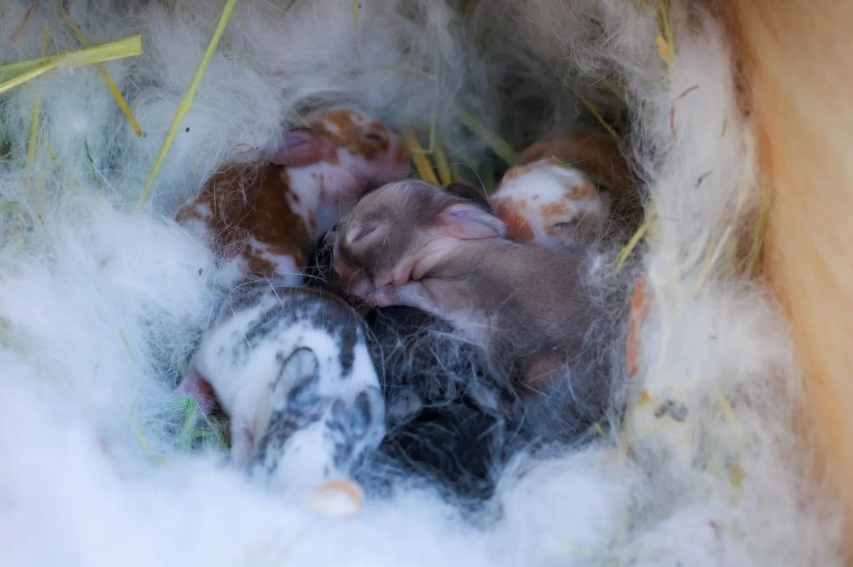
Post-Kindling Check
Ensure the doe is eating, drinking, and passing droppings normally. Offer her favorite treats—parsley, a small piece of apple. She needs to replenish. Check that all kits are in the nest and covered in fur. Sometimes a first-time mom gets it wrong and kits end up outside the nest. If they're cold, warm them gently in your hands and place them back deep in the fur.
When to Call the Vet Immediately: If the doe is straining for over 30 minutes with no kit produced, if there's excessive bleeding, if she seems lethargic or refuses food/water post-birth, or if you suspect a kit is stuck.
Your Flemish Giant Pregnancy Questions Answered
Raising a litter of Flemish Giants is a profound experience. Their gestation is a short but critical window where your care directly shapes the health of the mother and her kits. Pay attention to the details—the quality of her hay, the peace in her environment, the timing of that nesting box. It makes all the difference. For ongoing support, the House Rabbit Society website is an invaluable, vet-reviewed resource for any rabbit health question.
Reader Comments