You've confirmed your doe is pregnant (or strongly suspect she is). The waiting begins. Unlike dogs or cats with more predictable timelines, rabbit pregnancy can feel like a mystery, especially for first-time owners. The gestation period averages 31 days, but it can range from 28 to 35 days. That's a whole week of potential "any day now" anxiety. Watching for subtle signs is the key to moving from guesswork to confident preparedness. Missing the cues isn't just stressful for you; it can impact the safety of the mother (doe) and her soon-to-arrive kits.
I've bred rabbits for over a decade, and I've seen the full spectrum—from the textbook perfect birth to the panicked midnight delivery I wasn't ready for. The difference was knowing what to look for. This guide distills that experience into a clear, actionable timeline of signs that tell you your rabbit is close to giving birth.
What to Expect in This Guide
- The Final Week Timeline: From Subtle Hints to Hard Signs
- Physical Changes in the Pregnant Doe
- Unmistakable Behavioral Shifts Before Labor
- The Big One: Understanding Nesting Behavior
- On the Day: Signs Active Labor is Starting
- Your "Get Ready" Checklist: What to Do When You See the Signs
- Your Questions Answered (Beyond the Basics)
The Final Week Timeline: From Subtle Hints to Hard Signs
Think of the last week of pregnancy as a countdown where the signals get louder. Here’s a rough breakdown of when you might notice key changes. Remember, every rabbit is an individual. Some does follow this pattern closely; others, especially first-time moms, might compress the later stages into just a day or two.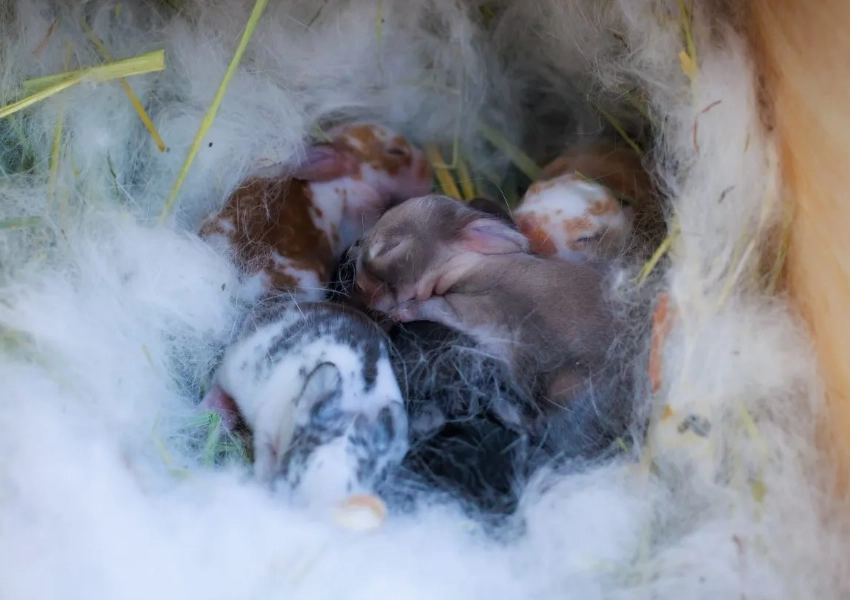
- 7-4 Days Before Birth: Subtle behavioral changes begin. She may seem more reclusive, spend more time in a chosen corner, or show a decreased interest in her usual play. Her appetite might fluctuate.
- 3-2 Days Before Birth: Physical changes become apparent. Her abdomen is noticeably full and firm. You might see her mammary glands developing. This is when she may start casually gathering a bit of hay.
- 24-48 Hours Before Birth: The nesting drive kicks into high gear. This is your most reliable visual cue that birth is very near.
- 0-12 Hours Before Birth: Final preparations. Intense fur pulling, finishing the nest, and often a complete loss of appetite.
- Labor (Kindling): The actual birth process, which is usually quick and private.
A Critical Note on Timing: The single biggest mistake I see new breeders make is assuming "pulling fur = birth in the next hour." While it's a major sign, a doe can pull fur a full day before she actually gives birth. She's preparing the nest's insulation. Don't hover nervously for 24 hours straight. Use it as the signal to ensure her nesting box is perfect and then give her space.
Physical Changes in the Pregnant Doe
Before behavior changes, her body will tell the story. Palpation (gently feeling for embryos) is a skill best learned from a vet or experienced breeder, as it's easy to mistake fecal pellets for babies and cause harm. Instead, focus on these visible signs.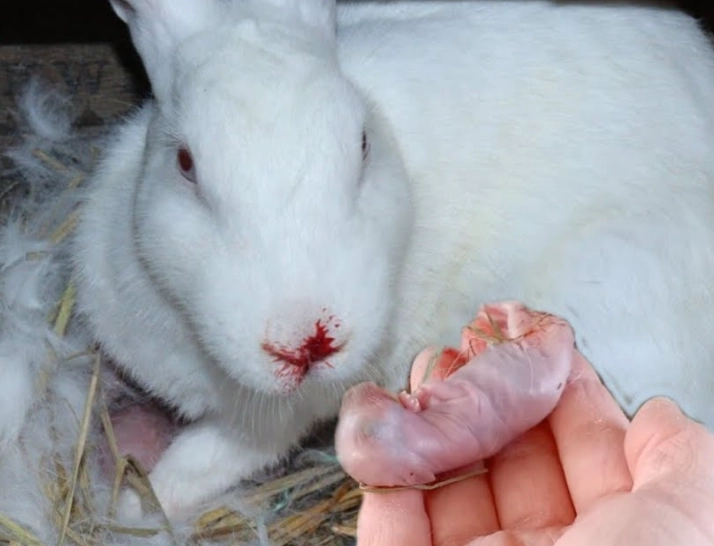
Abdominal Appearance and Palpation Cues
In the final week, her belly will lose its soft, rounded shape and become very distended and firm to the touch. You may even see the outlines of the kits moving if she's lying calmly on her side. She'll look unmistakably pregnant. Avoid constantly picking her up to check, as this adds stress.
Mammary Gland Development
This is a telltale sign often overlooked. A day or two before kindling, her mammary glands (located along her belly) will become more prominent, pinker, and may even feel slightly warm and firm. In some does, you might see a little moisture or milk—a sure sign delivery is within 24 hours. A first-time doe might show less development until right before birth.
Unmistakable Behavioral Shifts Before Labor
Rabbits are prey animals. Instinct tells them to hide vulnerability. As birth nears, this instinct drives everything they do.
You'll notice she becomes less social. The friendly doe who always begged for treats might now retreat to the back of her hutch or enclosure when you approach. She's not being unfriendly; she's seeking security. Her energy levels drop. The zoomies stop. She'll spend more time sitting quietly, often in a spot she's chosen for her nest.
Her eating habits change. She might eat more hay (fiber is crucial) but turn her nose up at favorite greens or pellets. In the last 12-24 hours, it's common for her to stop eating entirely. This always worries new owners, but it's a classic pre-labor behavior across many species. Just ensure fresh water is always available.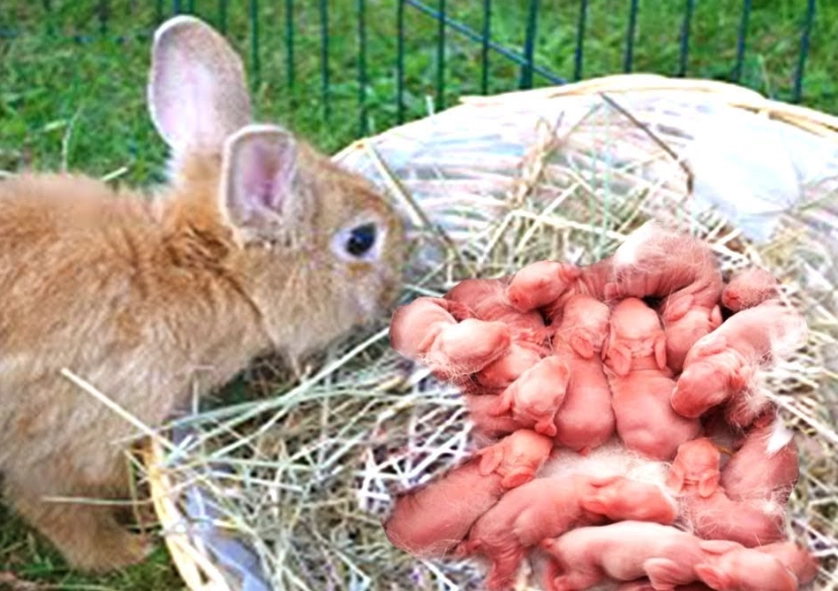
The Big One: Understanding Nesting Behavior
This is the headline act. Nesting behavior is the clearest signal your rabbit knows birth is imminent. It's driven by a powerful hormone surge.
The Two-Stage Process
First, she gathers materials. She'll frantically pick up mouthfuls of hay, straw, or any soft bedding you've provided and carry it to her chosen spot. She might even rearrange her entire living area to suit her vision.
Then, she lines the nest with her fur. This is the iconic image. She will pluck large tufts of fur from her chest, belly, and dewlap (the skin flap under her chin) to create a soft, insulated, and temperature-regulated lining for the kits. The first time you see it, it can look alarming—like she's making herself bald. But it's completely normal and essential. The fur provides warmth and helps stimulate the kits to nurse.
Expert Warning: If you see nesting behavior (fur pulling and gathering) but no babies appear after 48 hours, contact your veterinarian. This could indicate a pseudopregnancy (a false pregnancy driven by hormones) or, more seriously, a pregnancy complication like dystocia where the doe is unable to deliver. Don't adopt a "wait and see" approach beyond two days.
On the Day: Signs Active Labor is Starting
Labor itself, called kindling, is usually fast and happens with little fanfare. It often occurs in the early morning hours when the environment is quietest. The actual delivery typically takes less than 30 minutes.
You might notice her sitting in or over her nest, looking strained. She may grunt or make soft noises. She'll lick herself frequently. The kits are born one after another, and she will immediately clean each one, eat the placenta (which provides vital nutrients and helps hide the scent from predators), and place them in the nest. It's a remarkably efficient process.
Your role? Observe from a distance. Do not interrupt. Interference can cause her to abandon the nest or harm the kits. Your job was to get her ready. Now, let nature take its course.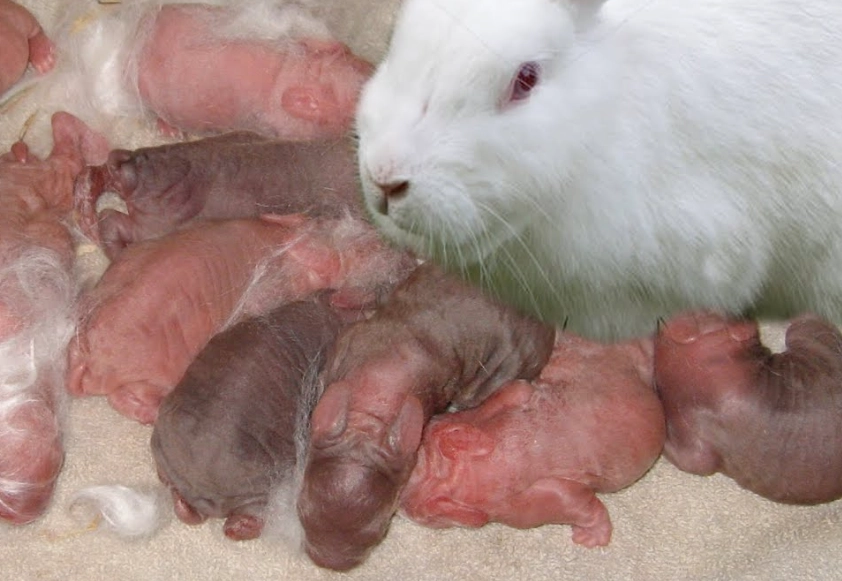
Your "Get Ready" Checklist: What to Do When You See the Signs
When you see those early signs (distended belly, mammary development, early gathering), it's time to execute your preparation plan. This is how you turn anxiety into calm readiness.
- Provide a Nesting Box: This is non-negotiable. A wooden box with one low entrance, filled with plenty of soft hay or straw. Place it in her chosen quiet corner. The American Rabbit Breeders Association (ARBA) emphasizes the importance of a proper nest box for kit survival.
- Maximize Privacy and Quiet: Move her enclosure to a low-traffic area if possible. Reduce loud noises and unnecessary handling. Speak softly around her.
- Diet Check: Ensure unlimited access to high-quality grass hay (Timothy or Orchard) and fresh water. You can slightly increase her pellet portion for extra protein and calories, but don't introduce new foods.
- Prepare Your Emergency Kit: Have clean towels, a heating pad set on low (to warm chilled kits if needed, NEVER place them directly on it—wrap the pad in a towel), a small eye dropper or syringe (for emergency feeding), and your vet's emergency number handy. Hope you don't need it, but have it ready.
- Plan Your Post-Birth Check: Decide that you will not disturb the nest for at least 24 hours after birth. Then, you'll do a quick, quiet check to remove any deceased kits (a sad but common reality) and count the litter. Use your hand to rub some of the mother's bedding scent on it first to minimize your foreign scent.
Your Questions Answered (Beyond the Basics)
My rabbit pulled fur and made a beautiful nest two days ago, but still no babies. What's wrong?
Is it normal for a rabbit to eat less or nothing at all right before giving birth?
How can I tell if my first-time rabbit mom will be a good mother?
What's the one subtle sign most owners miss that indicates labor is just hours away?
I've heard rabbits can have false pregnancies. How do I distinguish that from the real thing?
Reader Comments