You suspect your doe might be expecting. The waiting game begins. Unlike humans with clear-cut tests, rabbit pregnancy confirmation often relies on watching for a series of subtle, then not-so-subtle, changes. Getting this right matters—miscalculating the timeline can lead to unpreparedness or missing critical care needs. Over my years breeding and rescuing rabbits, I've seen countless owners mistake a chubby bunny for a pregnant one, or worse, miss the signs of a false pregnancy entirely, leading to unnecessary stress. This guide walks you through the rabbit gestation timeline, week by week, translating those physical and behavioral whispers into clear signals you can act on.
Your Quick Guide to Bunny Pregnancy
Weeks 1 & 2: The Silent Beginning
Here's the first curveball many new breeders face: the first half of a rabbit's pregnancy shows almost zero reliable external symptoms. The doe has been bred, fertilization occurs, and the embryos begin developing, but your rabbit is an expert at keeping secrets. You won't see a baby bump. Her appetite might be perfectly normal. She might act exactly as she always does.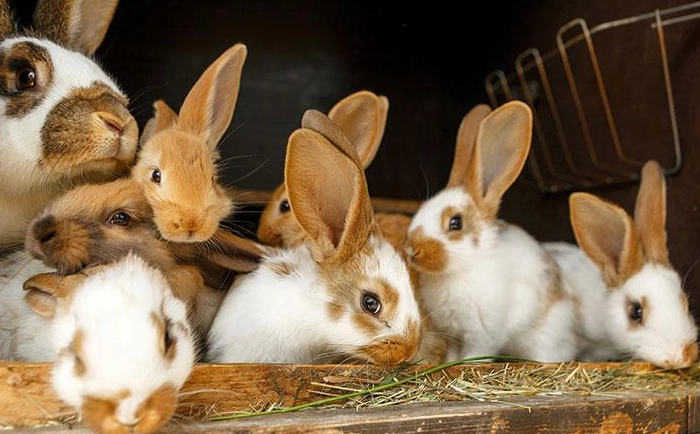
So, what can you look for? Some does exhibit a slight change in temperament. A normally friendly rabbit might become a bit more aloof or territorial. I had a Netherland Dwarf who, just days after mating, would give a quick, dismissive thump if I petted her for too long—a behavior completely foreign to her. This isn't a guaranteed sign, but it's a clue. The most significant internal event is implantation, which happens around day 7. After this, hormone levels really start to shift.
Week 3: The Turning Point (Days 14-21)
This is where things get tangible. Around day 10-14, a skilled breeder or vet can perform a technique called palpation to feel for the developing kits. I don't recommend beginners try this; it's easy to mistake fecal pellets for babies or, more dangerously, injure the fragile embryos. Leave it to a professional if you need early confirmation.
By the middle of week 3, observable symptoms begin:
- Weight Gain & Body Shape: This isn't just "eating more." You'll notice her abdomen starting to fill out, losing its tucked-up waistline. When viewed from above, her outline becomes more pear-shaped. Weigh her weekly; a steady, gradual increase is a strong indicator.
- Appetite Surge: Her food and water consumption will noticeably ramp up. This isn't a subtle shift. She'll demolish her pellets, hay, and greens with newfound gusto. This is her body fueling rapid fetal growth.
- Mammary Development: Gently feel along her belly. By the end of week 3, you might detect slight swelling or firmness around her nipples. They may also become more prominent and pinker.
Week 4: Obvious Physical & Behavioral Changes (Days 22-28+)
If you were unsure before, week 4 removes all doubt. The doe is visibly pregnant.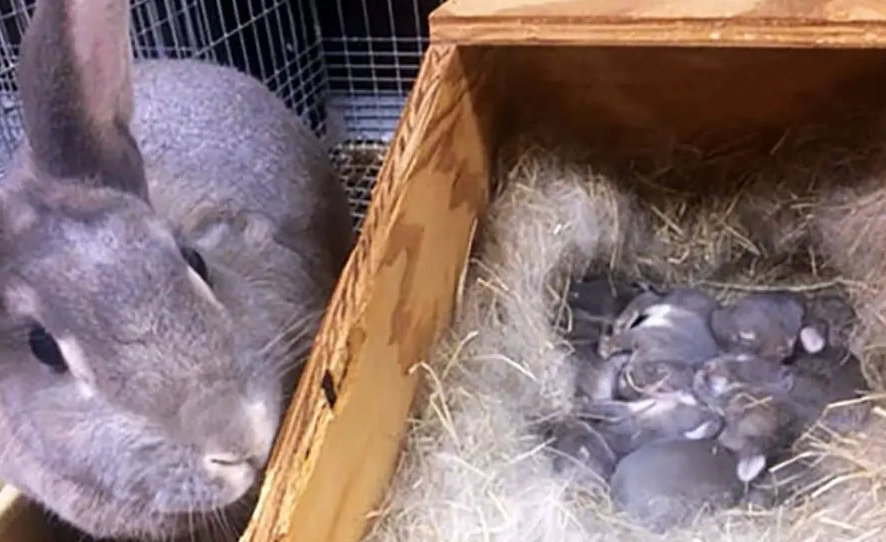
Physical Symptoms You Can't Miss
Her abdomen is now round and distended. You can often see the kits moving inside if you watch her relax in a quiet state—gentle ripples across her sides. Her mammary glands are fully developed and may even start leaking a small amount of milk close to delivery. She'll be quite large, and her movements may become slower, more deliberate.
The Behavioral Shift
This is more than just being hungry. She may exhibit mood swings—affectionate one moment, grumpy the next. The instinct to protect her space intensifies. I've seen does who normally ignored other pets suddenly chase a cat out of the room. This is normal nesting instinct kicking into high gear.
The Final Days: Nesting & Preparation (Days 28-32)
This is the most definitive behavioral symptom. 24 to 48 hours before giving birth (kindling), the doe will start building a nest.
- Fur Pulling: She will pull large amounts of fur from her chest, belly, and dewlap. This isn't a sign of illness; it's instinctual to line the nest for insulation. A first-time mom might pull less fur, so don't panic if the nest seems sparse.
- Gathering Materials: She'll obsessively gather hay, shredded paper, or any soft material you've provided. She'll arrange it in a chosen corner, often in a nest box if you've given her one.
- Restlessness & Seclusion: She may spend long periods in her nest box, rearranging it. She might seem antsy and prefer to be left completely alone.
Once the nest is built and she's secluded herself, labor is imminent. Kindling itself is usually quick (under 30 minutes) and often happens at night or in the early morning. She will eat the placental membranes and clean the kits. Interfere as little as possible.
How to Care for Your Pregnant Rabbit Week-by-Week
Observing symptoms is one thing; supporting her through them is another. Here’s a practical care schedule aligned with the symptoms.
| Stage (Week) | Key Symptoms | Your Action Items |
|---|---|---|
| 1-2 | Few to none. Possible mild temperament change. | Ensure a high-quality, consistent diet (unlimited hay, measured pellets, greens). Minimize stress. Assume she is pregnant and treat her as such. |
| 3 | Weight gain begins. Appetite increases. Mammary development starts. | Start gradually increasing her daily pellet ration by 10-20%. Introduce a higher-protein alfalfa hay mix if she's on timothy. Provide a constant supply of fresh water. Consider a vet check for palpation. |
| 4 to Kindling | Visible abdomen, kit movement, nesting behavior, fur pulling. | Provide a nest box (approx. 12"x18") filled with soft hay by day 26. Increase pellet ration further. Handle her minimally. Watch for nesting signs as the ultimate cue. |
One mistake I see often is owners providing the nest box too early (week 3). This can confuse the doe or cause her to use it as a toilet. Late week 3 to early week 4 is the sweet spot.
The False Pregnancy Puzzle: Symptoms That Deceive
This is a crucial, often misunderstood aspect. A doe can experience a false pregnancy (pseudopregnancy) after a mounting encounter (even with a sterilized male), a dominant interaction with another female, or due to hormonal fluctuations. Her body acts as if it's pregnant for about 16-18 days.
The symptoms can be eerily convincing: weight gain, moodiness, and even nest building and fur pulling. The key differentiator is timing. False pregnancy symptoms peak and then abruptly end around the 18-day mark. A truly pregnant rabbit's symptoms will intensify past that point. If your rabbit builds a spectacular nest but never has kits, and her abdomen returns to normal around day 18-20, you've likely witnessed a false pregnancy. It's not harmful, but frequent false pregnancies can be stressful; spaying is the permanent solution.
Reader Comments