If rabbits are munching on your plants, you don't need to spend a fortune to stop them. The cheapest way is a mix of DIY barriers, homemade repellents, and smart gardening. I've gardened for over a decade, and after losing entire crops to bunnies, I've tested countless budget methods. Let's cut to the chase: start with physical fences if you can, but if money's tight, try garlic spray or plant rabbit-resistant varieties. It's about being clever, not costly.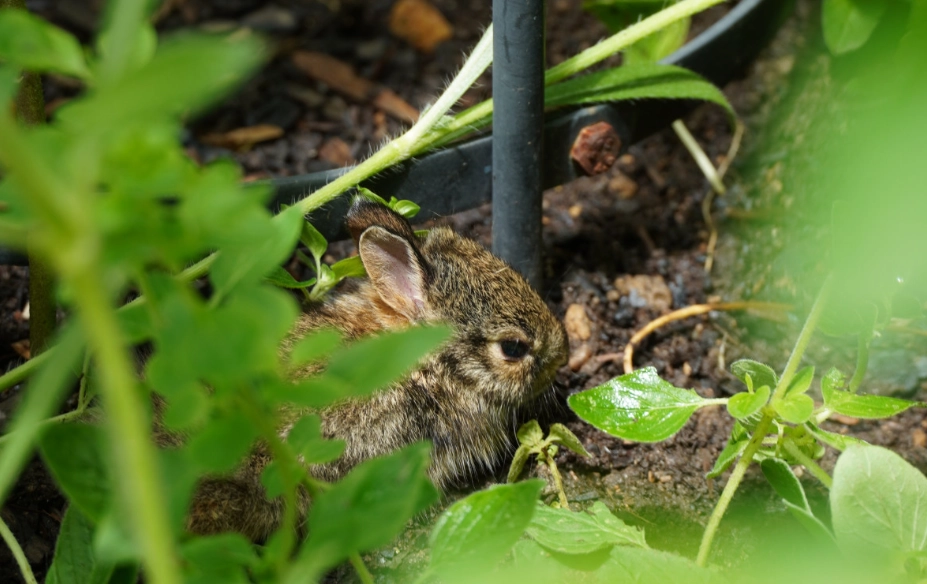
Quick Guide to Rabbit-Proofing
Why Rabbits Target Your Garden
Rabbits aren't being malicious; they're just hungry and your garden is an all-you-can-eat buffet. They love tender greens like lettuce, carrots, and beans. In spring, when wild food is scarce, gardens become prime targets. I've watched rabbits bypass my neighbor's fancy flowers for my veggie patch—it's all about the menu.
What Attracts Rabbits Specifically?
Soft soil for burrowing, open spaces without cover, and water sources. If your garden has these, you're inviting trouble. A common oversight: leaving gaps under fences. Rabbits can squeeze through holes as small as 3 inches. Check your perimeter first; it's often the cheapest fix.
Physical Barriers: Fencing and Netting
For long-term protection, nothing beats a physical barrier. It might seem expensive, but DIY options cost next to nothing if you're resourceful.
Pro tip: Use chicken wire instead of hardware cloth. It's cheaper and works just as well for rabbits. I bought a 50-foot roll for $15 at my local hardware store.
How to Build a Cheap Rabbit Fence
You need chicken wire, stakes, and a staple gun. Bury the wire 6 inches deep to prevent digging. Make it at least 2 feet high—rabbits aren't great jumpers. Total cost: under $30 for a small garden. I did this for my 10x10 plot; it took an afternoon and saved my tomatoes.
Using Netting and Row Covers
For individual plants, use bird netting or floating row covers. They're lightweight and reusable. I cover my seedlings with old window screens scavenged from a renovation. Cost: zero if you repurpose materials.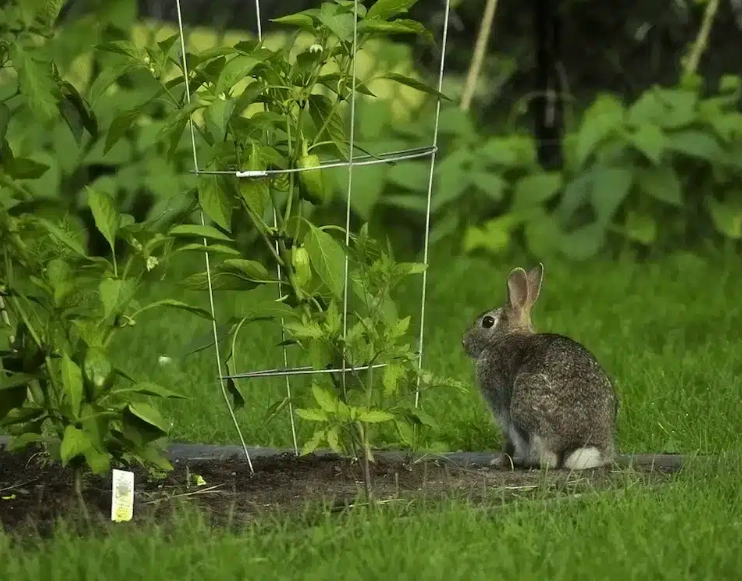
Here's a quick comparison of barrier options:
| Method | Estimated Cost | Effectiveness | Effort Required |
|---|---|---|---|
| Chicken Wire Fence | $20-$50 | High | Moderate |
| Plastic Netting | $10-$20 | Medium | Low |
| Row Covers (DIY) | $5-$15 | Medium | Low |
Homemade Repellents: Sprays and Scraps
If fencing isn't feasible, repellents can be dirt cheap. I'm skeptical of commercial products—they often wash away and cost too much. Homemade versions use household items.
Garlic and Pepper Spray Recipe
Blend two garlic bulbs, a tablespoon of cayenne pepper, and a quart of water. Strain and spray on plants. Reapply after rain. Cost: maybe $2 from your pantry. It smells strong, but rabbits hate it. I've used this for years; it's not perfect, but it cuts damage by half.
Human Hair and Soap Scraps
Scatter hair from your brush or soap slivers around the garden. Rabbits avoid human scent. Free if you save these scraps. My grandma swore by this, and it works for small areas. Don't overdo it—too much can affect soil pH.
Another idea: used coffee grounds. They're free from coffee shops and act as a mild deterrent while enriching soil. I get mine from a local café; just ask politely.
Plant-Based Deterrents
Grow plants rabbits dislike. It's a passive, zero-cost strategy once established. Focus on aromatic herbs and tough-leaved varieties.
- Lavender and Mint: Rabbits steer clear of strong smells. Plant them as borders.
- Marigolds: They're pretty and repellent. I interplant them with veggies.
- Onions and Garlic: Grow these around susceptible plants. Double as food for you.
Avoid rabbit favorites like clover and peas in exposed areas. I made that mistake once—my pea patch was decimated in a week.
Common Mistakes to Avoid
Many gardeners waste money on ineffective methods. Here's what I've learned the hard way.
Ultrasonic devices: They're marketed as high-tech, but in my experience, rabbits get used to them quickly. A study from the University of Nebraska Extension suggests they have limited efficacy for wildlife. Save your cash.
Over-relying on one method: Rabbits adapt. Combine barriers with repellents for best results. I rotate tactics each season.
Ignoring maintenance: A fence with holes is useless. Check regularly. Last spring, a storm loosened my wire, and rabbits got in overnight.
Case Study: My $20 Solution
Let me walk you through my backyard veggie patch. It's 15x20 feet, and rabbits were a nightmare. I had a budget of $20.
First, I used chicken wire I had leftover from a project—free. For stakes, I cut old broom handles. Cost: $0. I buried the wire shallowly because my soil is rocky; it still worked.
For repellent, I made garlic spray from kitchen scraps. Maybe $1 worth of garlic. I sprayed every few days.
I also planted marigolds from seeds I saved last year. Cost: negligible.
Total spend: under $5 for a few supplies. The rabbits moved on to my neighbor's unguarded garden. Harsh, but effective. This approach has kept them out for two seasons now.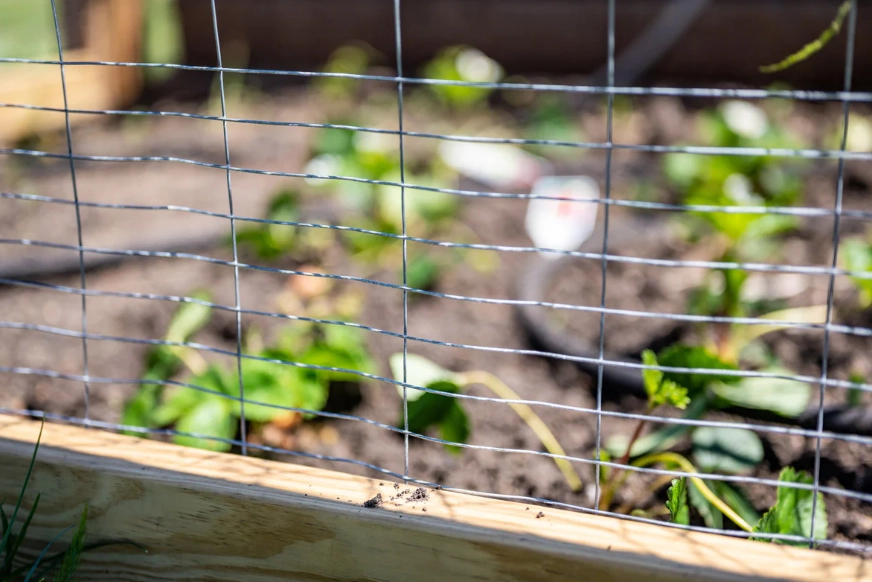
FAQ: Rabbit-Proofing Questions
 Ultimately, keeping rabbits out on a budget is about creativity and persistence. Start with a simple fence or repellent, adjust based on what works for your garden, and don't be afraid to mix methods. For more authoritative info, check resources like the USDA National Wildlife Research Center or local extension offices—they offer free guides on humane pest control. Happy gardening!
Comment