You wake up, coffee in hand, ready to admire your garden. Instead, you find your lettuce nibbled to the stem, your bean seedlings gone, and tell-tale round droppings scattered like tiny landmines. Rabbits. They're cute until they're treating your vegetable patch like an all-you-can-eat buffet. If you're searching for how to keep rabbits out of garden with your own two hands, you're in the right place. Forget expensive services or harsh chemicals. A successful rabbit proof garden fence and some clever, homemade rabbit repellent strategies are often all you need. I've been through this battle myself, and after years of trial and error (mostly error at the start), I've nailed down what truly works without harming the bunnies or your wallet.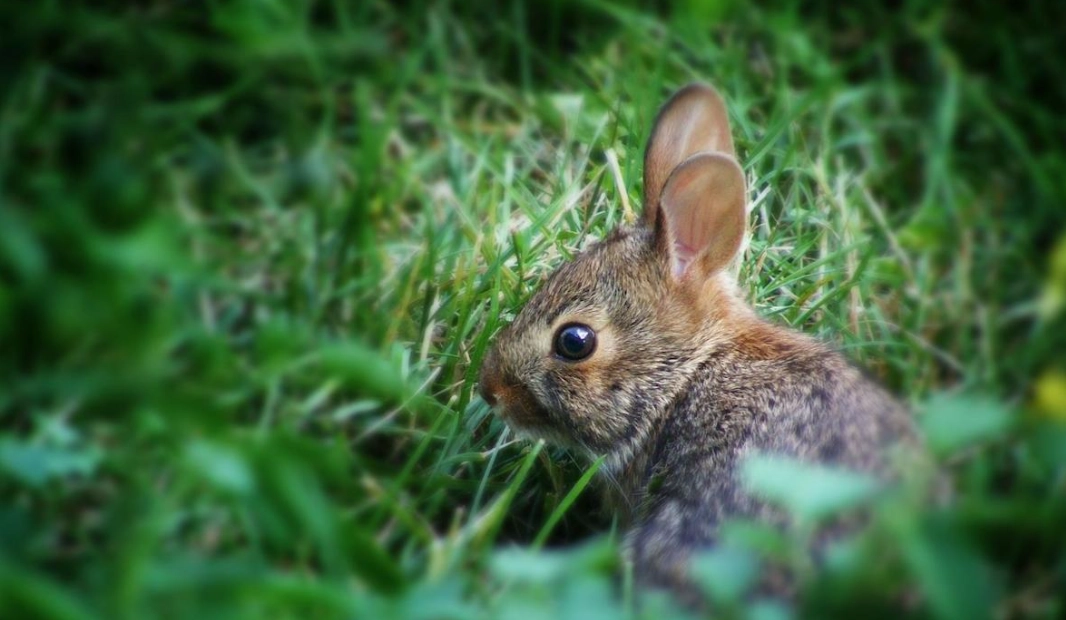
Your Quick Action Plan
Why DIY Rabbit Control? Understanding the Why Before the How
Before we grab the tools, let's talk mindset. The goal isn't rabbit eradication—it's garden protection. Wild rabbits are just trying to eat. Extreme measures are usually ineffective long-term (new ones move in) and, frankly, unnecessary. DIY methods put you in control, are adaptable, and are often more humane. You address the specific layout of your garden, your local rabbit pressure, and your personal ethics.
I learned this the hard way. My first attempt was a flimsy chicken wire fence about a foot high. I watched a rabbit nonchalantly hop over it. Lesson one: understand your opponent. Cottontails can jump surprisingly high, and they are champion diggers.
The Ultimate DIY Rabbit-Proof Fence: A Step-by-Step Guide
This is your most permanent and reliable solution. A proper fence isn't just a barrier; it's a psychological and physical boundary. Don't skimp here.
The Non-Negotiable Specifications
To build a fence that actually works, you need to hit these numbers:
- Height: At least 2 feet tall, but 3 feet is the sweet spot for deterring most determined jumpers.
- Depth: Bury the bottom edge at least 6 inches underground, bending it outward into an "L" shape to block diggers. This is the step most people skip, and it's why they fail.
- Mesh Size: Use wire mesh with openings no larger than 1 inch. Baby rabbits are tiny.
Material Showdown: What to Buy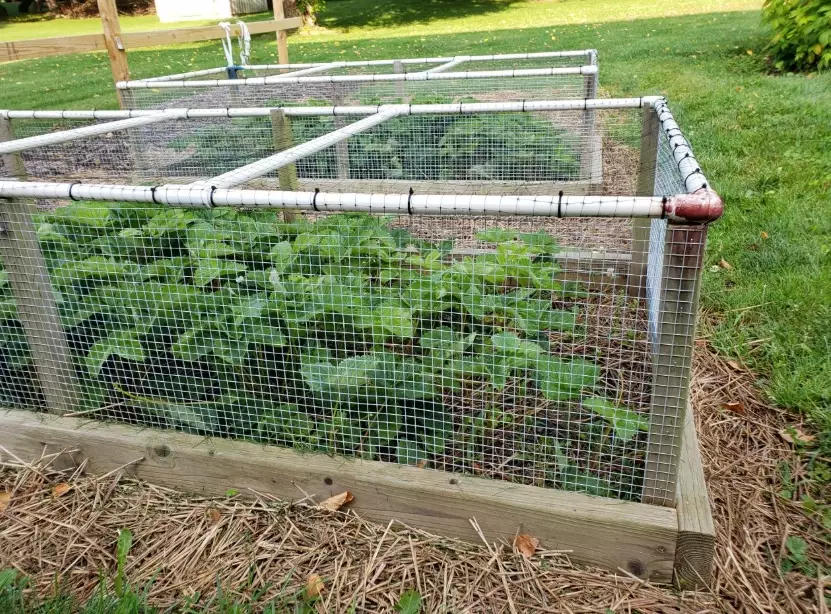
Not all wire is created equal. Here’s a quick comparison to help you decide at the hardware store.
| Material | Best For | Pros | Cons | My Recommendation |
|---|---|---|---|---|
| Hardware Cloth (1/4" or 1/2") | Ultimate protection for prized vegetable beds. | Extremely sturdy, small openings stop even the smallest pests. | More expensive, harder to cut and shape. | Worth it for small, high-value areas. |
| Chicken Wire (1" mesh) | Larger garden perimeters, flower beds. | Inexpensive, flexible, easy to find and work with. | Less durable, can rust over time, easier for persistent rabbits to gnaw through. | The classic choice for most DIYers. Galvanized is best. |
| Welded Wire Fencing (2"x4" mesh) | Creating larger enclosures or combining with other mesh. | Very strong, good for structural support, often used for poultry. | Openings are too large alone—rabbits will go right through. Must be paired with smaller mesh at the bottom. | Great for the top section of a tall fence, with hardware cloth below. |
Construction Walkthrough: The Gate is Your Weakest Link
You can build a perfect fence, but a poorly designed gate renders it useless. Rabbits are opportunists.
Don't just slap a pre-made gate against the post. The gap at the bottom is an invitation. Build your gate frame from wood, then staple your wire mesh tightly to it. Ensure it overlaps or sits flush with the fence when closed. Use a spring-loaded latch or a sturdy hook and eye—something that won't bounce open in the wind. I add a simple wooden "kickboard" at the bottom of my gate, which drags slightly on the ground, eliminating that tell-tale gap.
Homemade Rabbit Repellents: Recipes That Actually Work
Fencing isn't always feasible for every corner of your yard. That's where repellents come in. Store-bought ones can be pricey and smell awful. These DIY versions are cheap, easy, and surprisingly effective when used correctly.
The biggest mistake? Not reapplying often enough. Rain, sun, and time degrade all repellents. You need a schedule.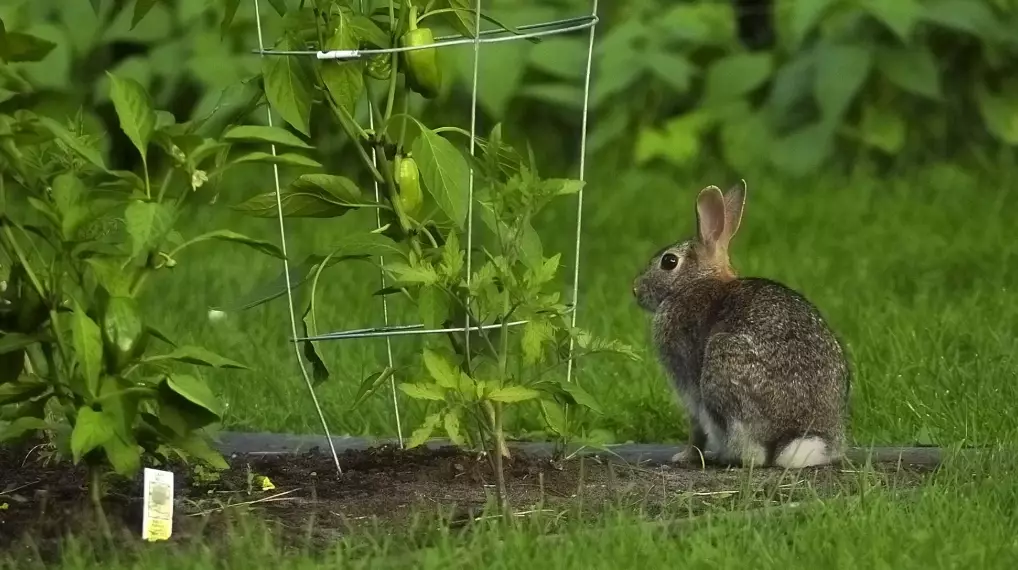
The Garlic & Pepper Spray (The Heavy Hitter)
This one works by taste and smell. Rabbits have sensitive noses and palates.
- Ingredients: 2-3 hot peppers (habanero, jalapeño), 1 whole bulb of garlic (cloves peeled), 1 tablespoon of dish soap (as a surfactant), 1 gallon of water.
- Method: Blend peppers and garlic with a quart of water. Strain into a bucket. Add soap and the rest of the water. Mix well.
- Application: Spray liberally on plant leaves, stems, and the surrounding soil. Reapply after every rain and at least once a week. Test on a single leaf first to check for plant sensitivity.
The Egg & Milk Solution (The Protein Barrier)
This creates a foul-smelling (to them), sticky residue that rabbits avoid. Research from sources like the University of Vermont Extension has noted the efficacy of putrefied egg solids.
- Ingredients: 2 raw eggs, 2 cups of milk, 2 gallons of water.
- Method: Whisk eggs and milk thoroughly, then dilute with water.
- Application: Spray on and around plants. The smell, which is mild to us, is a strong deterrent. Reapply weekly and after rain.
Rotate between these two sprays every few weeks. Rabbits can get accustomed to a single deterrent.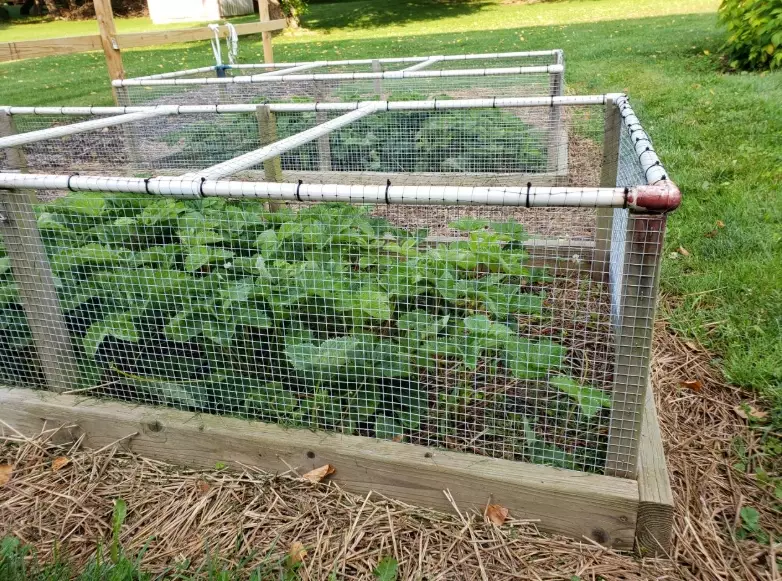
Beyond Fences & Sprays: Clever Tactics to Deter Rabbits
Integrated pest management is key. Make your garden less appealing in multiple ways.
Remove the Welcome Mat: Clear brush piles, tall grass, and debris near your garden. These are rabbit hotels, providing cover from predators.
Use Strategic Obstacles: Place raised beds, if you have them. Surround individual young trees or shrubs with cylinders of hardware cloth. I cut lengths of it, form them into tubes, and sink them a few inches into the ground.
Employ "Scare" Tactics (Temporarily): Motion-activated sprinklers are brilliant but pricey. For a low-tech version, hang old CDs or pinwheels that flash and move. Move them every few days so rabbits don't get used to them.
Plant Things They Hate (Sometimes): Interplanting with strong-smelling herbs like lavender, sage, oregano, or onions can help. But let's be real—a hungry rabbit will ignore these if their favorite food is right next door. Don't rely on this alone. The Royal Horticultural Society lists many plants as "rabbit-resistant," not rabbit-proof.
Common Rabbit-Proofing Mistakes (And How to Avoid Them)
I've made most of these, so learn from my wasted time and effort.
Mistake 1: The "Visual" Fence. A single strand of wire or a short decorative fence might look like a boundary to you. To a rabbit, it's a minor inconvenience. They go under or over. Your barrier must address both jumping and digging.
Mistake 2: Inconsistent Repellent Use. Spraying once at the start of summer and wondering why it failed by June. Repellents are a maintenance routine, not a one-time fix. Mark your calendar.
Mistake 3: Giving Up After One Method Fails. Rabbits are adaptable. Sometimes a combination is needed—a fence around the veggies, repellents on the flower border, and clearing out that brush pile in the back corner. A layered defense works best.
Frequently Asked Questions About Keeping Rabbits Out
 Are ultrasonic repellents or commercial deterrent granules worth the money?
Comment