You wake up, coffee in hand, ready to admire your garden. Instead, you find a scene of devastation. Tender bean shoots sheared off clean. Lettuce heads that were perfect yesterday, now just stumps. The culprits? Rabbits. They're cute, until they treat your vegetable patch like their personal 24-hour salad bar. Nighttime is their prime feeding time, when they feel safest from predators and human activity. I've been there. After years of trial, error, and more than a few frustrated mornings, I've learned that stopping them isn't about one magic trick—it's about understanding their behavior and building a layered defense. Let's get straight to what works.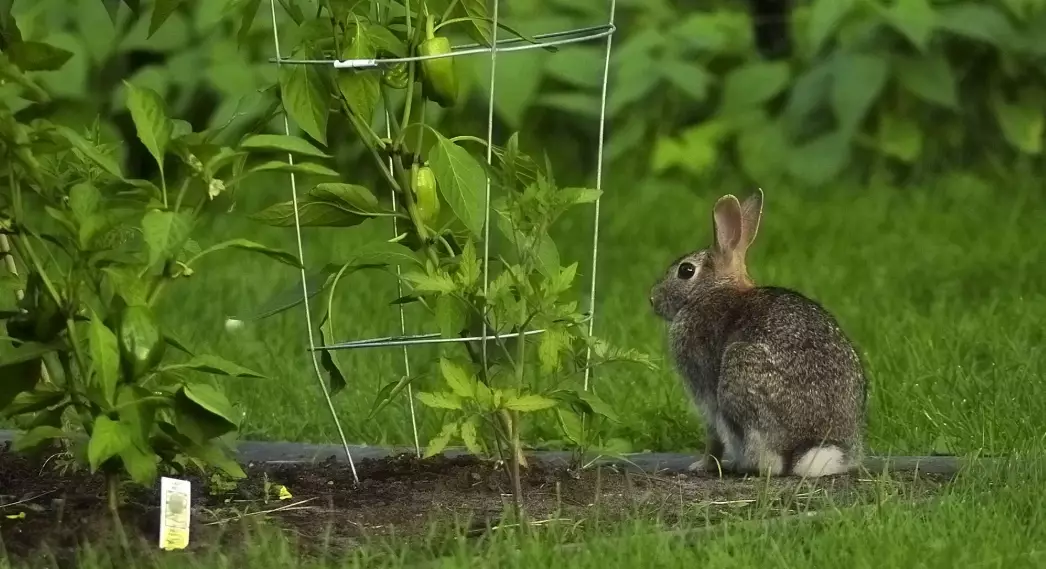
Your Quick Guide to a Rabbit-Proof Garden
- Know Your Enemy: Why Rabbits Love Your Garden at Night
- Physical Barriers: The Gold Standard in Rabbit Fencing
- Scent & Taste Deterrents: Making Your Garden Smell Wrong
- Garden Habitat Modification: Remove the Welcome Mat
- Night-Specific Strategies for After-Dark Protection
- What Doesn't Work (And Why You're Wasting Your Time)
- Your Rabbit-Proofing Questions, Answered
Know Your Enemy: Why Rabbits Love Your Garden at Night
Rabbits are crepuscular. Fancy word, simple meaning: most active at dawn and dusk. But in areas with low daytime predator activity (like many suburban gardens), night becomes their extended dinner service. They're not being malicious; they're following a 3-million-year-old survival playbook: eat fast, stay alert, and have multiple escape routes.
Here's the part most guides miss: rabbits have a terrible vertical jump. A cottontail can't clear more than about 2 feet from a standstill. Their real superpower? Digging and squeezing. If a rabbit can get its head through a gap, its body will follow. And they are persistent. If they've identified your garden as a food source, a flimsy barrier won't deter them for long.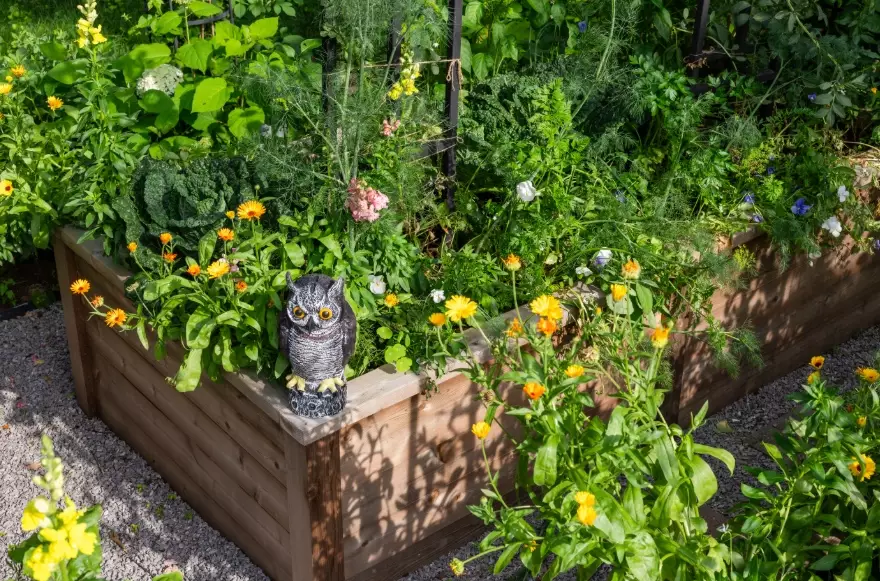
Physical Barriers: The Gold Standard in Rabbit Fencing
If you want guaranteed results, a proper fence is it. But "proper" is the key. That decorative chicken wire from the hardware store? Probably not enough.
Fencing Specifications That Actually Work
The University of Nebraska-Lincoln Extension, which deals with serious agricultural pest pressure, recommends a very specific setup. Your fence needs to be:
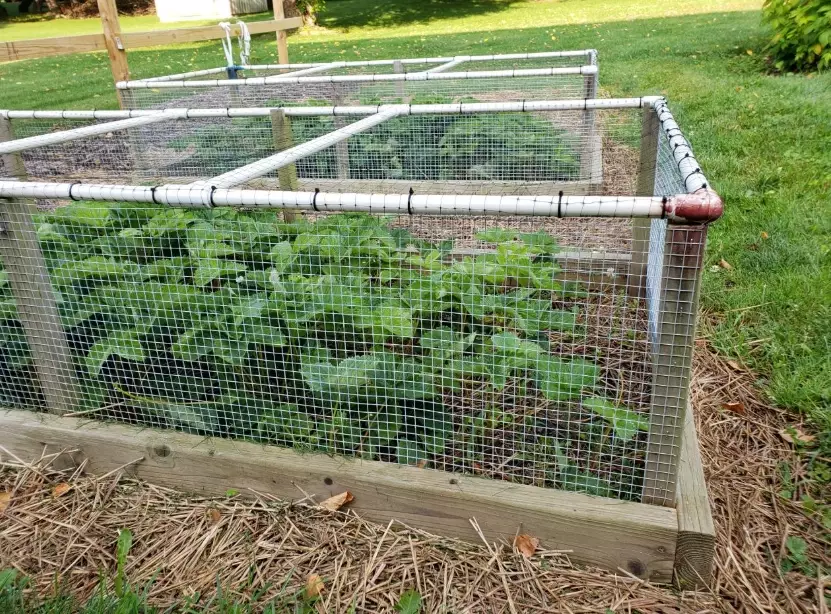
- At least 2 feet high to prevent jumping.
- Made of 1-inch or smaller mesh chicken wire. Baby rabbits (kits) can fit through larger openings.
- Buried at least 6 inches deep, with the bottom bent outward into an "L" shape facing away from the garden. This stops them from digging straight under. I bury mine a full 10 inches because my local rabbits are determined diggers.
- Supported by sturdy stakes every 4-6 feet so it doesn't sag and create a crawl-under gap.
For individual plants or raised beds, cloches or cylinders of hardware cloth are perfect. I make simple ones by cutting a length of wire mesh, forming a cylinder, and securing it with zip ties. Press it slightly into the soil.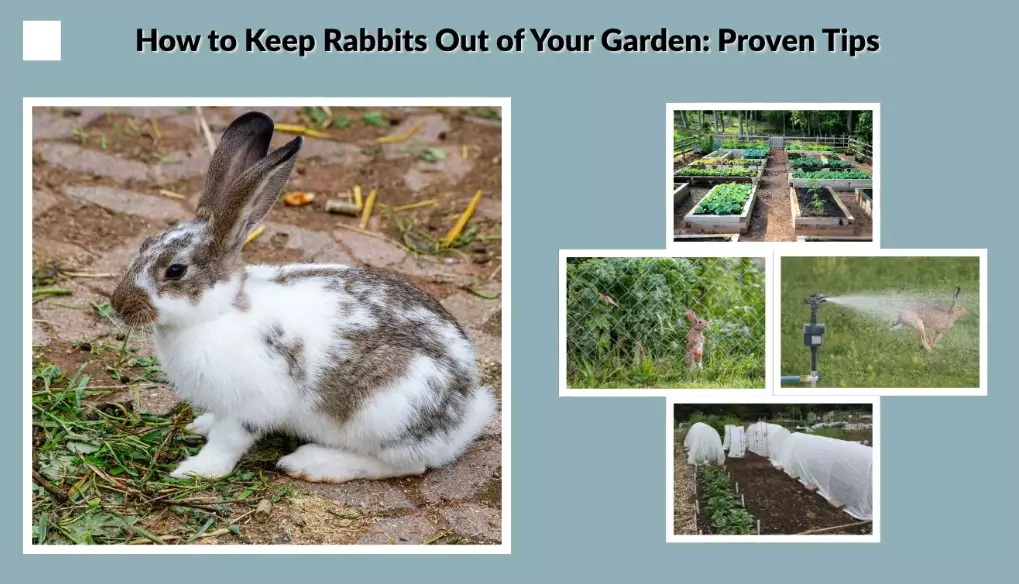
The Common Fencing Mistake Almost Everyone Makes
They install the fence flush to the ground. Big mistake. Grass grows, leaves pile up, soil shifts. In a month, that tight seal is gone, and a rabbit-sized gap appears. You must check and re-seat the bottom of your fence every few weeks, especially after rain or mowing. It's a boring chore, but it's the difference between success and failure.
Scent & Taste Deterrents: Making Your Garden Smell Wrong
When fencing isn't feasible for the whole garden (like around flower beds), repellents are your next line of defense. Think of these as creating a sensory "No Trespassing" zone.
| Type of Deterrent | How It Works & Examples | Best Use Case & Limitations |
|---|---|---|
| Commercial Spray Repellents | Contains putrescent egg solids, garlic, or capsaicin (hot pepper). They smell like predator urine or simply taste awful. Brands like Liquid Fence or Plantskydd are common. | Great for perimeter spraying or direct plant application. Major Limitation: They wash off with rain or sprinklers. You must reapply diligently, especially after wet weather. Consistency is everything. |
| Homemade Scent Barriers | Human hair (from a hairbrush), used coffee grounds, or sprinklings of strong-smelling spices like cayenne pepper or powdered garlic. | A low-cost, immediate option. Scatter around plant bases. Effectiveness is variable and short-lived. Hair and grounds need frequent replacement. Rabbits may eventually habituate. |
| Predator Urine | Granules or liquids containing coyote or fox urine (synthetic or collected). | Creates a powerful fear response. Best used around the garden's outer edge, not on plants. Can be expensive, and scent fades. Its effectiveness can diminish if rabbits never actually see a predator. |
My personal, somewhat odd, favorite trick? Irish Spring soap. I shave bars of it and put the shavings in mesh bags (like onion sacks) staked around my garden. The strong, perfumed smell seems to confuse them. It's not 100%, but it's a cheap, long-lasting addition to my repellent mix. Just keep the bags away from soil contact to avoid affecting plant health.
Garden Habitat Modification: Remove the Welcome Mat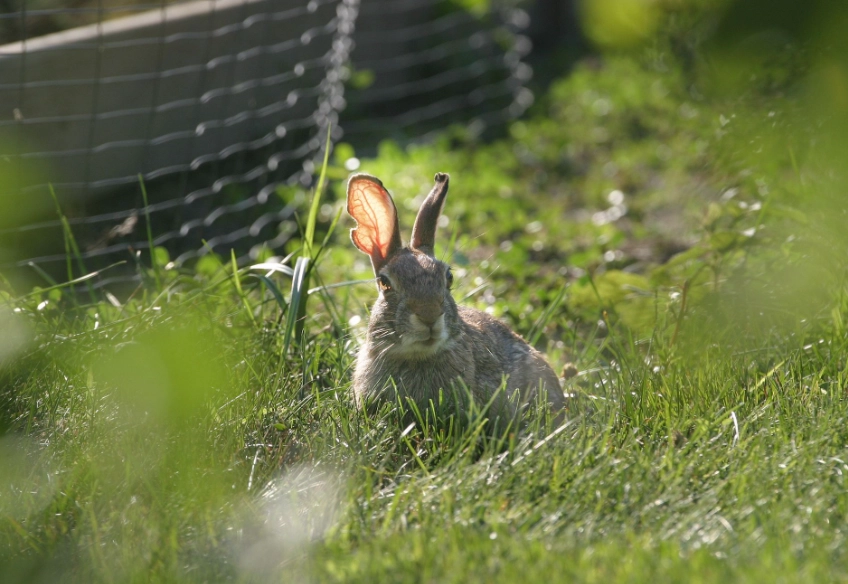
Rabbits are prey animals. They won't venture far into an open space if they feel exposed. Look at your garden from a rabbit's eyes at night. Are there tall grasses, brush piles, or overgrown shrubs right up to the edge that provide perfect cover? That's their staging area.
- Clear perimeter vegetation: Create a 3-5 foot wide buffer zone of short grass or mulch around your garden. It forces them into the open, making them feel vulnerable.
- Remove hiding spots: Stack firewood elsewhere, clear out debris piles.
- Consider a "sacrificial" planting: This is controversial, but it worked in my community garden plot. I planted a small patch of clover and lettuces in a far corner, away from my prized vegetables. It seemed to satisfy the casual browsers enough that they didn't press further into my main defenses. It's not a guarantee, but it can reduce pressure.
Night-Specific Strategies for After-Dark Protection
This is where you target their active hours. Lights and sound can be surprisingly effective temporary disruptors.
Motion-Activated Sprinklers: Like the ScareCrow or Orbit models. A sudden blast of water startles them and conditions them to associate your garden with an unpleasant surprise. Place them where rabbits enter. They work on other pests too, like deer and cats.
Solar-Powered Motion Lights: A bright LED light flashing on makes a rabbit feel spotlighted and exposed. They'll usually bolt. The downside? You might also annoy your neighbors or disturb your own sleep if it's pointed wrong.
Ultrasonic Repellers: These emit a high-frequency sound unpleasant to pests but inaudible to most humans. Reviews are mixed. In my experience, they have an initial effect that often fades as animals get used to it. Don't rely on them as your sole method.
The most effective night strategy is combining a physical barrier with an occasional sensory surprise. A fence plus a motion light that comes on once in a while is a powerful one-two punch.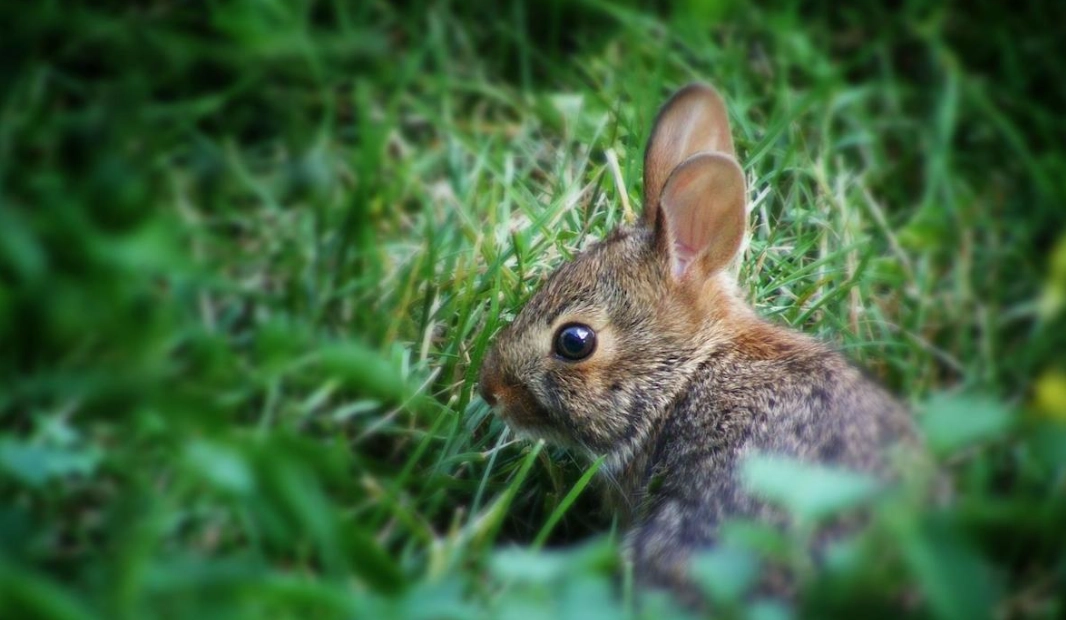
What Doesn't Work (And Why You're Wasting Your Time)
Let's save you some effort and money. After talking to dozens of gardeners and testing things myself, here's the hall of shame.
Plastic Owls or Rubber Snakes: Rabbits aren't that dumb. They'll notice the predator that never moves, never attacks, and smells like plastic. It might work for a day or two.
Shiny Objects (CDs, Pie Tins): The idea is the flashing light scares them. In reality, they quickly ignore it. Wind-dependent deterrents are unreliable.
Mothballs: A terrible idea. They are a pesticide (naphthalene or paradichlorobenzene) and are toxic to soil, water, pets, and children. Their use in gardens is illegal in many places and just plain dangerous.
Generic "Animal Repellent" Granules with Unclear Ingredients: If the bag doesn't clearly state the active ingredient (like putrescent egg solids), it's probably just scented mulch. Don't waste your cash.
Your Rabbit-Proofing Questions, Answered
 Is it worth getting a dog or cat to solve the rabbit problem?
 The battle against nighttime garden raiders is winnable. It requires shifting from a reactive stance ("Oh no, they ate it again!") to a proactive, layered defense. Start with the perimeter—clear hiding spots and consider a proper fence. Use repellents consistently, not just when you remember. Understand that no single method is perfect, but together, they create an environment that's more trouble than it's worth for a rabbit. Your garden is worth protecting. Now go enjoy those un-nibbled vegetables.
Comment