You wake up, coffee in hand, ready to admire your garden. Instead, you find your lettuce nibbled to the stem, your bean seedlings vanished, and tell-tale round droppings scattered around. Rabbits. They're cute in cartoons, but in your garden, they're a fluffy menace. The immediate thought is a fence, but what if you can't or don't want to install one? Maybe it's a rental property, an aesthetic choice, or just too big an area. Good news: keeping rabbits out of your garden without a fence is not only possible, it can be surprisingly effective. It's about strategy, not just a single trick. I've gardened for over a decade in rabbit country, and I've learned that beating them requires understanding their world and building a multi-layered defense they can't be bothered to breach.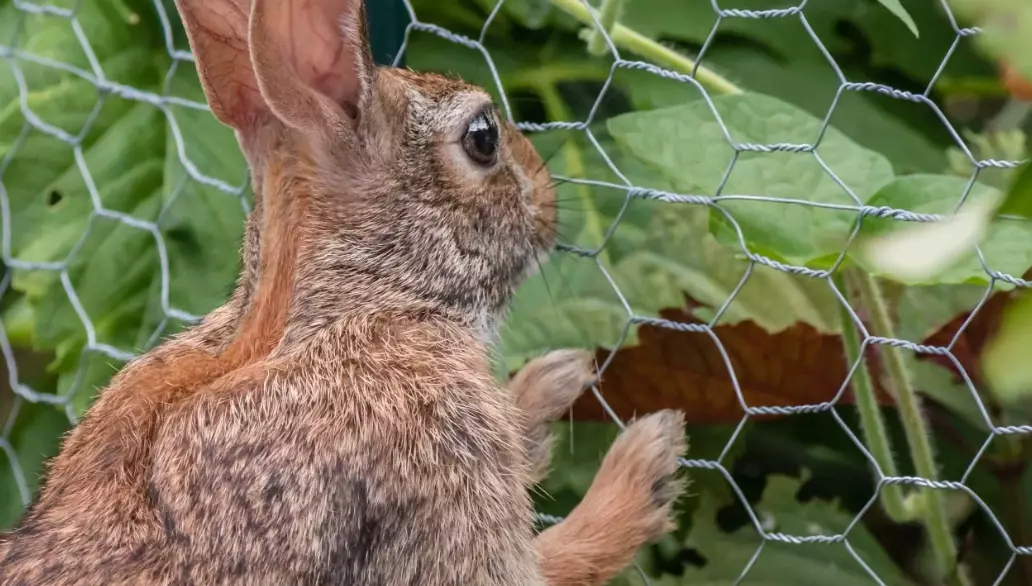
What's Inside This Guide?
Why Rabbits Love Your Garden (And How to Break Up the Relationship)
Think like a rabbit for a second. You're a small, tasty prey animal. Your priorities are safety, easy food, and a quick escape. Your garden is a paradise: soft soil for digging, dense plants for cover, and a buffet of tender greens. A tall, obvious fence is a clear "keep out" sign. Without one, you need to make your garden seem like a terrible neighborhood. You attack those core priorities: make it smell dangerous, feel unsafe to traverse, and offer food that's just not worth the hassle.
The biggest mistake I see? Relying on one method. You sprinkle some repellent once and wonder why they're back a week later. Rabbits are persistent and adaptable. Success comes from combining tactics that target different senses and behaviors.
The Multi-Layer Defense: A Strategy That Actually Works
Instead of searching for a silver bullet, build a system. I call it the "Onion Approach"—layers of protection. Even if a rabbit gets past one layer, the next one turns it away. The core layers are: Scent (make it smell bad/unfamiliar), Touch/Taste (make it feel or taste awful), and Sight/Environment (make it look and feel exposed and risky).
A Real-World Case: My Front Yard Flower Bed
My cottage-style bed was a rabbit nursery. I refused to fence it. Here's what I did, layer by layer:
Layer 1 (Perimeter): I planted a low border of lavender and catmint (smell they dislike).
Layer 2 (Soil Surface): I spread a generous mulch of prickly holly leaves and pine cones around my most vulnerable plants (painful texture).
Layer 3 (Individual Plants): For new transplants, I used small, discrete chicken wire cloches for the first few weeks (physical barrier).
Layer 4 (Psychological): I placed a couple of movable garden pinwheels that flashed in the sun (unpredictable movement).
The result? The rabbits chose the easier pickings in my neighbor's open lawn. They're lazy. Make your garden the harder option.
10 Fence-Free Methods to Deter Rabbits
Let's get into the specific tactics you can mix and match. Remember, rotation and combination are key.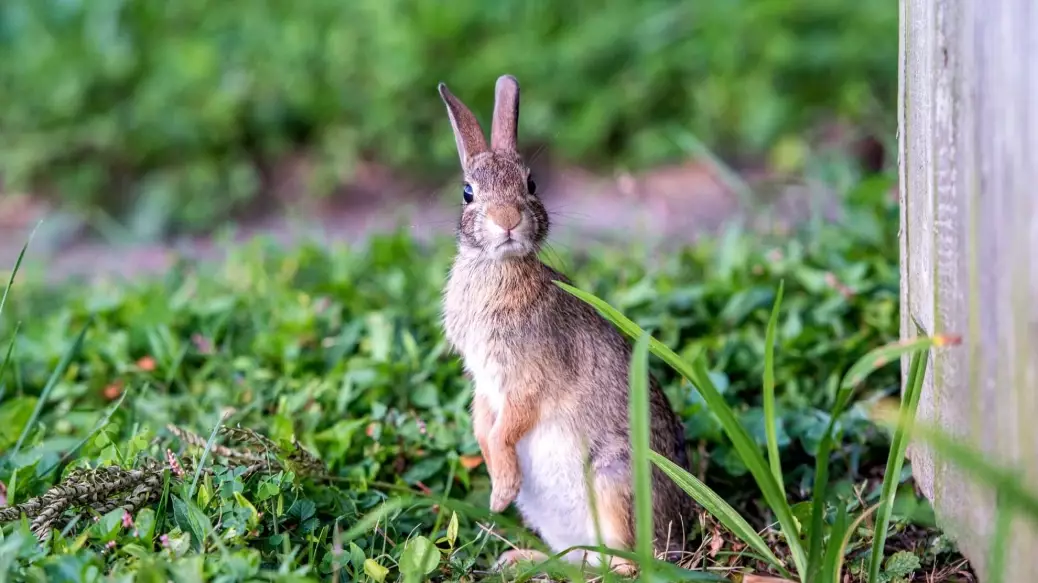
Layer 1: Make Your Garden Smell Unappealing
Rabbits have an excellent sense of smell. You can use this against them.
Natural Repellent Sprays: Garlic and hot pepper are classics for a reason. Blend 2-3 cloves of garlic, a tablespoon of cayenne pepper, and a quart of water. Let it sit overnight, strain, and add a drop of dish soap to help it stick. Spray generously on plant leaves (not blooms) and around the garden perimeter. Reapply after heavy rain. The smell and taste are offensive to them. I find this works better than store-bought chemical sprays, which often wash off and smell weird to us too.
Human & Pet Presence: This is a subtle one. Regularly scattering dog or human hair (from a hairbrush) around the garden edges creates the scent of a predator. It's hit or miss, as scents fade fast, but it's a free addition to your other methods. Don't rely on it alone.
Blood Meal Fertilizer: This organic fertilizer, available at garden centers, has a strong, meaty odor that suggests predator activity. Sprinkle it around plants. Double duty: it feeds your plants and repels rabbits. Warning: It can attract dogs or scavengers, so use it thoughtfully.
Pro Tip: The scent barrier is your first line of defense. Reapply sprays every 5-7 days and after rain to keep the signal strong. Rabbits will test weak spots.
Layer 2: Create Physical (But Invisible) Barriers
You don't need a 6-foot fence. You need to make the ground itself uncomfortable or inaccessible.
Prickly Mulches: Forget soft straw or wood chips. Use materials that hurt tender paws. Holly leaves, pine cones, crushed gravel, or even thorny rose clippings spread around plants create a no-go zone. I've had great success with a 2-inch layer of holly mulch around my hostas.
Raised Beds with a Twist: Raising plants helps, but determined rabbits can jump. Add a smooth, outward-facing metal flange (like a stovepipe) to the top edge of your raised bed. They can't get a grip to pull themselves up. It's a clean, almost invisible barrier.
Low, Hidden Fencing: This is a technicality—it's not a "garden fence." Bury a strip of 24-inch tall hardware mesh (1/4" or 1/2" gaps) so that 6 inches is below ground (stops diggers) and 18 inches is above. Bend the top 3 inches outward. They rarely try to jump something that low if they can't see an easy landing on the other side. Camouflage it with low-growing herbs or flowers.
Layer 3: Exploit Their Fear of the Unknown
Rabbits are nervous. Sudden movement, unfamiliar reflections, or sounds can spook them.
Motion-Activated Sprinklers: Like the ScareCrow or Orbit models. These are fantastic. They detect body heat and blast a sudden jet of water. It doesn't hurt them, but it terrifies them. It conditions them to associate your garden with a scary, unpredictable event. The main downside is cost and setup.
Reflective and Noisy Deterrents: Old CDs, aluminum pie plates, or commercial reflective tape strung on twine. They flutter and flash. Garden pinwheels are my favorite cheap tool—movement and flash. The key is to move them every few days. Rabbits get used to static objects.
Predator Decoys: A realistic plastic owl or snake. You must move it daily. If it's in the same spot for three days, the rabbits will figure it out. I think they're less effective than motion or scent, but they can add to the overall "this place is weird" vibe.
Strategic Planting: Using What Rabbits Hate
This is long-term, proactive defense. Interplant your vulnerable veggies and flowers with plants rabbits find smelly, fuzzy, or toxic.
Rabbit-Resistant Plants to Use as Guards:
- Strong Smells: Onions, garlic, leeks, chives, mint (plant in pots, it's invasive), lavender, sage, catmint.
- Fuzzy or Prickly Leaves: Lamb's ear, globe thistle, snapdragons.
- Toxic/Milky Sap: Daffodils (bulbs), marigolds (French marigolds, not the scentless ones), euphorbia.
Plant these as a border or scatter them throughout your beds. They don't guarantee immunity, but they significantly lower the appeal. According to the USDA National Agricultural Library, rabbits have definite dietary preferences and aversions, which you can use to your advantage.
What do they love? That's just as important. Rabbit Candy: Lettuce, beans, peas, carrots (tops and roots), pansies, petunias. If you grow these, they need extra protection—consider them the VIPs requiring the full multi-layer treatment.
Your Rabbit Deterrent Questions Answered
 The goal isn't to declare war on wildlife, but to guide their choices. By making your garden a slightly smelly, prickly, unpredictable, and exposed place, you redirect their appetite elsewhere. It requires more observation and effort than slapping up a fence, but it can be just as effective and often more satisfying. Start with a strong scent barrier, add a textured ground layer, throw in some movement, and plant strategically. Be consistent. Your lettuce will thank you.
Comment