Let's cut to the chase. You're holding your soft, fluffy rabbit, and you're dying to give it a big squeeze. But you hesitate. That little nose is twitching, those eyes seem a bit wide. You type into Google: do rabbits like to be cuddled? The short, honest answer is: most don't, at least not in the way we imagine. The longer, more helpful answer is that cuddling is a complex negotiation between human desire and rabbit instinct. Getting it wrong means a stressed, fearful pet. Getting it right can build a profound bond. This isn't about denying affection; it's about speaking your rabbit's language.
Hop to the Good Stuff: Your Quick Guide
The Direct Answer: It's Not a Yes or No
Imagine being hugged by a giant fifty times your size, who also happens to be a natural predator. That's the rabbit's perspective. For them, being picked up and restrained triggers a deep-seated panic response—it simulates being snatched by a hawk. So, the classic Hollywood image of a child clutching a passive bunny is a recipe for terror.
However, many rabbits do enjoy physical contact on their own terms. The distinction is everything. A rabbit that chooses to hop onto your lap for pets is experiencing pleasure. A rabbit being held against its will is experiencing trauma. The goal is to move from forced interaction to invited affection.
A critical mistake I see: New owners interpret a rabbit's "freeze" response as contentment. A bunny that goes stiff, stops moving, and stares blankly when held isn't relaxed—it's terrified and playing dead, hoping the predator loses interest. Mistaking this for enjoyment breaks trust fast.
The Prey Animal Mindset: Why Your Bunny is Wired Differently
To understand cuddling, you must understand the prey animal brain. Every interaction is filtered through this lens.
Feet on the ground = safety. Elevation equals vulnerability. In the wild, a rabbit off the ground is a dead rabbit. This is why picking them up is the single most stressful thing we do to them, often more so than a vet visit.
Control is everything. Affection must be something they can initiate and leave from. If they feel trapped, even in a loving embrace, panic sets in. Think of it as consent that can be withdrawn at any second.
I learned this with my first rabbit, Biscuit. I'd pick him up for cuddles, and he'd tolerate it for a minute before scrambling away. I thought he was just fidgety. It wasn't until I spent hours just sitting on the floor with him that he started nudging my hand for pets. The shift from my agenda to his was the breakthrough.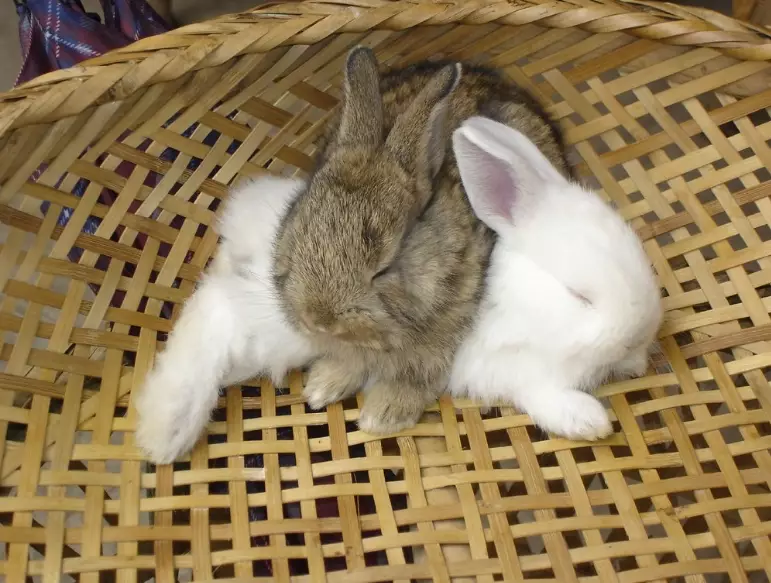
How to Read Your Rabbit’s Body Language (The Real Secret)
Forget guessing. Your rabbit is communicating constantly. The key to safe bonding is learning this vocabulary. It's more subtle than a dog's wagging tail.
Signs Your Rabbit Might Accept or Even Enjoy Contact
- The Flop: They throw themselves onto their side. This is the ultimate sign of trust and relaxation. They feel safe enough to let their guard down completely.
- Purring/Tooth Clicking: A soft, gentle grinding of teeth. Not to be confused with loud tooth grinding (a sign of pain). This is the bunny equivalent of a cat's purr, often heard when being gently stroked on the head.
- Chinning: Rubbing their chin on you. They have scent glands there. They're marking you as safe and theirs. It's a compliment.
- Nudging Your Hand: A clear request for attention and pets. This is an invitation you should always accept.
- Closing Their Eyes: Slow blinks or fully closed eyes while being petted indicate deep contentment.

Red Flags: Your Rabbit is Stressed or Scared
| Sign | What It Looks Like | What It Means |
|---|---|---|
| Thumping | A loud thud with a hind leg. Can be a single thump or a rapid series. | Danger! Fear, anger, or severe annoyance. Stop what you're doing immediately. |
| Going Stiff | Muscles tense, body becomes rigid, movement stops. | Extreme fear. The "freeze" prey response. This is not relaxation. |
| Wide Eyes & Flattened Ears | Eyes look bulging, ears are pinned back against the head. | High alert and anxiety. They are preparing to flee. |
| Grunting/Growling | A low, guttural sound. Often accompanied by a lunge or nip. | Back off! A clear warning that they feel threatened. |
| Scrambling/Scratching | Frantic kicking and pushing to get away. | They are in full panic mode and trying to escape. |
How to Cuddle a Rabbit the Right Way: A Step-by-Step Guide
This isn't about picking them up for a hug. It's about creating scenarios where closeness happens naturally. Think of it as setting the stage, not directing the play.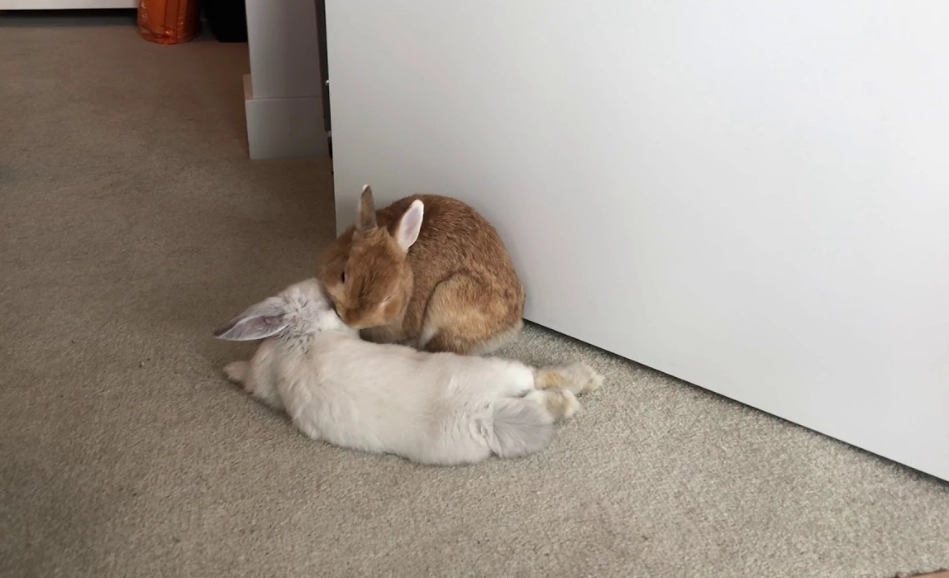
Phase 1: The Foundation (Weeks 1-4)
Location: A secure, quiet room where they free-roam.
Your Role: Be boring and predictable. Sit or lie on the floor. Read a book, watch TV, scroll on your phone. Ignore them. Let them investigate you on their schedule. Offer treats from your hand without moving suddenly. The goal is to become part of the furniture, not a threat.
Phase 2: The Invitation (When They Initiate)
When they nudge you, offer gentle pets. Stick to their "safe zones": the forehead, cheeks, and base of the ears. Most rabbits dislike being touched on the chin, belly, feet, or tail initially. Pet in the direction the fur grows. Keep sessions short—a few minutes of positive interaction is worth hours of forced holding.
Phase 3: The Lap Cuddle (A Rare Achievement)
This is the holy grail and may never happen with some rabbits. It must be 100% their idea. Sit on the floor in their space. If, after months of trust-building, they hop onto your lap, remain still. Let them settle. You can try gentle petting. If they hop off, let them go. Celebrating this single event as a victory is better than forcing it daily.
What about picking them up? You will need to do this for health checks and transport. Make it as stress-free as possible: support their hindquarters fully, hold them securely against your body, keep it brief, and always lower them onto a non-slip surface. Pair it with a high-value treat afterward to build a less-negative association. The House Rabbit Society, a leading rabbit welfare authority, has excellent guides on proper handling techniques.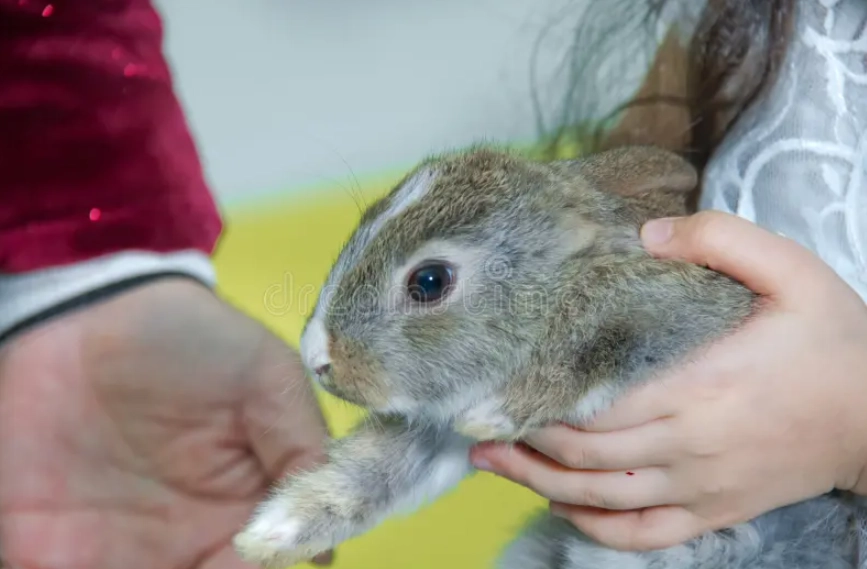
Your Top Cuddle Questions Answered
 I've had my rabbit for a year and it still doesn't like being held. Is something wrong?
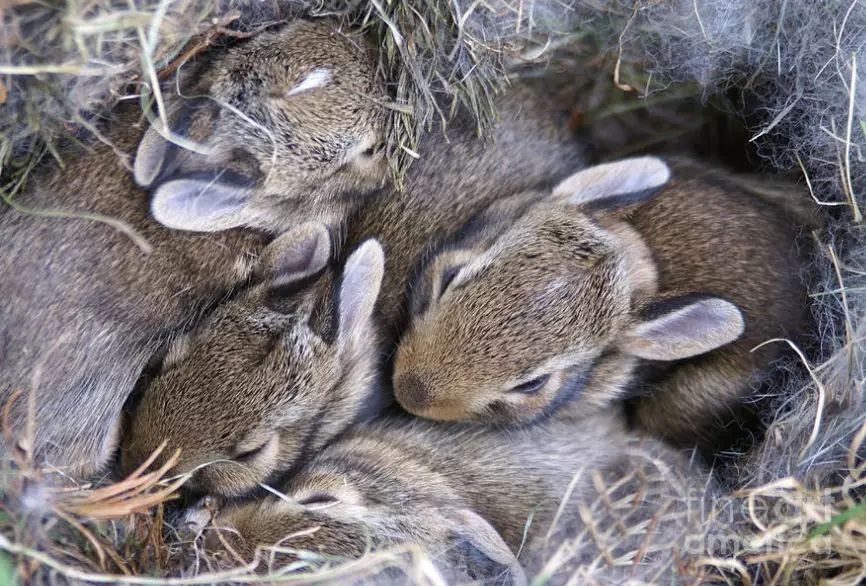 The bottom line is this: asking "do bunnies like to be cuddled?" is asking the wrong question. The right question is, "How does my rabbit prefer to give and receive affection?" When you shift your focus from what you want to what they need, you stop chasing a Hollywood fantasy and start building a real, trusting relationship with a fascinating, complex creature. It might not involve a lot of lap-sitting, but the moment your rabbit deliberately chooses to flop down beside you, you'll know you've earned something far more valuable than a cuddle.
Comment