So you're thinking about bringing a rabbit and a cat under the same roof, or maybe you already have one and are considering the other. It's a question I get a lot. The internet is full of cute videos that make it look effortless, but the reality of keeping a rabbit and cat together is more nuanced. It's not a simple yes or no. I've been working with small animals and cats for over a decade, and I've seen beautiful friendships form and, unfortunately, some stressful mismatches. The key isn't just hoping for the best; it's about understanding their fundamental instincts, managing the environment, and guiding their interactions. This guide will walk you through everything, from the initial "can they?" to the daily routines of a harmonious multi-species home.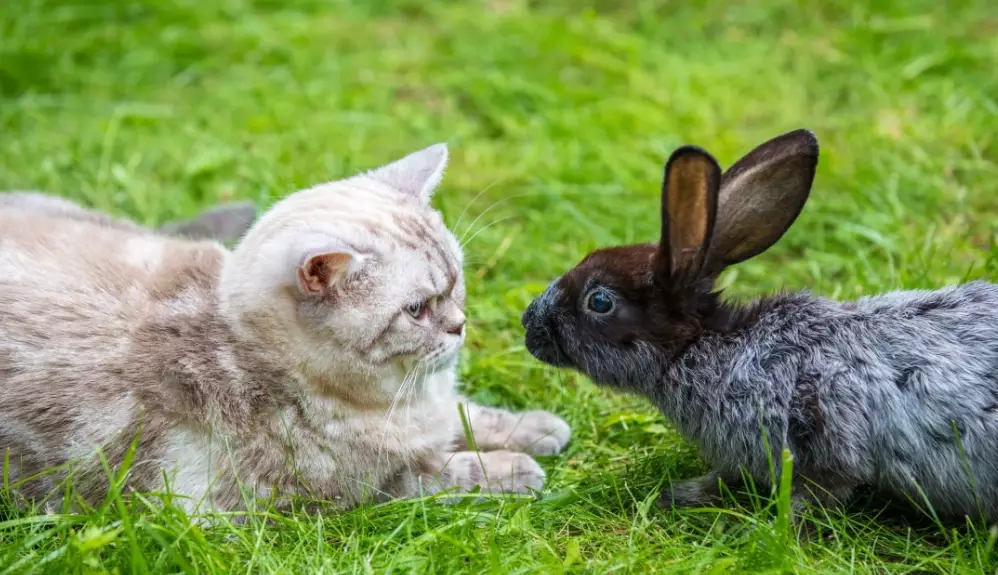
What's Inside This Guide?
The Truth About the Rabbit-Cat Dynamic
Let's cut to the chase. Cats are predators. Rabbits are prey. That biological wiring doesn't just disappear because they live in your house. However, domestic cats have a wide range of personalities, and domestic rabbits, especially confident breeds, can be surprisingly bold. The success hinges less on species and more on individual temperament.
I once worked with a laid-back, senior cat named Oliver and a giant Flemish rabbit named Clover. Oliver had zero prey drive—he was more interested in napping in sunbeams. Clover, being so large, didn't trigger any "hunt" response. They ignored each other peacefully. On the flip side, a high-energy kitten with strong hunting instincts paired with a skittish Netherland Dwarf is a recipe for constant stress, even if no physical harm occurs.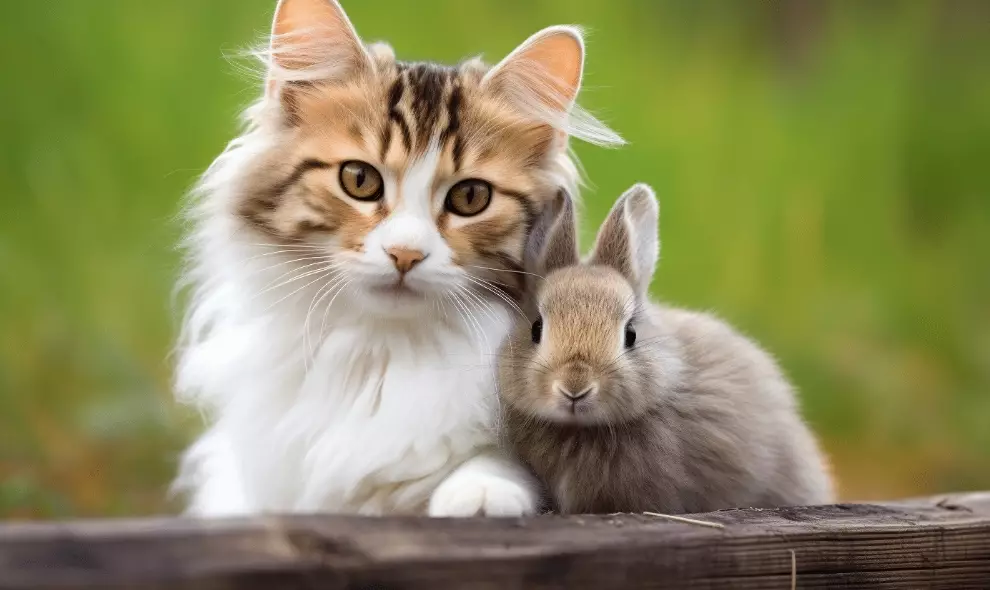
The biggest mistake I see? Owners assuming the rabbit will be the scared one. Sometimes, a large, territorial rabbit can intimidate a timid cat! You need to be prepared to manage both sides of the equation.
The Step-by-Step Introduction Process
Rushing introductions is the number one reason these relationships fail. You can't just put them in a room together. This process requires patience, measured in weeks, not days.
Phase 1: Scent Swapping and Separate Zones (Week 1-2)
Keep them completely separated but in adjacent areas. Swap their bedding or rub a cloth on one and place it near the other's food bowl (associating the new scent with something positive). Feed them on opposite sides of a closed door. This lets them get used to the idea of the other without any visual pressure.
Phase 2: Controlled Visual Contact (Week 2-3)
Use a double barrier. A pet playpen for the rabbit inside a room, with the cat on the outside, works well. Or a sturdy baby gate (rabbits can jump surprisingly high, so ensure it's tall or covered). Let them see each other. Watch their body language closely.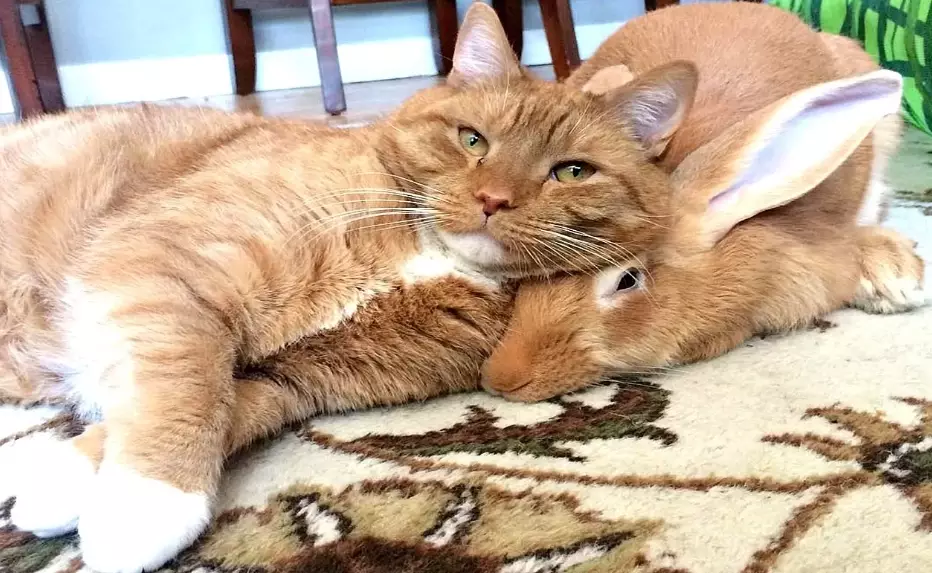
Phase 3: Supervised, Neutral Territory Meetings (Week 3-4+)
Only proceed if Phase 2 was calm. Have both animals on harnesses/leashes if possible, or have a second person to help. Choose a room neither considers their territory. Keep initial sessions under 5 minutes. Reward calm behavior with treats. The goal is boring indifference, not forced interaction.
I advise clipping the cat's claws before these sessions as a safety precaution, even if you're confident. It's a simple step that prevents accidental scratches if a playful bat turns too rough.
Creating a Shared Living Space
If introductions go well, you'll move to cohabitation. The environment must support both species' needs, which are often opposite.
Rabbit Needs Safety Zones: Your rabbit must have at least one, preferably multiple, completely cat-free sanctuaries. A large dog crate or a dedicated rabbit-proofed room with a door works. Inside, have their litter box, hay, water, and a hidey-hole. The cat must be physically unable to enter these spaces. This is non-negotiable for the rabbit's mental health.
Vertical Space for the Cat: Cats feel secure up high. Provide cat trees, shelves, and perches. This gives the cat an escape route and a place to observe from a distance, reducing the temptation to chase.
Resource Placement is Key: Never place the rabbit's food (especially fresh greens) or water where the cat can access it. Cat food is dangerous for rabbits (high protein/fat), and rabbit hay is not nutritionally complete for cats. Feed them separately, in their own zones.
Diet and Nutrition Management
Their dietary needs are wildly different. Mixing them up can lead to serious illness.
| Item | For Your Rabbit | For Your Cat | Critical Separation Note |
|---|---|---|---|
| Primary Food | Unlimited grass hay (Timothy, Orchard) | Species-appropriate wet/dry cat food | Cat must not eat rabbit's pellets/hay as main food. Rabbit must NEVER eat cat food. |
| Secondary Food | Measured leafy greens, limited pellets | N/A (treats only) | Rabbit greens are tempting to cats. Feed rabbit in its secure zone. |
| Water | Fresh water in a heavy bowl or bottle | Fresh water in a separate bowl | Have multiple water sources. A cat may drink from the rabbit's bowl, which is fine, but ensure the rabbit always has access. |
| Biggest Danger | Cat food (causes fatal GI stasis) | Rabbit fur/hairballs (from grooming) | Store all food in sealed containers. Supervise any mutual grooming. |
A subtle point many miss: rabbits are coprophagic (they eat certain cecotropes for nutrients). If a cat startles them during this vulnerable, private act, it can cause them to stop, leading to nutritional deficiencies. Another reason for those secure, private zones.
Health and Wellness Monitoring
Stress is a silent killer for rabbits. Even a cat that just "watches" can cause chronic stress.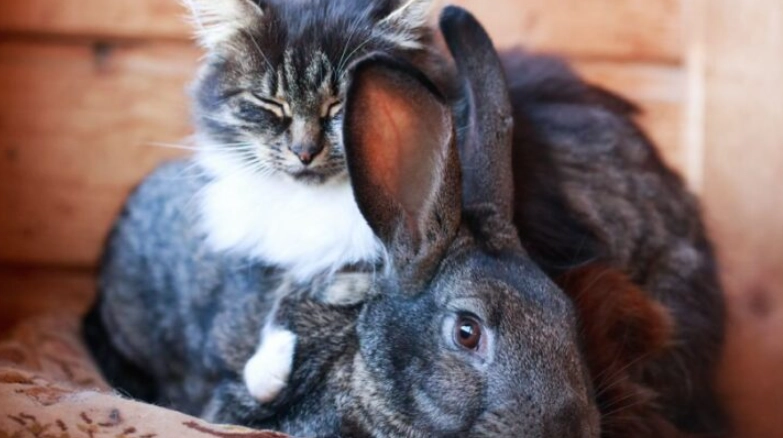
Monitor Rabbit Stress Signs:
- Changes in eating or pooping: The first sign of trouble (GI stasis).
- Hiding constantly: If the rabbit never comes out when the cat is around.
- Aggression toward the cat: Lunging or grunting can mean they feel threatened.
- Over-grooming or fur loss.
Monitor Cat Behavior:
- Obsessive staring or stalking: Even if they don't chase.
- Blocking the rabbit's access to hides or litter box.
- Play that is too rough: A cat's play bite can break a rabbit's skin easily.
You need a veterinarian experienced with both species. Annual check-ups are a must. Discuss the living situation with your vet. Parasite control (like fleas) becomes crucial, as fleas from a cat can infest a rabbit and cause serious issues.
Let me be blunt: if you see persistent stress signs in the rabbit, the arrangement isn't working. Their welfare must come first. It's okay if they need to live separately with only supervised, limited contact. A peaceful separation is better than a stressful "together."
FAQs From Pet Owners Like You
 They seem to get along fine during supervised time. Can I leave them alone together now?
Comment