You see them all summer and fall, zipping around your yard, burying nuts with frantic energy. Then, winter hits. The trees are bare, the ground is frozen, and suddenly... silence. Where did all the squirrels go? The classic answer you've probably heard is "they're hibernating." But here's the thing most generic articles get wrong: that's only half the story, and applying it to every squirrel you see is a major mistake. As someone who's spent years tracking local wildlife patterns, I can tell you the reality is far more nuanced and interesting.
Let's cut to the chase. The short answer is: it depends entirely on the type of squirrel. Some enter a deep, classic hibernation. Most of the squirrels you're familiar with don't. They employ a different, equally clever survival strategy. Understanding this difference explains why you might spot a squirrel on a mild January day and then not see another for weeks.
What's Inside: Your Quick Guide
- The Great Hibernation Divide: Tree Squirrels vs. Ground Squirrels
- What is Torpor? The Tree Squirrel's Secret Weapon
- From Feast to Cache: The Squirrel's Winter Prep Rituals
- How to Tell if a Squirrel is Hibernating vs. Just Lying Low
- What This Means for Your Backyard Squirrels
- Clearing the Confusion: Your Squirrel Hibernation Questions Answered
The Great Hibernation Divide: Tree Squirrels vs. Ground Squirrels
This is the most critical distinction. Grouping all squirrels together is like saying all bears are grizzly bears.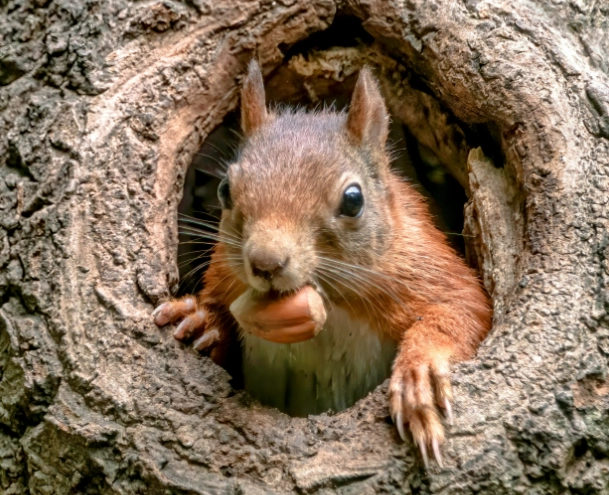
True, Deep Hibernators: These are typically ground squirrels. Think chipmunks, woodchucks (groundhogs), prairie dogs, and the various species aptly named "ground squirrels" like the Arctic ground squirrel or the thirteen-lined ground squirrel. For these guys, hibernation is the real deal. Their body temperature plummets to just a few degrees above the freezing point of their burrow. Their heart rate slows from hundreds of beats per minute to maybe five. Their breathing becomes almost undetectable. They enter a state of suspended animation for months, living off immense fat reserves built in the fall. They might rouse briefly every few weeks, but for the most part, they're out cold.
A true disappearance act.
The "Almost" Hibernators: This group includes your everyday tree squirrels—the Eastern gray squirrel, the American red squirrel, the fox squirrel. These are the acrobats in your oak trees. They do not hibernate in the classic, ground-squirrel sense. If they tried to sleep through the entire winter, they'd either starve or freeze. Their food caches aren't in a centralized, defended larder like a chipmunk's burrow; they're scattered in hundreds of shallow holes (a behavior called scatter-hoarding). They need to access them periodically. So, they've evolved a different tactic.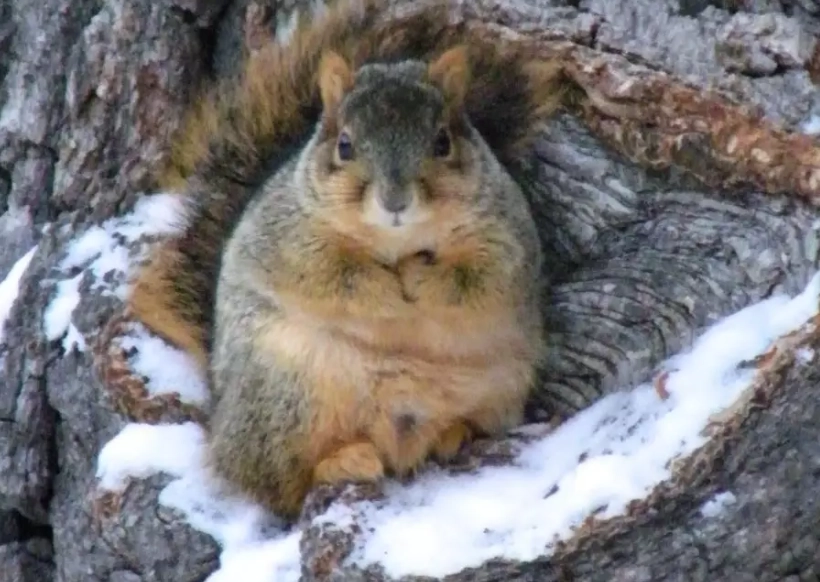
What is Torpor? The Tree Squirrel's Secret Weapon
Instead of a months-long coma, tree squirrels use a strategy called torpor or daily torpor. Think of it as hibernation-lite or power-saving mode. During severe cold snaps, heavy snow, or howling winds, a tree squirrel will retreat to its well-insulated drey (that messy ball of leaves high in a tree) or a tree cavity.
Here, it curls into a tight ball, wraps its tail around itself like a blanket, and drastically reduces its metabolic rate. Its body temperature drops, though not nearly as severely as a ground squirrel's. Its heart and breathing slow way down. This state allows it to conserve an enormous amount of energy when venturing out would be dangerous and calorie-intensive.
The key difference? Torpor is short-term. It might last for a few hours, a couple of days, or up to a week or two during the worst weather. When conditions moderate—a sunny, slightly warmer winter day—the squirrel will wake up, shiver violently to raise its body temperature, and head out to dig up some of its buried nuts. I've seen this pattern repeatedly in my own observations: a week of bitter cold with no squirrel activity, followed by a frenzy of foraging on the first thaw day.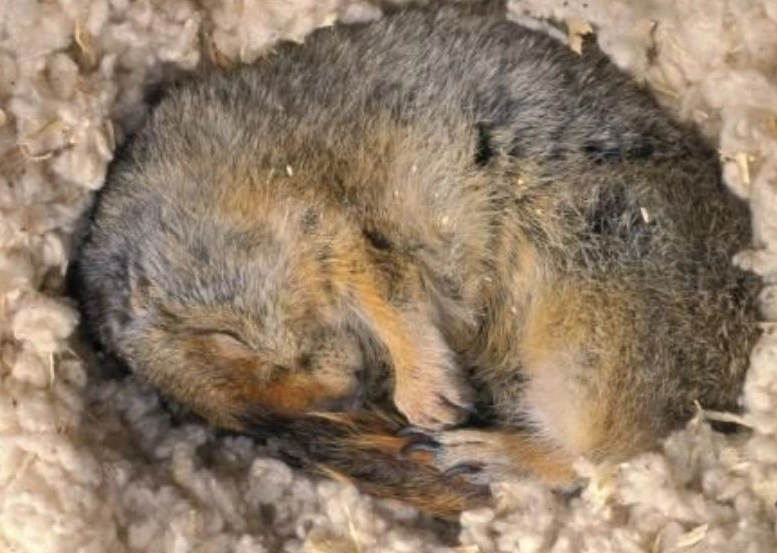
The Physiological Marvel Behind Torpor
This isn't just lazy sleeping. It's a controlled, physiological feat. The squirrel's body selectively shuts down non-essential functions. Blood flow is redirected to core organs. According to research cited by the National Wildlife Federation, some squirrels can reduce their metabolic rate by up to 90% during torpor. They're running on a tiny fraction of their usual energy, which is why those fall fat reserves are so crucial. It's a brilliant adaptation that lets them weather the storm, literally, without committing to a full hibernation cycle.
From Feast to Cache: The Squirrel's Winter Prep Rituals
Whether a true hibernator or a torpor-user, autumn is a time of insane activity. This is where the common misconception that "squirrels remember where they bury every nut" gets debunked. They don't. Their strategy is based on volume and smell.
In late summer and fall, you'll see them in a manic state. They're not just eating; they're caching. A single gray squirrel can bury thousands of nuts across an area of several acres. They don't rely on perfect memory. Instead, they use spatial memory for some caches, but primarily, they rely on their exceptional sense of smell to locate food under a foot of snow. Studies, like those referenced by the University of California's Integrated Pest Management program, show they can smell a nut through the frozen ground.
They also practice "deceptive caching"—pretending to bury a nut to throw off potential thieves (other squirrels or birds) watching them. I've watched one squirrel go through an elaborate pantomime of digging and covering an empty spot, only to dart away and hide the real acorn elsewhere. It's a high-stakes game of hide-and-seek that ensures their winter survival.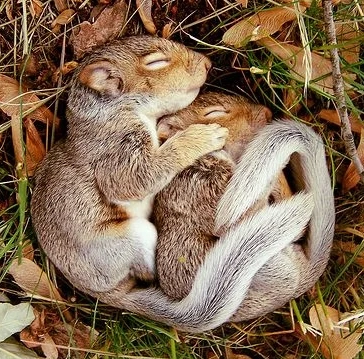
| Squirrel Type | Hibernation Style | Key Winter Behavior | Where to Look in Winter |
|---|---|---|---|
| Eastern Gray Squirrel | Daily Torpor | Active on mild days; digs up scatter-hoarded nuts. | Tree dreys (leaf nests), tree cavities, base of trees where they're digging. |
| American Red Squirrel | Daily Torpor | Defends a central midden (pile of pine cones); more active in coniferous forests. | Conifer trees, around large piles of cone scales. |
| Groundhog (Woodchuck) | True Hibernation | Completely absent from late fall to early spring. | Sealed burrow entrance. You won't see them. |
| Chipmunk | True Hibernation (with interruptions) | Sleeps deeply; may wake to eat from stored burrow larder. | Underground burrows, often near stone walls or logs. |
| Fox Squirrel | Daily Torpor | Similar to gray squirrel; may be less active in extreme cold. | Large tree cavities, wooden nest boxes. |
How to Tell if a Squirrel is Hibernating vs. Just Lying Low
This is a practical skill for any backyard nature watcher. Let's set the scene: It's December, 20°F (-6°C), and you haven't seen a squirrel in days.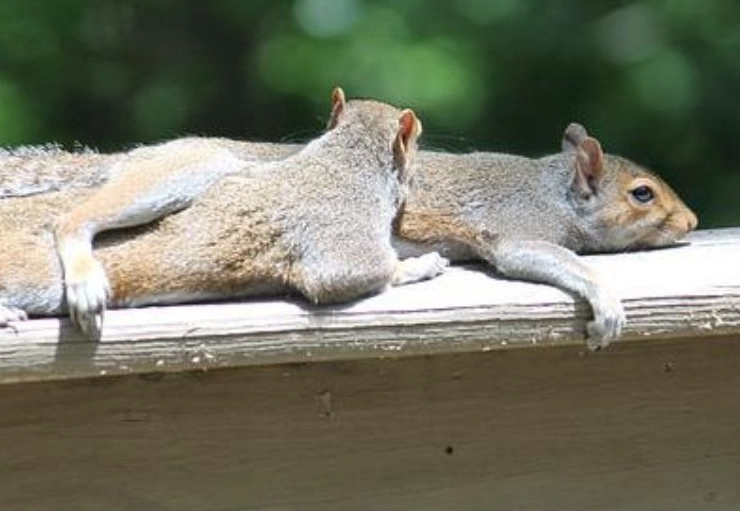
If it's a tree squirrel (gray, red, fox): It's almost certainly in a state of torpor in its drey. It's not dead, just in energy-saver mode. Check the leafy nests in your trees. If they look intact and balled-up tightly, there's likely a tenant inside riding out the cold. On the next day that climbs above freezing with some sun, keep an eye out. You'll likely see one emerge, looking a bit groggy but quickly getting to work.
If it's a ground squirrel (chipmunk, groundhog): It is in deep hibernation underground. Its burrow entrance is likely plugged with dirt and leaves to insulate it. You won't see any sign of it until spring truly arrives. The groundhog's famous February 2nd appearance is, biologically speaking, a brief arousal from hibernation to check conditions, not the end of its winter sleep.
What This Means for Your Backyard Squirrels
Understanding their winter strategy changes how you might interact with them.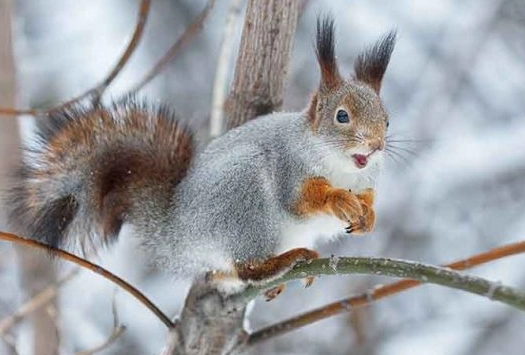
To feed or not to feed? This is a hot debate. My take, after years of watching them: supplemental feeding in winter isn't necessary for their survival—they're master survivalists—but it can provide a helpful boost during harsh stretches and offer you incredible viewing opportunities. If you do feed, offer high-energy foods: unsalted peanuts in the shell, black oil sunflower seeds, walnuts, or even a small chunk of suet. Avoid bread, salty snacks, or sugary treats. Place food in a sturdy feeder or on a platform away from cats.
Providing shelter is arguably more impactful. Leaving up dead tree snags (if safe) provides crucial natural cavities. Installing a wooden squirrel nesting box on a tall tree can give them a critical, draft-free alternative to a leafy drey. I put one up five years ago, and it's been occupied every winter since.
The bottom line? Your backyard tree squirrels aren't sleeping the winter away. They're engaged in a delicate, energy-balanced dance with the elements, waking periodically to refuel. They're much tougher than they look.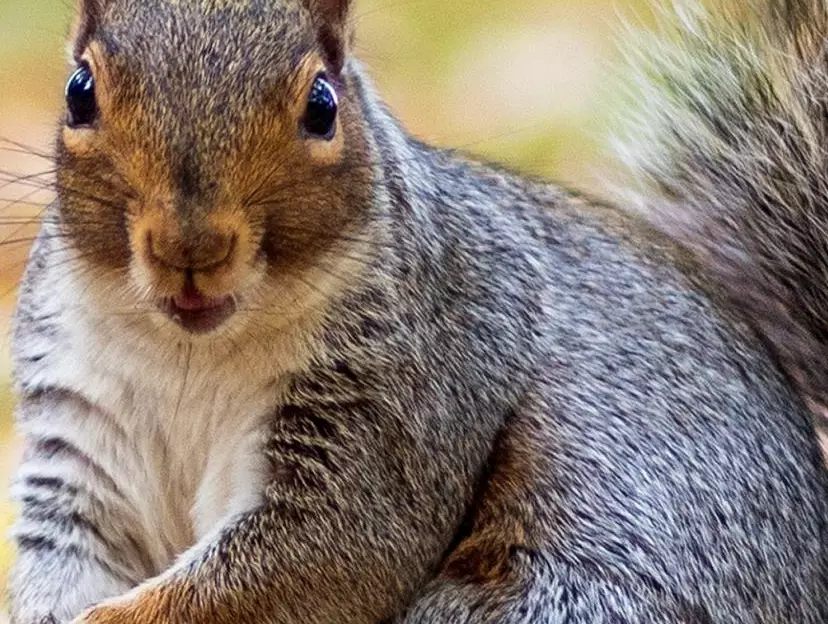
Reader Comments