You see a fluffy, long-eared creature dart across a field. Is it a rabbit or a hare? Most people use the terms interchangeably, and honestly, I did too for years. It wasn't until I spent a season volunteering with a local wildlife rehab center that the penny dropped. The differences aren't just academic; they're written in their bones, their babies, and their very way of life. Calling a hare a rabbit is like calling a cheetah a leopard—they might look similar from a distance, but up close, it's a whole different story. This guide is for anyone who's ever been curious, confused, or just wants to settle a bet. We're going beyond the textbook and into the dirt to see what really separates these two lagomorphs.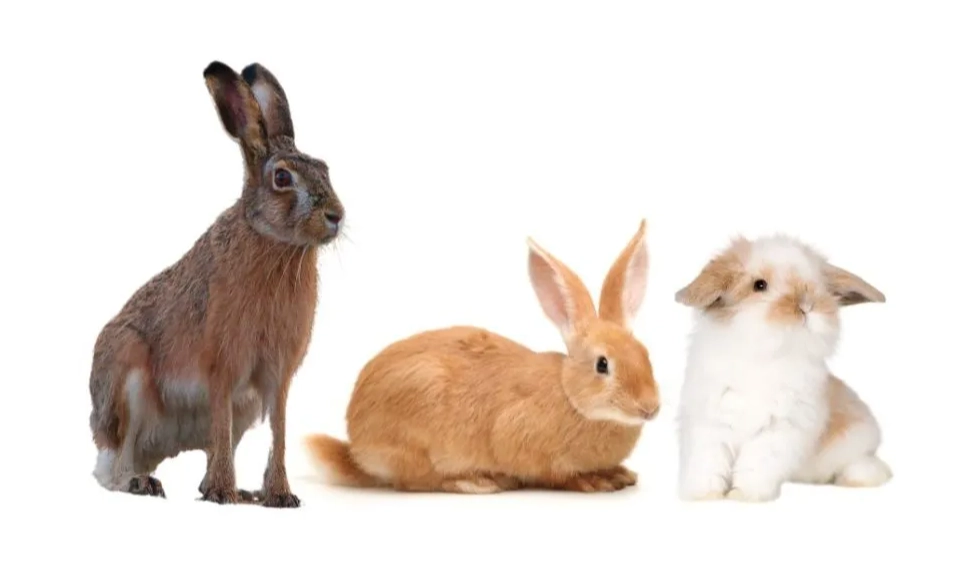
What's Inside?
- The Big Confusion: Why We Mix Them Up
- Side-by-Side: The Key Differences at a Glance
- Physical Differences: Built for Different Lives
- Behavior & Social Life: The Solo Sprinter vs. The Social Burrower
- Habitat & Diet: Kitchen vs. Takeout
- Why Getting It Right Actually Matters
- Your Questions, Answered (By Someone Who's Messed This Up)
The Big Confusion: Why We Mix Them Up
Let's start with the obvious: they look alike. Both are mammals in the order Lagomorpha (which also includes pikas), with those iconic long ears, powerful hind legs, and constantly growing teeth. Culturally, they're blended together in folklore, from the Easter Bunny (technically a hare in Germanic tradition) to Bugs Bunny (who acts more like a wise-cracking hare but lives in a burrow like a rabbit). Even the name "jackrabbit" is a misnomer—it's actually a type of hare. The confusion is baked in. But scientifically, they belong to different genera. Most rabbits are in the genus Oryctolagus (like the European rabbit) or Sylvilagus (cottontails), while hares are in the genus Lepus. This genetic split happened millions of years ago, leading to adaptations that suit completely different survival strategies.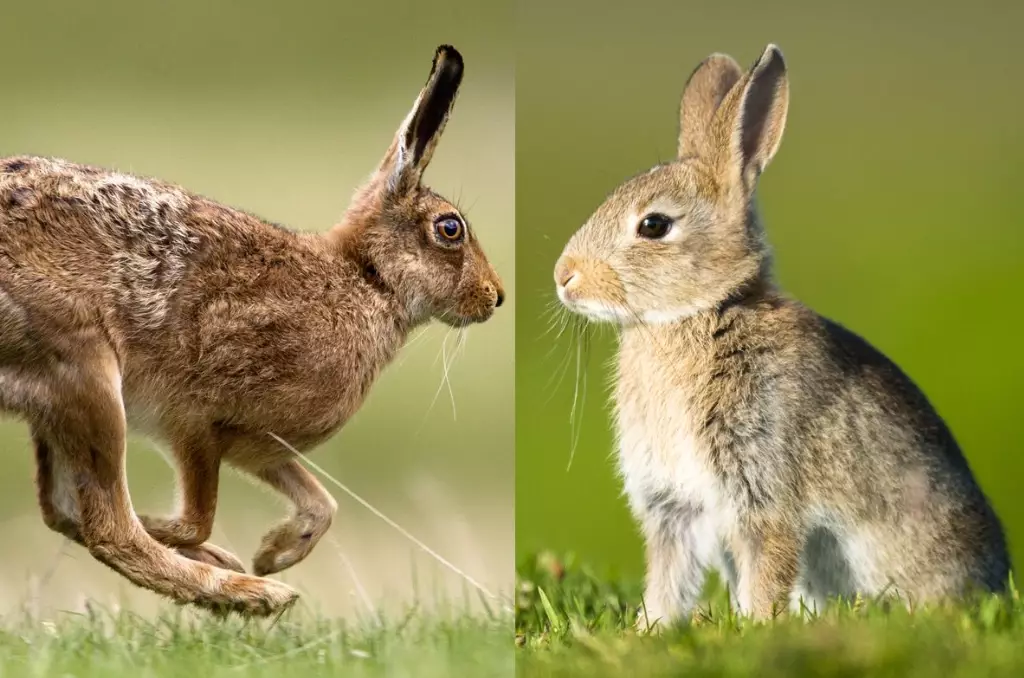
Side-by-Side: The Key Differences at a Glance
Before we dive deep, here's a cheat sheet. This table sums up the headline differences. Keep it handy.
| Feature | Rabbit | Hare |
|---|---|---|
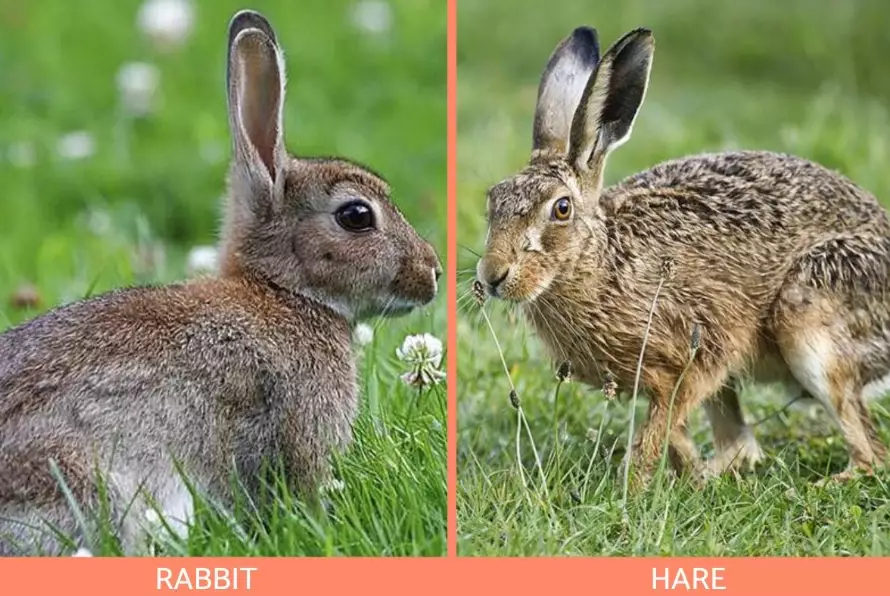
| Size & Build | Generally smaller, more compact body. Rounded, "cuddly" silhouette. | Larger, leaner, and more athletic build. Longer legs proportionally. |
| Ears | Shorter relative to head, often with rounded tips. Fur inside. | Substantially longer (often longer than head), with distinct black tips. More vascular. |
| Legs & Feet | Shorter hind legs. Feet are fur-covered. | Extremely long, powerful hind legs for sprinting. Large feet with thick pads for traction. |
| Offspring (Biggest Tell) | Altricial: Born hairless, blind, and helpless in an underground nest (kindle). Need weeks of care. | Precocial: Born fully furred, eyes open, and mobile within minutes (leveret). Ready to run. |
| Primary Defense | Freeze, then dart to a nearby burrow. Safety in numbers underground. | Outrun the threat. Relies on speed and endurance in open terrain. |
| Social Structure | Often colonial. Live in complex warren systems with social hierarchies. | Largely solitary. Come together only to mate. No permanent shared home. |
| Habitat Preference | Edges: meadows with nearby brush, forests, hedgerows. Needs cover for burrows. | Open spaces: prairies, arctic tundra, deserts, farmland. Needs room to run. |
| Nest / Home | Digs extensive, multi-room burrows (warrens). | Scrapes out a shallow depression in the ground (form). No digging. |
Physical Differences: Built for Different Lives
Look closer. A hare isn't just a big rabbit. Their bodies tell the story of their lifestyle.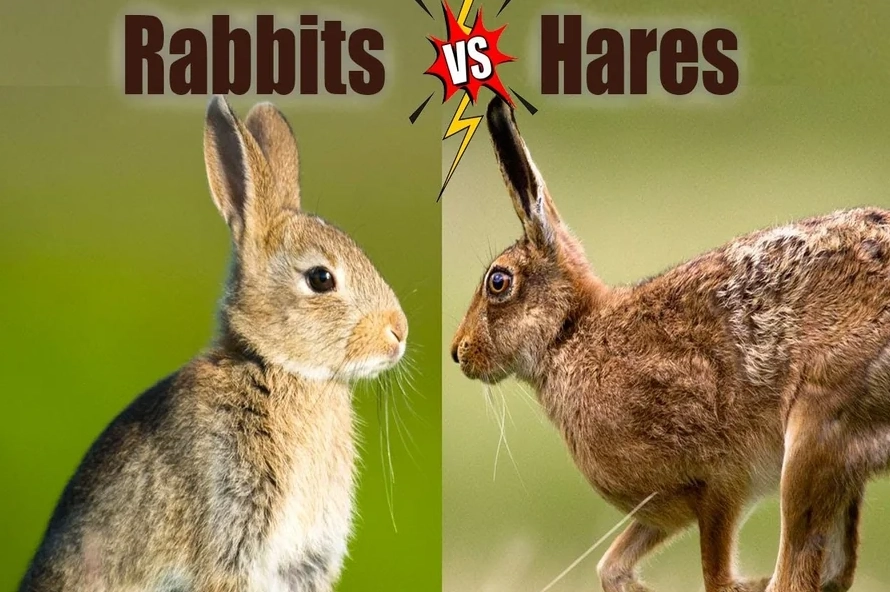
The Hare: Built for the Open Road
Hares are the marathon runners of the duo. Those incredibly long hind legs aren't for show. A European hare (Lepus europaeus) can hit speeds of 45 mph (72 km/h) and change direction in a blink. Their large feet act like snowshoes in winter or give grip on loose soil. Their ears are like satellite dishes—not just for hearing predators from far away, but as radiators. The thin skin and extensive blood vessels help dissipate heat during a long chase, a fact detailed in research on thermoregulation in lagomorphs. The black tips might aid in communication or reduce glare.
The Rabbit: Built for the Burrow
Rabbits are diggers, not sprinters. A more compact body moves efficiently in tight tunnels. Their shorter, fur-padded feet are for traction in dirt, not sprinting on turf. Their ears, while excellent, are more proportionate to a life spent close to the ground and in dense cover. Everything about a rabbit's physique whispers "subterranean." I once watched a domestic rabbit (descended from European rabbits) try to navigate a slick floor—it was all hop and no grip. Put it on soil, though, and it started digging a mock burrow in minutes. The instinct is that strong.
Behavior & Social Life: The Solo Sprinter vs. The Social Burrower
This is where their personalities—for lack of a better word—diverge completely.
Hares are the lone wolves. You'll usually see one by itself, sitting in its "form," a shallow depression it claimed. They're incredibly self-reliant from birth. A leveret is born ready to survive. The mother visits maybe once a day to nurse, minimizing scent to avoid attracting predators. Their strategy is dispersion and speed. If you startle a hare, it bolts in a straight, fast line, relying on distance for safety.
Rabbits are community organizers. A warren is a bustling underground city with multiple entrances, nesting rooms, and even designated latrines. According to the Mammal Society, European rabbit societies have complex hierarchies with dominant bucks and does. Their defense is about early warning and quick retreat. A rabbit will freeze, thump its foot to alert the colony, then zig-zag to the nearest hole. I've seen this in a meadow—one thump, and a dozen rabbits vanished into the earth in three seconds flat.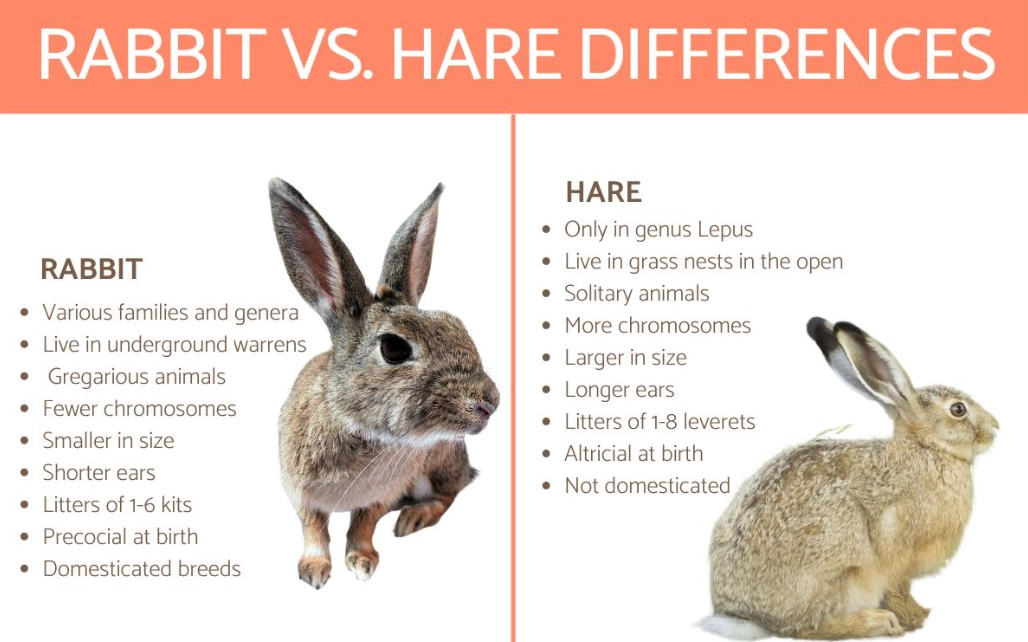
Habitat & Diet: Kitchen vs. Takeout
Where you find them is a dead giveaway.
Rabbits need cover. They thrive in habitat edges: the border between a field and a woods, a hedgerow, scrubland. They need soft soil for digging and dense vegetation for quick cover. Their diet is that of a careful forager—tender grasses, herbs, and vegetables. They often have a "lawn" near their burrow they keep grazed short.
Hares need a vista. Prairies, steppes, arctic tundra, open farmland. They need to see danger coming from a long way off. Their diet is tougher, literally. They consume more woody plants, bark, twigs, and hardy herbs. They can't afford to be picky eaters in an open field where browsing makes you visible. It's a more rugged menu for a more rugged life.
Why Getting It Right Actually Matters
This isn't just trivia. Knowing the difference has real-world implications.
For Pet Owners: Everything marketed for "rabbits" is designed for burrowing, social, altricial-offspring animals. The care, housing, and social needs of a rabbit DO NOT translate to a hare. Hares are high-strung, require immense space to run, and are notoriously difficult to keep alive in captivity due to stress. They are not, and should never be, considered pets.
For Gardeners & Farmers: Your culprit likely depends on your landscape. Extensive garden damage near a wooded edge? Probably rabbits using your garden as their pantry. Damage out in the middle of an open field? More likely hares. Control methods can differ.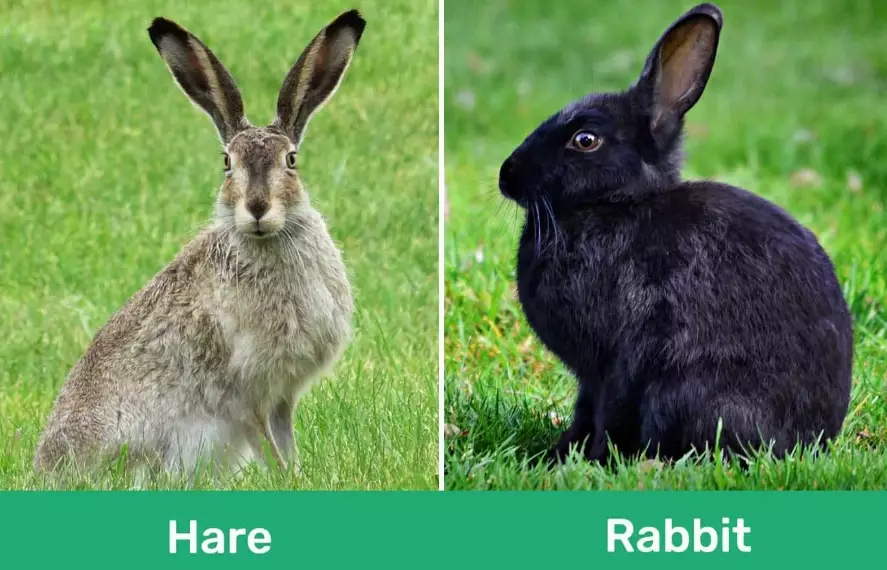
For Wildlife Observers & Conservation: Accurate identification is crucial for population surveys and conservation efforts. Species like the Iberian lynx primarily prey on rabbits, not hares. The decline of rabbit populations in Spain directly threatened the lynx. Mixing up the two in data skews the science.
Your Questions, Answered (By Someone Who's Messed This Up)
 What's the deal with "jackrabbits" and "cottontail rabbits"? Which are they really?
Comment