You see a fluffy, long-eared animal dart across a field or maybe you're considering a pet. Is it a bunny, a rabbit, or a hare? Most people use these terms interchangeably, and that's where the confusion starts. I've spent years observing lagomorphs (that's the order they all belong to), and the mix-up is incredibly common. The truth is, "bunny" is just a cute nickname, usually for a young or domestic rabbit. The real puzzle is rabbit vs. hare. They're as different as dogs and foxes—related, but with distinct lives, bodies, and strategies for survival. Let's clear this up once and for all.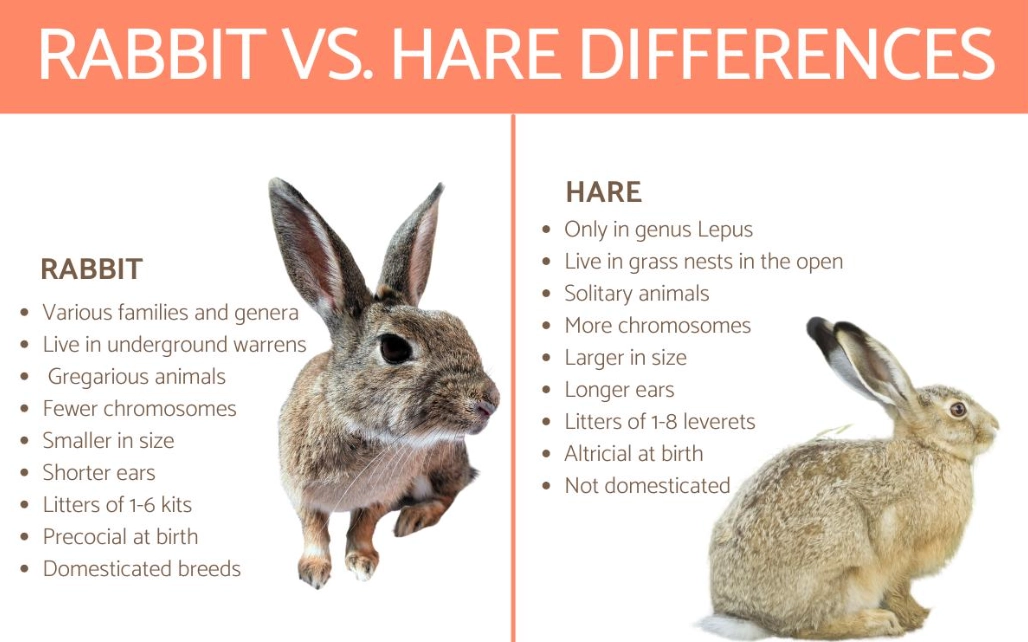
What's Inside This Guide
What's the Key Difference Between Rabbits and Hares?
If you remember one thing, let it be this: rabbits are born helpless and hares are born ready to run. This single fact shapes everything about them. It's not just size or ear length—those can be misleading. A snowshoe hare isn't always bigger than a Flemish Giant rabbit, for instance.
The real split is in their biology and life strategy. Hares are precocial. Their babies, called leverets, hit the ground with a full coat of fur, open eyes, and the ability to hop within a short time. They're like tiny, independent mini-adults from day one. Rabbits are altricial. Newborn kits (not bunnies, technically) are naked, blind, and completely dependent on their mother's care in a secure nest for weeks.
This fundamental difference stems from their evolutionary paths. According to taxonomic classification, they're in the same family (Leporidae) but different genera. Think of it like cousins, not siblings. Hares (genus Lepus) evolved for open, exposed environments where speed and early mobility were key. Rabbits (genus Oryctolagus for the European rabbit, Sylvilagus for cottontails) evolved strategies centered on hiding and communal living for protection.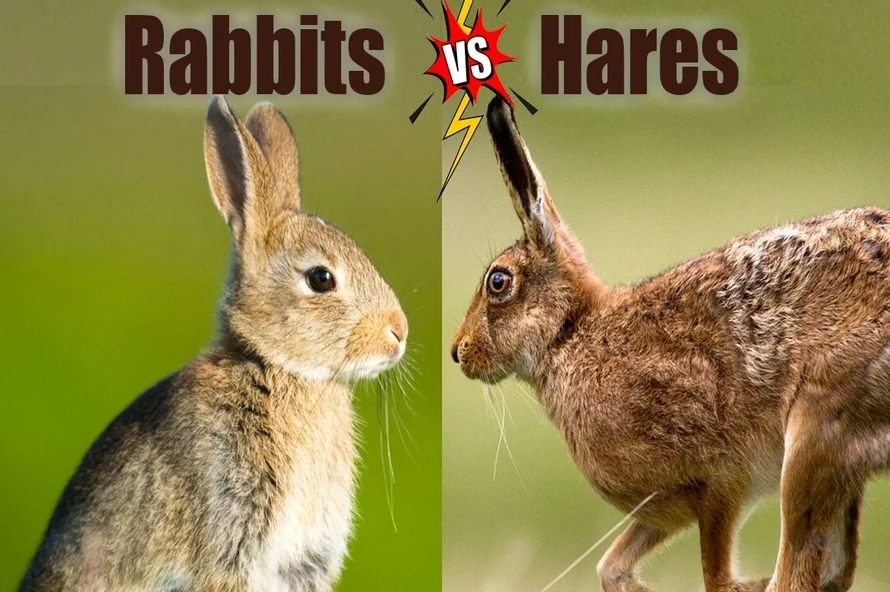
Side-by-Side: Anatomy and Physical Traits
Beyond infancy, their bodies give clear clues. Here’s a breakdown of the physical distinctions that help with identification.
| Trait | Rabbits (e.g., Cottontail, Domestic) | Hares (e.g., Jackrabbit, Snowshoe Hare) |
|---|---|---|
| Build & Limbs | Compact, rounded body. Shorter hind legs relative to body size. Built more for quick, dodging bursts into cover. | Lanky, athletic build. Noticeably longer, powerful hind legs designed for sustained high-speed running across open ground. |
| Ears | Ears are shorter, rounded at the tips, and proportionate to the head. A domestic rabbit's long ears are a bred trait. | Ears are significantly longer, often black-tipped, and look oversized compared to the head. They act like radiators for heat dissipation. |
| Skull & Face | Rounded, softer facial structure. The brow ridge is less pronounced. | Longer skull with a more pronounced, bony brow ridge. The face has a "wilder," more alert expression. |
| Coat & Coloration | Fur tends to be softer and consistent in color year-round (for wild species). Cottontails have the namesake white puff. | Coarser fur. Many species, like the Snowshoe Hare and Arctic Hare, undergo a dramatic seasonal molt from brown/gray in summer to brilliant white in winter. |
| Feet | Smaller feet with less fur padding. | Large feet, especially in northern species. The Snowshoe Hare's huge hind feet act like snowshoes to prevent sinking. |
Notice I used "Jackrabbit" as an example for hares. That's a classic misnomer that trips everyone up. Jackrabbits are hares, not rabbits. The name just stuck. When you see one, those massive hind legs and satellite-dish ears are dead giveaways.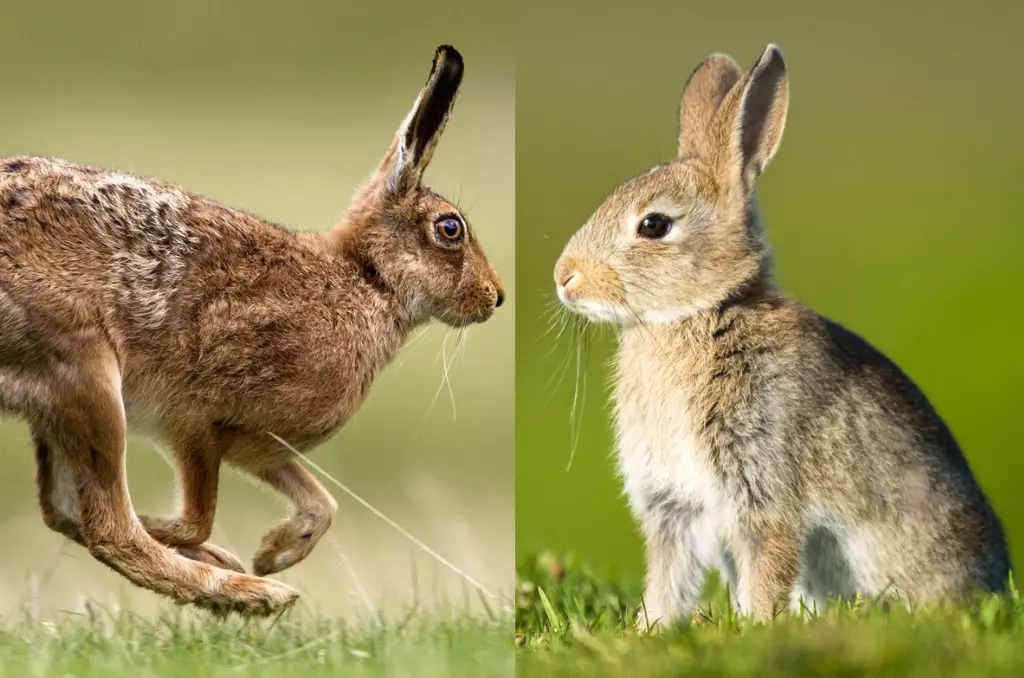
Behavior and Habitat: Where and How They Live
This is where their lifestyles dramatically diverge. You can't understand the rabbit vs. hare difference without seeing how they interact with their world.
Social Structure and Shelter
Rabbits are social burrowers. European rabbits live in complex, communal warrens—networks of underground tunnels that offer protection from predators and weather. Cottontails, which don't dig extensive burrows, still rely on dense thickets, brush piles, or abandoned burrows for cover. They're homebodies with a defined, hidden core territory.
Hares are solitary nomads. They don't dig burrows. Ever. A hare lives its entire life above ground. They rest in shallow depressions called "forms," often hidden in tall grass or under a bush. These are just temporary resting spots, not homes. Hares are typically solitary except during mating season. They rely on camouflage, immobility, and their explosive speed to survive.
Defensive Strategies
Watch how they run. A startled cottontail rabbit will zigzag erratically in a short, frantic dash for the nearest cover—a classic evasion tactic. A jackrabbit (hare) will rely on its straight-line speed, reaching over 45 mph and outrunning many threats in the open. It's the difference between a dodge and a sprint.
Their reaction to threat is also telling. A rabbit thumps its hind feet as a warning to others in the colony. A hare, being alone, will often freeze and rely on its camouflage, flushing only when the threat is very close.
How Can You Tell a Hare from a Rabbit in the Wild?
Let's make this practical. You're on a hike or looking out your backyard. Here’s your mental checklist, in order of what's most observable: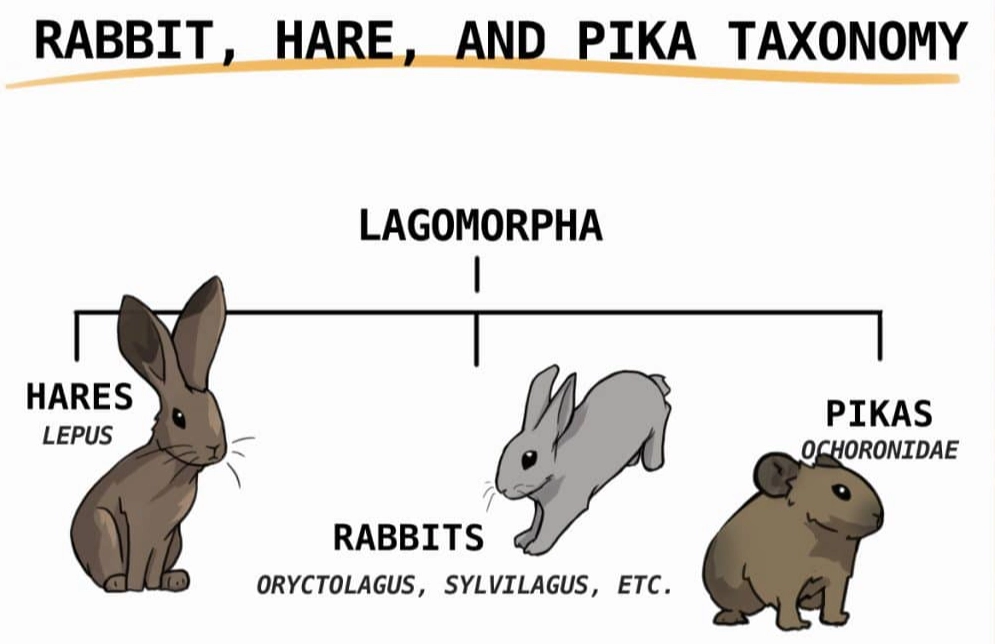
First, look at the landscape. Are you in an open meadow, prairie, or arctic tundra? Think hare. Are you near the edge of a woods, in a brambly field, or a suburban backyard with shrubs? Think rabbit.
Second, observe the escape. Does it bolt in a straight line across the field with enormous, bounding leaps? Strong hare signal. Does it make a quick, jinking dash into a thicket or a hole? That's classic rabbit behavior.
Third, note the physique (if you get a good look). Those gigantic hind legs and ears that seem too big for its body? You're probably looking at a hare. A more rounded, compact creature with proportionally shorter ears is a rabbit.
I remember leading a nature walk where we spotted an animal in a fallow field. Everyone shouted "Rabbit!" But its lanky posture and the way it just sat still, ears tall, made me pause. Through binoculars, the black ear tips confirmed it—a young Black-tailed Jackrabbit, a hare. The habitat was right, but its demeanor and anatomy gave it away.
Your Rabbit vs. Hare Questions Answered
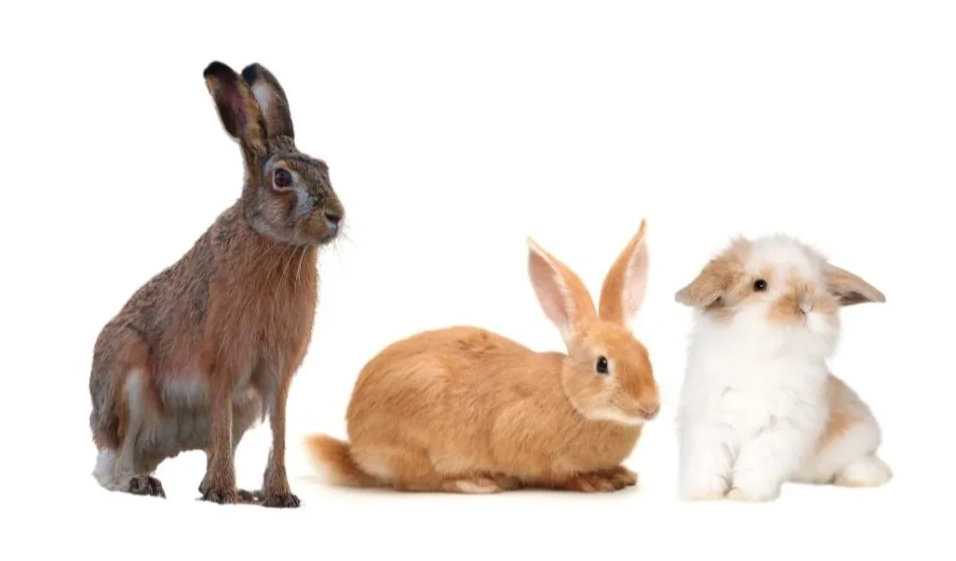 What about the "bunny" in the pet store? Is that a rabbit or a hare?
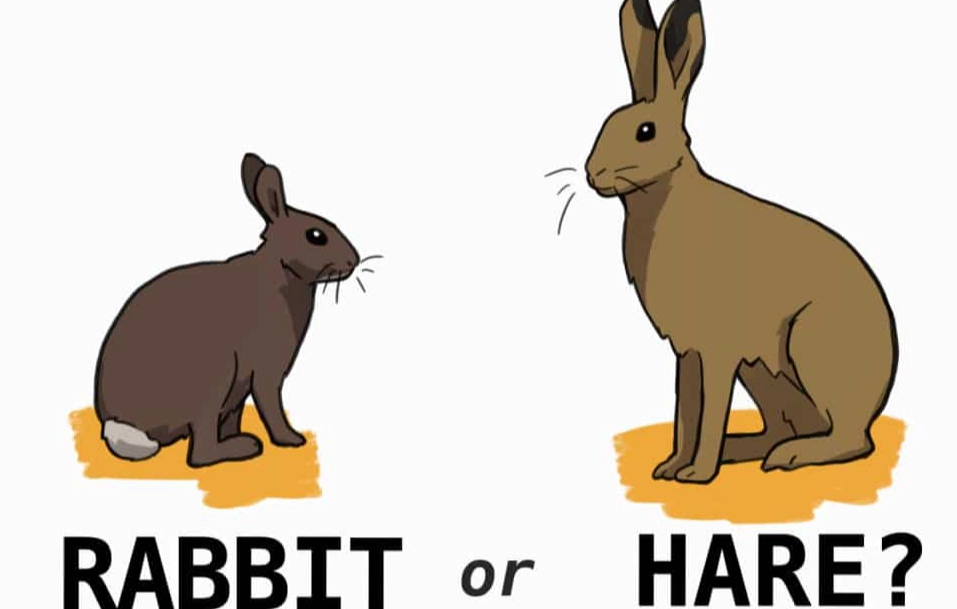 So, the next time you see one of these animals, take a second. Look at its frame, its ears, where it is, and how it moves. That fluffy creature isn't just a generic "bunny." It's either a rabbit, an engineer of underground communities and quick hides, or a hare, a solitary athlete built for speed and survival in the open. Understanding that difference adds a whole new layer to appreciating the natural world right outside your door.
Comment