Let's cut straight to the chase. Yes, newborn rabbits absolutely need food. But the real question isn't a simple yes or no. It's what they need, how they get it, and what you must do if the normal process breaks down. Getting this wrong isn't just a minor mistake—it's often fatal within hours. I've seen too many well-meaning people panic and reach for cow's milk or bread, a decision that seals a kit's fate. The truth is, a newborn rabbit's nutritional needs are hyper-specific, and understanding them is the difference between life and death.
What You'll Learn Inside
The First and Best Food: Understanding Rabbit Mother's Milk
In a perfect world, you'd never have to ask "do newborn rabbits need food?" because the mother doe handles everything. But you need to know what "everything" entails to spot when things go wrong.
Rabbit milk is unlike the milk from our common domestic animals. It's incredibly rich—packing nearly twice the calories of goat or cow milk—and extremely high in fat and protein. This isn't an accident. Baby rabbits (kits) are born hairless, blind, and utterly helpless. They need a powerhouse fuel to support their rapid development, and they only get one or two chances a day to tank up.
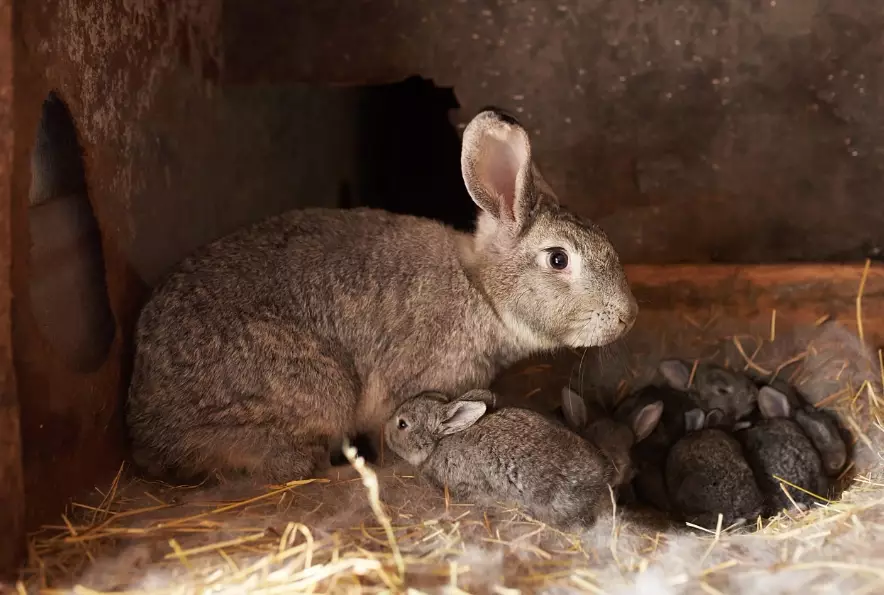
Here's a fact few people realize: A mother rabbit only nurses her young for about 5 minutes, once or twice in a 24-hour period, usually under the cover of dawn or dusk. This is a survival instinct to avoid attracting predators to the nest. If you never see her feeding them, that's completely normal. Don't assume abandonment.
So how do you know if they're getting fed? You look at the kits themselves. A well-fed newborn rabbit will have a warm, rounded belly. Their skin will be pink, not blue or wrinkled. They'll be quiet and still, nestled together in the nest. If they're scattered, cold, constantly squeaking, or their bellies are sunken, that's a five-alarm fire. They are not getting food.
Emergency Protocol: How to Feed Orphaned Newborn Rabbits
This is the scenario that keeps rabbit rescuers up at night. You find orphaned kits, or the mother is sick, deceased, or rejecting them. Now you are the food source. Panic is the enemy. A systematic approach is everything.
What You Must Have (The Shopping List)
Throw out any notion of using household items. You need the right tools.
- Formula: Kitten Milk Replacer (KMR) or a specially formulated rabbit milk replacer like Wombaroo. Goat's milk can be a temporary emergency substitute. Cow's milk, human baby formula, and plant-based milks are toxic and will cause fatal diarrhea.
- Feeding Syringe: A 1cc or 3cc oral syringe without a needle. Never use a dropper—it's too easy to flood their lungs. Pet nurser bottles are usually too big for newborns.
- Stimulation Tools:
You'll also need a soft cloth or cotton ball dampened with warm water. Newborn rabbits cannot urinate or defecate on their own. The mother licks them to stimulate elimination. If you don't do this before and after every single feeding, they will die from toxic buildup, even if their stomach is full. It's that critical.
The Feeding Process: A Minute-by-Minute Breakdown
Warm the formula to body temperature (about 100°F or 38°C). Test a drop on your wrist. Too hot destroys nutrients; too cold causes cramps.
First, gently stimulate the genital area with the warm, damp cloth for about 30 seconds. You should see a small amount of waste.
Now, hold the kit upright, never on its back. Place the syringe tip at the side of its mouth. Let it suckle and swallow at its own pace. A newborn might only take 0.5cc to 1cc per feeding. Forcing formula is a death sentence. If you see milk bubbling from the nose, stop immediately, hold the kit head-down, and gently clear its nostrils. Aspiration pneumonia kills fast.
After feeding, stimulate again for elimination. Then return the kit to a warm, quiet nest (a box with soft bedding and a heating pad set on low under half the box).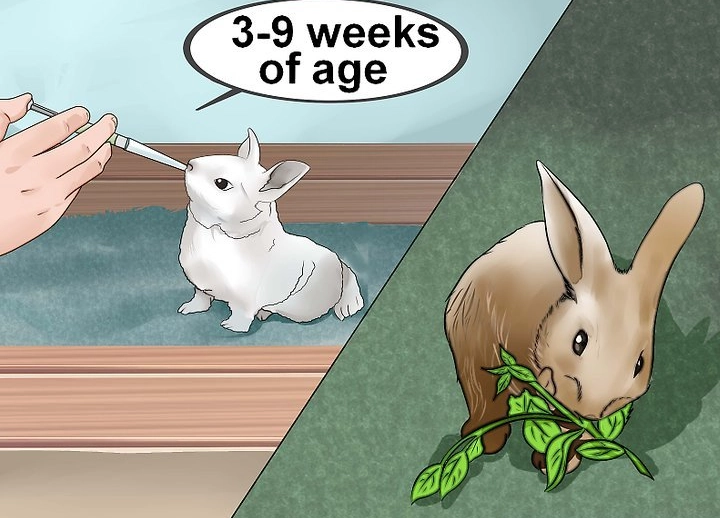
The Lifeline Schedule: How Much and How Often
This isn't guesswork. Overfeeding is as dangerous as underfeeding. Their stomachs are tiny. Here’s the blueprint I've used for years.
| Age of Kit | Feeds Per 24 Hours | Amount Per Feed | Critical Notes |
|---|---|---|---|
| Birth - Day 3 | 2 (every 12 hrs) | 0.5 - 1.5 cc | Extremely fragile. Focus on warmth and minimal handling. |
| Day 4 - Day 7 | 2 | 2 - 3 cc | You may see a slight increase in activity. |
| Week 2 | 2 | 5 - 7 cc | Eyes begin to open around day 10. Fur growing. |
| Week 3 | 2 | 7 - 10 cc | Start introducing orchard grass hay & pellets. |
| Week 4 - 6 | 1 (gradually wean) | Reduce amount | Primary nutrition should now be from hay/pellets. |
See the pattern? It's infrequent but concentrated. Mimicking the mother's natural schedule is key to their digestive health.
The Weaning Transition: From Milk to Munching
Around three weeks, their eyes are open, and they're starting to wobble around. This is when you introduce solid foods, but milk is still their mainstay.
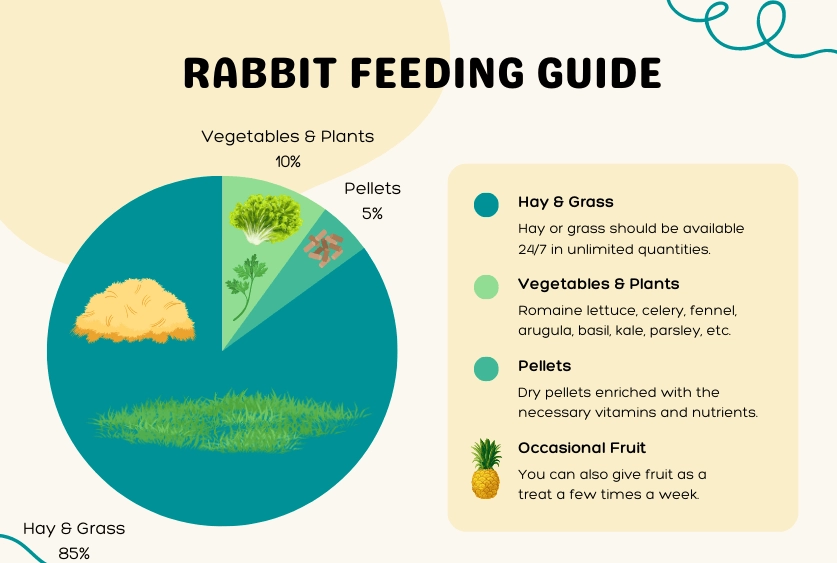
Place a small handful of high-quality alfalfa hay and a few tablespoons of plain, high-fiber young rabbit pellets in their nest area. Alfalfa is higher in protein and calcium, perfect for growing kits. Also offer a shallow dish of fresh water. They'll nibble out of curiosity.
By weeks 4 to 6, their consumption of hay and pellets will increase. You can start reducing the amount of formula in their once-daily feeding. Watch their droppings. Small, round, dry fecal pellets mean the digestive system is handling the solids well. If droppings stop or become mushy, slow down the weaning and consult a vet.
By 8 weeks, they should be fully weaned, eating unlimited grass hay (you can transition from alfalfa to timothy/orchard), a measured amount of pellets, and fresh greens introduced slowly.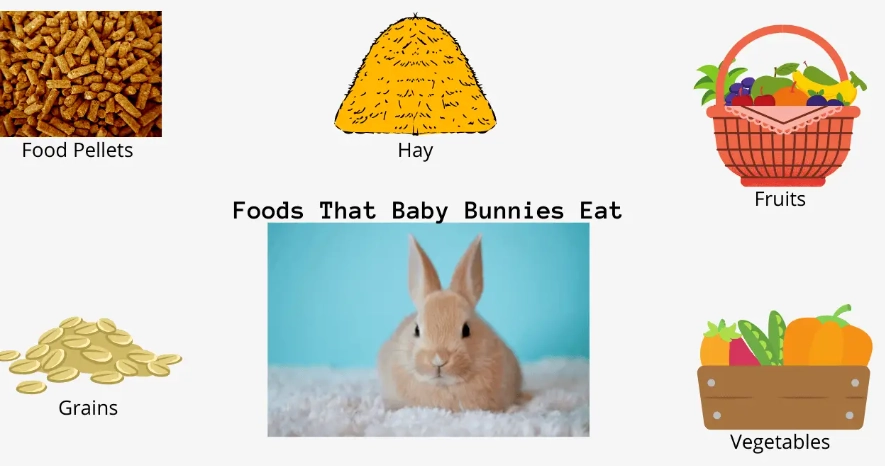
The Top 3 Fatal Mistakes (And How to Avoid Them)
After fostering dozens of orphaned litters, I see the same errors repeated. Let's dismantle them.
Mistake #1: Assuming abandonment and intervening too soon. A mother rabbit who seems to ignore her nest is following her natural protocol. She stays away to keep predators away. If the kits are warm and quiet, leave them alone. Only intervene if there are clear signs of distress (cold, squeaking, scattered).
Mistake #2: Using the wrong milk. I can't stress this enough. Cow's milk, human formula, soy milk, almond milk—their digestive systems lack the enzymes to process these. The result is catastrophic bloat and diarrhea, leading to dehydration and death in hours. Kitten Milk Replacer (available at any pet store) is the most accessible safe option.
Mistake #3: Improper feeding technique leading to aspiration. Holding the kit on its back, using a fast-flow nipple, or squeezing the syringe forces liquid into the lungs. Always feed upright, go painfully slow, and let the kit suckle. If you see any sign of struggle, stop.
Your Newborn Rabbit Feeding Questions Answered
 How can I tell if I'm overfeeding or underfeeding an orphaned kit?
 Caring for newborn rabbits is intense, demanding, and often heartbreaking. But understanding that their need for food is a precise, non-negotiable science gives them a fighting chance. It's not just about filling their stomachs; it's about providing the specific fuel their fragile systems are built to run on. Get the formula right, master the technique, follow the schedule, and you might just hear the soft munching of a healthy bunny on hay a few weeks later—the best sound there is.
Comment