So you've got an eight-week-old bunny. Those little twitching noses and floppy ears are pure magic, but the moment you start wondering what to actually put in their food bowl, a wave of anxiety can hit. I've been there. The internet is full of conflicting advice, and one wrong move can lead to a scary trip to the vet. Let's cut through the noise. At eight weeks, your baby rabbit is at a critical crossroads—weaning from mother's milk and transitioning to solid foods. Get this right, and you set them up for a long, healthy life. Get it wrong, and their delicate digestive system can shut down. This guide walks you through exactly what to feed, how much, and the one mistake most new owners make that you absolutely need to avoid.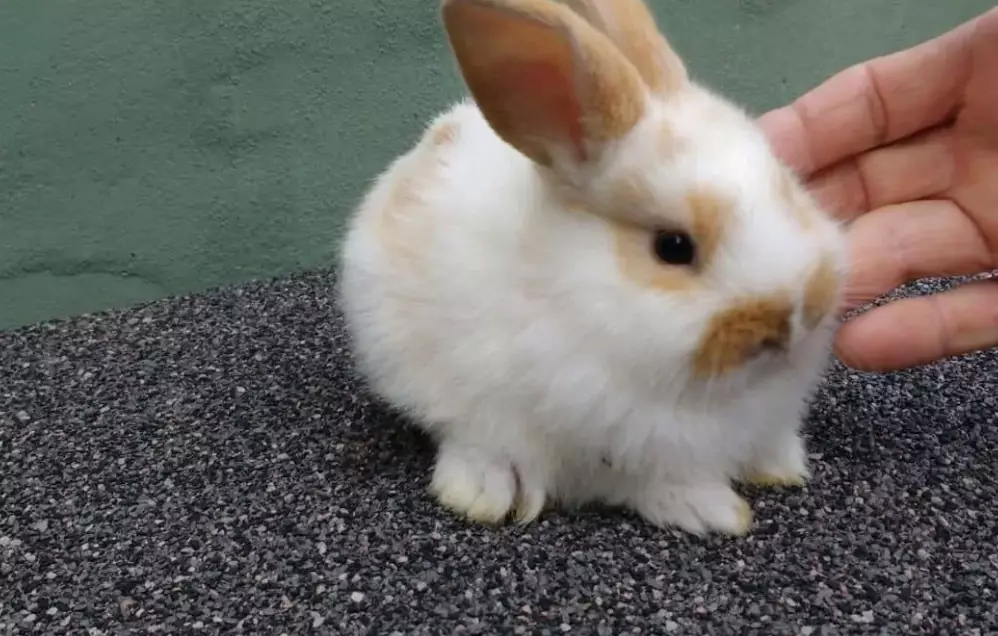
Your Quick Feeding Guide
What Should an 8-Week-Old Baby Rabbit Eat?
Think of their diet as a three-legged stool: unlimited hay, controlled pellets, and the careful introduction of greens. Remove one leg, and the whole thing topples. At eight weeks, they're still babies with specific nutritional needs for growth, primarily more protein and calcium than an adult rabbit.
1. Unlimited Alfalfa Hay: The Foundation
This is non-negotiable. Your bunny needs access to fresh, high-quality alfalfa hay 24/7. Alfalfa is a legume hay, not a grass hay. It's richer in protein (16-20%) and calcium, which is perfect for building strong bones and muscles in a growing kit. I see people offering timothy hay at this age, thinking they're being healthy. It's a mistake. Timothy hay has lower protein and calcium. Wait until they're about 7 months old before switching to timothy or orchard grass.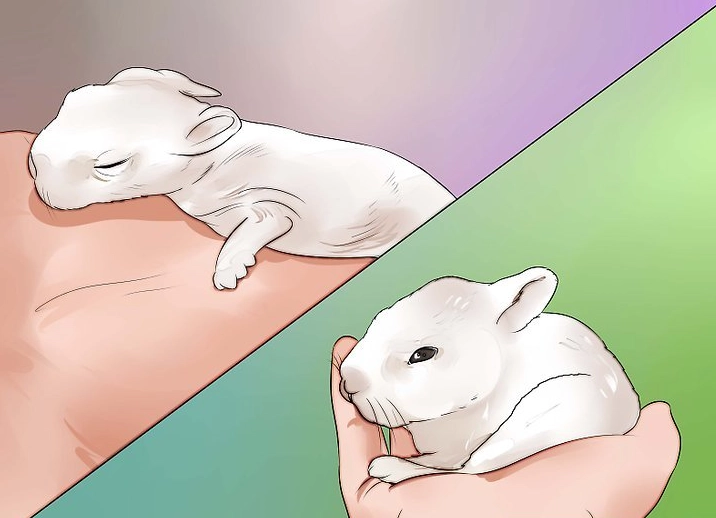
Pro Tip: Don't just dump hay in a corner. Use a good-sized hay rack placed right next to their litter box. Rabbits love to munch and poop simultaneously. Keeping it clean and accessible increases consumption, which is vital for gut motility and wearing down those ever-growing teeth.
2. High-Quality Juvenile Pellets: The Concentrated Nutrition
Pellets are not the main course; they're a nutritional supplement. At eight weeks, you need a plain, alfalfa-based juvenile or "growth" formula pellet. Avoid adult maintenance pellets, and for heaven's sake, avoid any mix with colorful bits, seeds, or dried corn. Those are junk food.
How much? This is where most people overfeed. A common guideline from sources like the House Rabbit Society is about 1/4 cup of pellets per 5 lbs of body weight daily. For a tiny 8-week-old, that translates to roughly 2-3 tablespoons per day, split into two feedings (morning and evening). Yes, it looks like a tiny amount. Overfeeding pellets is the #1 cause of a baby rabbit refusing to eat enough hay, which leads to long-term dental and digestive problems.
3. Introducing Fresh Greens: Start Slow & Simple
This is the exciting but dangerous part. An eight-week-old's gut microbiome is still developing. Introducing greens is mandatory for building a healthy digestive system, but it must be done with surgical precision.
Week 8 is for introduction only. Start with one single type of green. I always recommend romaine lettuce or green leaf lettuce as a first food—it's gentle and well-tolerated. Give a piece about the size of your bunny's head. Wait 24 hours. Monitor their poop like a hawk. It should remain firm, round, and plentiful. If it becomes soft, small, or stops altogether, halt greens immediately and go back to just hay and pellets for a few days.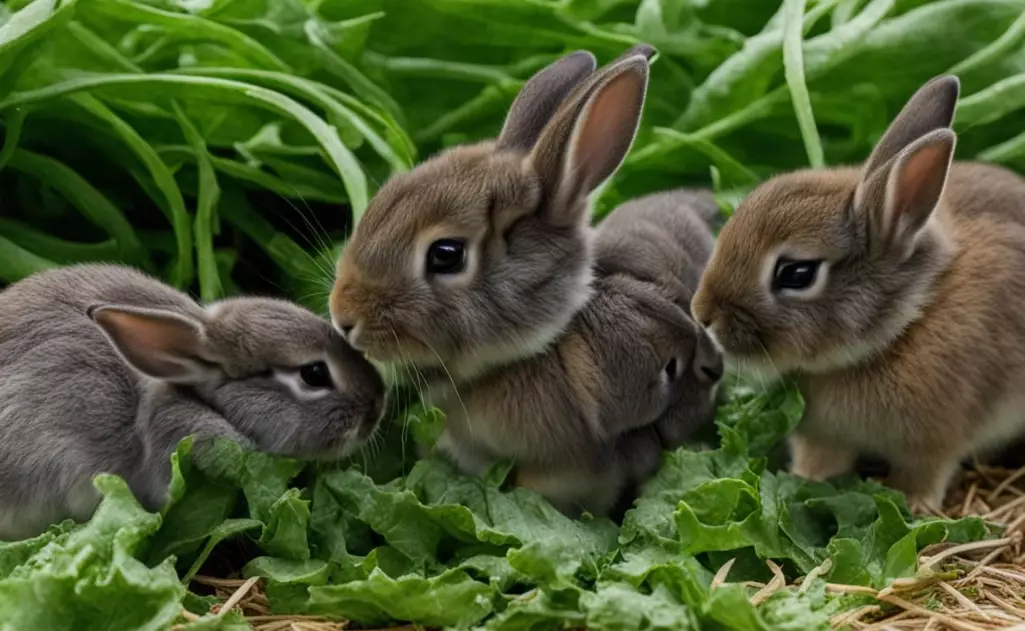
Here’s a starter list of safe first greens (introduce one at a time, several days apart):
- Romaine Lettuce (not iceberg, which is nutritionally void)
- Green Leaf Lettuce
- Fresh Herbs: Cilantro, Basil, Mint (small amounts)
The Safe Weaning & Transition Schedule
If your bunny is with its mother, weaning happens naturally between 6-8 weeks. By 8 weeks, they should be fully weaned. If you're bringing one home, you're managing the post-weaning transition. Follow this timeline to avoid gut stasis (GI stasis), a deadly condition.
| Age | Hay | Pellets | Greens/Vegetables | Key Action |
|---|---|---|---|---|
| 8-9 Weeks | Unlimited Alfalfa | 2-3 Tbsp Alfalfa-based juvenile pellets daily | Introduce 1st green (e.g., Romaine). One type only. | Establish hay consumption. Monitor poop after first green. |
| 9-12 Weeks | Unlimited Alfalfa | Continue same pellet amount | Slowly add 1-2 new greens every 4-5 days. Max 1 cup total per 2 lbs body weight. | Build variety. Watch for any soft stools. |
| 3-6 Months | Unlimited Alfalfa | Gradually increase pellets to 1/2 cup daily per 6 lbs body weight as they grow. | Expand vegetable variety. Can include bell pepper, bok choy, carrot tops (sparingly). | Growth phase. Continue alfalfa. |
| 7 Months+ | Transition to Timothy/Orchard Grass Hay | Switch to adult Timothy-based pellets. Reduce amount. | Maintain varied greens. | The big hay switch. Mix old and new hay over 2-3 weeks. |
The Critical Mistake: The most common error I see is rushing the green introduction. Someone gets excited and gives their bunny a "salad" with five different items on day one. The bunny's gut bacteria can't handle the sudden influx of new fibers and sugars. The result? A bacterial imbalance, gas, pain, and a high risk of GI stasis. Go painfully slow. One green. One week. It's boring, but it's safe.
Foods to Absolutely Avoid at 8 Weeks (And Beyond)
This list is short but vital. Feeding these can cause immediate illness.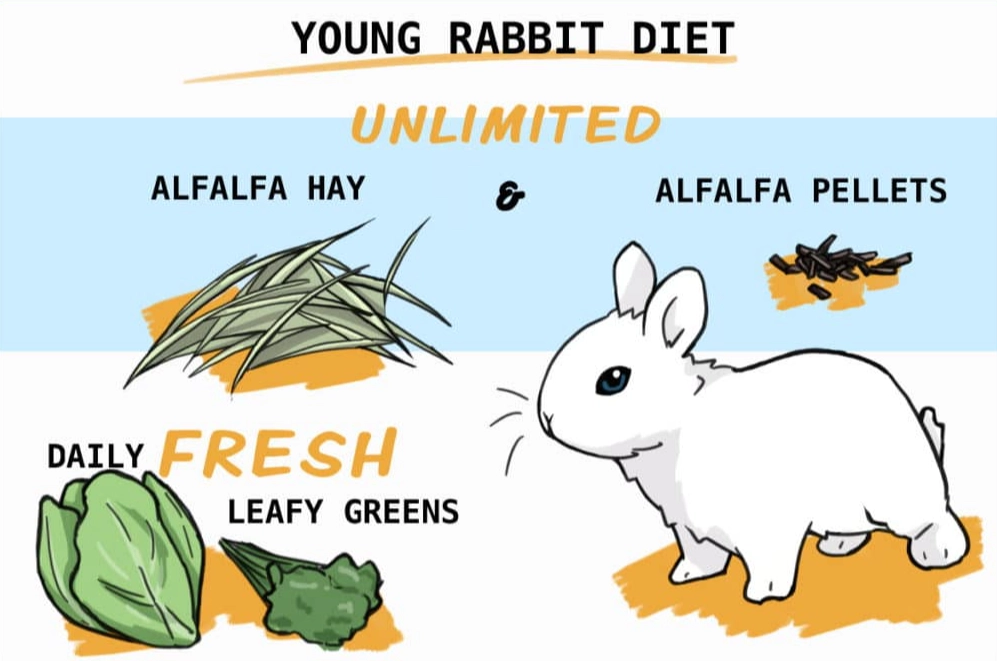
- Fruits and Carrots: Too high in sugar for a baby's gut. Save these for tiny, rare treats after 6 months of age. A single blueberry once a week is plenty.
- Grains, Seeds, Nuts, Bread, Cereal: Rabbits cannot digest these properly. They cause obesity and can lead to fatal blockages.
- Iceberg Lettuce: Contains lactucarium, which can be harmful, and has no nutritional value.
- Onions, Garlic, Leeks: Toxic.
- Meat, Dairy, Chocolate: Obviously toxic, but worth stating.
Stick to the hay-pellets-greens trifecta. Don't get creative.
Common Feeding Mistakes (And How to Fix Them)
Let's troubleshoot based on what I've seen in over a decade of rabbit care.
Mistake: "My bunny isn't eating much hay. He just waits for pellets."
Fix: You're likely overfeeding pellets. Drastically cut back to the recommended 2-3 tablespoons. A slightly hungry bunny is a hay-eating bunny. Also, try different brands or cuts of alfalfa hay (2nd cut is often leafier and more appealing).
Mistake: "His poop is small, soft, or strung together like a necklace."
Fix: This is a red flag for insufficient hay or too many rich greens/pellets. Immediately remove all greens and treats. Increase hay availability. If poop doesn't normalize in 12 hours or the bunny stops eating/pooping entirely, contact a rabbit-savvy vet. This is the start of GI stasis.
Mistake: "I bought a bag of mixed food with seeds and corn."
Fix: Throw it away. Seriously. Or donate it to someone with chickens. It's terrible for rabbits. Go buy a bag of plain, uniform, alfalfa-based pellets.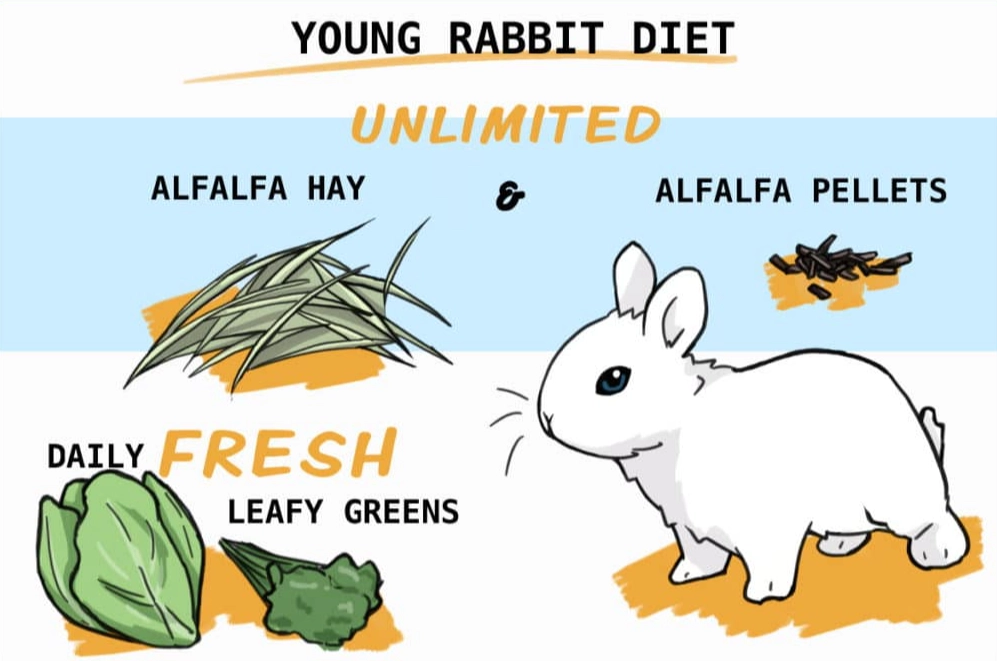
Your Bunny Feeding Questions Answered
 My bunny had diarrhea after its first green. What now?
Feeding an 8-week-old rabbit isn't complicated once you know the rules. Unlimited alfalfa hay, measured pellets, and the patience of a saint when introducing greens. Forget the treats and colorful mixes. Focus on building a robust digestive system with fiber. Watch their poop—it's the best health report card you'll get. Do this, and you'll have a thriving, hopping bunny who's set for a healthy life. If you're ever in doubt, the best resource is a veterinarian experienced with rabbits. Don't rely on pet store advice.
Comment