You're holding a soft, fuzzy baby rabbit, and the question pops into your head: what can this little one actually eat besides hay and pellets? It's a great question, and getting it wrong can lead to serious trouble. I've raised rabbits for over a decade, and I've seen the panic in a new owner's eyes when their bunny's digestion goes haywire after a "treat." Let's cut through the confusion. Baby rabbits (kits) have delicate digestive systems that mature slowly. The core of their diet for the first months is simple: their mother's milk (or formula) and unlimited high-quality alfalfa hay and pellets. Vegetables are an introduction, not a staple, until they're older.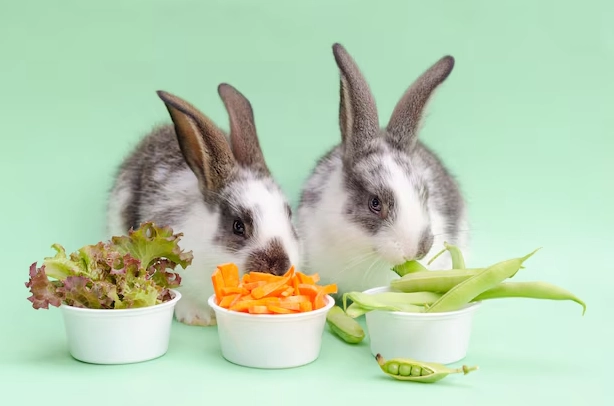
The golden rule? Wait until they are at least 12 weeks old (3 months) before offering even a tiny piece of leafy green. Their gut flora needs time to establish. Starting too early is the single biggest mistake I see well-meaning owners make.
Your Quick Guide to Baby Bunny Veggies
When Can You Start Feeding Veggies to Baby Rabbits?
Timing is everything. Think of a baby rabbit's gut like a brand-new, high-performance engine. You wouldn't put low-grade fuel in it right away.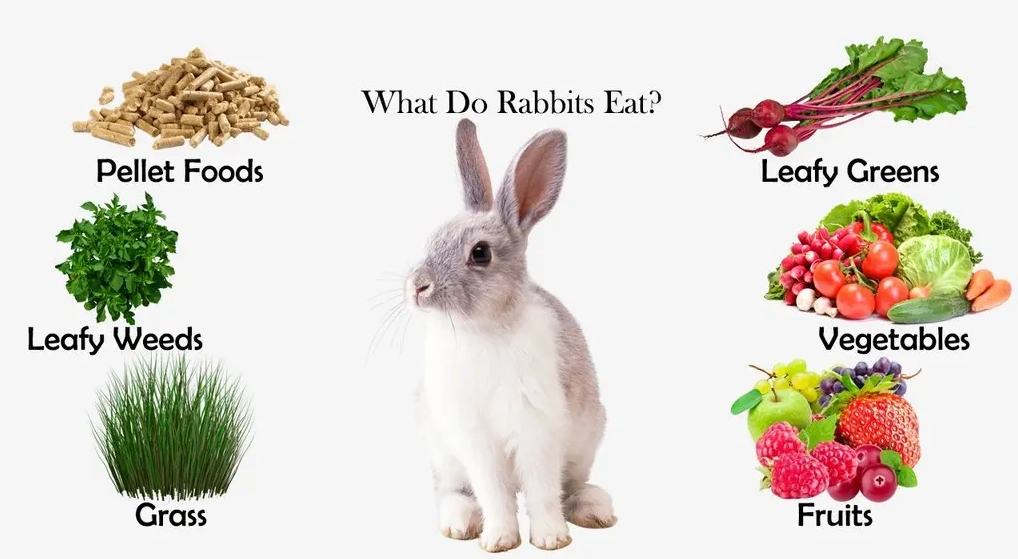
Why the wait? A rabbit's cecum, a vital part of their digestive system where fiber is fermented, is still developing. Introducing complex new foods too soon can disrupt the delicate balance of bacteria, leading to a condition called cecal dysbiosis – basically, bad bacteria overgrow, causing soft cecotropes, diarrhea, bloating (GI stasis), and life-threatening illness.
Signs your baby bunny is ready for the veggie adventure:
- They are confidently eating unlimited alfalfa hay.
- They are at least 12 weeks old and in good health (bright eyes, active, normal poop).
- They have been weaned from their mother for at least 2-3 weeks.
The Ultimate Safe Vegetables List for Young Bunnies
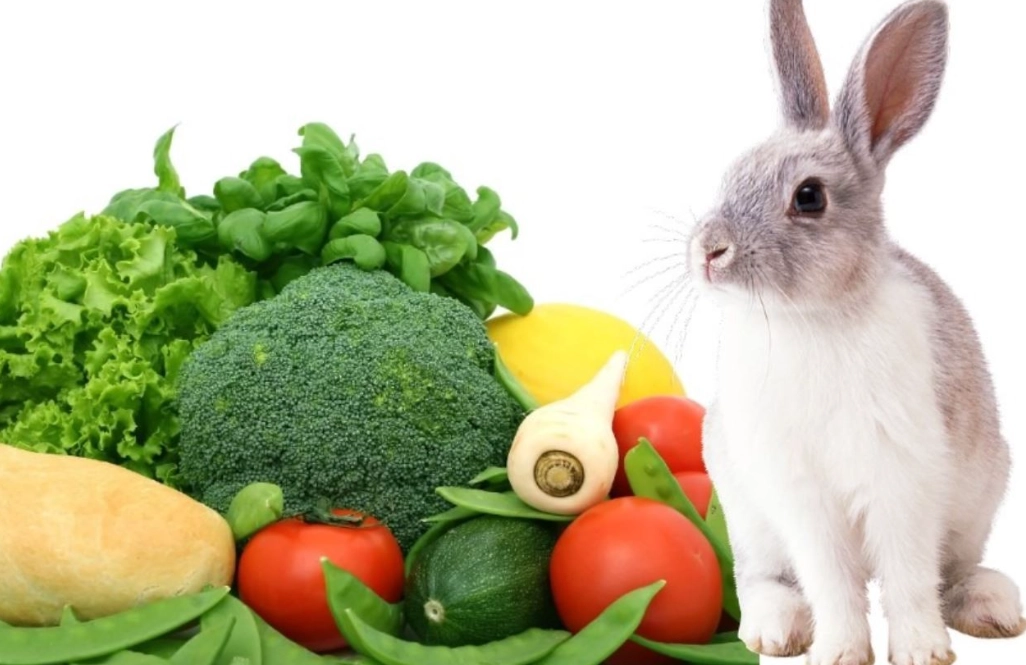
Not all greens are created equal. For baby rabbits, we start with the mildest, most easily digestible options. Herbs are fantastic starters because they're often more aromatic and less likely to cause gas than some bulky greens.
Here’s a breakdown of the safest first vegetables, categorized for clarity. Always introduce them one at a time and in tiny amounts.
| Vegetable/Herb | Type | Why It's a Good Starter | First Serving Size (at 12 wks) |
|---|---|---|---|
| Romaine Lettuce | Leafy Green | High in water, low in oxalates, generally well-tolerated. Avoid iceberg (no nutritional value). | 1 thin, 2-inch long piece |
| Green Leaf / Red Leaf Lettuce | Leafy Green | Similar to romaine. Good source of vitamin A. | 1 small leaf |
| Cilantro (Coriander) | Herb | Great flavor, usually a big hit. Can have a gentle digestive aiding effect. | 2-3 small sprigs |
| Basil | Herb | Aromatic and gentle. Many bunnies love it. | 1-2 small leaves |
| Mint | Herb | Very aromatic. Can be soothing. Offer in strict moderation. | 1 small leaf |
| Dill | Herb | Another flavorful, gentle herb. | 1-2 small sprigs |
| Bok Choy | Stem & Leaf | Crunchy stem and soft leaves. Start with the leafy green part only. | 1 small piece of leaf (1" square) |
After 4-6 months, as your rabbit transitions to an adult diet (timothy hay, adult pellets), you can slowly introduce a wider variety: carrot tops (not the carrot yet!), kale (sparingly, high in calcium), parsley, celery leaves (chopped fine), and eventually, the holy grail for adult bunnies: dark leafy greens like spring greens, arugula, and dandelion greens (pesticide-free!).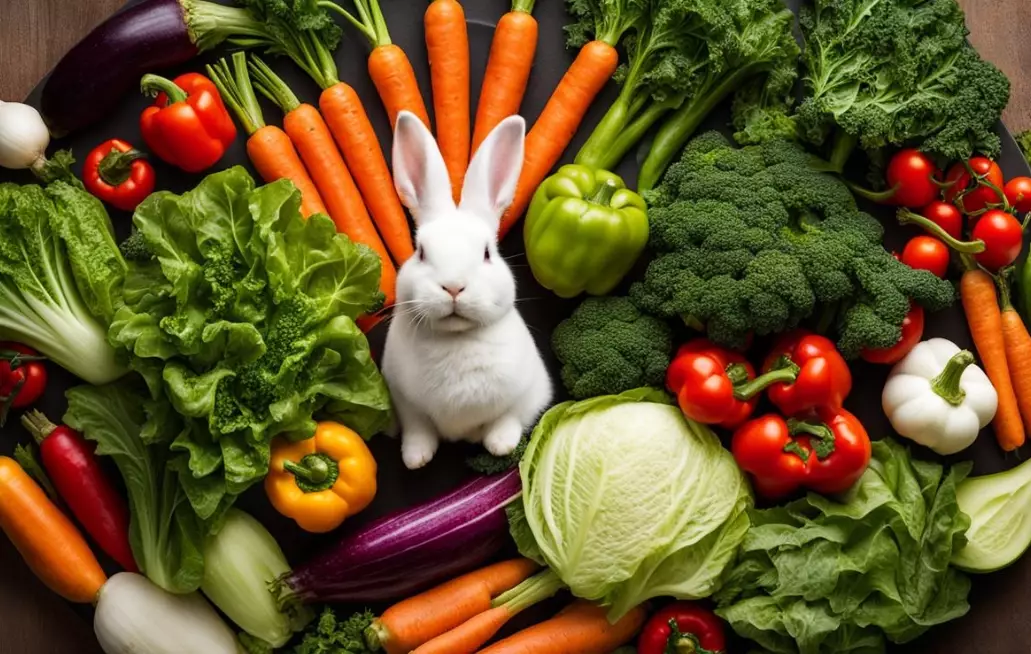
How to Introduce New Vegetables Safely: The 7-Day Rule
This is where most people slip up. They get excited and give a little bit of everything. Don't.
- Pick One. Choose one vegetable from the safe starter list. Romaine or cilantro is ideal.
- Wash Thoroughly. Rinse under cool water to remove pesticides or dirt. Pat dry.
- Micro Portion. Give a piece about the size of your thumbnail, or as specified in the table above.
- Observe for 24 Hours. This is critical. Check their poop. It should remain firm, round, and dry. Watch for any signs of lethargy, loss of appetite, or soft stools.
- If All is Well. You can offer the same veggie in the same tiny amount for the next 2-3 days.
- Introduce the Next. After 3-4 days with no issues, you can pick a second new veggie and repeat the process from step 1.
- Build Variety Slowly. Over 4-6 weeks, you can build up to a small daily salad of 2-3 different safe veggies.
I keep a simple notebook. Date, new food, portion, poop notes. It sounds obsessive, but it saved my rabbit Clover when I linked her soft poop to a specific type of store-bought kale.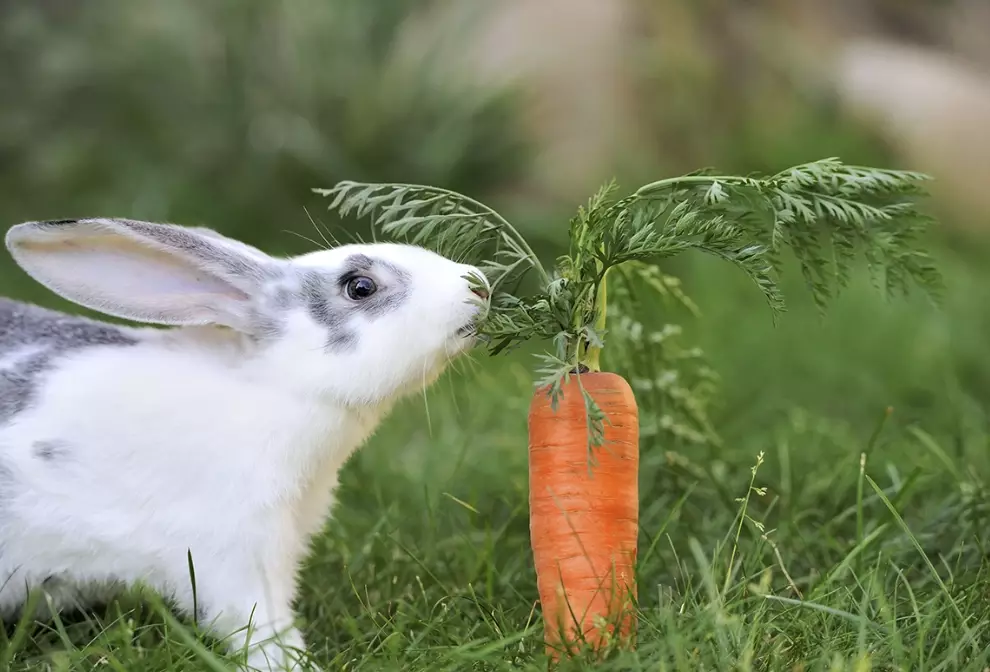
Vegetables and Foods to Strictly Avoid
This list is non-negotiable, especially for babies. Some of these can cause fatal reactions.
The "Wait Until Adulthood, Then Sparingly" List: These are often problematic due to high sugar, starch, or calcium.
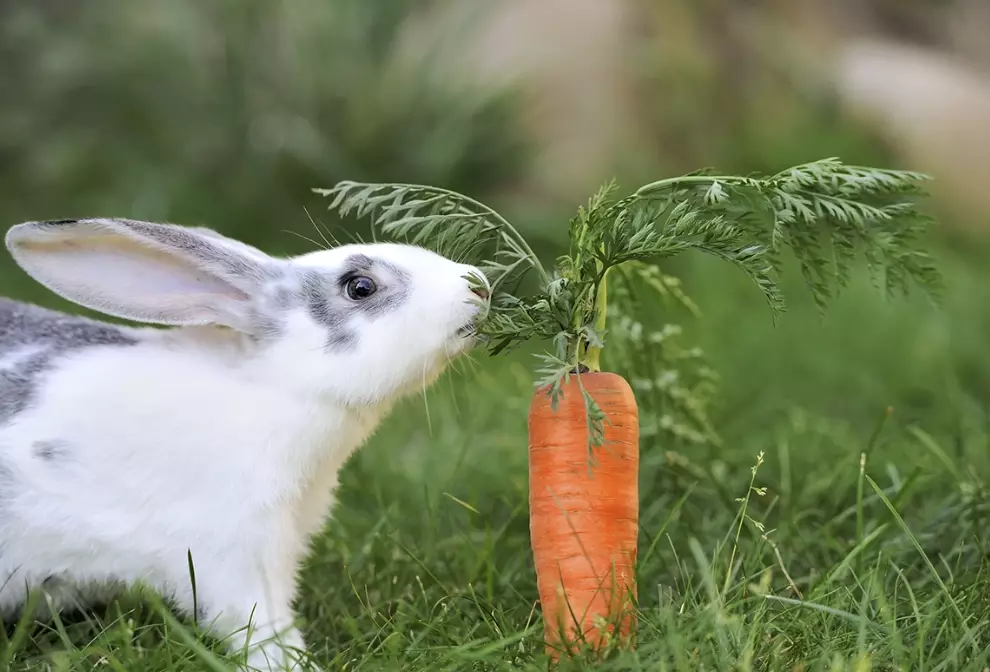
- Carrots: Yes, it's a myth that rabbits live on carrots. They are high in sugar. The green tops are great, but the orange root should be a rare, pea-sized treat for adults only.
- Fruits (apples, bananas, berries): Extremely high in sugar. Not for baby rabbits. For adults, a tiny piece (like a blueberry) once a week is a treat.
- Broccoli, Cauliflower, Cabbage: These cruciferous veggies are notorious for causing painful gas and bloating in many rabbits. I avoid them entirely.
- Spinach, Beet Greens, Swiss Chard: High in oxalates and calcium. Can contribute to bladder sludge/stones if fed too often. Okay occasionally for adults.
A Sample Feeding Schedule & Portion Guide
Let's make this practical. Here’s what a week might look like for a 14-week-old baby rabbit who has successfully tried romaine.
Daily Base Diet (Unlimited): Fresh alfalfa hay, fresh water, measured alfalfa pellets (follow bag guidelines for weight/age).
Week 3 of Veggie Introduction (example):
- Mon-Wed: 1 small piece of romaine lettuce (post-pellet feeding in the morning).
- Thu: Introduce cilantro – give 2 tiny sprigs instead of romaine. Monitor poop.
- Fri-Sun: If poop is good, continue with 2 sprigs of cilantro daily.
Portion Control is Key: A young rabbit's daily vegetable portion should not exceed 1 cup of packed greens per 2 lbs of body weight, and you start with a fraction of that. For a 2 lb baby bunny at 4 months, you might work up to 1/4 cup daily, split into two feedings.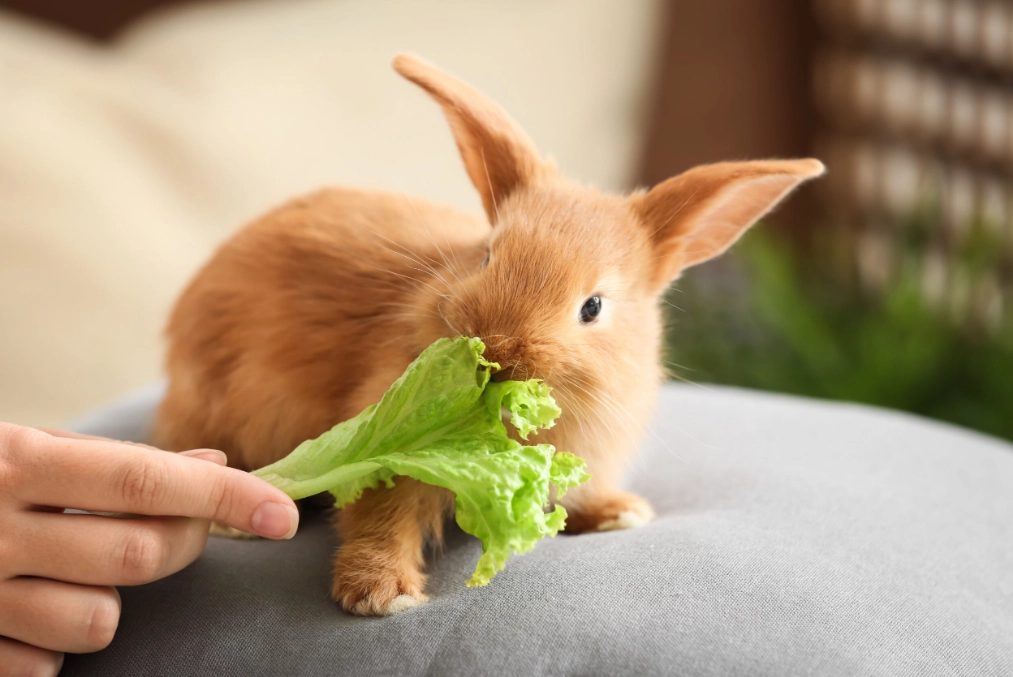
Troubleshooting: What If Something Goes Wrong?
You followed the rules, but the poop looks soft or your bunny seems off. Don't panic, but act.
Scenario 1: Soft, Misshapen, or Smelly Poop. This is the first red flag. Immediately stop all vegetables and treats. Go back to the baseline diet: hay, water, pellets only for at least 48 hours, or until stools return to normal. This often resolves the issue. The culprit was likely the new food, or too much of it.
Scenario 2: No Poop for 12+ Hours or Lethargy/Loss of Appetite. This is an emergency. Your rabbit may be entering GI stasis. Contact your rabbit-savvy vet immediately. Keep them warm, encourage hay eating (try fresh fragrant hay like orchard grass), and gently massage their belly. Do not force-feed anything.
The most common cause of these issues? Introducing veggies too early, too fast, or choosing the wrong kind. It's always better to be boring and safe than adventurous and sorry.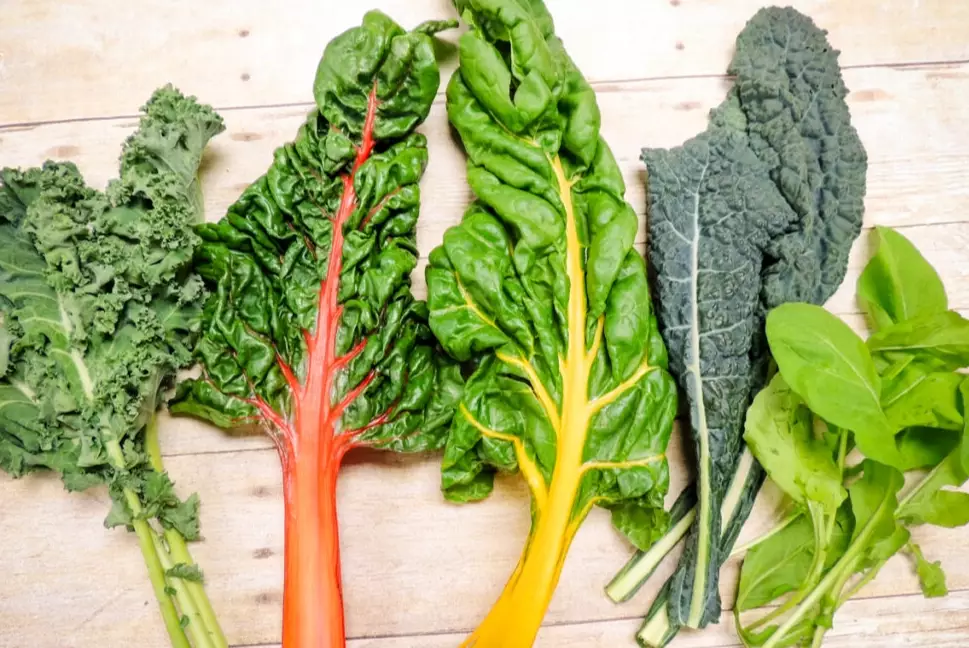
Your Questions, Answered by a Rabbit Keeper
My 8-week-old baby rabbit snatched a piece of carrot. Should I rush to the vet?
One tiny piece likely won't cause a crisis, but watch them closely for the next 24 hours. Check their poop and appetite. The bigger issue is the sugar hit on their immature system. Remove all other treats, ensure they eat plenty of hay to keep their gut moving, and consider this a lesson to bunny-proof more thoroughly. Don't offer carrots again until they're over 6 months old, and even then, only as a rare treat.
Can I feed my baby rabbit vegetables from my garden?
Homegrown is often best, provided you don't use chemical pesticides or fertilizers. However, you must be 100% certain of plant identification. Many common garden plants and flowers are toxic to rabbits (e.g., foxglove, lily of the valley, nightshades). Stick to the safe list you've planted yourself, wash it, and still introduce slowly.
Why does my baby rabbit eat its vegetables but ignores its hay?
This is a serious dietary red flag. Hay is non-negotiable—it's 80-90% of their adult diet and essential for dental and gut health. If veggies are making them picky, you're likely offering too much or introducing them too soon. Cut out all veggies immediately until they are consistently eating large amounts of hay for a week or two. Their life literally depends on it. Hay should always be the main attraction.
 Are organic vegetables necessary for baby rabbits?
While not strictly necessary, organic can reduce the risk of pesticide exposure on their sensitive systems. If budget is a concern, prioritize organic for the thin-leafed greens (like lettuces and herbs) that are harder to wash thoroughly, according to the Environmental Working Group's "Dirty Dozen" list. For thicker greens (kale, spring greens), conventional washed very well is usually fine.
How do I transition from alfalfa hay to timothy hay when introducing adult vegetables?
This is a subtle dance. Start the hay transition around 4-5 months by mixing timothy into their alfalfa. Gradually increase the timothy over 2-3 weeks. You can start introducing a broader range of adult-friendly, lower-calcium veggies (like spring greens, carrot tops) during this same period. The goal is to have them on primarily timothy hay and a varied salad by 6-7 months old, with alfalfa phased out completely.
Comment