Jump to Sections
- Meet the Contenders: A Breakdown of Giant Rabbit Personalities
- Beyond Breed: What *REALLY* Makes a Giant Rabbit Friendly?
- The Real Cost of a Friendly Giant (It's Not Just Money)
- Your Giant Rabbit Friendliness Checklist
- Common Questions About Friendly Giant Rabbits
- Final Thoughts: Is the Friendliest Giant Rabbit Right for You?
So you're thinking about bringing a giant rabbit into your home. That's awesome. But let's be real—you're not just looking for any big bunny. You're searching for a companion, a furry friend that's actually friendly. You've probably typed "what is the friendliest giant rabbit" into Google more than once, scrolling through forums and pictures of these massive, adorable creatures. I get it. The idea of a dog-sized rabbit that's chill and likes to hang out is incredibly appealing. But which breed actually lives up to the hype?
I've talked to breeders, visited rescues, and spent more time than I'd like to admit reading rabbit owner forums. There's a lot of conflicting info out there. Some people swear one breed is an angel, while others had a totally different experience. It's confusing.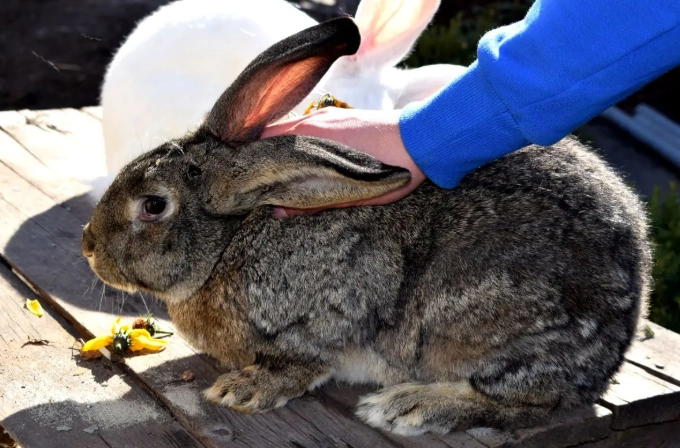
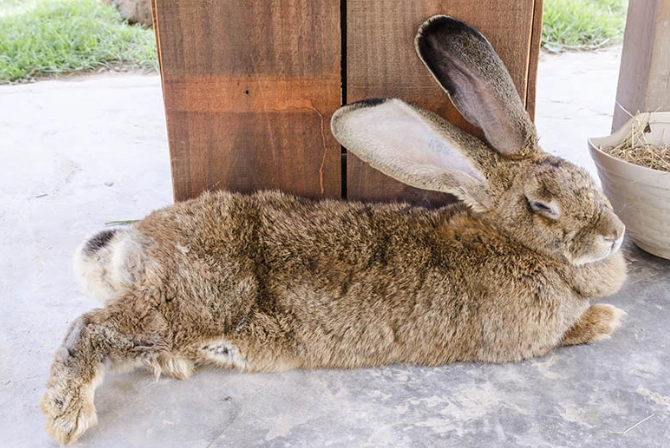
Why the Flemish Giant? It's not just because they're big and look like something from a storybook. Their breed standard, as outlined by the American Rabbit Breeders Association (ARBA), literally describes them as having a "docile" and "gentle" nature. That's written into what they're supposed to be. Breeders have been selecting for temperament for generations, aiming for a calm, manageable giant. Compare that to some other large breeds originally developed more for meat or fur, where temperament was a secondary concern.
But here's the personal bit. A friend of mine has a Flemish Giant named Gus. Gus is the size of a small dog, no joke. When you walk in, he doesn't just sit there. He lumbers over, nudges your hand for pets, and then flops down next to you. It's a deliberate, calm interaction. He's not skittish. He's not aggressive. He's just... present. It's a different vibe from smaller rabbits I've known, who can be more nervous. That solid, confident demeanor is a huge part of what makes people ask, "What is the friendliest giant rabbit?" They're looking for that Gus-like experience.
Meet the Contenders: A Breakdown of Giant Rabbit Personalities
Calling the Flemish Giant the winner is one thing. Understanding why means we need to look at the whole field. Not all giant rabbits are created equal in the personality department. Some are laid-back, some are more aloof, and some have quirks you need to be ready for.
The Top Tier: The Naturally Gentle Giants
These breeds are your best bet if friendliness is your number one priority.
The Flemish Giant: The gold standard. Their size is intimidating (they can hit 20+ pounds), but their reputation is for being gentle giants. They tend to be tolerant, patient, and less prone to sudden startles. Many owners report they are more "dog-like" in their willingness to interact. However, their sheer size means they need a ton of space. A small cage is animal cruelty for a Flemish. They need a whole room or a massive, custom enclosure. They also eat a lot—prepare your wallet for hay and veggie bills.
The Continental Giant: Very similar to the Flemish, and often confused with them. Contis are also massive and bred for a calm disposition. Some lines in Europe are particularly known for their placid nature. The difference can be subtle and often comes down to individual breeding lines rather than the breed as a whole. If you find a reputable breeder of either, you're likely on the right track.
The "It Depends" Crew: Breeds Where Socialization is Key
These rabbits can be wonderfully friendly, but they might require a more experienced hand or specific conditions.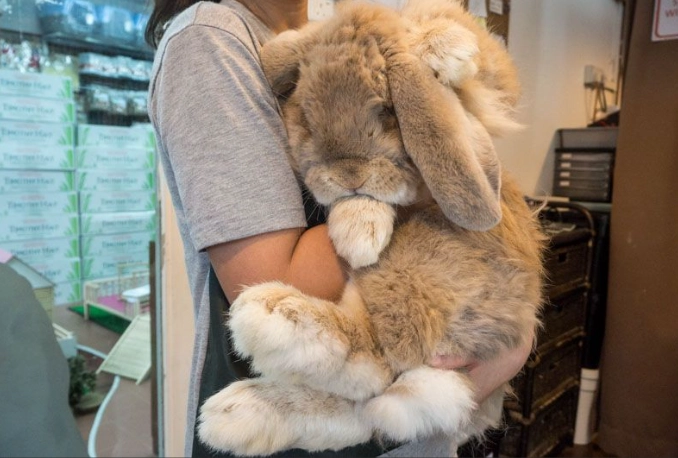
The Checkered Giant: This one's interesting. They're large, athletic, and have a striking pattern. Their temperament is often described as more energetic and alert. They can be friendly, but they might not be the default "lap rabbit" some imagine. They enjoy interaction on their terms and need plenty of exercise. A bored Checkered Giant can become mischievous.
The British Giant: Another colossal breed. Their temperament is generally good, but some owners note they can be a bit more reserved or "stately" than the outgoing Flemish. They're calm, but might not seek attention as actively. It's a quiet, dignified friendliness.
The Ones That Might Surprise You
The French Lop: Okay, they're not always classified as "giant" (more of a large breed), but their ears and chunky build make them feel huge. And personality-wise? They are legendary for being relaxed, affectionate, and downright lazy. If you want a bunny that happily sploots on the couch for hours, a French Lop is a phenomenal choice. They are a top contender for friendliness in the large-breed category.
Let's put this in a table to make it easier to see the key differences at a glance.
| Breed | Average Weight | General Temperament | Friendliness Potential | Best For |
|---|---|---|---|---|
| Flemish Giant | 15-20+ lbs | Docile, Gentle, Calm | Very High (with socialization) | Families, first-time giant owners, those seeking interactive pets |
| Continental Giant | 16-20+ lbs | Placid, Calm, Steady | Very High | Similar to Flemish, popular in Europe |
| Checkered Giant | 11-15 lbs | Energetic, Alert, Playful | Moderate to High (needs engagement) | Active owners, those with more space for running |
| British Giant | 15-18 lbs | Calm, Reserved, Dignified | Moderate to High (can be less demonstrative) | Quiet households, patient owners |
| French Lop (Large Breed) | 10-15 lbs | Extremely Relaxed, Affectionate, Lazy | Exceptionally High | Those wanting a true lap rabbit, less active homes |
See? It's not just about picking the breed at the top of the list. You have to match the rabbit's energy to your lifestyle. A lazy person and a Checkered Giant might drive each other crazy.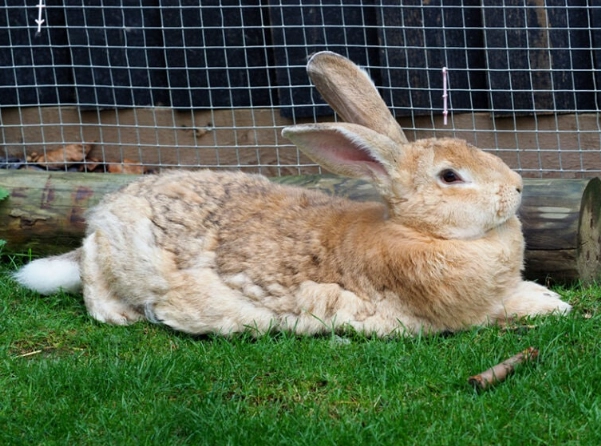
Beyond Breed: What *REALLY* Makes a Giant Rabbit Friendly?
This is the part most articles skip. They just name the breed and call it a day. But if you're trying to figure out what is the friendliest giant rabbit for YOUR home, breed is only 50% of the equation. Maybe even less.
Think of breed as the hardware. It sets the baseline potential. A Flemish Giant has friendly hardware. But the software—the upbringing, the care, the environment—is what you install. You can mess up good hardware with bad software.
Socialization is Everything: A Flemish Giant puppy-milled in a tiny cage and never handled will likely be fearful and defensive, not friendly. A giant rabbit, from any breed, needs positive, gentle handling from a young age. This means regular, calm interaction with humans—petting, talking, sitting near them. It's about building trust, not forcing cuddles.
Space = Sanity: A cramped rabbit is a stressed rabbit. A stressed rabbit is not a friendly rabbit. Giants need room to hop, run, binky, and get away if they want to. The Rabbit Welfare Association & Fund (RWAF) recommends a minimum living space of at least 10ft x 6ft for a pair of average rabbits—giants need significantly more. Confinement leads to frustration, which can manifest as chewing, digging, or aggression.
Spaying/Neutering is Non-Negotiable: I can't stress this enough. Unfixed rabbits are dominated by hormones. They spray, they hump, they get territorial and aggressive. That sweet baby bunny will change. Getting them fixed calms those hormones dramatically, reducing aggression and making litter training much easier. It's the single most important thing you can do for their long-term health and temperament. The UC Davis School of Veterinary Medicine strongly advocates for rabbit spay/neuter to prevent reproductive cancers and behavioral issues.
Where You Get Them Matters:
A reputable breeder who focuses on temperament and handles their kits daily is worth their weight in gold. They can tell you about the parents' personalities. Alternatively, consider a rescue. Adult rabbits in rescues are often already spayed/neutered, and their personality is fully formed. You know exactly what you're getting—a calm, friendly adult or a shy one. It removes the guesswork of the teenage phase.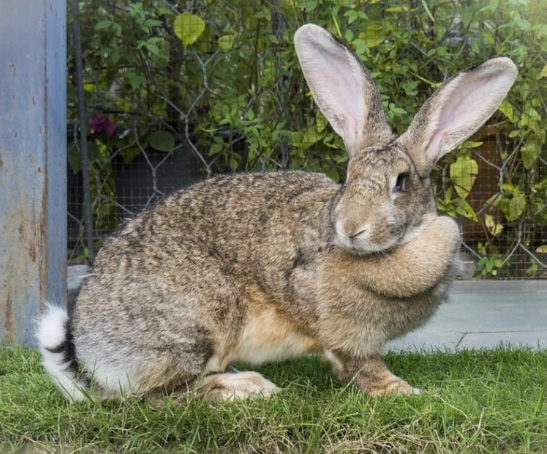
The Real Cost of a Friendly Giant (It's Not Just Money)
Everyone talks about the upfront cost or the adoption fee. That's the easy part. The real investment is in time, space, and ongoing care.
- Vet Care: Find an exotic vet who sees rabbits BEFORE you get one. Annual checkups for a giant are a must. Emergencies (like GI stasis, common in rabbits) happen, and exotic vet bills are high. Spay/neuter for a giant rabbit is a major surgery and costs more than for a cat.
- Food: They are hay-eating machines. You will buy hay in bales, not bags. Fresh vegetables daily add up. Quality pellets aren't cheap.
- Housing: You're not buying a cage. You're buying exercise pens, building a condo, or dedicating a rabbit-proofed room. This is a significant setup cost.
- Time: Cleaning a large living space takes time. Daily interaction is required to maintain that bond. You can't just ignore them for days.
I made the mistake of underestimating this with my first large rabbit. The "stuff" he needed overwhelmed my apartment. The weekly hay and veggie bill was a real shock. I had to seriously adjust my budget. It's a commitment akin to a dog, not a hamster.
Your Giant Rabbit Friendliness Checklist
Before you decide, run through this list. If you can't check most of these boxes, you might want to reconsider timing or breed choice.
- Do you have a dedicated, safe space larger than a standard bathroom for them to live in?
- Have you located and budgeted for an exotic veterinarian?
- Are you prepared for the monthly cost of food and bedding (easily $80-$150+)?
- Can you commit to daily social interaction, even for just 30-60 minutes?
- Are you willing to rabbit-proof your home (wires, baseboards, furniture)?
- Have you considered adopting an adult from a rescue to skip the turbulent teenage phase?
- Is everyone in the household on board with a large, potentially messy pet?
Common Questions About Friendly Giant Rabbits
Final Thoughts: Is the Friendliest Giant Rabbit Right for You?
So, what is the friendliest giant rabbit? The answer points firmly at the Flemish Giant, with the Continental Giant and the French Lop as superb alternatives. But the real answer is more nuanced: it's the giant rabbit that comes from good genetics, is raised with patience and proper socialization, and lives in a home that meets its immense physical and emotional needs.
It's not a low-maintenance pet. It's a decade-long commitment to a large, intelligent, sensitive animal. The payoff, though, is unique. There's nothing quite like the quiet companionship of a gentle giant who chooses to hop over and spend time with you. It's a trust you earn, not a given.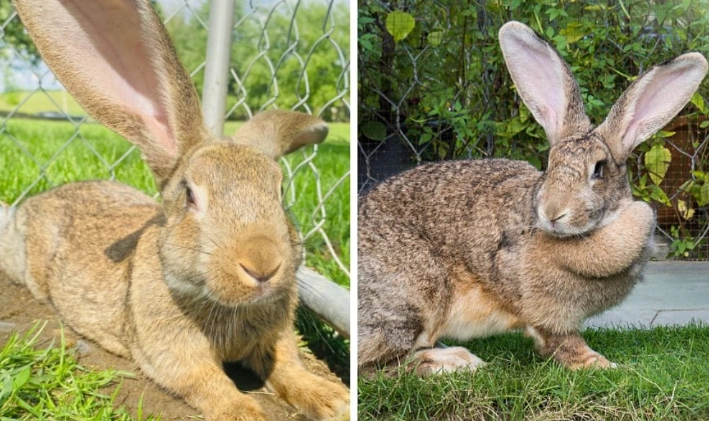
Do your homework. Visit a rescue or a responsible breeder. Meet some of these giants in person. Feel their size, observe their calm. See if your life has the space—literally and figuratively—for one. If it does, you might just find an unforgettable friend.
Just remember to hide your phone charger first.
Comment