Quick Guide
- What Exactly Is a British Giant Rabbit?
- The British Giant Personality: Gentle Giant or Stubborn Mule?
- The Real Cost of Care: Space, Diet, and Health
- Is a British Giant Rabbit Right for You? The Honest Checklist
- Finding a British Giant Rabbit: Breeder vs. Rescue
- Common Questions About British Giant Rabbits
- Final Thoughts
Let's be honest, the first time you see a British Giant rabbit, it's hard not to be stunned. You're not looking at your typical floppy-eared bunny you can cradle in one hand. This is a rabbit that looks like it could have its own gravity field. I remember when a friend got one, and I walked into their living room – I genuinely thought they'd adopted a small dog wearing a rabbit costume. That's the initial shock of the British Giant, a breed that redefines what a "pet rabbit" can be.
But here's the thing everyone needs to understand right from the start: owning a British Giant rabbit is a fundamentally different commitment than owning a smaller breed. It's not just a bigger version of the same pet. The scale of everything changes – the space, the food bill, the vet costs, the sheer physical presence. This guide isn't about selling you on how adorable they are (they are, in a wonderfully lumbering way). It's about giving you the unvarnished, practical truth about what life with a gentle giant is really like, so you can decide if it's the right fit for your home and lifestyle.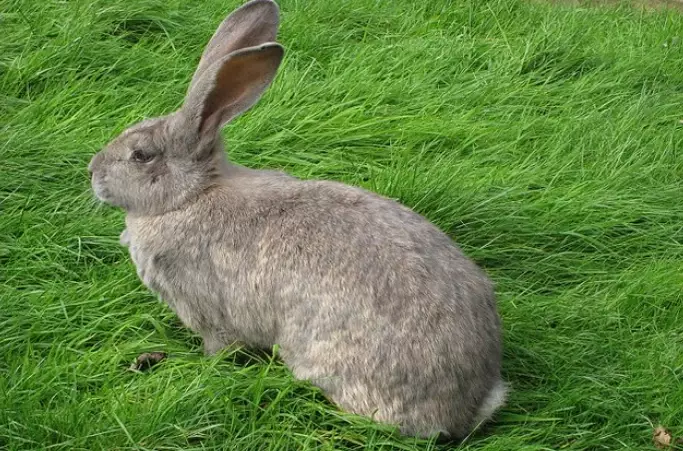
We're going to dig into everything. Not just the "what" but the "how" and the "how much." From figuring out if your home is actually big enough, to understanding their unique personality quirks, to the very real financial and time commitments. My goal is to answer every question you have now, and the ones you haven't even thought to ask yet.
What Exactly Is a British Giant Rabbit?
First, a bit of history to understand what we're dealing with. The British Giant rabbit is exactly what the name promises – a breed developed in the UK, with the primary goal of achieving maximum size. Their origins trace back to the early 20th century, likely from crosses involving the Flemish Giant (another behemoth) and other large breeds. But while the Flemish Giant is famous worldwide, the British Giant is its own distinct breed, with a specific standard upheld by the British Rabbit Council (BRC).
The breed was refined not for meat or fur in this case, but primarily for show. Breeders focused on creating a massive, well-proportioned, and calm rabbit. And they succeeded. The British Rabbit Council is the official body that maintains the breed standard, and their website is a fantastic resource for understanding the precise qualifications of a show-quality British Giant.
The Key Difference: People often mix up British Giants and Flemish Giants. While both are huge, British Giants are bred to a specific UK standard that often results in a slightly different body type – sometimes described as a bit more "mandolin" shaped. The personality can vary slightly too, with British Giants often noted for their exceptionally placid nature.
So, what are you signing up for? Let's talk numbers, because with this breed, size isn't just a detail – it's the headline.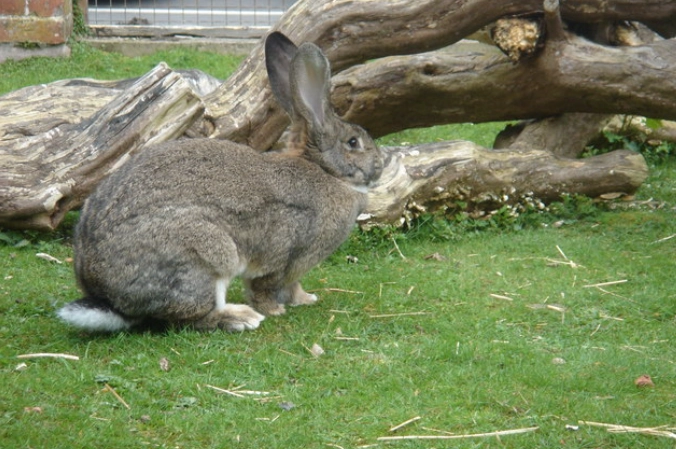
Size and Appearance: The Numbers Don't Lie
Forget what you know about rabbit sizes. A British Giant rabbit makes a standard Dutch or Netherland Dwarf look like a toy.
- Weight: This is the big one (pun intended). A mature, show-quality British Giant rabbit must weigh a minimum of 5.5 kilograms. That's over 12 pounds. But many, especially bucks (males), easily surpass this, often reaching 6.5 kg (14.3 lbs) or more. I've heard of some well-cared-for pets tipping the scales at over 7 kg (15.4 lbs). That's the weight of a healthy domestic cat.
- Length: From nose to tail, they can easily stretch over 70 cm (27.5 inches). When they flop out to relax, they can cover a significant portion of your floor.
- Ears: Their ears are thick, well-furred, and ideally should be about 1/4 of the body length – so they're substantial on their own.
- Build: They are muscular and powerful, with a broad head, strong shoulders, and a deep, wide body. They have a substantial presence.
You don't just pick up a British Giant rabbit. You lift.
Their coat is dense and requires regular grooming, especially during shedding seasons. The BRC recognizes a variety of colors, including black, blue, white (with either pink or blue eyes), grey, and sandy. Each color has its own specific standard, but the common thread is that thick, plush fur.
The British Giant Personality: Gentle Giant or Stubborn Mule?
This is where the British Giant rabbit truly wins hearts. Their size might be intimidating, but their temperament is usually the opposite. They are renowned for being one of the most docile, calm, and patient rabbit breeds. That friend's British Giant I mentioned? You could sit on the floor next to it, and it would just amble over, nudge your hand for pets, and then contentedly flop beside you. No skittishness, no frantic energy.
They tend to be less prone to the sudden "zoomies" you see in smaller breeds. Their movements are more deliberate, more... substantial. This generally makes them excellent candidates for families with calm, respectful children. I say respectful because no rabbit, no matter how big, likes to be chased or handled roughly. Their calmness means they are often easier to litter train and can adapt well to free-roaming in a rabbit-proofed space, as they are less likely to dart into tiny, dangerous gaps.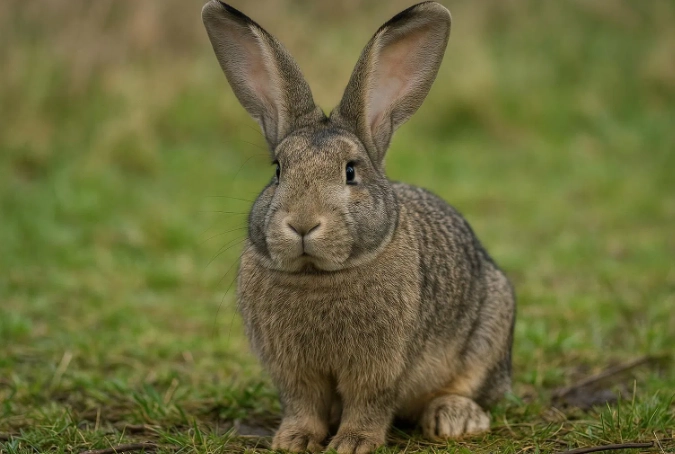
A word of caution from experience: That famed calmness can sometimes border on stubbornness. If a British Giant decides it doesn't want to move from its favorite spot to go back into its enclosure, you will know about it. They can plant themselves like a furry boulder. It's not aggression; it's just a quiet, immovable determination. You learn negotiation and bribery with healthy treats!
They are intelligent and can form very strong bonds with their humans. They may not be as overtly playful as some breeds, but they show affection through quiet companionship, nudges, and gentle curiosity. Don't expect a lap rabbit in the traditional sense – they are too large to sit comfortably on most laps for long – but they will happily sprawl next to you on the couch or floor.
The Real Cost of Care: Space, Diet, and Health
Okay, let's get into the nitty-gritty. This is the part that determines if you can realistically provide a good life for a British Giant rabbit. It's not cheap, and it's not small-scale.
Housing: Think Studio Apartment, Not Hutch
The traditional small rabbit hutch is animal cruelty for a British Giant. It's simply not an option. Their housing needs to be measured in square feet, not square inches.
- Absolute Minimum Enclosure: A common guideline for rabbits is that their enclosure should be at least 4-6 times their stretched-out length. For a British Giant, that's a minimum of about 10-12 square feet of continuous space, just for their permanent home. And that's the bare minimum.
- Realistic Recommendation: You're better off thinking about a large dog crate (the biggest size you can find), a custom-built pen, or dedicating an entire room or a very large section of a room. Many owners use puppy exercise pens (x-pens) configured into a large rectangle. The enclosure must be tall enough for them to stand fully upright on their hind legs without their ears touching the top.
- Free Roaming: The ideal situation is a rabbit-proofed room or area where they can have supervised or permanent free-roam time. Rabbit-proofing for a British Giant is serious business. Their powerful teeth can make quick work of baseboards, chair legs, and electrical cables. You need to cover or hide everything you don't want gnawed.
The bottom line? If you live in a tiny apartment with no spare floor space, a British Giant rabbit is not for you. They need room to move, stretch, and perform their natural behaviors like hopping (which requires a running start).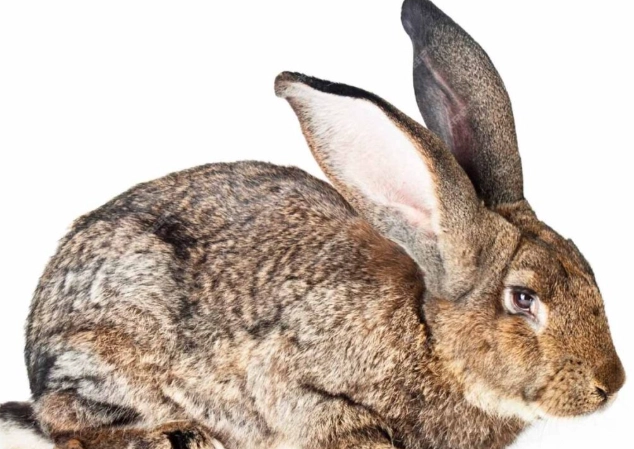
Diet: The Bottomless Hay Pit
A British Giant rabbit's diet follows the same principles as any rabbit's – it's just multiplied by four. Hay is the absolute cornerstone. We're talking about a constant, unlimited supply of high-quality grass hay (Timothy, Orchard, Meadow).
Here’s a rough breakdown of their daily diet:
| Food Type | Daily Amount (Approx.) | Key Notes & Tips |
|---|---|---|
| Grass Hay | UNLIMITED. A pile as big as they are. | This makes up 80-90% of their diet. It's essential for digestion and dental health. Be prepared to buy hay in bulk bales, not small bags. |
| Fresh Greens/Veggies | 2+ packed cups per day | Romaine, kale, cilantro, parsley, dandelion greens (pesticide-free). Introduce new greens slowly. |
| High-Quality Pellets | 1/4 to 1/2 cup | Use a plain, timothy-based pellet without colorful bits or seeds. Pellets are a supplement, not the main food. |
| Treats/Fruit | Very small pieces, 1-2 times a week | Apple slice, banana, berry. High in sugar, so use sparingly for training or bonding. |
| Fresh Water | Always available, changed daily | Use a heavy ceramic bowl they can't tip. A water bottle can be a backup, but bowls are better for hydration. |
Critical Warning: Never suddenly change a rabbit's diet, especially a giant breed. Their digestive systems are sensitive. Any changes to greens or pellets must be done over 7-10 days by mixing the new food in with the old, increasing the ratio slowly. A sudden change can cause fatal gastrointestinal stasis (GI stasis).
The cost of hay and greens for a British Giant is significant. You're not buying a $5 bag of hay that lasts a month. You're looking at a major, recurring line item in your pet budget.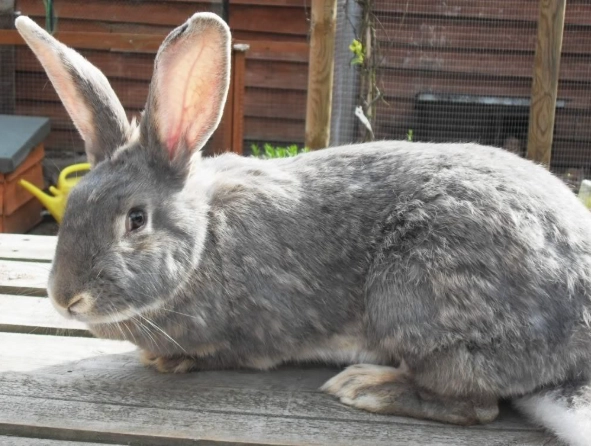
Health and Lifespan: What to Watch For
With good care, a British Giant rabbit can live 5 to 7 years, sometimes longer. Their large size, however, does make them prone to certain health issues.
- Sore Hocks (Pododermatitis): This is a big one. Their great weight puts constant pressure on their back feet. If the floor surface of their enclosure is hard (wire, hard plastic), they can develop painful, ulcerated sores on their hocks. The entire floor of their living space MUST be soft. Use layers of fleece blankets, vet bed, soft grass mats, or a deep layer of paper-based bedding. Check their feet regularly.
- Arthritis and Joint Issues: Again, the weight. As they age, arthritis in the hips, knees, and spine is common. Providing soft bedding, ramps instead of jumps, and keeping them at a healthy weight are crucial. Your vet may recommend joint supplements.
- GI Stasis: As with all rabbits, this is a constant threat. A giant rabbit going into stasis is a full-blown emergency. Know the signs: small or no poops, loss of appetite, lethargy, hunched posture. Have your vet's emergency number and a rabbit-savvy vet identified before you need them.
- Dental Problems: Their teeth constantly grow. The unlimited hay diet is critical to grind them down naturally. Malocclusion (misaligned teeth) can occur and requires regular vet filing.
- Heat Stroke: Their large body mass and thick fur make them very susceptible to overheating. They must be kept in a cool, well-ventilated area. Temperatures above 80°F (27°C) are dangerous. Provide ceramic tiles to lie on and frozen water bottles wrapped in towels.
You must find a veterinarian who is experienced with rabbits, preferably with giant breeds. Regular check-ups are essential. And be prepared: medication doses, anesthesia risks, and surgery costs are all higher due to their size. Pet insurance for rabbits is something I'd strongly, strongly consider.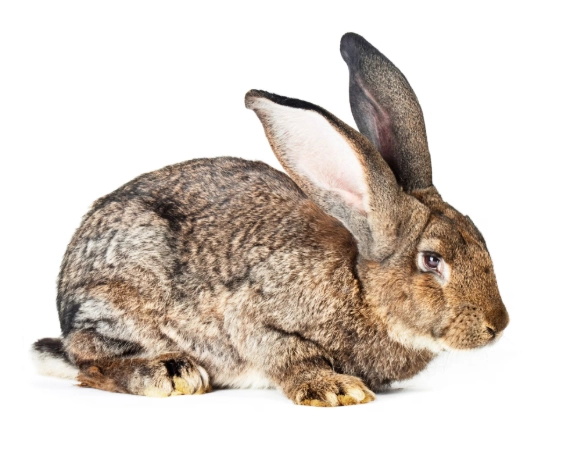
Is a British Giant Rabbit Right for You? The Honest Checklist
Let's be brutally honest. This isn't a pet for everyone. Ask yourself these questions:
- Space: Do you have a dedicated, safe, indoor area of at least 20-30 square feet that can be the rabbit's primary territory?
- Budget: Can you afford significantly higher costs for food (hay, greens), bedding, large-scale toys, and vet care (including potential emergency bills)?
- Time: Can you commit to daily feeding, water changes, spot cleaning, social interaction, and weekly thorough enclosure cleaning? Grooming several times a week is also needed.
- Lifestyle: Is your home relatively calm? Do you have years of stability ahead? Rehoming a giant, special-needs rabbit is incredibly difficult.
- Other Pets/Children: Are any existing pets or children calm and gentle enough to interact safely with such a large, sensitive animal?
If you hesitated on any of these, pause and reconsider.
Finding a British Giant Rabbit: Breeder vs. Rescue
If you've decided to proceed, sourcing your rabbit ethically is crucial.
Reputable Breeders: A good breeder prioritizes health and temperament over just size. They should: - Welcome you to visit and see the living conditions of the rabbits and the parent(s). - Ask you as many questions as you ask them. - Provide a pedigree from the British Rabbit Council. - Have the kits (babies) handled from a young age for socialization. - Not let kits go to new homes before 8 weeks of age. - Be knowledgeable about the breed's specific health concerns. - Be a member of the BRC or a recognized national rabbit club.
Rescue/Adoption: Please consider this. Larger and older rabbits are often the hardest for shelters to place. Adopting an adult British Giant rabbit means you skip the destructive teenage phase, you know their full-grown size and personality, and you're giving a wonderful animal a second chance. Check with rabbit-specific rescues or large animal welfare organizations. The Rabbit Welfare Association & Fund (RWAF) in the UK is an excellent resource for welfare advice and may have adoption contacts.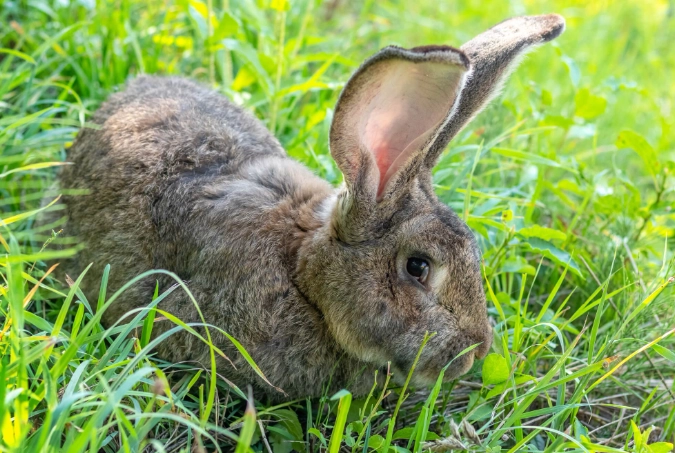
Whether buying or adopting, ensure the rabbit is already spayed or neutered. This is non-negotiable for health, behavioral, and population control reasons. Unfixed rabbits have a very high risk of reproductive cancers and can exhibit difficult hormonal behaviors.
Common Questions About British Giant Rabbits
Final Thoughts
Living with a British Giant rabbit is a unique and deeply rewarding experience. There's something profoundly special about the quiet friendship of an animal this large and gentle. The sight of them contentedly flopped over, taking up half the hallway, never gets old.
But it's a commitment that should not be entered into lightly, on a whim, or because the babies look cute. It's a commitment of space, time, and money that rivals that of a medium-sized dog. Do your research, be brutally honest about your capabilities, and if you decide to take the plunge, do it right. Source your rabbit ethically, set up their space before they come home, and find that rabbit-savvy vet.
If you can meet their needs, a British Giant rabbit will reward you with years of gentle, quiet companionship, proving that the biggest hearts often come in the largest, fluffiest packages.
Comment