What You'll Find Inside
- What Exactly is a Continental Giant Rabbit?
- The Continental Giant Personality: Gentle Giant or Demanding Diva?
- The Real Cost and Commitment: More Than Just a Big Cage
- Common Health Issues in Continental Giants
- Are You the Right Home for a Continental Giant Rabbit?
- Frequently Asked Questions (The Real Ones People Ask)
- The Final Word
Let's be real for a second. You've probably seen a picture online. A massive, fluffy bunny lounging on a couch like a small dog, looking impossibly cute and gentle. Your first thought was likely, "I need that in my life." I get it. I was there too, scrolling through Instagram, completely captivated by these gentle giants. But before you dive headfirst into the world of giant rabbit ownership, there's a lot more to consider than just their undeniable cuteness. Owning a Continental Giant rabbit is a commitment more akin to having a medium-sized dog than a typical pet bunny.
This isn't your average Easter bunny. We're talking about a rabbit that can legitimately weigh more than a healthy toddler. Their size alone changes everything about how you care for them, from their housing to their vet bills. I learned this the hard way after adopting my first Conti, a gentle doe named Greta. Let's just say my initial setup was... inadequate. Within a week, she had outgrown the "large" rabbit hutch I'd bought, and I was scrambling to convert a whole section of my sunroom.
Size matters. And with Continental Giants, it matters a lot.
This guide is for anyone dreaming of sharing their home with one of these magnificent animals. We'll cut through the cute social media posts and get into the nitty-gritty: the space they really need, the food they actually consume, their unique personalities, and the potential pitfalls. My goal is to give you the real, unfiltered picture so you can decide if a Continental Giant rabbit is the right fit for your home and lifestyle.
Quick Reality Check: The American Rabbit Breeders Association (ARBA) officially recognizes the Flemish Giant, which is often confused with the Continental Giant. The Continental Giant (or "Conti") is its own distinct breed, with roots in Europe (particularly Belgium and Germany), and is recognized by the United Kingdom association. The AR is therefore not strictly correct. The reference to the AR is therefore incorrect. The correct reference for Continental Giant breed standards would be to the British Rabbit Council (BRC). However, the care requirements for both giant breeds are remarkably similar in practice, which is the focus of this article.
What Exactly is a Continental Giant Rabbit?
Let's clear up the confusion first. The Continental Giant rabbit is a breed of domestic rabbit, originally developed in Continental Europe for meat and fur. Thankfully, their primary role today is as companion animals. They are one of the largest, if not the largest, recognized rabbit breeds in the world.
They're often mixed up with the Flemish Giant. While closely related, they are distinct. Continental Giants tend to have a slightly different "mandolin" body shape—fuller through the hindquarters with a more pronounced arch to the back—and a wider head. But honestly, to the average person, the most noticeable difference might just be the name used by the breeder. The important thing is that any rabbit sold as a Continental Giant rabbit will share the same colossal dimensions and general care needs.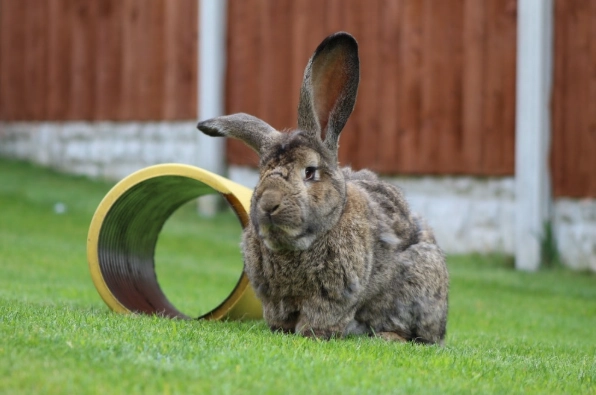
The Numbers: Just How Big Do They Get?
This is the question everyone asks. You hear "giant" and think of a big bunny. But you need to think bigger.
A healthy, fully grown Continental Giant rabbit typically weighs between 13 to 20 pounds (5.9 to 9 kg). Some exceptional males, often called "Giant Continentals," can push past 25 pounds (11.3 kg). To put that in perspective, that's heavier than most domestic cats and many small dog breeds like French Bulldogs or Shih Tzus.
Their length from nose to tail can easily exceed 2.5 feet (76 cm). When they stretch out or flop on their side, they can cover an area as large as a medium dog bed. I remember the first time Greta did a full-body stretch next to my Beagle—they were nearly the same length. It was a startling and wonderful sight.
| Size Metric | Typical Range | Comparable Common Object |
|---|---|---|
| Weight | 13 - 20+ lbs (5.9 - 9+ kg) | A large bowling ball, a small turkey |
| Body Length | Up to 2.5+ ft (76+ cm) | A standard pillow, a skateboard deck |
| Ear Length | 6 - 8 inches (15 - 20 cm) | A large smartphone |
They don't reach this size overnight. Continental Giants grow for a long time—often up to 12-14 months before they truly fill out. So if you get a baby, you're signing up for a year of watching your "little" bunny get bigger and bigger and bigger.
Colors and Appearance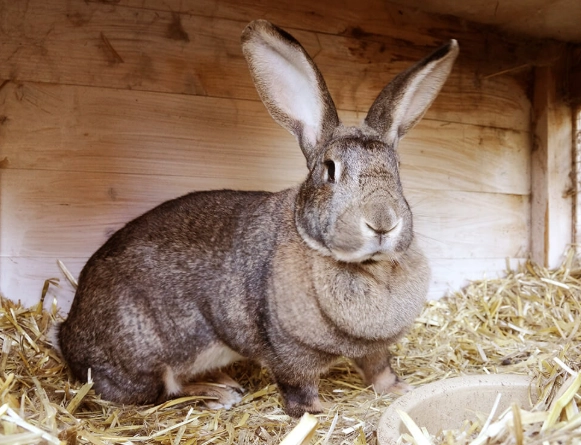
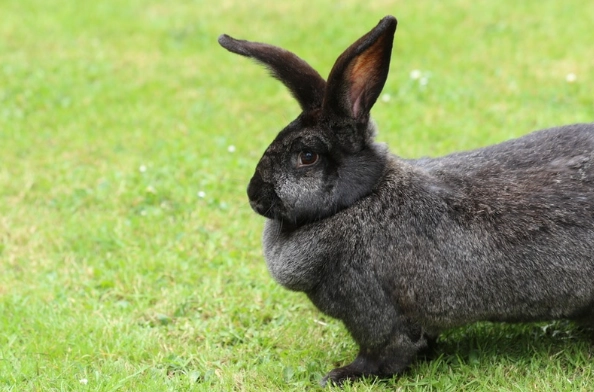
Forget the idea of just white rabbits with pink eyes. Continental Giants come in a beautiful array of colors recognized by breed standards, including Steel Grey, Light Grey, Sandy, Black, Blue, and Chinchilla. The most iconic and commonly seen is probably the rich, agouti-style "Steel Grey," which gives them a wild hare look. Their fur is dense, glossy, and of medium length, requiring regular but not obsessive grooming.
Their ears are long and should stand upright in a pronounced "V" shape, framing a broad, powerful head. Their expression is generally calm and intelligent. There's a dignified look about them that I find utterly charming.
The Continental Giant Personality: Gentle Giant or Demanding Diva?
This is the best part. The personality of a well-socialized Continental Giant rabbit is what makes all the extra work worthwhile for most owners. The breed is renowned for its docile, calm, and friendly temperament. They are often described as "dog-like" in their affection and tolerance.
Many Contis enjoy being petted, will follow their favorite humans around the house (often nudging for treats or attention), and can form incredibly strong bonds. Greta, for example, has a specific grunt-purr she makes only when she's being stroked on her forehead. She'll also plop herself firmly on my feet if I'm standing at the kitchen counter for too long, as if to say, "Pay attention to me."
But here's the crucial caveat: this wonderful temperament is not automatic.
Like any animal, their personality is shaped by genetics, early socialization, and ongoing positive interaction. A Continental Giant rabbit that is kept isolated in a cage, rarely handled, or treated roughly will likely become shy, fearful, or even aggressive. Their size means that if they are fearful and kick out, they can cause real damage. You need to invest time in building trust. This is not a pet you just stick in a hutch and look at.
Key Point: You must handle them frequently and correctly from a young age. Support their entire body and hind legs—their spine is fragile and can be injured if they kick out unsupported. Because of their size, learning to pick them up safely (if they allow it; many prefer not to be lifted) is non-negotiable. The UK's RSPCA has an excellent guide on understanding rabbit behavior that applies perfectly to giants.
Are they always calm? Not always. They have bursts of energy, known as "zoomies," where they will run, leap, and twist in the air (a move called a "binky"), which is hilarious to watch given their size. It's like seeing a freight truck attempt ballet—clumsy but full of joy.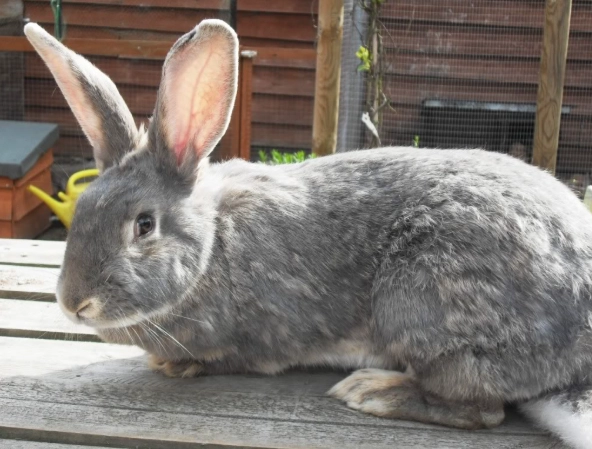
The Real Cost and Commitment: More Than Just a Big Cage
Let's talk logistics, because this is where many potential owners get a shock. Caring for a Continental Giant rabbit is expensive and space-intensive.
Housing: Your Living Room is Their Playpen
Forget standard rabbit cages. They are utterly useless. A Continental Giant rabbit needs a minimum of an entire exercise pen (x-pen) dedicated as their primary living space, and that's just the minimum. The House Rabbit Society, a fantastic resource, recommends a minimum of 12 square feet of enclosed space, plus additional time in a larger, rabbit-proofed area for exercise. For a Conti, I'd argue you should double that minimum.
Ideally, they should be free-roam in a rabbit-proofed room or your entire home (with safe zones). Rabbit-proofing for a giant means securing all wires (they can and will chew through laptop chargers in seconds), protecting furniture legs, and removing toxic plants. Their reach is impressive.
My setup? Greta has a 4ft x 4ft x-pen base with her litter box, hay rack, and water bowl. But her door is open whenever I'm home, giving her free rein over the living room and hallway, which have been meticulously bunny-proofed. She has never once used a traditional hutch.
The Diet of a Giant
You will buy hay in bulk. I'm not kidding. The foundation of their diet is unlimited, high-quality grass hay (Timothy, Orchard, Meadow). A Continental Giant rabbit can go through a flake of hay that would last a Netherland Dwarf a month. You'll need a large, sturdy hay rack that can hold a lot and withstand some serious tugging.
Fresh leafy greens are a daily must, and the volume is significant—think a large mixing bowl full per day. Pellets are given in limited, measured quantities based on weight to prevent obesity. An overweight giant has severe joint and health issues. The House Rabbit Society's diet guide is an authoritative source for structuring this.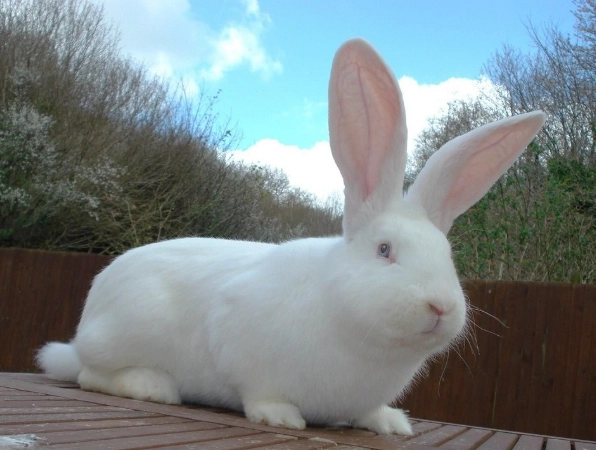
Veterinary Care: Find an Exotics Vet NOW
This is critical. Not all vets are comfortable or experienced with giant rabbits. You need an exotics or rabbit-savvy vet before you bring your rabbit home. Routine care includes annual check-ups, nail trims (those nails are thick!), and vaccinations depending on your country (like for Rabbit Hemorrhagic Disease Virus 2, RHDV2).
Emergency care is where costs skyrocket. Gastrointestinal stasis (GI stasis), a common and life-threatening condition in all rabbits, requires immediate vet intervention, often including X-rays, fluids, and motility drugs. For a giant, medication doses are larger, and procedures are more complex. A single emergency visit can easily cost several hundred dollars. I strongly recommend pet insurance or starting a dedicated savings fund.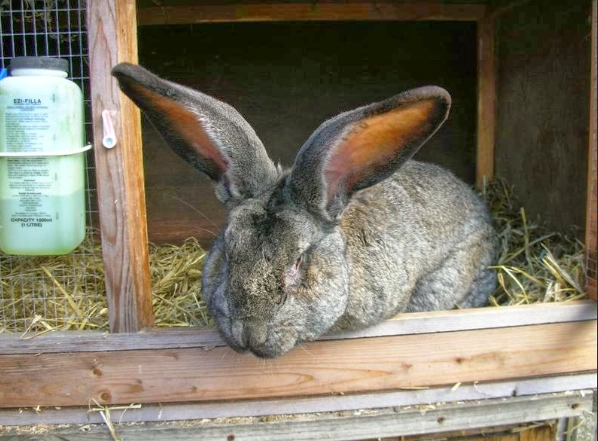
Common Health Issues in Continental Giants
Their large size predisposes them to certain problems. Being aware of these helps with prevention and early detection.
- Sore Hocks (Pododermatitis): This is a big one. Their large body weight puts pressure on the heel bone. If they are on hard, wet, or wire flooring, painful sores and infections can develop. Prevention is key: provide thick, soft bedding (fleece blankets over mats, deep straw) and avoid hard surfaces.
- Arthritis and Joint Issues: Again, weight-related. Keeping your Continental Giant at a healthy weight is the best prevention. Ramps are better than jumps for accessing furniture.
- GI Stasis: As mentioned, this is an emergency. Know the signs: small or no fecal pellets, lethargy, hunched posture, refusal to eat. Giants have a larger digestive system, but the principles are the same. Syringe-feeding critical care food is a skill you may need to learn.
- Dental Problems: Like all rabbits, their teeth constantly grow. Unlimited hay is essential for wear. Malocclusion (misalignment) can occur and requires regular vet filing.
Regularly checking their bottom, feet, and teeth is part of the routine. It's not glamorous, but it's necessary.
Are You the Right Home for a Continental Giant Rabbit?
Let's be brutally honest. This breed is not for everyone. They are a terrible choice for:
- First-time rabbit owners who haven't done extensive research. Start with a smaller, less demanding breed.
- Households with very young children. A startled giant can injure a small child by scratching or kicking, and a child can easily injure the rabbit by dropping it.
- People living in small apartments with no dedicated space for a large pen.
- Anyone on a tight budget. The ongoing and potential emergency costs are high.
- People who want a low-maintenance pet. This is a high-maintenance companion animal.
A Continental Giant rabbit might be a fantastic fit if:
- You have ample indoor space and are willing to rabbit-proof it.
- You understand the financial commitment for food and vet care.
- You are home enough to provide social interaction and out-of-pen time.
- You want a interactive, affectionate pet that doesn't need walks like a dog.
- You have previous rabbit experience or are an exceptionally dedicated researcher.
Frequently Asked Questions (The Real Ones People Ask)
How long do Continental Giant rabbits live?
With excellent care, a lifespan of 5 to 8 years is typical. Some live longer, but giants often have slightly shorter lifespans than smaller breeds due to the strain on their bodies.
Can they live with other pets?
This depends entirely on the individual animals. They can potentially bond with another rabbit (spayed/neutered), which is wonderful for their social needs. Introductions must be slow and supervised. With cats and calm dogs, cautious, supervised coexistence is possible, but the rabbit must always have a safe retreat. Never leave them unsupervised.
Are they litter trainable?
Absolutely! In fact, they are often easier to litter train than smaller rabbits due to their intelligence and less "skittish" nature. Use a large, low-sided cat litter box filled with paper-based litter and lots of hay.
Do they smell?
No. A healthy rabbit on a proper diet, with a clean litter box changed regularly, has very little odor. Their urine can be strong, which is why frequent cleaning is important.
Where should I get one?
Please consider adoption first. Check rabbit rescues and shelters. Giants are sometimes surrendered because owners were unprepared. If looking for a breeder, do your homework. A responsible breeder will prioritize health and temperament, ask you many questions, and be happy to show you their setup and the parent rabbits. Avoid anyone selling "teacup" or "mini" Continentals—that's not a thing.
The Final Word
Owning a Continental Giant rabbit has been one of the most rewarding experiences of my life. Greta is a constant, calming presence—a quiet companion who makes me laugh with her antics and amazes me with her gentle nature. But she is also a significant responsibility. The food bills are real, the space she commands is substantial, and the worry when she's off her food is intense.
If you've read all this and your reaction is, "That sounds like a lot of work, but I'm ready," then you might be on the right path. Do more research. Reach out to owners and rescues. Prepare your home and your budget thoroughly.
A Continental Giant rabbit isn't just a pet; it's a commitment to caring for a magnificent, gentle giant.
But if you're willing to put in the work, the reward is a unique and profoundly affectionate friendship with one of the most impressive creatures in the domestic animal world.
Comment