Quick Guide
- The Meat Rabbit Blueprint: Why Californians Are Engineered for the Table
- The Other Side of the Coin: Californian Rabbits as Pets
- Meat vs. Pet: The Direct Comparison
- Making Your Decision: Key Questions to Ask Yourself
- Diving Deeper: Common Questions (And My Frank Answers)
- The Bottom Line: It's About Purpose
You've probably seen those striking white rabbits with dark ears, nose, and feet. They look almost fancy, like they should be in a show ring. And then someone tells you they're one of the best meat rabbits out there. It creates a bit of cognitive dissonance, doesn't it? How can something that looks so distinctive be bred primarily for the table?
Let me cut to the chase. The answer to "Is a Californian rabbit a meat rabbit?" is a resounding yes. In fact, it's not just a meat rabbit; it's consistently ranked among the top-tier meat rabbit breeds globally, often sharing the podium with the New Zealand White. But that's the simple, one-word answer. The real story is more nuanced and way more interesting.
I remember visiting a friend's small farm a few years back. He had a mixed group of rabbits, but the Californians stood out. They weren't just sitting there; they had a calm, solid presence. When he picked one up to check its condition, the body was full and firm—what rabbit breeders call "commercially prime." That visit cemented my understanding that this breed's reputation is built on substance, not just looks.
This article isn't just about stating a fact. It's about peeling back the layers on why the Californian holds this title, what makes it tick, and—crucially—whether its talents end at the freezer or if it has a second, equally compelling life as a pet. Because for many people, that's the real dilemma.
The Meat Rabbit Blueprint: Why Californians Are Engineered for the Table
To understand the Californian, you need to know its origin story. It wasn't an accident of nature. In the early 1920s, a breeder named George West in Southern California set out with a specific mission: create the ideal market rabbit. He crossed Himalayan rabbits (for their distinctive color pattern and good meat quality) with New Zealand Whites (the reigning meat champion) and later introduced Chinchilla genetics for improved fur density.
The result was the Californian. It was recognized by the American Rabbit Breeders Association (ARBA) in 1939. The goal wasn't a pretty pet; it was efficiency. Every characteristic was honed for meat production.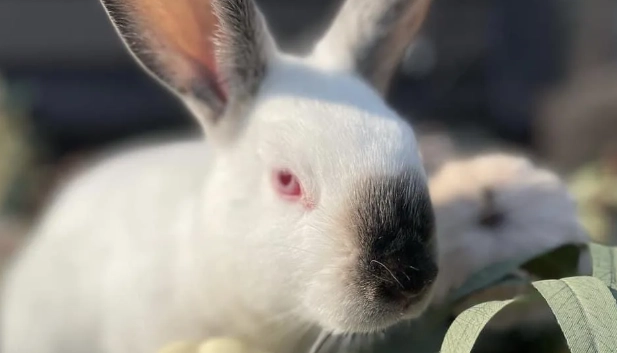
So, what are these magic characteristics that make answering "Is a Californian rabbit a meat rabbit?" so straightforward? Let's break them down.
The Hallmarks of a Superior Meat Rabbit
First, the frame. Californians have a mandolin or commercial body type. Think of it as a deep, well-rounded loaf. The back is broad, the shoulders are full, and the hindquarters—where the most valuable meat is—are exceptionally muscular and wide. It's a body built for yield.
Then there's the growth rate. This is where they truly shine. A well-bred Californian kit, on a proper feeding regimen, can reach a market weight of 5 pounds in as little as 8 weeks. That's incredibly fast. For homesteaders, this means less feed input over time and a quicker turnaround. The feed-to-meat conversion ratio is excellent, often cited as one of the best among all rabbit breeds.
The dressing percentage (the percentage of the live weight that becomes carcass) is consistently high, typically between 58% and 65%. That's a lot of usable meat from one animal.
By the Numbers: Californian Rabbit Meat Production
• Target Market Weight: 4.5 - 5.5 lbs (2 - 2.5 kg) at 8-10 weeks.
• Average Adult Weight: 8 - 10.5 lbs (3.6 - 4.8 kg).
• Prime Dressing Percentage: 60%+.
• Litter Size: 6-8 kits on average, with good maternal instincts from the doe.
• Fur: A dense, plush coat that is also commercially valuable.
Oh, and the fur. It's not an afterthought. The pelt is thick, plush, and because of the white background with colored points, it dyes beautifully for the commercial fur trade. This adds to the overall value of the animal, a point often overlooked in pure meat discussions.
But here's something folks don't talk about enough: temperament. For a meat animal, calmness is a huge asset. Stressed animals don't grow as well. Californians are famously docile and easy to handle. This makes daily care, health checks, and processing (when the time comes) much less stressful for both the rabbit and the keeper. I've found them to be less skittish than some other large breeds, which is a practical benefit you only appreciate once you're working with them.
The Other Side of the Coin: Californian Rabbits as Pets
Now, this is where the water gets muddy and opinions fly. If a Californian rabbit is a meat rabbit, can it also be a good pet? Absolutely. In fact, their meat-rabbit genetics indirectly create some fantastic pet qualities.
That docile, placid nature I mentioned? It's a dream for a family pet. They tend to be tolerant, less prone to nipping, and can handle being held better than more high-strung, dwarf breeds. Their larger size (8-10 pounds as adults) makes them feel substantial and less fragile around respectful children.
They are intelligent and can learn to use a litter box. Their calm demeanor often means they're content to lounge around, though they still need and enjoy several hours of exercise outside a cage each day. That beautiful coat is relatively easy to maintain—a weekly brush is usually sufficient.
But there are pet-specific considerations. Their size means they need a significantly larger living space than a Netherland Dwarf. An exercise pen or a very large cage is a must. They can be more expensive to feed as adults due to their size. And, let's be honest, their lifespan as a cherished pet (5-10 years) is a world away from the 8-10 week timeline of meat production. Committing to a Californian as a pet is committing to a large, long-lived animal.
Some people also report that, being bred for calm productivity, they can be a bit less "playful" or mischievous than smaller breeds. They might be more of a "couch potato" companion than a tiny acrobat. Whether that's a pro or a con depends on what you want in a bunny.
Meat vs. Pet: The Direct Comparison
Let's put it all side-by-side. This makes the dual nature crystal clear.
| Aspect | As a Meat Rabbit | As a Pet Rabbit |
|---|---|---|
| Primary Selection | Chosen for fast growth rate, high dress-out %, good feed conversion. | Chosen for docile temperament, appearance, compatibility. |
| Housing Focus | Efficient, clean, easy-to-manage colony or cage systems for groups. | Spacious indoor pen or rabbit-proofed room, emphasis on enrichment. |
| Diet Goal | Optimized protein for rapid, lean muscle growth to a specific weight. | Balanced nutrition for long-term health, weight maintenance, dental care. |
| Handling | Regular but practical: health checks, weighing, moving. | Frequent for bonding, grooming, play, and socialization. |
| Lifespan Focus | 8 weeks to 6 months (for breeding stock). | 5 to 10+ years. |
| Economic View | Livestock asset. ROI calculated on feed cost, weight gain, litter frequency. | Companion animal. Cost is for care (vet, food, supplies) over its lifetime. |
See? The same animal, viewed through two completely different lenses. This is why the question "Is a Californian rabbit a meat rabbit?" is so potent. The answer is yes, but it doesn't tell the whole story. A more complete answer is: It is a premier meat rabbit breed that also possesses the core attributes to be a wonderful, large-sized pet.
Making Your Decision: Key Questions to Ask Yourself
Okay, so you're interested in Californians. How do you decide which path is right for you? Don't just jump in. Ask yourself these questions.
For the Homesteader / Meat Producer:
- Do I have reliable, breed-focused stock? The performance numbers only hold true with rabbits from lines bred for those traits. A pet-bred Californian might grow slower. Seek breeders who track weaning weights and litter sizes.
- Am I prepared for the full cycle? This means breeding (if you keep a buck and doe), caring for kits, and the end process. It's a commitment to husbandry.
- What's my local market? If you plan to sell surplus, will the distinctive look of Californians be an advantage or do buyers just want "white rabbit meat"?
For the Potential Pet Owner:
- Do I have space for a 10-pound rabbit? Seriously, measure your area. Their cage needs to be at least 4-5 times their stretched-out size.
- Can I handle the long-term vet costs? A large rabbit means larger medication doses and potentially higher surgery costs. Find an exotics vet before you need one.
- Am I drawn to their personality or just their looks? Try to meet some. Ensure their calm, sometimes placid nature is what you want, not the constant activity of a smaller breed.
And a question for everyone: What is my ethical comfort zone? For some, raising an animal known for its pet qualities for meat is a non-starter. For others, honoring an animal by raising it humanely and utilizing it fully is the ultimate respect. There's no universal answer here, only your own.
Diving Deeper: Common Questions (And My Frank Answers)
Let's tackle some of the specific things people are typing into Google. These are the real, sometimes awkward, questions.
Are Californian rabbits good for beginners in meat production?
In my opinion, they are one of the best choices for a beginner. Why? Their manageable temperament reduces handling stress for both you and the rabbit. Their good maternal instincts mean the does often handle kit-rearing well, giving you a bit of a buffer as you learn. Their growth is so reliable it gives you positive feedback. Just make sure you start with stock from a reputable breeder who mentors newcomers.
What do Californian rabbits taste like?
Rabbit meat is often compared to chicken, but that's lazy. It's its own thing—mild, slightly sweet, very lean, and fine-grained. The taste of a Californian isn't different from a New Zealand or other meat breed based on breed alone; diet and age have a far greater impact. A properly processed young rabbit (8-12 weeks) fed on quality pellets and hay will have tender, mild-flavored meat. An older breeding stock animal will be stronger in flavor and tougher. It's all about how you raise and prepare it.
How many Californian rabbits do I need to start for meat?
This is a math and space problem. The classic starter trio is one buck and two does. With average litters of 6-8, harvested at 10-12 weeks, and allowing for a rest period between litters for the does, you could theoretically produce 30-50 pounds of meat per doe per year. So with two does, you're looking at potentially filling your freezer several times over. Start small. Master caring for three adults before you're suddenly responsible for 20 kits.
Can I keep a single Californian rabbit as a pet, or do they need a friend?
Rabbits are social. While a single Californian can bond deeply with a human who spends hours daily with it, they generally thrive with a rabbit companion. Their calm nature often makes them good candidates for bonding. If you work full-time, a neutered/spayed pair is arguably kinder. Just remember: two large rabbits need a lot of space.
Myth to Bust: "Meat rabbits are inherently unhealthy or pumped with hormones." Not true. Commercial rabbit production in the US does not use growth hormones. The fast growth of a Californian is achieved through selective breeding over generations for efficient genetics, not chemicals. A well-cared-for meat rabbit is a healthy animal up to the point of harvest.
The Bottom Line: It's About Purpose
So, after all this, where do we land on the central question? Is a Californian rabbit a meat rabbit?
Yes. Unequivocally.
It was designed for it, excels at it, and remains a gold standard in the world of sustainable small-scale meat production. Its body is a testament to function. But to see it only as a meat rabbit is to sell the breed short.
The genetics that create a fantastic meat animal—docility, hardiness, intelligence—also lay the foundation for a rewarding pet. The Californian rabbit is a remarkable example of an animal whose inherent qualities allow it to fulfill two very different human needs. The choice of which path to take isn't made by the rabbit. It's made by you.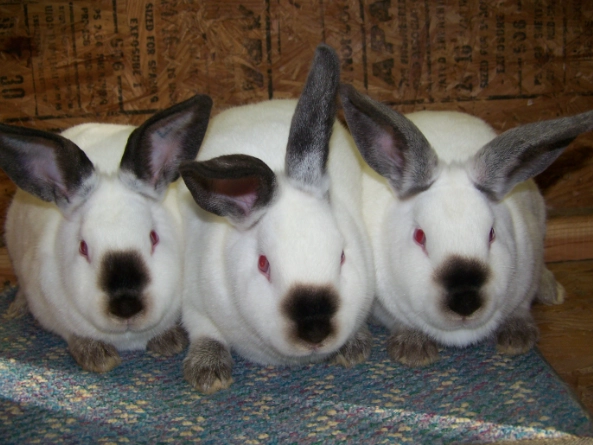
Your job is to be clear about your purpose. If it's meat, source the best stock, learn proper husbandry, and respect the animal's life by providing excellent care. The American Rabbit Breeders Association (ARBA) website is an essential resource for finding breeders and breed standards. For data-driven insights on small-scale livestock, the USDA National Agricultural Statistics Service can provide context, and universities like UC Agriculture and Natural Resources often have excellent research-based publications on rabbit production.
If it's a pet, commit to that decade-long journey. Provide the space, the veterinary care, and the companionship it needs to thrive as an individual, not just as a representative of a breed.
Either way, understanding that the Californian rabbit is, at its core, a premier meat rabbit gives you a deeper appreciation for the animal in front of you. It's a piece of agricultural history, a model of efficiency, and, for many, a beloved friend. That's a pretty incredible range for one breed of bunny.
Comment