Quick Guide
- What Exactly is Californian Rabbit Meat?
- Nutritional Profile: Is It Really That Healthy?
- The Flavor and Texture: What Does Californian Rabbit Meat Actually Taste Like?
- A Step-by-Step Guide to Cooking Californian Rabbit Meat
- Where to Buy Californian Rabbit Meat
- Sustainability and Ethical Considerations
- Common Questions (FAQ) About Californian Rabbit Meat
- Final Thoughts: Is Californian Rabbit Meat Worth Trying?
Let's talk about rabbit meat. Specifically, Californian rabbit meat. I know what you might be thinking – rabbit? Really? Isn't that a bit... unusual? That's exactly what I thought too, until a friend who's a chef served me a rabbit stew a few years back. I was skeptical, I'll admit it. But one bite changed my whole perspective. The flavor was mild, the texture was tender, and it just worked. Since then, I've been down a rabbit hole (pun intended) of learning about this protein, and Californian rabbit meat keeps popping up as a top choice.
This isn't just about trying something exotic. There's a real conversation happening about sustainable eating, lean protein sources, and expanding our culinary horizons. Rabbit meat, especially from a breed like the Californian, fits right into that. But information online can be all over the place. Some sources make it sound like a miracle food, others treat it as a novelty. I wanted to cut through the noise and get the real, practical details. What does it actually taste like? How do you cook it without drying it out? Where on earth do you even buy it? And is it truly a healthier choice?
This guide is my attempt to answer all of that, based on what I've learned from talking to farmers, reading research, and yes, cooking quite a few rabbits myself (with mixed success initially – I've made my share of dry, chewy mistakes). We'll look at it from every angle, good and bad.
Quick Take: Californian rabbit meat is a lean, white meat from a popular dual-purpose breed known for its good meat-to-bone ratio and mild flavor. It's gaining traction as a sustainable and nutritious alternative to traditional meats like chicken and pork.
What Exactly is Californian Rabbit Meat?
First, a bit of clarity. "Californian rabbit meat" doesn't mean the rabbit was necessarily raised in California. It refers to the meat from the Californian rabbit breed. This is a specific breed developed in the early 20th century, famously by a man named George West, with the goal of creating a superior meat rabbit. They're known for their distinctive white body with dark points (ears, nose, feet, and tail).
Why does the breed matter for the meat? Well, different rabbit breeds have different characteristics. Californians were bred specifically for meat production, which means they typically grow to a good size efficiently and have a favorable carcass yield. In my experience looking at different options, the meat from a Californian rabbit tends to be consistent in texture and size, which makes it a reliable choice for both farmers and home cooks. You're not getting a wild hare here; this is a domesticated animal raised for the table.
The meat itself is all white meat, similar to chicken in color, but the texture and flavor are its own thing. It's a bit denser than chicken breast, finer than turkey. Think of it as its own category.
The Breed Behind the Meat
The Californian rabbit is a staple in the meat rabbit world. They're known for being docile, good mothers (which is important for sustainable breeding), and they reach a market weight of around 4.5 to 5.5 pounds fairly quickly – usually by 8 to 10 weeks of age. This efficiency is part of what makes Californian rabbit meat a topic in sustainable agriculture discussions. They convert feed to meat pretty well, especially compared to larger livestock.
I remember visiting a small-scale farm that raised Californians. The farmer pointed out how their white fur (with the dark points) is actually a practical trait – it makes dressing the rabbit cleaner and easier, as any remaining hairs are more visible. It's these little practical details that breeders selected for.
Nutritional Profile: Is It Really That Healthy?
This is where Californian rabbit meat often gets a lot of praise, and for good reason. Let's break down the numbers. The nutritional data from the USDA FoodData Central for domesticated rabbit meat tells a compelling story. It's one of the leanest meats you can find.
| Nutrient (per 100g raw) | Amount (Californian Rabbit Meat, approx.) | Key Benefit |
|---|---|---|
| Calories | ~136 kcal | Lower than most red meats |
| Protein | ~20-22 g | High-quality, complete protein |
| Total Fat | ~5-6 g | Very low overall fat content |
| Saturated Fat | ~1.5 g | Minimal saturated fat |
| Cholesterol | ~57 mg | Moderate, similar to chicken |
| Iron | ~2.5 mg | Good source of heme iron |
| Potassium | ~350 mg | Supports heart health |
| B12 | ~7 mcg | Exceptionally high |
Looking at that table, the high protein and low fat stand out immediately. But the real star for me is the Vitamin B12 content. It's through the roof. B12 is crucial for nerve function and blood cell formation, and it's a nutrient some people struggle to get enough of, especially if they eat little red meat. A single serving of Californian rabbit meat can provide well over 100% of your daily needs.
It's also a source of heme iron, which is the type of iron our bodies absorb most easily. For anyone managing their iron levels, this is a point worth noting. The potassium content is a nice bonus too, often higher than what you find in chicken.
But here's a practical downside I discovered: because it's so lean, it can dry out if you overcook it. There's very little fat marbling to baste the meat from within. This isn't a flaw in the meat, but it's a crucial cooking consideration. You can't treat it like a fatty pork chop and throw it on the grill for ages. It demands a bit more attention.
"The leanness of rabbit meat is both its greatest nutritional asset and its main culinary challenge. It's packed with protein and minerals but has no forgiveness for high, dry heat." – A note from my conversations with a culinary instructor specializing in alternative proteins.
How It Compares to Other Meats
Let's put Californian rabbit meat side-by-side with more common choices. This comparison makes the differences stark.
| Meat Type (100g, raw) | Calories | Protein (g) | Total Fat (g) | Saturated Fat (g) |
|---|---|---|---|---|
| Californian Rabbit | ~136 | ~21 | ~5.5 | ~1.5 |
| Skinless Chicken Breast | ~165 | ~31 | ~3.6 | ~1.0 |
| Lean Ground Beef (90/10) | ~176 | ~20 | ~10 | ~4.0 |
| Pork Loin Chop | ~173 | ~21 | ~9 | ~3.3 |
| Atlantic Salmon | ~208 | ~20 | ~13 | ~3.1 |
So, what does this tell us? Californian rabbit meat is consistently one of the lowest in calories and total fat. Its protein content is solid, though interestingly, a bit lower than a plain chicken breast. The saturated fat is wonderfully low. If your dietary goals are leaning towards high protein with minimal saturated fat and calories, this meat makes a strong case for itself. It sits in a unique spot – leaner than most meats but with a different texture and flavor profile than chicken breast.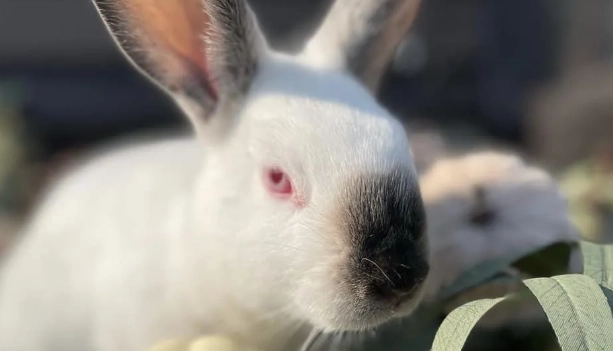
I find it works really well for people who are bored of chicken but want to stay in that lean protein category. It's a way to mix things up without blowing your nutrition goals.
The Flavor and Texture: What Does Californian Rabbit Meat Actually Taste Like?
This is the million-dollar question, right? Taste is subjective, but I can give you a framework based on my own tastings and what chefs commonly say.
The flavor of Californian rabbit meat is mild and slightly sweet. It's not gamey like venison or some duck. If you're expecting a strong, wild taste, you'll be surprised. The mildness is why it takes to herbs, marinades, and braising liquids so beautifully. It absorbs flavors without fighting them. Some people describe it as a cross between chicken and turkey, but I think that sells it short. It has its own delicate, clean taste.
Now, the texture. This is more distinctive. The meat is fine-grained and tender when cooked correctly, but it has a slight density to it. It's not stringy like chicken thigh can be, nor is it as soft as a perfectly cooked scallop. It holds its shape well in stews. The legs, being a worked muscle, have more connective tissue and are ideal for slow, moist cooking. The saddle (the back loin) is the premium cut – it's incredibly tender and can be cooked more quickly, like a small medallion.
My first attempt at cooking rabbit? I roasted it like a chicken. Big mistake. The legs were okay, but the delicate saddle dried out and became chewy. I learned the hard way that different cuts on a rabbit demand different treatments. It's a lesson in butchery and technique.
The taste is subtle. The texture is where you notice it's not chicken.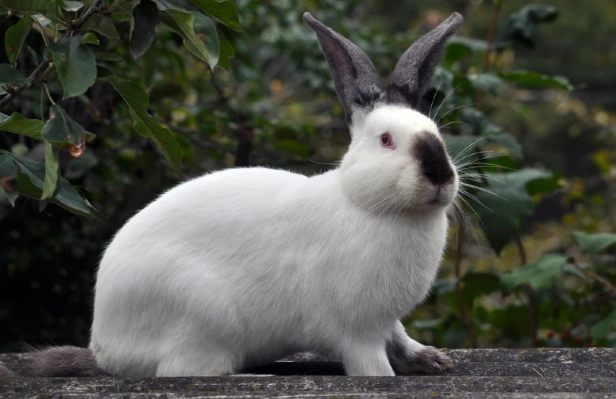
Addressing the "Gamey" Myth
A lot of folks worry about a gamey or "wild" flavor. With properly raised and processed Californian rabbit meat, this shouldn't be an issue. The gamey taste in meat often comes from diet, age, or stress at processing. Commercially or well-farmed Californian rabbits are fed a controlled diet (usually pellets, hay, sometimes greens) and processed young. This results in that consistent, mild flavor profile.
If you do encounter a stronger flavor, it might be from an older rabbit or one with a different diet. It's a good reason to source your meat from a reputable farmer or supplier you trust. Asking about the rabbit's age and diet is totally fair game when you're buying.
A Step-by-Step Guide to Cooking Californian Rabbit Meat
Okay, so you've bought some Californian rabbit meat. Now what? Don't be intimidated. The key is to match the cooking method to the cut. Rabbit isn't one monolithic piece of meat; it has parts that behave very differently.
Step 1: Understand Your Cuts
When you buy a whole rabbit, it's often segmented. You'll typically have:
- The Saddle/Loin: The two long strips along the back. The most tender cut. Treat it like a precious filet mignon.
- The Legs (Hindquarters): Muscular, with more connective tissue. Think chicken thighs.
- The Front Shoulders/Forelegs: Less meat, more bone, great for flavoring stocks and slow braises.
- The Ribs/Belly: Often included with the saddle or used for stock.
Step 2: Choose Your Method Based on the Cut
For the Saddle (Loin): Quick, high-heat methods. Pan-sear, grill, or roast hot and fast. Aim for an internal temperature of 145-150°F (63-66°C). Overcooking turns it dry and tough in a heartbeat. I like to sear it in a hot pan with butter and thyme for just 3-4 minutes per side, then let it rest. Simple is best here to appreciate the tenderness.
For the Legs: Slow, moist heat. This is where rabbit shines. Braising, stewing, confit. The connective tissue needs time and moisture to break down into gelatin, which makes the meat succulent and flavorful. A classic French *lapin à la moutarde* (rabbit in mustard sauce) is perfect for the legs. Cook them low and slow for at least 1.5 to 2 hours until fork-tender.
For the Whole Rabbit (if roasting): This is tricky. I'd recommend breaking it down first. If you insist on roasting whole, brine it first to add moisture, roast at a moderate temperature (375°F / 190°C), and baste it constantly. Even then, be prepared for the saddle to finish before the legs.
Step 3: Flavor Pairings That Work
Because the flavor is mild, it's a canvas. Classic pairings include:
- Herbs: Thyme, rosemary, sage, tarragon.
- Mustard: Dijon or whole-grain mustard in a cream sauce.
- Wine: White wine for deglazing, red wine for robust braises.
- Vinegars: A splash of sherry vinegar or apple cider vinegar brightens rich dishes.
- Bacon or Pancetta: A classic trick – wrapping the lean saddle in bacon adds fat and flavor.
- Mushrooms, leeks, olives, prunes. These are all friends of rabbit.
The single most important tip I can give you: Use a meat thermometer. Guessing doneness with such a lean meat is a recipe for disappointment. Pull the saddle off the heat at 145°F. For braised legs, just cook until they pull apart easily with a fork.
Where to Buy Californian Rabbit Meat
This is often the biggest hurdle. You won't typically find it in every supermarket, though that's slowly changing. Here are your main options, from easiest to most direct.
1. Specialty Butchers and High-End Grocers: This is your best bet in urban areas. A good butcher shop, especially one that focuses on heritage or specialty meats, often carries frozen rabbit. Sometimes it's labeled generically as "rabbit," but you can ask about the breed. Many suppliers use Californian or New Zealand rabbits (another excellent meat breed). Don't be shy to call ahead and ask.
2. Farmers' Markets: A fantastic source. You can meet the farmer directly, ask about their practices, and often get the freshest product. Look for vendors selling other pasture-raised meats. The USDA's Farmers Market Directory can help you find markets in your area. The meat here might be sold fresh or frozen on-site.
3. Online Meat Purveyors: Several reputable companies now ship frozen meat nationwide. Companies like D'Artagnan or smaller farms with online stores will ship frozen Californian rabbit meat in insulated boxes. This is convenient but obviously adds cost for shipping.
4. Local Rabbit Farms: A web search for "meat rabbits near me" or checking sites like Local Harvest can connect you with small farms. You may need to order in advance or buy in bulk (e.g., a whole frozen rabbit). This is how I get mine now – I found a farm 30 minutes away and pick up a few at a time for the freezer.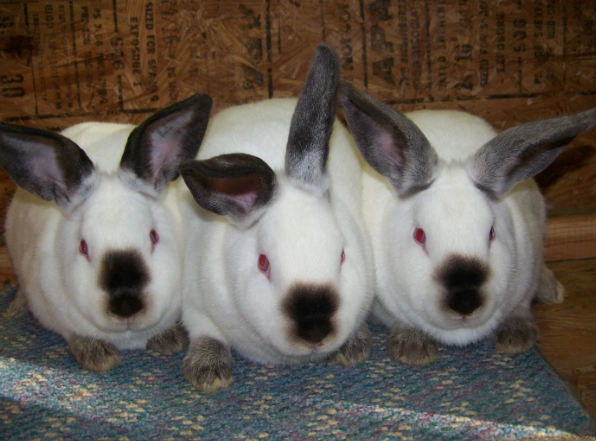
A Note on Price: Californian rabbit meat is almost always more expensive per pound than conventional chicken. You're paying for a specialty product, often from smaller-scale, more attentive farming. Expect to pay anywhere from $10 to $20 per pound, depending on the source and whether it's whole or cut. View it as a special occasion or rotational protein, not necessarily a cheap everyday staple.
Sustainability and Ethical Considerations
This is a major reason people explore rabbit meat. From an environmental footprint perspective, rabbits have some compelling advantages. They're small, reproduce quickly, and require less space and feed per pound of meat produced than cattle or pigs. They produce less methane than ruminants. Organizations like the Sustainable Agriculture Research & Education (SARE) program have featured small-scale rabbit production as a model for local food resilience.
But – and this is a big but – sustainability isn't just about feed conversion ratios. It's also about animal welfare. This is the part of the conversation that gets personal and where you, as a consumer, have power through your choices.
If the ethical aspect matters to you (and it does to me), ask questions when you buy. How were the rabbits raised? Were they in cages with wire floors, or did they have solid flooring and space to move? What was their diet? A farmer who is proud of their practices will be happy to answer. Look for terms like "pasture-raised" (though true pasture for rabbits requires protection from predators), "free-range" in a barn setting, or "humane certified" if a certification exists in your area.
I've seen setups that are basically industrial battery cages for rabbits, and I've seen barns where rabbits have room to hop around on straw. The latter is what I choose to support, even if it costs a bit more. The meat from a calmly raised animal is also purported to be better, though that's harder to quantify.
It's not a perfect protein, but when sourced conscientiously, Californian rabbit meat can be part of a more sustainable and ethical protein portfolio. It's about making informed choices.
Common Questions (FAQ) About Californian Rabbit Meat
Final Thoughts: Is Californian Rabbit Meat Worth Trying?
So, after all this, would I recommend you try Californian rabbit meat? Absolutely, if you're curious about food and open to new experiences. It's not going to replace chicken in your weekly rotation, most likely, but that's not the point.
Think of it as a culinary adventure. A way to eat a incredibly lean, nutritious protein that comes from a more sustainable system when sourced well. It teaches you about different cuts and cooking techniques. It expands your palate.
My advice? Start with a braise. Find a good recipe for rabbit stew or a mustard rabbit dish. The slow cooking is forgiving and results in something deeply flavorful and comforting. It demystifies the meat. Once you're comfortable with that, maybe try searing a saddle. Appreciate it for what it is – not a chicken substitute, but its own unique, delicious thing.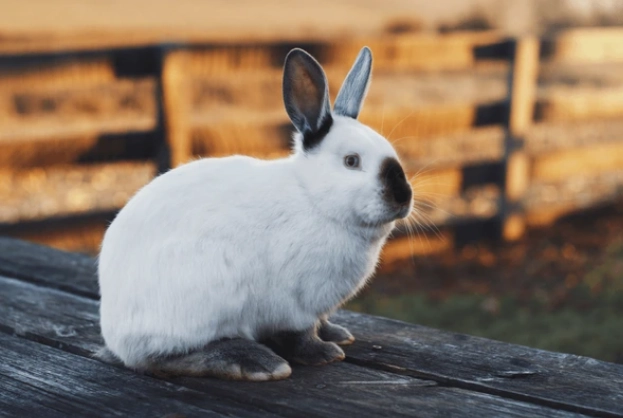
The journey with Californian rabbit meat, from understanding its origins to mastering its cooking, is part of the reward. It connects you more deeply to what you eat. And in a world of generic protein, that connection feels more valuable than ever.
Just remember to source it thoughtfully, cook it with care for its leanness, and enjoy the process. You might just find a new favorite.
Comment