If you're looking at rabbits, whether for a potential pet or just out of curiosity, you've probably heard the terms "European rabbit" and "cottontail." Most people toss them around interchangeably. That's a mistake. As someone who's kept domestic rabbits for over a decade and volunteered with wildlife rehab, I can tell you the gap between them is wider than you think. It's not just about where they live; it's about millions of years of separate evolution, deeply ingrained instincts, and what that means for you. Choosing the wrong one as a pet, or misunderstanding their behavior in the wild, leads to frustration and, often, harm to the animal.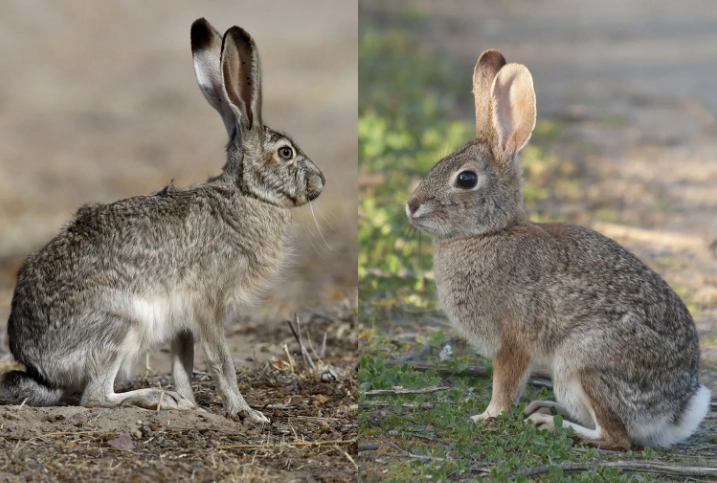
What You'll Discover in This Guide
It Starts With Family: A Totally Different Origin Story
This is the most critical, most overlooked point. Their scientific names tell the tale.
The European rabbit is Oryctolagus cuniculus. "Oryctolagus" is its own unique genus. This is the species that was domesticated over 1,000 years ago. Every single pet rabbit you see in a store or a home—Netherland Dwarfs, Flemish Giants, Lops—is a domesticated descendant of this one wild species from the Iberian Peninsula. Their domestication changed their genetics for tameness and social structure.
The cottontail (like the Eastern Cottontail common in North America) is Sylvilagus floridanus. Different genus entirely (Sylvilagus). They are 100% wild animals. There is no such thing as a "domesticated cottontail." They have never undergone the selective breeding process that makes an animal suitable for life with humans. This isn't a minor detail; it's the foundation of everything else—their behavior, their stress levels in captivity, and their legal status.
How to Spot the Visual Differences at a Glance
Once you know what to look for, telling them apart gets easier. Size and proportions give it away.
A typical wild European rabbit has a more compact, rounded body with proportionally smaller ears and legs. Their fur color is usually a grizzled agouti (mix of brown, gray, and black), perfect for camouflage in scrubland.
The Eastern Cottontail looks leggier and more slender, built for sudden, explosive sprints through underbrush. Their ears are noticeably larger relative to their head. The namesake white tail is a flashing alarm signal, not just a cute feature. When they run, that white puff bobs—it's thought to confuse predators.
Domestic European rabbits (your potential pets) throw this out the window. Through breeding, they come in every size, from 2-pound dwarfs to 20-pound giants, and every color and ear shape imaginable. A fluffy white Angora looks nothing like its wild ancestor, but it shares the same Oryctolagus cuniculus DNA.
Quick Reference: European Rabbit vs. Cottontail at a Glance
| Feature | European Rabbit (Wild Type) | Eastern Cottontail | Domestic European Rabbit (Pet) |
|---|---|---|---|
| Scientific Name | Oryctolagus cuniculus | Sylvilagus floridanus | Oryctolagus cuniculus (domestic form) |
| Build | Compact, rounded | Lanky, leggy | Varies widely (dwarf to giant) |
| Ears | Shorter relative to head | Longer, more prominent | Varies (lop, upright, etc.) |
| Social Structure | Colonial, lives in warrens | Solitary, no permanent burrows | Social (needs companion) |
| Pet Suitable? | No (but is the progenitor of pets) | Absolutely Not | Yes (with proper care) |
| Key Habit | Digs complex burrow systems | Uses existing cover (brush piles) | Can be litter-trained |
The Wild vs. Domesticated Mind: Behavior Compared
Here's where the rubber meets the road. Their instincts are wired differently.
European rabbits (wild) are engineers. They live in large, social groups in extensive underground warrens they dig themselves. This burrowing instinct is incredibly strong. They feel safe underground.
Cottontails are solitary survivors. They don't dig burrows to live in. A cottontail might use an abandoned groundhog hole to escape weather, but it spends its life above ground in "forms"—shallow depressions hidden in grass or under brush. They are hyper-territorial and avoid other cottontails except to mate. Their strategy is freeze, then flee at the last second.
Now, the domestic European rabbit retains some warren-dwelling instincts (they love to dig and need hiding places) but their social wiring has been amplified. They crave companionship, either from another rabbit or a deeply engaged human. A lone domestic rabbit is often a stressed, bored rabbit. This need for social bonding is a domesticated trait that you simply cannot expect from a cottontail.
I've seen people try to befriend a cottontail visiting their garden. They might get it to take food, but the animal is always in a state of high alert. It's not bonding; it's calculating risk versus calorie reward. Mistaking that for tameness is a classic error.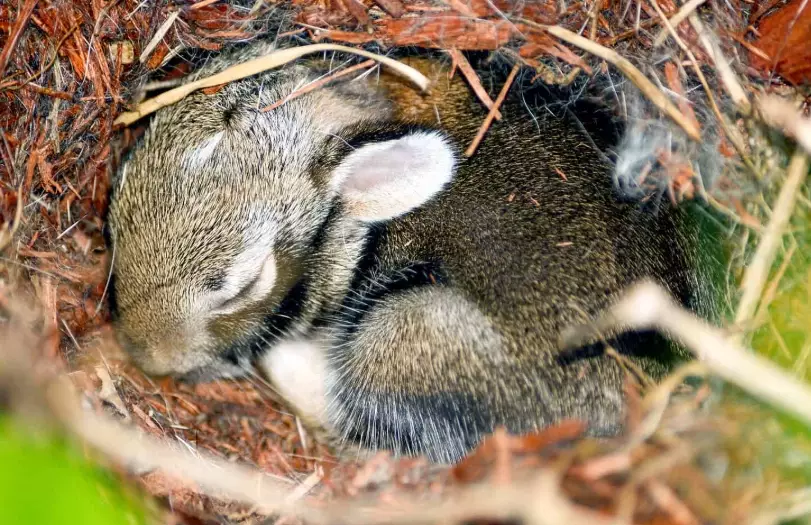
The Ultimate Pet Suitability Decision
Let's be brutally clear, because this is the question everyone searches for.
Can you keep a cottontail rabbit as a pet? Legally and ethically, the answer is almost always no.
- Stress: Cottontails are prey animals wired for extreme vigilance. The sounds, smells, and confinement of a house cause immense chronic stress, which suppresses their immune system. They often die suddenly from what seems like "nothing."
- Legal Protection: In most regions, like across the United States, cottontails are protected under wildlife laws. It's illegal to possess them without a special rehabilitation permit. Fines are hefty.
- They Don't Tame: You cannot socialize a wild cottontail like you can a domestic rabbit. Their fear responses are hardwired. They may panic when handled, leading to injury (to you or them—their powerful back legs can break their own spine if they kick out wrongly).
The pet rabbit is the domestic European rabbit. They are bred for temperament. They can learn their name, use a litter box, enjoy being petted, and form deep bonds. They still have specific needs—large enclosures, a hay-based diet, vet care from an exotic specialist—but they are built for life with us.
Contrasting Care Needs: Housing, Diet, and Health
Assuming you're now looking at a domestic rabbit (the correct choice), understanding how its needs differ from its wild cousin's instinct helps you provide better care.
Housing: Warren vs. Apartment
The wild European rabbit's warren provides safety, temperature regulation, and social space. Your home must replicate that security. A small cage is a prison. They need a large, pen-style enclosure (think an exercise pen or a rabbit-proofed room) with hiding boxes and platforms. Digging boxes filled with paper or soil satisfy the burrowing urge safely.
Diet: From Forage to Balanced Meal
A wild rabbit's diet is diverse, fibrous grasses and plants. The domestic rabbit's diet is a managed version of this:
- 80% Grass Hay: Timothy, orchard, meadow hay. This is non-negotiable for dental and gut health.
- Fresh Vegetables: Leafy greens like romaine, cilantro, kale.
- Limited Pellets: A small portion of high-fiber, plain pellets.
- Very Limited Fruit: As a rare treat.
The biggest mistake new owners make is overfeeding pellets and treats, leading to obesity and gut stasis. The rabbit's digestive system is built for constant fiber intake.
Health: Preventative Care is Everything
Wild rabbits hide illness until it's too late—a survival tactic. Domestic rabbits do the same. You must be proactive:
- Find an exotic veterinarian before you get the rabbit. Regular vets often lack specific lagomorph knowledge.
- Annual check-ups are crucial.
- Spay/neuter is vital for health (reduces cancer risk in females) and behavior.
- Monitor eating, drinking, and poop output daily. A slowdown is a red alert.
Resources from the House Rabbit Society are invaluable for any new owner.
Your Questions, Answered (With Some Hard Truths)
I found a baby cottontail alone in my yard. Should I bring it inside to care for it?
Almost certainly not. Mother cottontails leave their babies alone in the form for most of the day to avoid attracting predators. She returns at dawn and dusk to feed them. If the bunny is furred, has its eyes open, and is larger than a tennis ball, it's likely already independent. The best action is to leave it alone. If it's visibly injured or in immediate danger (like from a cat), contact a licensed wildlife rehabilitator immediately. Do not attempt to feed it; cow's milk will kill it.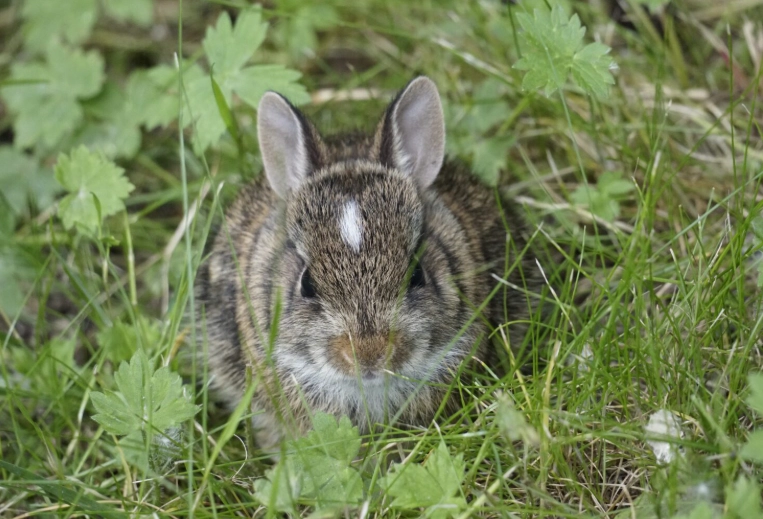
My domestic rabbit seems skittish, just like a wild one. Did I get a mixed breed?
Doubtful. Skittishness in a domestic rabbit is usually about trust, training, and environment, not genetics. Even well-bred domestic rabbits are prey animals. They need time to build confidence. The issue is often how they were socialized early on or a lack of positive interaction. Moving slowly, sitting on the floor with them, and using treats to build positive associations works far better than chasing or forcing interaction. A "scaredy-bun" can become a confident companion with patience.
Can European rabbits and cottontails interbreed?
No. They are different genera (Oryctolagus vs. Sylvilagus), which is a more significant genetic separation than species. It's like trying to breed a horse with a zebra—it's biologically impossible. Any rabbit you see is firmly one or the other. This fact alone should cement how fundamentally different they are.
Why is the European rabbit considered an invasive pest in some places like Australia, but cottontails aren't?
This highlights a key behavioral difference. European rabbits are prolific, colonial burrowers that can radically alter landscapes and outcompete native species for food. Their warren-building allows populations to explode in suitable environments. Cottontails, being solitary and not creating permanent underground structures, generally don't reach the same ecosystem-altering densities. The IUCN lists the European rabbit as a major invasive species driver in several regions, a testament to its unique ecological impact when removed from its native predators and constraints.
What's the single biggest mistake people make when choosing a first pet rabbit?
Treating it like a low-maintenance starter pet that lives happily in a small cage. They are complex, social, long-lived (8-12 years) animals that require space, companionship (preferably from another rabbit), specialized vet care, and a budget. The impulse buy of a "Easter bunny" without research leads to thousands of rabbits being surrendered to shelters each year. Do the homework first. Visit a rescue, not just a pet store. Understand that you're committing to a decade of care for an animal with the intelligence and social needs of a small dog.
Comment