That fluffy creature in your backyard or hopping around a pet store? Its official passport in the scientific world reads Oryctolagus cuniculus. But slapping a Latin label on it feels inadequate. This name unlocks a story far richer than most pet blogs tell you—a tale of ice age survival, accidental global conquest, and a biology that makes them fascinating, if sometimes frustrating, companions. Most people know the European rabbit as a pet or a pest, but few understand why it's one of the most successful mammals on the planet. Let's fix that.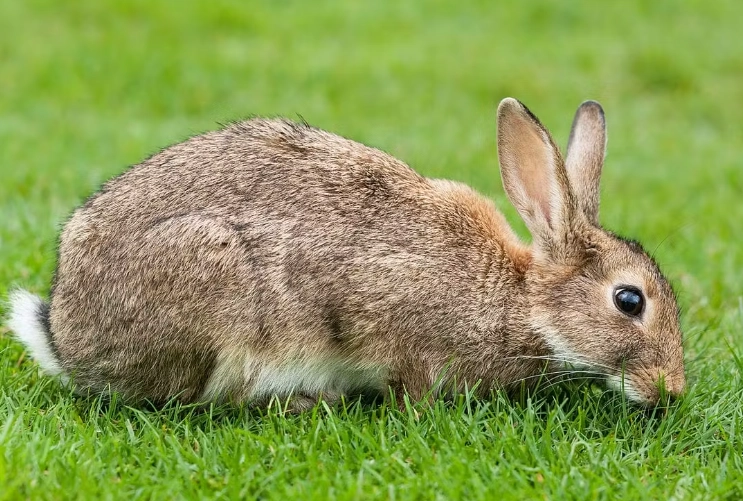
What You'll Discover
What Does Oryctolagus cuniculus Actually Mean?
Forget dry textbook definitions. The name Oryctolagus cuniculus is a direct description of the animal's most defining traits, coined by scientists in the 19th century.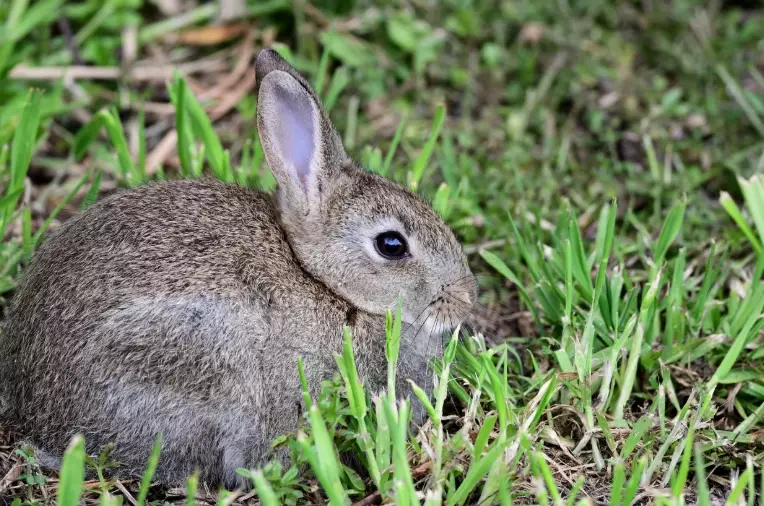
Oryctolagus comes from Greek: orykt (digging) and lagos (hare). Right away, it tells us this is a digging hare-like animal. This is crucial. It places them in the order Lagomorpha, not Rodentia. That's the first big mistake people make—calling them rodents. They're not. They have two pairs of upper incisors (the little peg teeth behind the big front ones), a difference a biologist spots instantly but most pet owners never see.
Cuniculus is Latin for "underground passage" or "burrow." This hits the nail on the head. The European rabbit is an obligate burrower. Its entire social structure, breeding strategy, and survival instinct revolve around complex underground warrens. A pet rabbit without the opportunity to dig and tunnel is a rabbit living against its core programming. I've seen so many "behavioral issues" in pet rabbits that vanish once they're given a deep box of soil or shredded paper to satisfy this itch.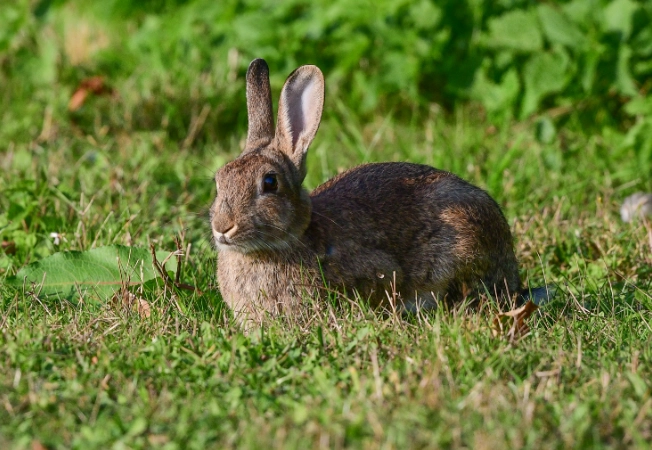
Key Takeaway
The scientific name isn't just a label. It's a behavioral manual in two words: Digging (Orycto-) Burrower (cuniculus). Ignoring this leads to most common pet rabbit problems.
From Ice Age to Your Living Room: A Rabbit's Journey
Here's where it gets interesting. The European rabbit's story isn't a straight line from wild animal to cuddly pet. It's a saga of climate change, human folly, and biological brute force.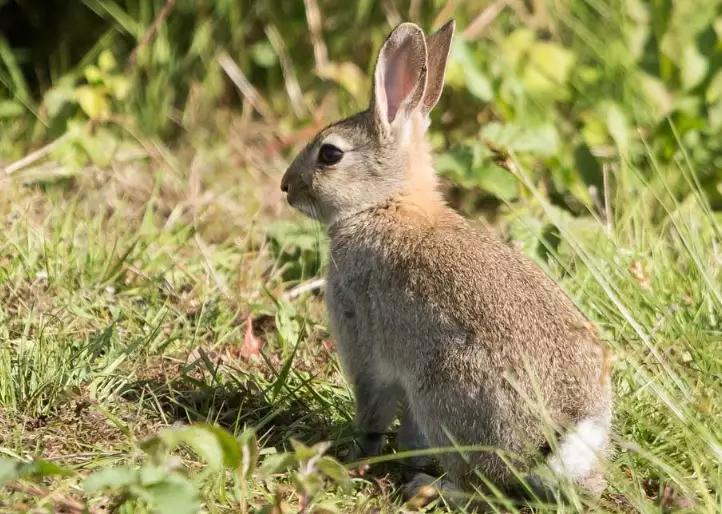
Their original range was limited to the Iberian Peninsula (Spain and Portugal) and maybe southern France during the last ice age. They were survivors in a tough landscape. Then humans got involved.
The Roman Connection: The Romans, ever practical, farmed them in leporaria (enclosed parks) for meat and fur. They spread them around the Mediterranean. But the real explosion came much later.
The Medieval Boom (and Bust): Monks in medieval France are often credited with domesticating rabbits more fully, keeping them in controlled warrens. But here's a non-consensus point: I believe their "domestication" was always partial. Unlike dogs or cattle, bred for specific traits over millennia, rabbits were often just managed wild stock. This explains the lightning speed at which "domestic" rabbits revert to wild-type behavior and coloring when feral. The wild instincts in Oryctolagus cuniculus are barely skin-deep.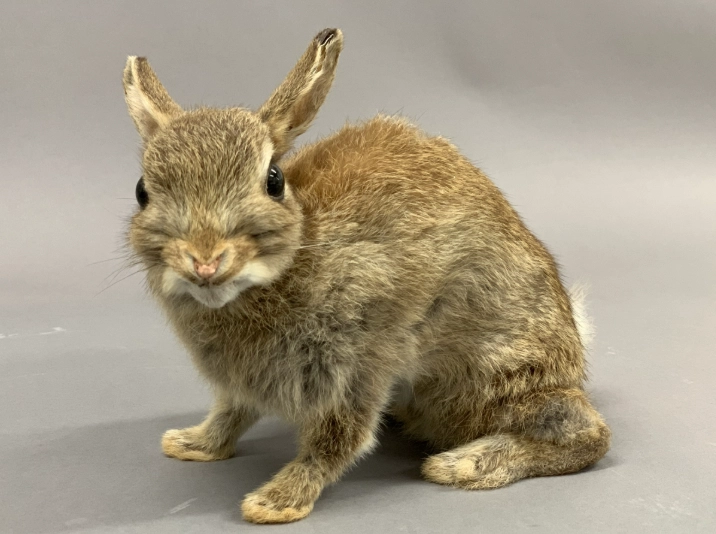
The Australian Catastrophe: In 1859, a man named Thomas Austin released 24 rabbits in Victoria, Australia, for sport hunting. It's the textbook example of a terrible ecological idea. With no natural predators and a perfect environment, they exploded. The story of the Rabbit-Proof Fence (a real, massive fence built to contain them) and the deliberate release of the myxoma virus are dark chapters in conservation history. The IUCN lists the European rabbit as one of the world's worst invasive alien species because of impacts like this.
This history matters because it explains the rabbit you might own today. It's an animal with a deep, ingrained need to reproduce quickly, dig for safety, and chew on anything fibrous—traits that ensured survival from Iberian foxes to Australian deserts.
Caring for Your Own Oryctolagus cuniculus: A Realistic Guide
So you want to bring this piece of living history into your home? Great. But caring for a European rabbit means respecting its wild blueprint. Most cages sold at pet stores are cruel and useless. Let's talk specifics.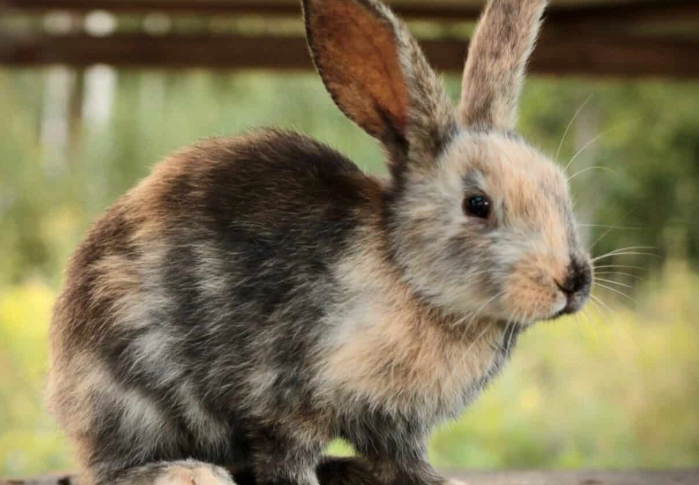
Housing: Think Apartment, Not Prison Cell
A rabbit needs space to run, jump (that's a "binky"), and stand fully upright on its hind legs. The minimum recommended by organizations like the House Rabbit Society is about 12 square feet of enclosed space, plus time for supervised exploration. I use and recommend puppy exercise pens (x-pens) configured in a large rectangle. Line it with machine-washable blankets or vet bedding over a waterproof layer. Forget wire-bottom cages—they cause painful foot sores (pododermatitis).
The Digging Box: Remember cuniculus? Get a large, shallow plastic tub. Fill it with child-safe play sand, organic soil, or shredded paper. Watch your rabbit's behavior transform as it tunnels. It's non-negotiable for mental health.
Diet: It's Not Just Carrots
The biggest nutritional mistake? Overfeeding pellets and treats, and underfeeding hay. Their digestive system is a continuous fermentation tank that needs constant roughage.
| Food Type | Percentage of Diet | Key Purpose & Notes |
|---|---|---|
| Unlimited Grass Hay (Timothy, Orchard, Meadow) | 80-90% | Wears down constantly growing teeth, maintains gut motility. Should always be available. |
| Fresh Leafy Greens | 10-15% (approx. 1 packed cup per 2 lbs body weight) | Provides nutrients and hydration. Romaine, kale, cilantro, bok choy. Introduce new greens slowly. |
| High-Quality Pellets | 5% or less (measured tablespoon) | Concentrated nutrients. Choose plain, hay-based pellets, no colorful bits or seeds. |
| Treats (Fruit, Carrots) | High in sugar. A blueberry or apple slice twice a week is plenty. |
Health & The GI Stasis Emergency
Rabbits hide illness until they're very sick. The silent killer is GI Stasis—when their gut slows or stops. Signs: small or no poops, hunched posture, refusing food. This is a same-day vet emergency. Don't wait until morning. Have a rabbit-savvy exotics vet located before you get a rabbit. Regular check-ups are key, as their teeth never stop growing and can develop painful spurs.
The Double-Edged Sword: Rabbit as an Invasive Species
Understanding Oryctolagus cuniculus means acknowledging its dark side. Outside its native range, it's an ecological bulldozer. In places like Australia, the UK (where it was introduced by Normans), and many islands, rabbits:
- Outcompete native herbivores for food.
- Prevent forest regeneration by eating seedlings.
- Cause massive soil erosion through burrowing and overgrazing.
- Serve as a plentiful food source for introduced predators like foxes and cats, which then also prey on native wildlife.
Control methods are controversial and range from fencing and warren destruction to biological controls like viruses (myxoma, RHDV). It's a sobering reminder of the responsibility that comes with moving species around the globe.
Comment