You look at your rabbit, peacefully munching on hay, and a thought pops into your head: "If Fluffy were a person, how old would they be?" It's a fun question, but the answer is more than just a party trick. Understanding how rabbit years translate to human years gives you crucial insight into their life stage, health needs, and how to care for them appropriately. Forget the oversimplified "multiply by seven" rule you use for dogs—rabbit aging is a different story entirely. Their life journey is compressed and intense, especially in the first year. Getting this conversion right helps you spot age-related changes early and becomes a powerful tool for proactive pet care.
Your Quick Guide to Bunny Years
Why the "Multiply by 7" Rule Fails for Rabbits
Comparing animal ages to human years isn't about simple math. It's about biological milestones. A one-year-old rabbit is sexually mature, independent, and in its prime—equivalent to a human teenager entering adulthood. A one-year-old dog, depending on breed, is also reaching maturity. But a one-year-old human is still a baby. See the problem? Different species age at wildly different rates, especially in their early development.
Rabbits experience an incredibly rapid growth and maturation phase. In just 6 months, they go from helpless newborns to fully grown adults capable of reproduction. This means their first half-year of life encompasses developmental stages that take humans over a decade. Applying a linear multiplier completely misses this biological reality. It would falsely suggest a 6-month-old rabbit is like a 3.5-year-old human child, when in reality, they're more akin to a young adult.
The most common mistake I see is owners treating their adolescent rabbit (6-12 months) like a perpetual baby. They might not spay/neuter, thinking the rabbit is too young, or they might not transition to an adult's diet and care routine. This misunderstanding of their life stage can lead to behavioral issues and missed health opportunities.
A More Accurate Rabbit-to-Human Age Conversion
So, how do we map it? The best method looks at key life stages: infancy, adolescence, adulthood, and seniority. It's not a perfect science, but this framework is widely used by veterinarians and rabbit welfare organizations like the House Rabbit Society.
The table below gives you a practical guide. Remember, smaller rabbit breeds (like Netherland Dwarfs) often live longer than giant breeds (like Flemish Giants), so a 5-year-old dwarf might be a sprightly middle-ager, while a 5-year-old giant is a definite senior citizen.
| Rabbit Age | Life Stage | Approximate Human Age Equivalent | What to Expect & Key Care Needs |
|---|---|---|---|
| 0 - 3 months | Infant/Juvenile | 0 - 10 years | Rapid growth, weaning, learning social skills. Diet transitions from milk to alfalfa hay/pellets, then to timothy hay. |
| 3 - 6 months | Adolescent | 10 - 16 years | Sexual maturity hits. Hormonal behaviors (spraying, mounting, aggression) may appear. This is the ideal time for spaying/neutering. |
| 6 months - 1 year | Young Adult | 16 - 21 years | Full physical maturity. Transition to adult diet (unlimited timothy hay, limited pellets). Energy levels are high. |
| 1 - 5 years | Adult | 21 - 50 years | Prime of life. Stable personality and habits. Focus on preventative care, dental health, and maintaining a healthy weight. |
| 5 - 8 years | Middle-aged to Senior | 50 - 75 years | Activity may slow down. Increased risk of arthritis, dental issues, and organ function decline. Biannual vet checks become crucial. |
| 8+ years | Geriatric | 75+ years | Every day is a gift. Requires gentle handling, soft bedding, easy access to food/water, and close monitoring for comfort. |
Let me give you a real example. My first rabbit, Thumper, was a Mini Rex. When he turned two, I thought of him as a young adult in his prime—maybe like a 30-year-old human. His behavior matched: playful, curious, with a sturdy appetite. By age six, he started napping more and was less eager for high jumps. That was his middle-age shift, telling me to add joint supplements and get senior bloodwork done. Seeing him through this age-conversion lens helped me anticipate his needs, not just react to problems.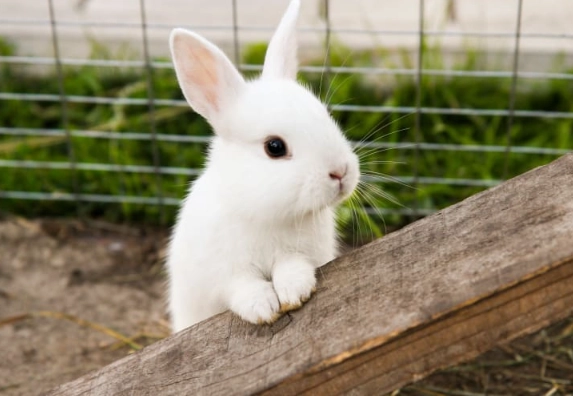
Key Takeaway: The first year of a rabbit's life covers about two decades of human development. After that, each subsequent rabbit year is roughly equivalent to 5-8 human years, slowing down as they reach senior status. Breed size is a major modifier.
What Really Determines a Rabbit's Lifespan?
Now that we can estimate age, let's talk about lifespan. Why do some rabbits live to 12 while others only make it to 5? The range is huge, from 5 to 12+ years, and it hinges on factors you can actually influence.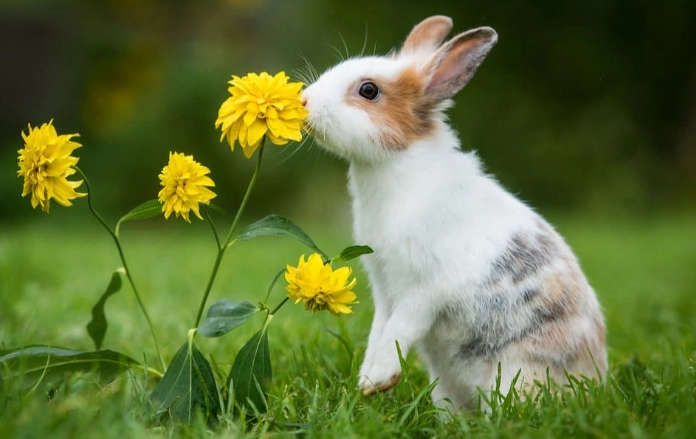
The Single Biggest Factor: Indoor vs. Outdoor Living
This isn't even a close contest. The data from veterinary studies and organizations like the British Veterinary Association is stark. An indoor rabbit has a massively higher chance of reaching its potential lifespan of 8-12 years. An outdoor rabbit, even in a sturdy hutch, faces a barrage of threats that often limit life to 3-5 years.
Think about it. Outdoors, they deal with extreme temperatures, dampness leading to respiratory issues, predators causing fatal stress (even if they can't get inside the hutch), flies and mites, and limited social interaction. Indoors, they are safe from these dangers and live as part of your family. The stress reduction alone is a longevity booster. If you want your rabbit to live long, bring them inside.
Other Critical Longevity Levers
Diet: It's not just about feeding them. It's about feeding them right. 80-90% of their diet must be high-fiber grass hay (Timothy, Orchard, Meadow). This wears down their ever-growing teeth and keeps their gut moving. Unlimited pellets or too many sugary treats are a fast track to obesity, dental disease, and GI stasis.
Veterinary Care: Rabbits are prey animals. They hide illness until it's advanced. Annual check-ups with a rabbit-savvy vet (not all small animal vets are equal here) are non-negotiable. Vaccinations against deadly diseases like RHDV2 are essential. Spaying/neutering isn't just about population control; it eliminates high-risk reproductive cancers (especially in females) and reduces hormone-driven stress.
Environment & Enrichment: A bored, stressed rabbit is an unhealthy rabbit. They need space to run, jump, and explore—not just a cage. They need mental stimulation (toys, puzzles, training sessions) and, crucially, companionship. A bonded rabbit pair provides social grooming and comfort, reducing chronic stress. A lonely rabbit is more prone to depression and illness.
Actionable Steps to Help Your Rabbit Live Longer
Knowing the factors is one thing. Acting on them is another. Here’s your checklist, regardless of your rabbit's current "human age."
1. Make the Indoor Commitment. If your rabbit lives outside, plan their move indoors. Start with a supervised playpen area. Rabbit-proof a room (hide wires, block baseboards). The improvement in their quality and length of life is the most significant change you can make.
2. Audit the Hay. Is there always a fresh, generous pile of grass hay available? Is it green and smell sweet, or dusty and stale? Hay is the cornerstone of health. Don't cheap out on it.
3. Find Your Rabbit Vet NOW. Don't wait for an emergency. Search for an exotics or rabbit-specialist vet in your area. Schedule a wellness visit to establish a relationship and get baseline health info.
4. Rethink Their Space. Is their primary living area at least 4-5 times their stretched-out length? Can they take at least 3 full hops in a row? If not, expand it using exercise pens (x-pens).
5. Consider a Friend. If your rabbit is single and seems lonely (sleeping all day, less interaction), consider bonding them with a neutered companion. Do this through a rescue organization that offers bonding support—it's a process, not just an introduction.
Implementing these steps is how you turn the abstract concept of "human years" into tangible, life-extending care.
Your Rabbit Age Questions, Answered
Understanding your rabbit's age in human terms is more than a curiosity. It's a lens that brings their entire life into focus. It helps you celebrate their playful youth, support their vigorous adulthood, and provide compassionate care for their senior years. By ditching the flawed formulas and focusing on their biological stages and the factors you control—a safe home, proper diet, expert vet care, and a rich social life—you're not just calculating years. You're adding more of them.
Reader Comments