So, you're wondering how long white rabbits live. Maybe you're thinking of getting one, or perhaps you already have a fluffy friend and want to make sure they stick around for as long as possible. The short answer? With great care, a pet rabbit can live 8 to 12 years, sometimes even longer. But that "with great care" part is the whole story. The color of their fur—white, brown, or spotted—has almost zero impact on their longevity. What truly determines a rabbit's lifespan is a combination of genetics, environment, and, most importantly, the quality of care they receive. I've seen rabbits in my own care and through rabbit rescue networks thrive well into their teens, and others sadly falter early due to preventable issues. Let's cut through the myths and get into what really matters.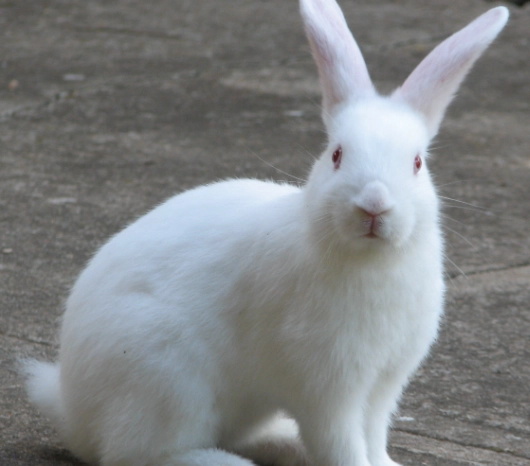
Quick Guide: What You'll Find Here
The Realistic Lifespan Range for Pet Rabbits
Forget the old tales of rabbits being short-lived. Modern pet rabbits, including white ones, are living longer than ever. The average lifespan often quoted is 8 to 12 years. This is a good benchmark, but it's just an average. Many well-cared-for indoor rabbits now regularly reach 10 to 12 years. I've personally cared for a neutered Dutch mix who lived a vibrant life to 13.
The House Rabbit Society, a leading rabbit welfare organization, confirms that a well-cared-for house rabbit can live into their teens. The key phrase is "well-cared-for." This average jumps dramatically when you look at the difference between indoor and outdoor housing. An outdoor rabbit, exposed to weather extremes, predators, and loneliness, often has an average lifespan of just 2 to 4 years. That's a stark, heartbreaking difference that highlights where our responsibility lies.
Bottom Line: Aiming for 8-12 years is realistic, but hitting the upper end of that range (or beyond) requires intentional, informed care. The single biggest upgrade you can make is bringing your rabbit indoors.
What Actually Affects a Rabbit's Lifespan (It's Not Color)
Let's be clear: a white rabbit doesn't inherently live longer or shorter than an agouti or black rabbit. The gene for white fur (which can be associated with blue or red eyes) doesn't carry a lifespan clause. The factors that matter are far more practical. Here’s a breakdown of what really moves the needle.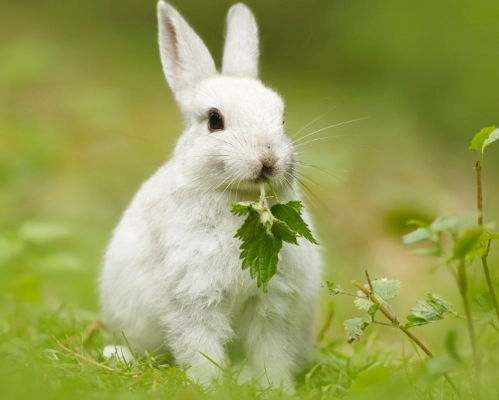
| Factor | Positive Impact (Adds Years) | Negative Impact (Shortens Life) |
|---|---|---|
| Housing | Indoor living, spacious enclosure, safe free-roam time. | Outdoor hutch living, cramped cage, constant confinement. |
| Medical Care | Spaying/neutering, annual vet check-ups, prompt illness response. | No vet care, ignoring signs of illness, unspayed females (high cancer risk). |
| Genetics & Breed | Mixed-breed rabbits often have hybrid vigor. Smaller breeds (like Netherland Dwarfs) can live longer. | |
| Diet | Unlimited hay, measured pellets, daily fresh greens. | Diet high in sugary treats, fruits, or muesli-style mixes; low in hay. |
| Companionship | Bonded pair or group (rabbits are social). | Solitary life without human or rabbit interaction. |
One subtle mistake I see often is owners focusing on the wrong thing. They worry about the rabbit's color or breed but then house them in a small cage with a poor diet. The housing and diet are orders of magnitude more important than genetics for the average pet owner. Spaying a female rabbit is non-negotiable if you want her to live a long life—the risk of uterine cancer in unspayed females over age 4 is staggeringly high, estimated at over 60% according to veterinary studies.
The Lifelong Diet: It's 90% Hay
If I had to pick one thing to get right, it's diet. A proper rabbit diet is deceptively simple but often botched. The foundation is unlimited, high-quality grass hay (Timothy, Orchard, Meadow). This isn't just food; it's what keeps their constantly growing teeth worn down and their complex digestive system moving. Gastrointestinal stasis is a silent killer and is often diet-related.
Pellets should be a small supplement, not the main event. For an average adult rabbit, about 1/4 cup of plain Timothy hay-based pellets per day is plenty. The fresh greens are crucial for nutrients—think dark leafy stuff like romaine, kale, and herbs. The mistake? Overfeeding fruit or starchy vegetables (like carrots—they're a treat, not a staple). That leads to obesity and dental issues.
Critical Health Checks for a Longer Rabbit Life
Rabbits are prey animals. They hide illness brilliantly until they can't anymore. Proactive, not reactive, care is your tool for longevity.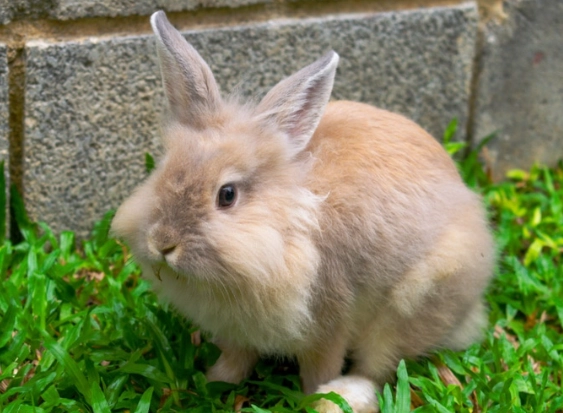
First, you need a rabbit-savvy vet. Not all vets are experienced with rabbits. Find one before you have an emergency. Annual check-ups are a must. At home, you become the detective. Weigh your rabbit weekly with a kitchen scale. Sudden weight loss is often the first sign of trouble. Monitor their eating, drinking, and poop output daily. Perfect poop is round, firm, and plentiful. Small, misshapen, or no poop is a red flag.
Dental health is huge. Those ever-growing teeth need to align perfectly. Signs of trouble include drooling, dropping food, or losing weight. This is where the unlimited hay pays off every single day. Check their bottom regularly for urine scalding or stuck cecotropes, which can attract flies and lead to flystrike—a horrific and fast-moving condition.
Creating a Longevity-Friendly Home Environment
Think of your home as their life-extending habitat. Safety is paramount. Rabbit-proof any area they access: hide electrical cords, block off spaces behind furniture, and remove toxic plants (lilies, philodendron, etc.).
Provide mental stimulation. Boredom leads to stress and inactivity. Cardboard castles, tunnels, untreated willow balls, and puzzle feeders keep their minds active. Most importantly, let them run, jump, and binky. Several hours of free-roam exercise in a safe space every day is not a luxury; it's a requirement for physical and mental health. A sedentary rabbit is an unhealthy rabbit.
Their main enclosure should be large enough for them to take at least three full hops and stand up on their hind legs without hitting their ears. The traditional pet store cage is almost always too small. Use an exercise pen (x-pen) or a large, customized enclosure.
Reader Comments