If you're keeping rabbits outdoors, you might be worried about their lifespan. Let's cut to the chase: outdoor pet rabbits typically live 5 to 8 years, but I've seen them hit 10 years with exceptional care. Indoors, they often reach 8-12 years. The gap exists because outside, rabbits face more risks—predators, weather extremes, and isolation. But don't panic; with the right setup, you can maximize their years. I've raised rabbits for over a decade, and the biggest mistake I see is people treating outdoor hutches as "set and forget" systems. It's not that simple.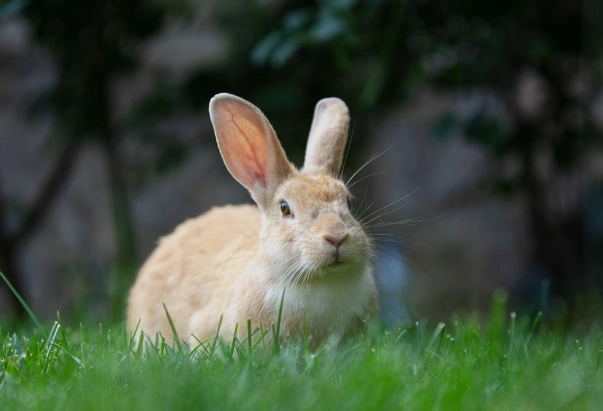
What You'll Find in This Guide
Average Lifespan of Outdoor Pet Rabbits
Outdoor rabbits don't have a fixed expiration date. Their lifespan varies wildly based on care. From my experience, the average falls between 5 and 8 years. Compare that to indoor rabbits: they often live 8-12 years, as noted by the House Rabbit Society, a leading rabbit welfare organization. Why the difference? Outside, rabbits are exposed to stressors that indoor ones avoid.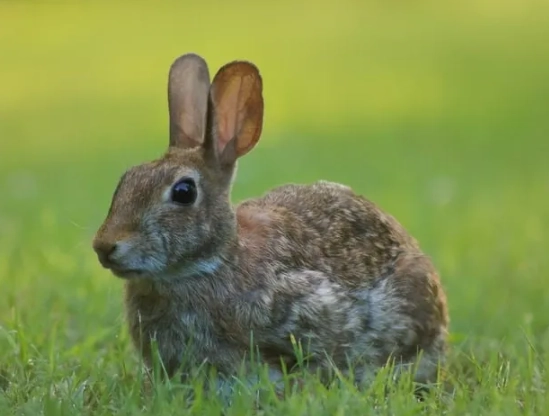
Let's break it down with a quick table. This isn't just numbers—it's about understanding the why.
| Environment | Average Lifespan | Primary Risks |
|---|---|---|
| Outdoor (with basic care) | 5-8 years | Predators, temperature swings, disease |
| Outdoor (optimal care) | 8-10+ years | Reduced but still present |
| Indoor (standard care) | 8-12 years | Fewer environmental threats |
I once had a rabbit named Thumper who lived outside for 9 years. He made it because his hutch was fortress-like, and I checked on him twice daily. But I've also seen neighbors' rabbits perish in 3 years due to neglect. It's not just luck; it's diligence.
Factors That Shorten Outdoor Rabbit Lifespan
Predators top the list. Even in urban areas, raccoons, foxes, and birds of prey can strike. Then there's weather. Rabbits are sensitive to heat—temperatures above 80°F (27°C) can cause heatstroke. Cold isn't as bad if they're acclimated, but dampness leads to respiratory issues. A study from the University of California, Davis, highlights that respiratory infections are more common in outdoor rabbits due to humidity and drafts.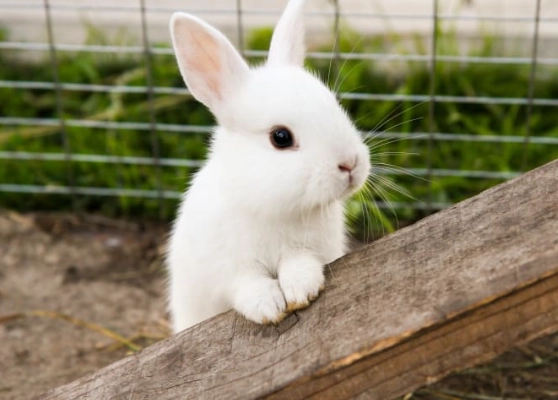
Isolation is another silent killer. Rabbits are social; leaving one alone outside can cause depression, weakening their immune system. I always recommend pairs, but that requires more space.
Key Factors Affecting Your Outdoor Rabbit's Longevity
If you want your outdoor rabbit to thrive, focus on these three pillars: shelter, diet, and health checks. Miss one, and you're risking years off their life.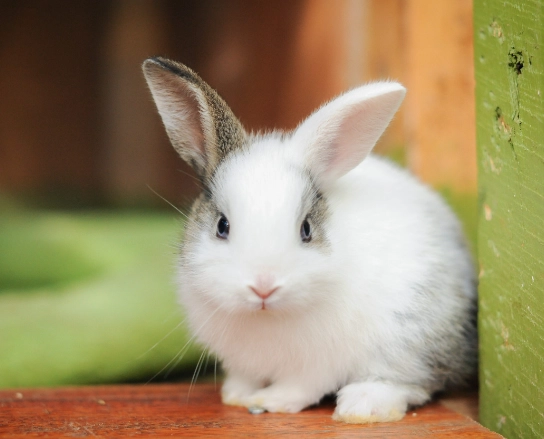
Shelter and Housing Essentials
The hutch matters more than you think. A common error is using those small, store-bought hutches. They're often flimsy and cramped. Your rabbit needs at least 12 square feet of space for one rabbit, plus an attached run for exercise. The House Rabbit Society recommends even more for outdoor setups.
Here's what I've learned: build or buy a hutch with these features:
- Solid wood construction—avoid thin wire that predators can bend.
- Waterproof roof with overhangs to keep rain out.
- Insulation for temperature control. In winter, add straw bedding; in summer, use fans or frozen water bottles.
- Elevated design to prevent dampness and deter pests.
Location is key. Place the hutch in a shaded, sheltered spot, away from direct wind. I made the mistake once of putting a hutch under a tree—it seemed shady, but falling debris scared the rabbits. Now, I use a canopy.
Diet and Nutrition for Outdoor Rabbits
Outdoor rabbits burn more calories regulating body temperature, so their diet needs tweaking. Base it on high-quality hay—timothy or orchard grass. Pellets should be limited to 1/4 cup per 5 lbs of body weight daily. Fresh veggies are crucial, but introduce slowly to avoid digestive upset.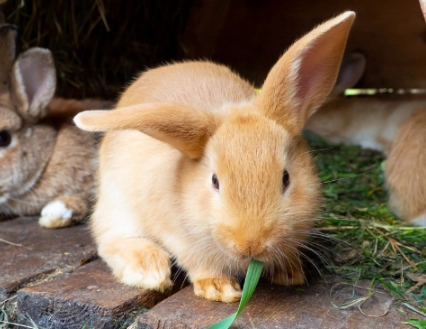
A trick I use: in winter, add a bit more pellets for energy. In summer, focus on hydrating veggies like cucumber. Avoid sugary treats; they're linked to dental issues and obesity, which shorten lifespan. The Merck Veterinary Manual notes that dental disease is a top reason for euthanasia in rabbits, often exacerbated by poor diet.
Health Monitoring and Veterinary Care
Outdoor rabbits hide illness well—a survival instinct. You must be proactive. Check them daily for signs like lethargy, runny nose, or changes in droppings. I spend 10 minutes each morning just observing. It's saved lives.
Find a vet experienced with rabbits. Annual check-ups are non-negotiable. Vaccinations depend on your region; in the UK, for example, vaccinations against myxomatosis and VHD are essential for outdoor rabbits. In the US, consult your vet about RHDV2. I learned this the hard way when a local outbreak took a friend's rabbit.
Common Mistakes That Cut Your Rabbit's Life Short
People get complacent. They think because rabbits are "hardy," they can endure anything. Not true. Here are pitfalls I've seen repeatedly: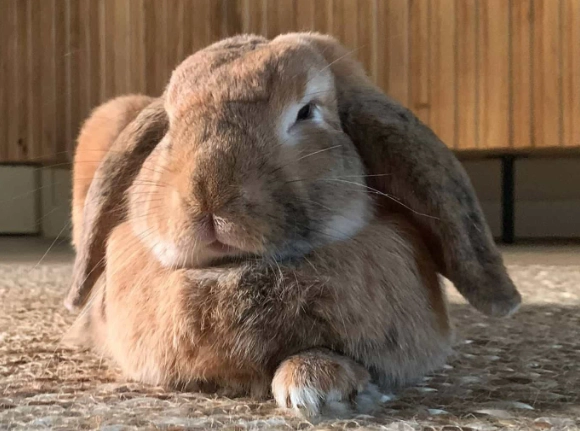
Using a hutch that's too small. It leads to stress, obesity, and muscle atrophy. If your rabbit can't take three hops, it's too cramped.
Ignoring predator proofing. A lock isn't enough; predators can dig. Bury wire mesh around the hutch perimeter. I've seen raccoons open simple latches.
Neglecting social needs. A lone rabbit outside is miserable. Consider bonding with a spayed/neutered partner. It reduces stress and encourages activity.
Assuming weather tolerance. Rabbits can handle cold if dry, but heat is deadly. Above 85°F (29°C), they risk heatstroke. Provide shade, ventilation, and cooling options.
My neighbor once left a hutch in full sun during a heatwave. The rabbit didn't survive. It's a harsh lesson, but preventable.
How to Maximize Your Outdoor Rabbit's Lifespan: A Step-by-Step Guide
Let's get practical. Here's a actionable plan based on my years of trial and error.
Step 1: Assess your climate. If you live in Arizona with scorching summers, an outdoor rabbit needs extra cooling—maybe even a move indoors during peak heat. In Minnesota, focus on winter insulation. I use a thermometer inside the hutch to monitor.
Step 2: Upgrade housing. Invest in or build a hutch that's at least 6 ft x 2 ft x 2 ft for one rabbit. Add a run attached for daily exercise. Secure it with hardware cloth (not chicken wire) and a roof to block predators.
Step 3: Optimize diet. Feed unlimited hay, measured pellets, and a cup of fresh veggies per 2 lbs of body weight daily. Adjust seasonally—more calories in cold months.
Step 4: Establish a routine. Check on your rabbit twice a day. Morning: refill water, offer food, observe behavior. Evening: clean soiled areas, provide enrichment like tunnels or chew toys.
Step 5: Vet partnership. Schedule annual exams and discuss vaccinations. Keep a first-aid kit with styptic powder, saline solution, and a carrier for emergencies.
Step 6: Enrich their life. Rotate toys, hide treats in hay, and spend time interacting. A bored rabbit is a stressed rabbit, and stress shortens lifespan.
I implemented this with my current rabbit, Daisy. She's 7 and acts like a youngster. It's work, but worth it.
Reader Comments