No, wild bunnies shouldn't eat carrots. It's a common myth fueled by cartoons and pet stores, but carrots are like junk food for wild rabbits—high in sugar and low in the fiber they desperately need. I've spent years observing rabbit behavior in rural areas, and I've seen firsthand how well-meaning people harm wild populations by offering carrots. Let's cut to the chase: wild rabbits thrive on a diet of grasses, weeds, and bark, not root vegetables. If you're curious about the details, stick around. This guide will explain why carrots are a bad idea, what wild rabbits really eat, and how you can help them without causing harm.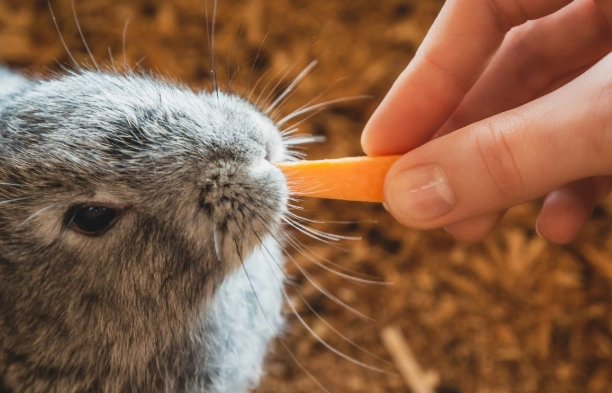
Quick Navigation
The Natural Diet of Wild Rabbits
Wild rabbits, like cottontails or European rabbits, have evolved to eat specific foods. Their digestive systems are finely tuned for high-fiber, low-sugar plants. Think about it—they're built for grazing, not for munching on sweet roots.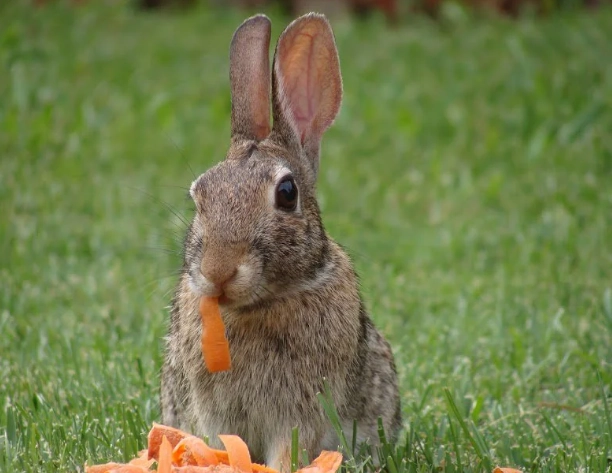
What Do Wild Rabbits Eat in the Wild?
In their natural habitat, wild rabbits consume a variety of grasses, clover, dandelions, and other leafy weeds. During winter, they'll nibble on tree bark, twigs, and any remaining green shoots. Their diet is about 80% fiber, which keeps their gut moving and prevents fatal conditions like GI stasis. I recall hiking in the Rockies last spring and spotting a group of cottontails feeding on meadow grass; they ignored a patch of carrots nearby, which says a lot.
Nutritional Needs of Wild Bunnies
Wild rabbits need constant access to roughage. Their teeth grow continuously, so chewing fibrous plants wears them down. Protein and vitamins come from diverse plants, not from concentrated sources like carrots. A lack of fiber can lead to obesity, dental problems, and digestive issues. According to the House Rabbit Society, a reputable resource for rabbit care, domestic rabbits—which share similar needs—require a diet high in hay, not vegetables.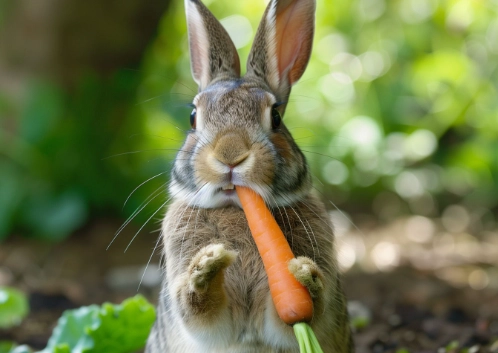
Carrots and Wild Rabbits: A Detailed Analysis
Carrots seem harmless, but for wild rabbits, they're a nutritional mismatch. Let's break it down.
Nutritional Content of Carrots
Carrots are rich in beta-carotene and vitamin A, but they're also packed with sugars. A medium carrot has about 3 grams of sugar and only 2 grams of fiber. Compare that to timothy hay, which is over 30% fiber and almost no sugar. Wild rabbits aren't adapted to process such sugary foods; it can disrupt their gut bacteria and lead to diarrhea or bloating.
Here's a quick comparison: wild rabbits need foods with less than 5% sugar content, but carrots can have up to 6% sugar. That extra bit might not sound like much, but for a small animal with a sensitive digestive system, it's like feeding a child candy for dinner.
Risks of Feeding Carrots to Wild Rabbits
Feeding carrots to wild rabbits introduces several risks. First, it can cause digestive upset—I've seen cases where rabbits fed carrots developed soft stools, making them vulnerable to predators. Second, it alters their natural foraging behavior; they might become dependent on human food, losing their ability to find proper nutrition. Third, carrots can attract pests or spread diseases if left uneaten. A study from the University of California's Agriculture and Natural Resources department notes that feeding wildlife often leads to ecological imbalances.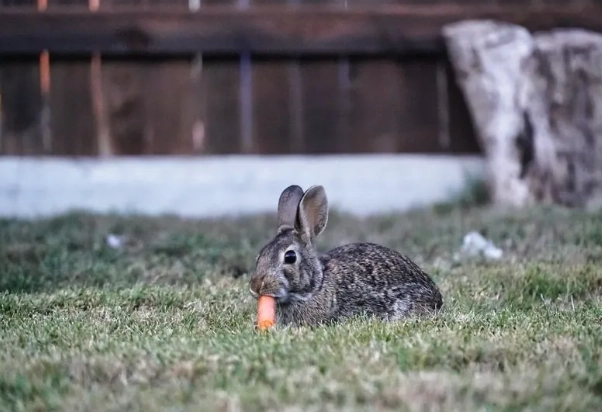
Imagine a scenario: you leave carrot scraps in your backyard for wild rabbits. They eat it, feel full, but miss out on essential nutrients. Over time, their health declines, and they might even stop reproducing effectively. It's a slow, unintended harm.
How to Safely Interact with Wild Rabbits
If you want to help wild rabbits, focus on supporting their natural diet, not offering treats. Here's what you can do.
What to Do If You Want to Help Wild Rabbits
Instead of feeding them, create a rabbit-friendly environment. Plant native grasses and clover in your garden. Provide fresh water in a shallow dish, especially during dry spells. Avoid using pesticides, as these can poison their food sources. I once helped a neighbor convert a lawn into a wildflower meadow; within months, rabbit sightings increased, and they looked healthier.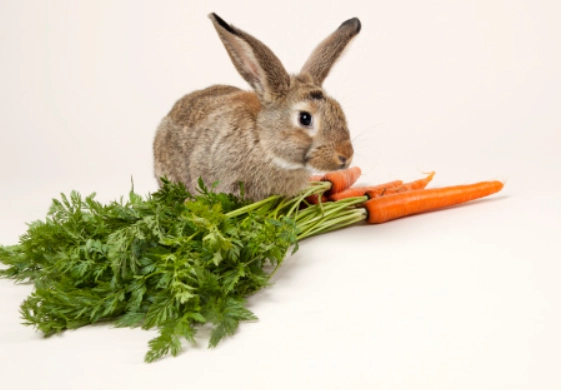
Alternatives to Carrots for Wild Rabbit Feeding
In emergencies, such as injured rabbits needing temporary care, offer hay or leafy greens like kale or romaine lettuce—but only under guidance from a wildlife rehabilitator. Never feed processed foods or fruits. Here's a simple table of safe vs. unsafe foods for reference:
| Safe Foods (in moderation) | Unsafe Foods (avoid completely) |
|---|---|
| Timothy hay or grass hay | Carrots and other root vegetables |
| Dandelion greens | Bread or grains |
| Clover | Processed snacks or sweets |
| Fresh water | Dairy products |
Remember, even safe foods should be minimal; wild rabbits are best left to forage on their own.
Common Myths and Misconceptions
Many people believe wild rabbits love carrots because of pop culture. Bugs Bunny didn't help here. But in reality, carrots are a novelty, not a staple. Another myth is that feeding wild rabbits helps them survive—it often does the opposite by making them lazy and susceptible to disease. I've heard folks say, "But they eat it, so it must be okay." That's like saying kids will eat candy if offered; it doesn't mean it's good for them.
Wild rabbits have survived for millennia without human intervention. Our role should be to preserve their habitats, not alter their diets.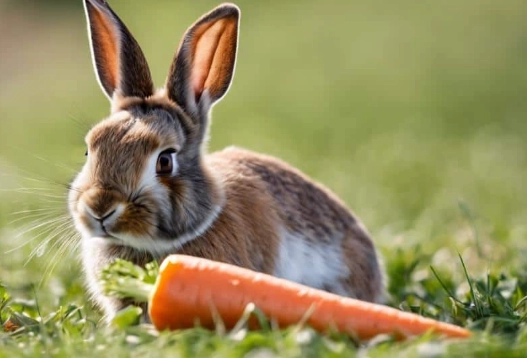
FAQ – Your Questions Answered
To wrap up, wild bunnies and carrots don't mix. Their health depends on a natural, fiber-rich diet. By understanding this, you can appreciate these creatures without putting them at risk. Share this knowledge with others—it might save a rabbit's life.
Reader Comments