Your Quick Guide to Understanding Yard Rabbits
If you've spotted a rabbit hanging around your yard, you're probably wondering what it means. Let's cut to the chase: a rabbit staying in your yard usually means your space offers something attractive—food, shelter, or safety. But it can also carry symbolic weight, from good luck to ecological messages. I've spent years observing backyard wildlife, and I'll share insights that go beyond the obvious, like why a rabbit might be a sign your garden has an underlying pest issue.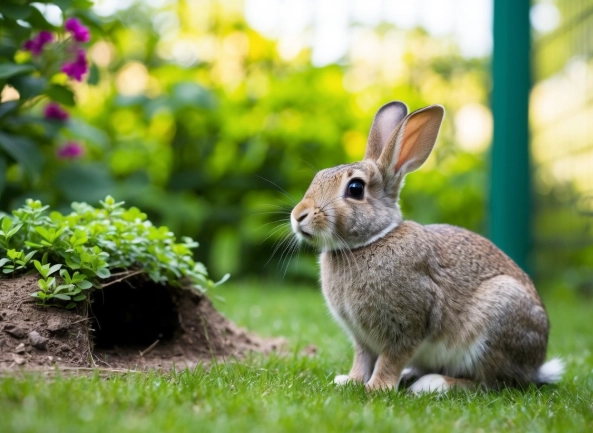
Why Rabbits Choose Your Yard: The Behavioral Reasons
Rabbits aren't just randomly picking your yard. They're driven by basic needs. Most people think it's all about food, but safety plays a bigger role than you'd expect.
Food Sources and Shelter
Your yard might be a buffet. Rabbits love clover, grass, and vegetable gardens. If you've got lush greenery, they'll stick around. But here's a nuance: overgrown areas with dense shrubs provide cover from predators. I once had a rabbit nest under my deck for weeks because the tall grass nearby offered perfect hiding spots.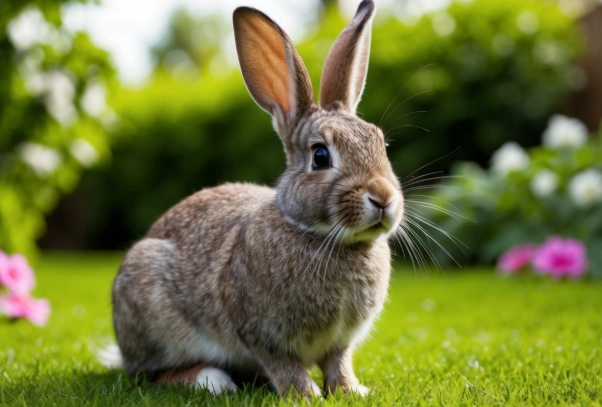
Safety and Predator Avoidance
Rabbits are prey animals. A yard with fences, bushes, or structures gives them a sense of security. According to wildlife behavior studies, rabbits prefer spots with multiple escape routes. If your yard is open, they might not stay long unless it's unusually quiet.
Another point: rabbits might indicate a lack of predators in your area. If you see one lounging, it could mean local fox or hawk populations are low. That's not always a good thing—it might disrupt the ecosystem balance.
Symbolic Meanings Across Cultures
Beyond behavior, rabbits have rich symbolism. Many cultures see them as omens, but interpretations vary widely.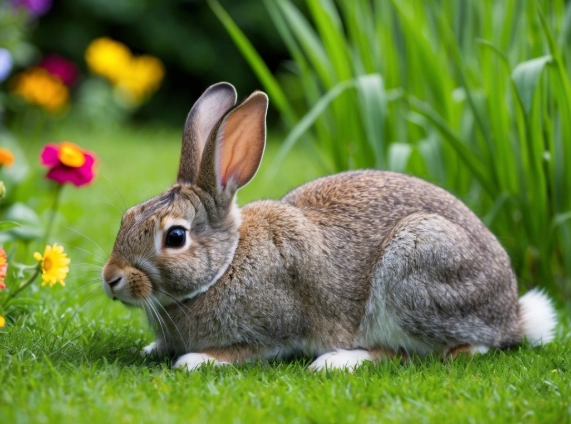
Good Luck and Fertility
In many traditions, rabbits symbolize luck, abundance, and fertility. Think of the Easter bunny or Celtic folklore. If a rabbit visits, some believe it's a sign of upcoming prosperity. But don't get too carried away—I've seen folks assume it means a windfall, only to realize the rabbit was just there for the lettuce.
Warnings and Messages
Conversely, some Native American traditions view rabbits as tricksters or warnings to pay attention to your surroundings. A rabbit staying put might signal that you need to slow down and observe details in your life. It's less about superstition and more about mindfulness.
From my experience, the symbolism often depends on context. A rabbit that seems calm and healthy might be positive, while one that's skittish could indicate environmental stress.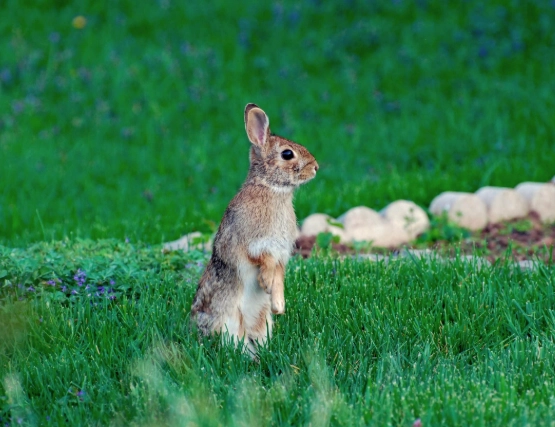
Wild vs. Pet: Identifying the Rabbit in Your Yard
This is crucial. Mistaking a wild rabbit for a lost pet can lead to unnecessary intervention. Wild rabbits are usually cottontails or hares, while pet rabbits are domesticated breeds.
Wild rabbits tend to be smaller, with brown or gray fur, and they're very wary. Pet rabbits might have floppy ears, varied colors, and could be more approachable. I once spent hours trying to "rescue" a wild cottontail, only to learn from a local wildlife rehabber that it was perfectly fine and my interference stressed it out.
Check for signs: if the rabbit has a collar or seems overly friendly, it might be an escapee. Otherwise, assume it's wild. The Humane Society advises observing from a distance to avoid causing distress.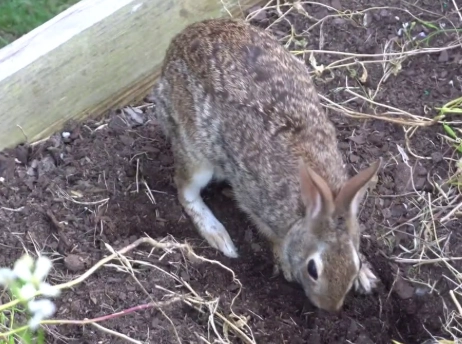
The Impact on Your Yard and Garden
Rabbits can be both helpers and nuisances. Let's break it down.
Benefits: They're natural grazers that can control weed growth. Their droppings fertilize the soil. In my garden, a rabbit family helped keep the dandelions in check—though they also nibbled on my carrots.
Drawbacks: Rabbits eat plants, dig shallow holes, and can attract predators like coyotes. If you're into landscaping, their chewing might damage flowers or vegetables. A common mistake is assuming all rabbit damage is minor; in large numbers, they can strip a garden bare.
Balance is key. A few rabbits might enhance biodiversity, but too many could indicate an imbalance, such as overgrown vegetation or lack of natural predators.
Practical Steps: What to Do When a Rabbit Stays
So, a rabbit's taken up residence. What now? Here's a straightforward approach based on real scenarios.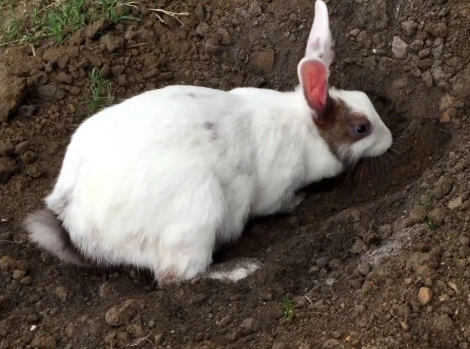
First, assess the situation. Is the rabbit healthy? If it's acting normally—hopping, eating, resting—it's probably fine. If it's lethargic or injured, contact a wildlife rehabilitator. Don't try to handle it yourself; rabbits can carry diseases like tularemia, though it's rare.
To encourage it to leave, make your yard less inviting. Remove food sources like fallen fruit or unsecured compost. Install motion-activated lights or fences. I've found that planting rabbit-resistant plants like lavender or marigolds can deter them without harm.
If you enjoy the visitor, provide a safe space. Leave a corner of your yard wild with tall grass and shrubs. It supports local wildlife and gives the rabbit a haven. Just be prepared for possible garden trade-offs.
Reader Comments