You look out your window on a freezing January morning and see a cottontail huddled under your shrub. Its fur looks frosty. It seems to be nibbling on a bare twig. Your heart sinks a little. Is it starving? Can you help? The instinct to put out a bowl of lettuce or a carrot is strong, but that might do more harm than good. After years of observing and consulting with local wildlife rehabilitators, I've learned that helping wild rabbits in winter is less about dramatic rescue and more about subtle, informed support. It's about understanding their world and filling in the gaps winter creates, without making them dependent.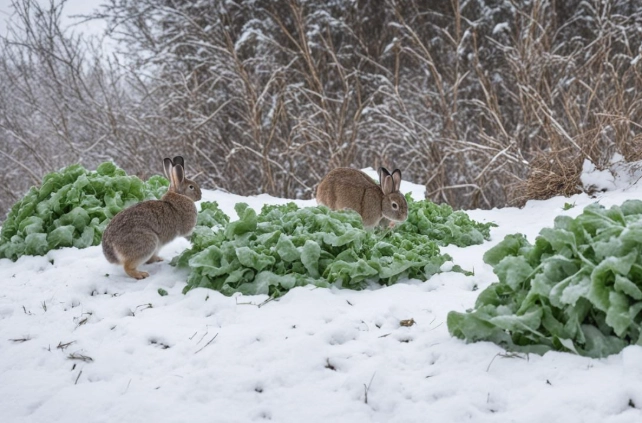
Let’s break it down. What do they actually need when the ground is frozen and the greenery is gone?
What’s Inside This Guide
- Understanding the Winter Struggle (It’s Not Just the Cold)
- What to Feed Wild Rabbits in Winter: The Safe List
- Providing Water: The Overlooked Lifeline
- Creating a Wild Rabbit Winter Shelter
- What NOT to Do: Common Mistakes That Hurt More Than Help
- When to Step In: Signs a Wild Rabbit Needs Professional Help
- Your Winter Rabbit Help Questions Answered
Understanding the Winter Struggle (It’s Not Just the Cold)
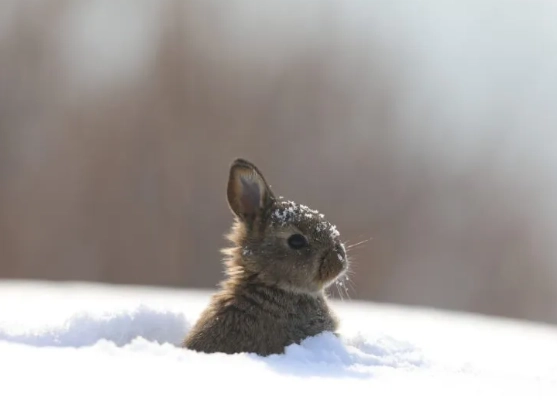
We think of cold as the big enemy. For rabbits, it's a suite of problems. Their summer diet of tender grasses, clover, and garden veggies vanishes. Snow cover locks away remaining grasses and bark. Finding calories becomes a full-time job. They burn energy just to stay warm, which requires more food—a vicious cycle.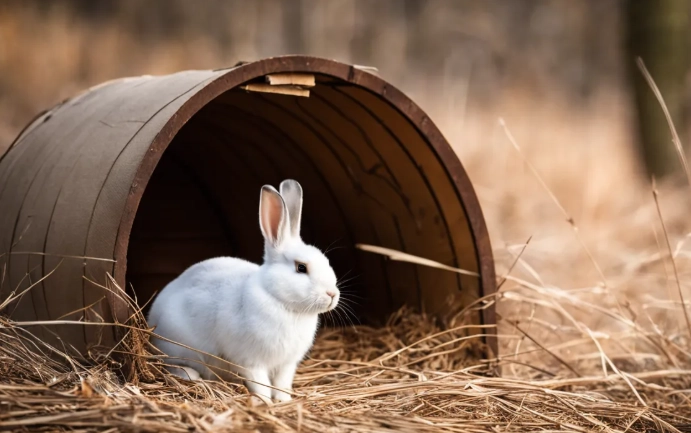
Predation pressure increases. With less cover, hawks and owls have a clearer view. Foxes and coyotes find tracking easier in the snow. A rabbit's survival hinges on having dense, nearby shelter to bolt into.
Here’s a subtle point most guides miss: dehydration. When all water sources are frozen, rabbits get moisture from the plants they eat. No plants, no moisture. They can't eat snow efficiently enough to meet their needs—it lowers their body temperature too much. Lack of water leads to digestive shutdown faster than lack of food.
So our help should target these three gaps: high-fiber food, liquid water, and secure shelter.
What to Feed Wild Rabbits in Winter: The Safe List
Forget the cartoon image. Carrots and lettuce are terrible choices. Lettuce (especially iceberg) has little nutritional value and can cause diarrhea, which is deadly in winter. Carrots are high in sugar, which can disrupt their delicate gut bacteria when they're not used to it.
A wild rabbit's digestive system is built for roughage. Think like a rabbit. In winter, they'd naturally be eating woody twigs, dry bark, and any remaining seed heads or dried leaves.
If you decide to provide food, here’s a safe, practical list. Scatter small amounts on the ground in a sheltered spot, preferably in the late afternoon when they start becoming active.
| Safe Food Option | Why It Works | Notes & Precautions |
|---|---|---|
| Timothy Hay or Orchard Grass Hay | Perfect fiber source. Mimicates dry grasses. Supports healthy digestion. | This is the single best thing you can offer. Get a fresh, green-smelling bale from a feed store. |
| Oak, Maple, or Apple Tree Twigs & Bark | Natural winter browse. Provides fiber and wears down constantly growing teeth. | Ensure branches are untreated, pesticide-free. Fresh-cut in winter is fine. |
| Dark Leafy Greens (in tiny amounts) | Some moisture and nutrients. Kale, romaine, carrot tops. | Offer a small handful only 2-3 times a week. Never iceberg lettuce. |
| Rolled Oats (Plain) | High-calorie boost for extreme cold snaps. | Sprinkle a tablespoon or two over the hay. Not a daily staple. |
| Rabbit Pellets (Plain) | Concentrated nutrition. | Use sparingly as a supplement, not a main food. A few tablespoons max. |
The biggest mistake? Creating a feeding station that attracts them at the same time every day. This makes them predictable to predators. Vary the timing and location slightly.
Providing Water: The Overlooked Lifeline
This might be the most impactful thing you do. A shallow, heavy ceramic bowl (so it doesn't tip) is ideal. Place it in a sunny spot sheltered from the wind. The key is keeping it ice-free.
You have a few options:
The Daily Refresh: Simply put out warm water twice a day—morning and late afternoon. It will freeze, but it gives them a window to drink.
The Heated Birdbath Solution: A birdbath with a built-in, thermostatically controlled heater is perfect. It's safe, uses little electricity, and provides a constant water source for rabbits, birds, and other wildlife. Just ensure the cord is protected.
Place the water source near cover, like a brush pile or evergreen, so they don't feel exposed while drinking.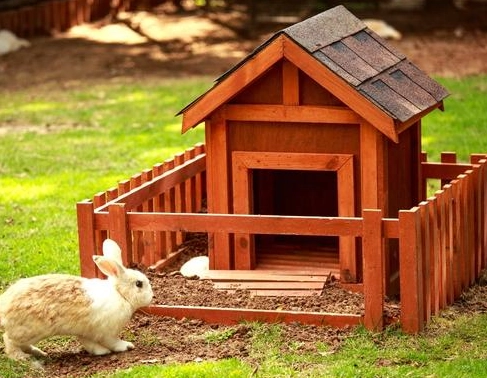
Creating a Wild Rabbit Winter Shelter
You don't need to build a fancy rabbit condo. Think about creating "accidental" shelter that gives them hiding places and windbreaks.
Leave the Leaves (and the Mess)
That neat-freak urge to clean up every last leaf in the fall? Resist it. Leaf piles against a fence, under shrubs, or in a garden corner are perfect rabbit hideouts and insulation. They'll burrow into them.
The Brush Pile Sanctuary
This is the ultimate wildlife hotel. Take fallen branches, old Christmas trees (undyed, non-flocked), and pruned shrub trimmings. Pile them loosely in a quiet corner of your yard. The interior creates a maze of protected spaces from wind and predators. It’s better than any man-made box because it looks natural and doesn’t attract curiosity.
Protect Existing Hidey-Holes
Do you have a gap under your shed or deck where rabbits sometimes go? Don't block it for the winter. That might be their primary shelter. You can even enhance it by loosely stacking some old wood or branches in front to make the entrance less obvious.
What NOT to Do: Common Mistakes That Hurt More Than Help
Good intentions can go wrong. Here’s where that "10 years of experience" perspective kicks in.
Don't feed them bread, crackers, cereal, or pasta. Zero nutritional value. It fills them up so they don't seek proper food, and it can cause a fatal condition called enterotoxemia.
Don't try to capture a healthy, cold rabbit to bring it inside. Cold is not an emergency for them. Stress from capture is. They are built for this. A rabbit sitting still, even if it looks cold, is often just conserving energy.
Don't use plastic containers or bags as shelters. They trap moisture, cause temperature swings, and can be chewed and ingested. Stick to natural materials.
Don't suddenly stop a feeding routine you've started in deep winter. If you begin putting out hay, try to continue until natural food becomes available again in spring. A sudden stop leaves them searching in a now-familiar but empty spot.
When to Step In: Signs a Wild Rabbit Needs Professional Help
Sometimes, help means calling a professional. Contact a licensed wildlife rehabilitator if you see:
A rabbit that is visibly injured: Limping badly, bleeding, or with a dangling limb.
A rabbit that is completely unafraid of you: Letting you approach and touch it is a major red flag for illness or severe weakness.
A rabbit covered in flies or maggots: This indicates a wound you can't see.
Evidence of predator attack: If you find a rabbit that is still alive but has clear puncture wounds or is in shock.
Do not attempt to treat it yourself. Keep it in a dark, quiet box and call for help immediately. Search for "[Your State] wildlife rehabilitator" to find local experts.
Your Winter Rabbit Help Questions Answered
The bottom line is this: helping wild rabbits in winter isn't about turning your yard into a rescue center. It's about being a thoughtful neighbor. It's leaving that messy corner of the yard, putting out a handful of hay on the worst days, and keeping a bowl of water liquid. It's understanding that our role is to provide options, not solutions, so they can use their own wild instincts to survive. That’s the kind of help that truly matters.
Reader Comments