You look out the window on a freezing January morning, the ground buried under a foot of snow, and the question pops into your head: what on earth are the rabbits eating out there? It's a good one. The lush buffet of clover and dandelions is long gone. The answer isn't just a list of plants—it's a story of adaptation, desperate foraging, and some surprisingly clever survival tricks. As someone who's spent years observing cottontails and hares around my property, I can tell you their winter menu is far more varied and strategic than most people think. They're not just starving; they're switching to a completely different, and frankly, less palatable backup plan.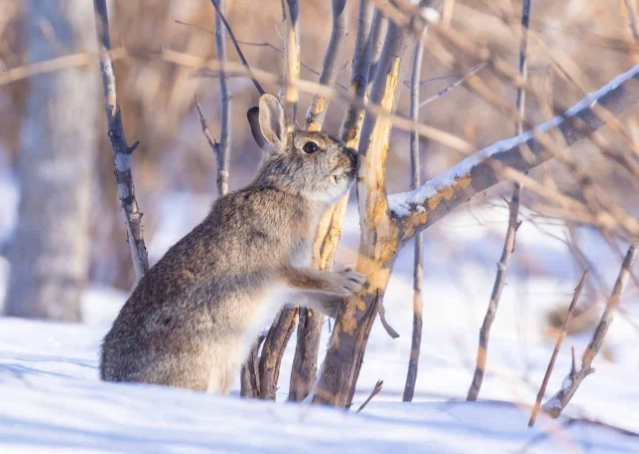
What's Inside This Guide?
The Complete Winter Rabbit Food List: From Bark to Buds
Forget the tender greens. Winter is about woody, fibrous, and often buried food. The primary shift is from herbaceous plants to the parts of woody plants that remain above the snow line or can be dug up. Their digestive systems, specifically their cecum which ferments tough material, are built for this switch. Here’s what’s really on the menu, ranked by importance based on availability and consumption.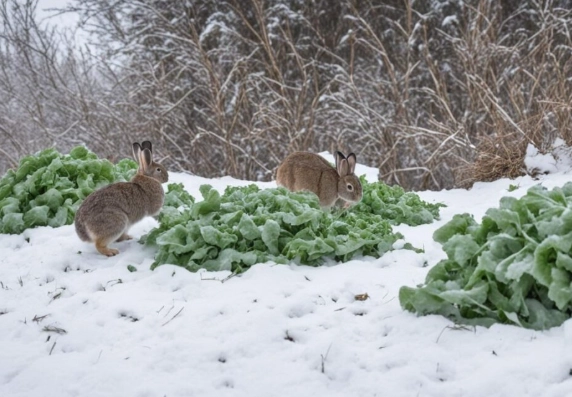
| Food Source | Description & Examples | Key Nutritional Role |
|---|---|---|
| Twigs, Bark & Buds | The absolute staples. From young trees and shrubs like maple, ash, oak, apple, raspberry, and dogwood. They prefer the nutritious inner bark (cambium layer) and the protein-rich buds. | Fiber, carbohydrates, minimal protein. Keeps their digestive system moving. |
| Dry Grasses & Weeds | Stalks and seed heads of grasses, goldenrod, and other sturdy plants that stand tall above the snow. Often brown and brittle. | Roughage. Not very nutritious but fills the stomach and aids digestion. |
| Evergreen Seedlings & Needles | Young pine, spruce, or fir trees within reach. They'll nibble the needles and tender bark. A last-resort option due to resins. | Emergency calories and moisture. |
| Dried Leaves & Forbs | Fallen oak leaves, dried plantain, or other forest floor litter they can scrape snow away to find. | Trace nutrients and fiber. |
| Garden Leftovers & Crops | In agricultural areas: leftover kale, Brussels sprouts stalks, carrot tops, or unharvested root vegetables if accessible. | A valuable nutrient boost where available. |
Notice something? It's all brown food. The green is gone. This diet is low in protein and high in indigestible fiber. That's why you'll see their droppings change in winter—more of the larger, softer cecotropes that they must re-ingest to extract every last bit of nutrition. It's a tough way to live.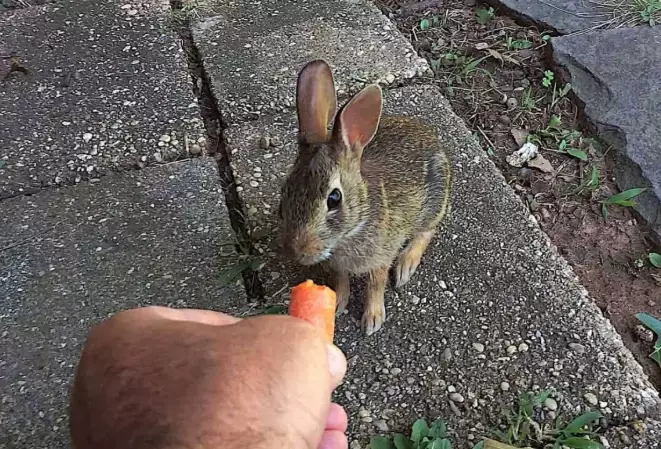
I remember one particularly harsh winter where I watched a cottontail systematically work over a young apple sapling in my yard. It wasn't killing it for fun. It was stripped clean of bark from the snow line up about a foot and a half—the exact height it could reach standing up. That sapling was its grocery store for a week.
The Bark Stripping Conundrum
This is where most people notice rabbit activity—and often get annoyed. You'll see clean, angled cuts on twigs and patches of bark removed from trunks. A common mistake is thinking they're killing trees out of malice. They're not. They're eating the only available calorie source. The severity of damage depends entirely on the rabbit population pressure and the scarcity of other food. In a balanced ecosystem with predators, it's usually minor. In suburban areas with fewer predators, it can be significant.
How Do Wild Rabbits Find Food Under Snow?
This is where their behavior gets interesting. They don't just hop around hoping to bump into a twig.
First, they rely on memory and established trails. Rabbits are creatures of habit. They memorize the locations of productive shrubs, briar patches, and garden edges during the fall. When snow falls, they follow the same runs, now hidden under the snow, to those known food sources.
Second, they become expert snow scrapers. Using their front paws, they'll dig down through light snow to reach frozen grasses or fallen seeds. I've seen patches where the snow looks like a miniature excavation site—that's rabbit work.
Third, they expand their territory, but cautiously. A study on snowshoe hares published in the journal Ecology showed they increase their nightly foraging range in deep snow, but stick closer to thick cover like evergreen thickets. Exposure means death to a hawk or owl. Food is useless if you become food.
Their activity patterns shift too. You'll see more feeding at dawn and dusk (crepuscular activity), but in very cold weather, they may even forage on warmer afternoons to conserve energy lost in the bitter night cold.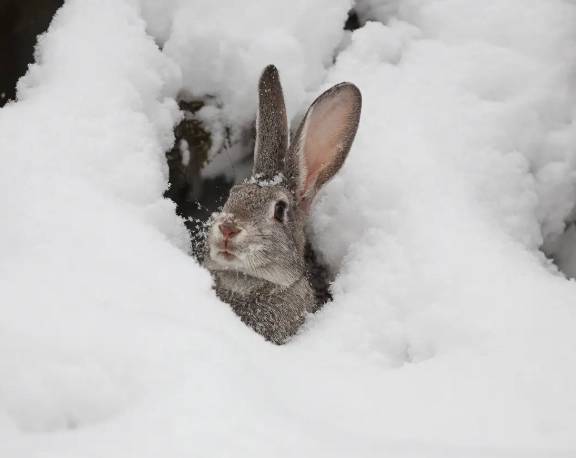
Wild vs. Pet Rabbits: A Crucial Winter Diet Difference
This is critical, and a point of major confusion. You cannot feed a wild rabbit what you feed your pet bunny in winter.
Your house rabbit's diet is consistent year-round: high-quality hay, some pellets, fresh greens. Their gut microbiome is tuned for that. A wild rabbit's microbiome changes with the seasons, adapting to the coarse winter fare. Suddenly introducing rich, high-starch, or high-sugar foods (like carrots, fruits, bread, or commercial pellets) to a wild rabbit in winter can cause fatal digestive stasis or diarrhea. Their system literally can't handle it.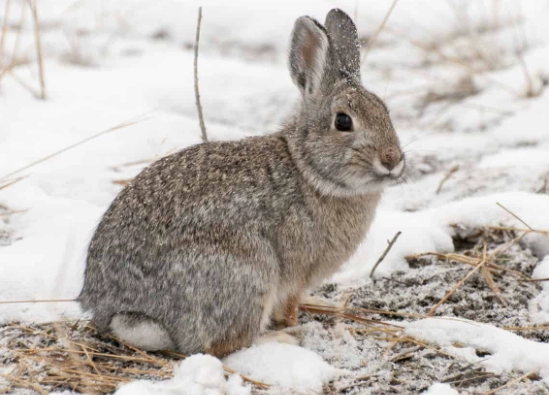
Think of it like this: if you lived on rough whole grains and roots all winter, and someone suddenly gave you a rich cheesecake, your stomach would revolt. It's the same for them. This is the single biggest mistake well-meaning people make.
Can You Help Wild Rabbits in Winter? (The Right Way)
Yes, but the goal is to supplement their natural diet, not replace it. The best help is indirect and focuses on habitat.
- Don't "clean up" your garden completely in the fall. Leave some standing dead flowers (like coneflowers), seed heads, and brush piles. These provide food and critical shelter from wind and predators. That brush pile is a rabbit condo.
- Plant rabbit-friendly woody shrubs on your property's edge. Dogwood, willow, raspberry, and cotoneaster are excellent. You're planting a future winter food bank.
- If you feel you must provide direct food, stick to the closest approximation of their natural winter diet: timothy hay or oat hay. Place a small handful in a dry, sheltered spot near cover. That's it. No treats, no veggies, no pellets. The University of Michigan's animal research guidelines on lagomorph digestion stress the importance of high-fiber, low-calcium diets for wild species to prevent gut issues.
- Provide water? It's tricky. A shallow, non-metallic dish of lukewarm water can be a lifesaver during long freeze spells when all snow is icy and locked up. But you must change it daily so it doesn't become a disease vector. It's a commitment.
The U.S. Department of Agriculture's wildlife resources often note that supporting natural forage through habitat management is always preferable to direct feeding, which can create dependency and disease spread.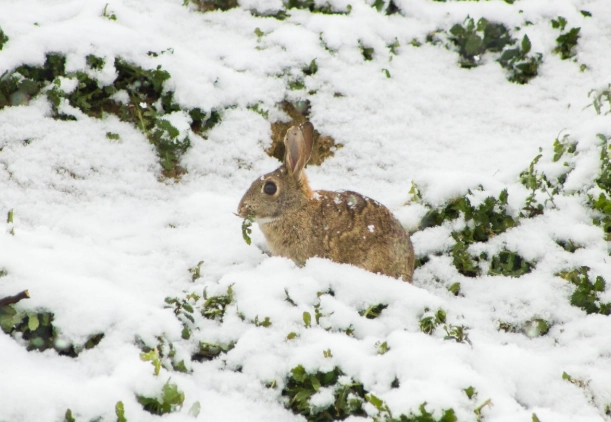
Reader Comments