Let's be honest, we've all heard the stories. The friend of a friend whose rabbit lived to see 18. The online forum post claiming a 20-year-old bunny. It sparks that hopeful question in every rabbit owner's mind: can my rabbit live for 20 years? The short, direct answer is that while it's theoretically possible, it's extraordinarily rare—like winning the longevity lottery. The verified world record, according to Guinness World Records, is held by a rabbit named Mick who lived to be 16 years old. Aiming for 20 sets an almost mythical benchmark that can lead to disappointment. Instead, let's focus on what truly matters: understanding the realistic lifespan of a domestic rabbit and, more importantly, the actionable steps you can take to maximize it, ensuring your furry friend has a long, healthy, and joyful life.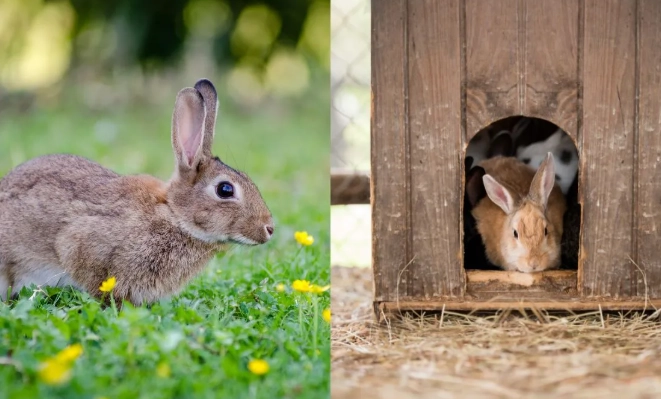
What You'll Discover in This Guide
The Truth About Rabbit Lifespan and the 20-Year Myth
First, let's ground ourselves in reality. The average lifespan of a well-cared-for, indoor house rabbit is typically between 8 to 12 years. Many reach their early teens with proper care. Reaching 16, like the record holder, is exceptional. Pushing beyond that is the realm of extreme outliers.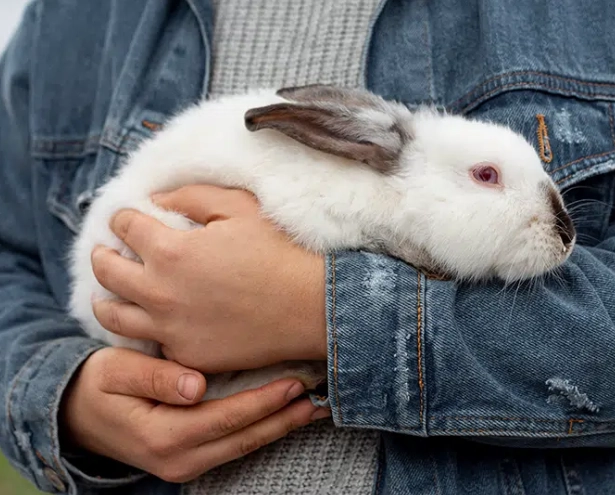
Why is 20 years such a stretch? It's a combination of biology and circumstance. Rabbits are prey animals. In the wild, their lifespan is brutally short, often just 1-2 years. Domestication has shielded them from predators, but it hasn't rewritten their fundamental genetic blueprint. Their metabolism, dental growth patterns, and delicate digestive systems present inherent challenges over a long lifetime.
The stories of 18 or 20-year-old rabbits often lack verification. Ages can be estimated incorrectly, especially if the rabbit was adopted as an adult. Without a documented birth date, it's anecdotal. This isn't to dash hopes, but to shift the goalpost to something more meaningful. Obsessing over a specific number, especially one as lofty as 20, can make you miss the signs of a truly content, healthy rabbit living a great life within the 8-15 year range.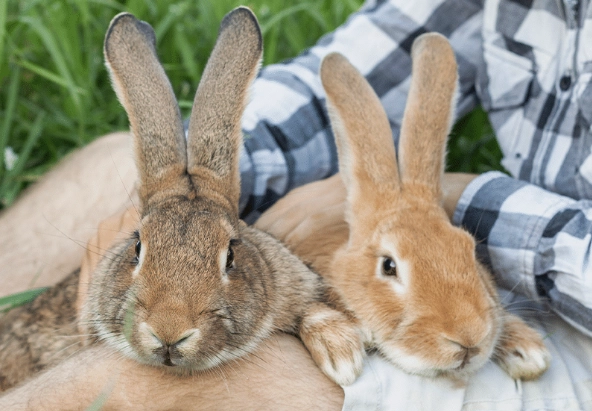
A Key Insight Most Guides Miss: The single biggest factor often overlooked is the rabbit's early life and genetics, which are completely out of your control. That bunny from the pet store or impulsive backyard breeder might come from a line with hidden health issues. A rabbit adopted from a reputable rescue, where its history and health are better documented, often has a longevity head start. You can't change their start, but you can dramatically influence their finish.
The Blueprint for a Long and Healthy Rabbit Life
Forget the magic number. Think of longevity as a recipe with several non-negotiable ingredients. Miss one, and the whole thing can fall apart. Here’s the real-world blueprint, based on decades of collective experience from rabbit-savvy veterinarians and dedicated owners.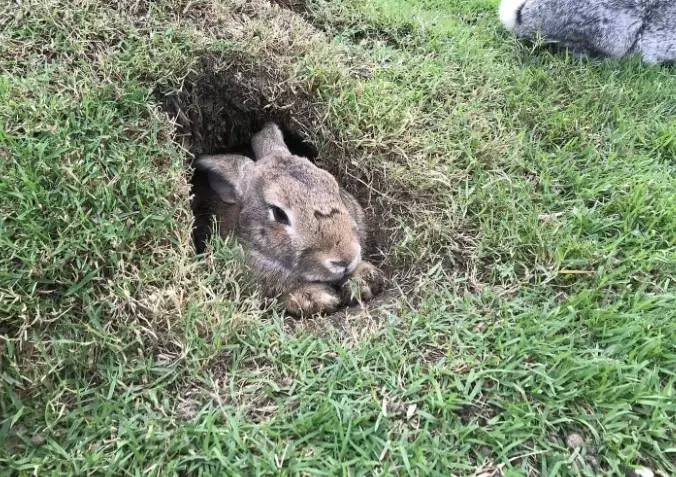
Genetics: The Unseen Foundation
You can't see it, but it's there. Larger giant breeds like Flemish Giants tend to have shorter average lifespans (5-8 years) than smaller breeds like Netherland Dwarfs (10-12 years). This isn't a hard rule, but a general trend. The breeder's practices matter immensely. Responsible breeders screen for genetic issues like malocclusion (misaligned teeth) or heart problems.
Diet: The Engine of Health
This is where most owners get it subtly wrong. It's not just about feeding the right things, but in the exact right proportions. The most common mistake I see is overfeeding pellets and vegetables while underfeeding hay.
| Food Type | Primary Role | Daily Recommendation | Common Pitfall |
|---|---|---|---|
| Unlimited Grass Hay (Timothy, Orchard, Meadow) | Wears down teeth, maintains gut motility, provides fiber. | 80-90% of diet. Should always be available. | Assuming a "bowl of hay" is enough. It must be a constant, massive pile. |
| Fresh Leafy Greens | Provides vitamins, minerals, and hydration. | About 1 packed cup per 2 lbs of body weight. | Introducing too many types too fast, or feeding gas-producing veggies (e.g., kale in large amounts). |
| High-Quality Pellets | Concentrated nutrients and vitamins. | Only 1/4 cup per 5 lbs of body weight. Less for adults. | Free-feeding pellets. This leads to obesity and disinterest in hay. |
| Fresh Water | Essential for all bodily functions. | Always available, changed daily. | Using only a water bottle. A heavy ceramic bowl is often preferred and allows for greater intake. |
Treats like fruits or carrots? Think of them as a tiny, occasional bonus, not a dietary staple. Sugar is a rabbit's enemy.
The Indoor Advantage: More Than Just Safety
Keeping your rabbit indoors isn't just about protecting them from predators, weather, and parasites. It's about integration into your life. You notice subtle changes—a slight decrease in appetite, less energetic binkies, a different stool size. These are the early warning signs of stasis or other illness. In an outdoor hutch, these signs are missed until it's often too late. An indoor rabbit is a observed rabbit, and observation is the first step in preventative healthcare.
Their environment needs to be more than a cage. It's a territory.
- Space: A large exercise pen (x-pen) is superior to most cages. They need room to run, jump, and explore.
- Enrichment: Cardboard castles, tunnels, untreated wood chews, dig boxes (with child-safe sand or shredded paper). Boredom leads to stress and destructive behavior.
- Companionship: Rabbits are social. A neutered/spayed bonded pair provides constant companionship, reducing stress. A lonely rabbit is an unhappy rabbit.
Medical Care: The Partnership You Need
This is non-negotiable. You need an exotic animal veterinarian who is experienced with rabbits. A cat-and-dog vet will not have the specific knowledge. Schedule annual check-ups, not just when something is wrong. These visits should include a dental check (their teeth constantly grow) and a weight assessment.
Spaying (females) and neutering (males) is arguably the most important medical decision for longevity. For females, it virtually eliminates the risk of uterine cancer, which has an alarmingly high incidence rate in unspayed does. For all rabbits, it reduces hormonal aggression and stress, making bonding and litter training easier.
Be prepared for common age-related issues: arthritis, dental spurs, decreased kidney function. Knowing what to expect helps you adapt their environment—softer bedding, lower-entry litter boxes, more accessible water.
Your Rabbit Longevity Questions, Answered
I just adopted a 5-year-old rabbit. Is it too late to improve its lifespan?
My rabbit hates hay and only wants pellets. How do I fix this to help him live longer?
What are the very first subtle signs of illness I should watch for every day?
Does a rabbit's personality or breed have a bigger impact on lifespan?
How do I calculate my rabbit's age in "human years"? Is the 1:10 rule accurate?
So, can a rabbit live for 20 years? The odds are astronomically against it. But focusing on that distant, improbable star can make you miss the beautiful constellation of a rabbit's actual life right in front of you. Shift your goal from a number to a state of being: a life full of good food, mental stimulation, safety, companionship, and proactive healthcare. That's how you unlock true longevity. Your rabbit might not make it to 20, but with this blueprint, they'll have an excellent shot at reaching—and thriving through—a dignified, healthy, and wonderfully long old age. And that's a victory worth celebrating every single day.
Comment