You see that massive, gentle Flemish Giant or Continental Giant rabbit and wonder: just how long do these incredible creatures live? The giant rabbit lifespan isn't as short as some pet store myths suggest. With the right care, these aren't just temporary pets. They're long-term companions. I've cared for large breeds for over a decade, and the biggest mistake I see isn't about food or cage size—it's the assumption that their size somehow makes them less delicate. The truth is, their longevity hinges on a set of very specific, often overlooked needs.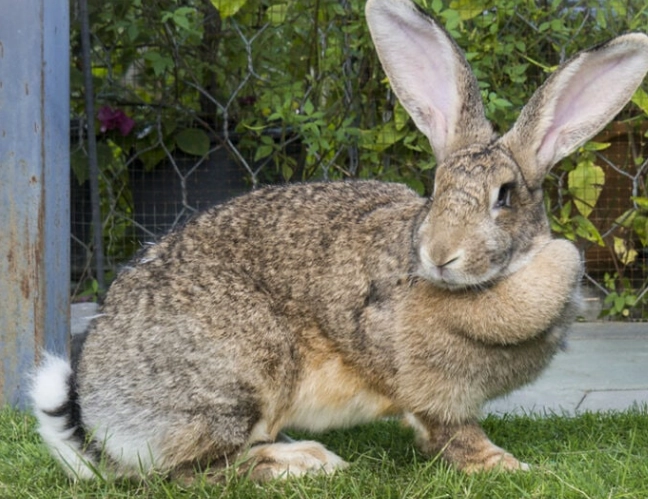
In This Guide
Factors That Determine Giant Rabbit Lifespan
It's not just genetics. Think of it like a puzzle. A giant rabbit's lifespan—typically 5 to 10 years, with many reaching 8+ in excellent care—is built from several interlocking pieces. Miss one, and the whole picture of their health gets shaky.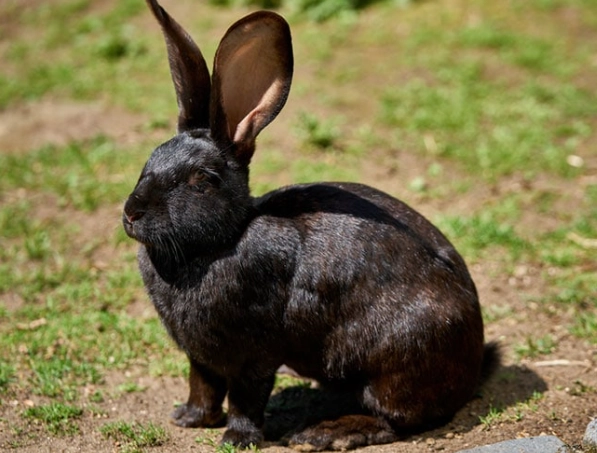
Genetics and Breed set the baseline. A Flemish Giant from a breeder focused on health will have a better starting point than one from a source breeding for size alone. This is the foundation you can't change later.
Diet is the daily medicine. For a giant digestive system, the wrong food doesn't just cause a tummy ache; it can lead to GI stasis, a leading killer. It's not about more food, but the right food. Unlimited hay isn't a suggestion; it's the core of their existence.
Housing and Exercise. A giant rabbit in a hutch is a recipe for muscle atrophy, obesity, and depression. Their skeleton and heart are built for movement. I once fostered a Continental Giant who was lethargic and overweight. After converting a spare room into a penned area with tunnels and platforms, his personality—and activity level—bloomed within weeks.
Preventative Veterinary Care. This is the most common gap. Rabbits need a rabbit-savvy vet, not just a cat-and-dog vet. Yearly check-ups catch dental issues (huge in giants) early. Spaying/neutering isn't just about behavior; it drastically reduces the risk of reproductive cancers in females.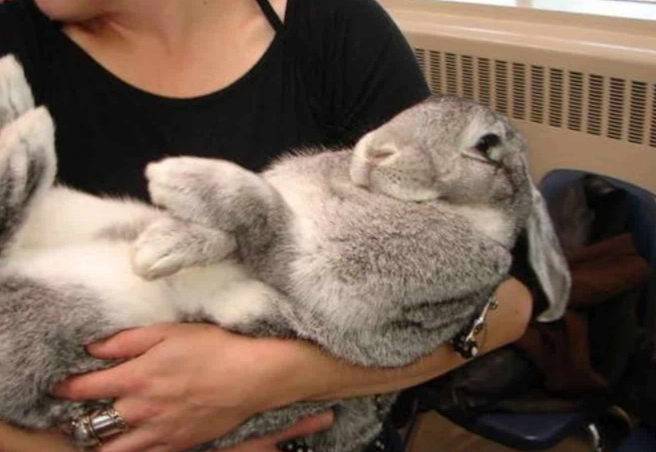
Stress-Free Environment. Loud noises, predatory pets (like unsupervised dogs), and extreme temperatures chip away at their immune system. A scared rabbit is an unhealthy rabbit.
Breed-by-Breed Lifespan Comparison
Not all "giants" are the same. Their size, build, and common health issues paint different longevity pictures. Here’s a realistic breakdown based on breed club data and veterinary surveys, like those referenced by the American Rabbit Breeders Association (ARBA).
| Breed | Average Weight | Typical Lifespan Range | Key Longevity Considerations |
|---|---|---|---|
| Flemish Giant | 13+ lbs (up to 22 lbs) | 6 - 10 years | Prone to sore hocks on hard surfaces; requires spacious, soft flooring. Joint stress is a concern in overweight individuals. |
| Continental Giant | 16+ lbs (up to 25+ lbs) | 5 - 9 years | Their massive size can strain the heart (cardiomyopathy) over time. Regular vet monitoring is crucial. |
| French Lop | 10+ lbs | 5 - 8 years | Floppy ears need regular checking for infections. Their compact shape requires careful weight management. |
| Checkered Giant | 11+ lbs | 6 - 9 years | An active, athletic breed. Lifespan often correlates directly with the amount of daily running space provided. |
| Giant Angora | 9.5+ lbs | 7 - 10 years | Wool block is a constant, life-threatening risk. Daily grooming is non-negotiable, not weekly. |
See that range? The upper end is almost always achieved by owners who are militant about the next section.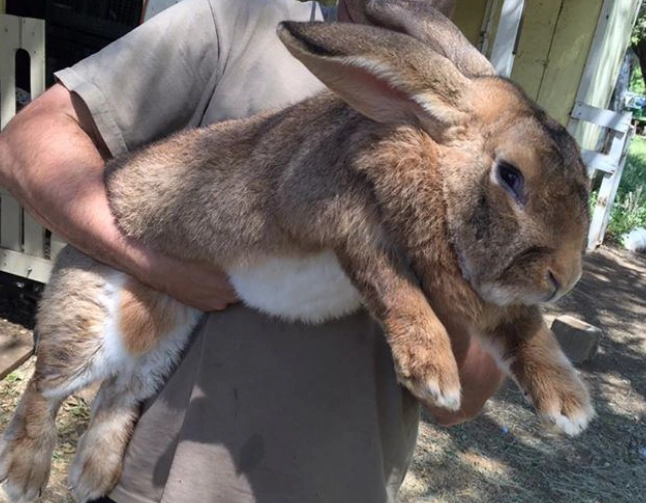
How to Extend Your Giant Rabbit's Life (Actionable Steps)
Let's get practical. You want your gentle giant to hit that 10-year mark. Here’s your blueprint, moving beyond "feed them hay."
Diet: The 80/10/10 Rule for Giants
80% of their diet should be unlimited, high-quality grass hay (Timothy, Orchard, Oat). 10% is fresh, leafy greens (romaine, cilantro, kale stems). The final 10% is a strictly measured portion of high-fiber pellets—about 1/4 cup per 6 lbs of body weight. For a 15 lb Flemish Giant, that's just over 1/2 cup daily. Over-pellet feeding is the root of obesity and dental disease.
Housing: Think Room, Not Cage
A standard rabbit cage is a prison for a giant. The RSPCA recommends a minimum enclosure size of 3m x 2m x 1m high for a pair of average rabbits—giants need more. Use a large dog exercise pen (at least 4ft x 4ft, but bigger is better) or dedicate a rabbit-proofed room. Flooring must be supportive: foam mats covered with fleece or thick, washable carpet. Sore hocks are painful and lead to serious infections.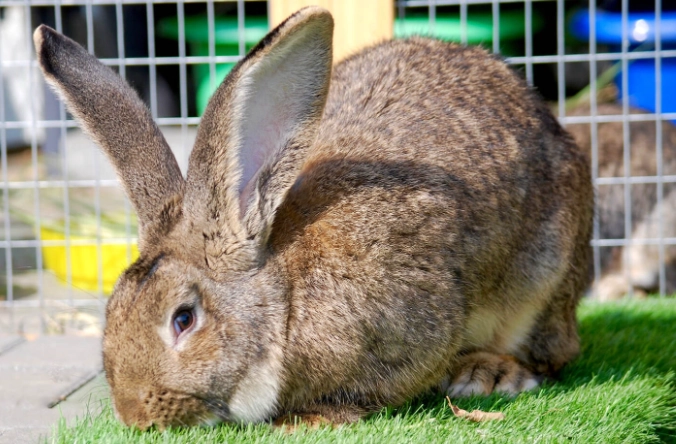
Exercise and Enrichment: Daily Movement is Mandatory
At least 4-6 hours of supervised free-roam time outside their pen is the goal. This isn't just play; it's cardiovascular and musculoskeletal maintenance. Create a circuit: hiding boxes, tunnels made from cardboard concrete forms, low platforms to hop on. A bored rabbit is a destructive, often depressed rabbit.
Veterinary Partnership: Find Your Expert Before the Emergency
Locate an exotic animal veterinarian with rabbit experience before you need one. Schedule annual wellness exams. These should include a weight check, full dental exam (checking those back molars), and a listen to the heart and lungs. Discuss spay/neuter if not already done. Vaccinate against Rabbit Hemorrhagic Disease Virus (RHDV) if it's in your region.
Common Health Problems That Shorten Lifespan
Knowing the enemies helps you fight them. Here are the big three that cut a giant rabbit's life short:
- Gastrointestinal (GI) Stasis: This is the silent killer. The gut slows or stops. Symptoms include small or no poops, lethargy, and refusing food. It's a medical emergency. Prevention is constant hay intake and low stress.
- Dental Disease: A rabbit's teeth grow constantly. Misalignment (malocclusion) leads to painful spikes, abscesses, and an inability to eat. Genetics play a role, but a hay-heavy diet is the best wear-and-tear prevention.
- Pododermatitis (Sore Hocks): The large weight of a giant pressing on thin fur pads causes painful ulcers and infections. The cure is proper, soft flooring from day one. Once it's chronic, it's incredibly hard to manage.
Obsess over their poop. It's the best daily health report card you'll get.
Comment