So, you're wondering how long Angora bunnies live? The short answer is 7 to 12 years on average, but I've seen some hit 14 with meticulous care. My own Angora, Fluffy, made it to 11, and that taught me more than any book could. Let's cut to the chase: lifespan isn't just genetics; it's about how you handle the fluff. In this guide, I'll walk you through everything from average numbers to the nitty-gritty details that most blogs skip.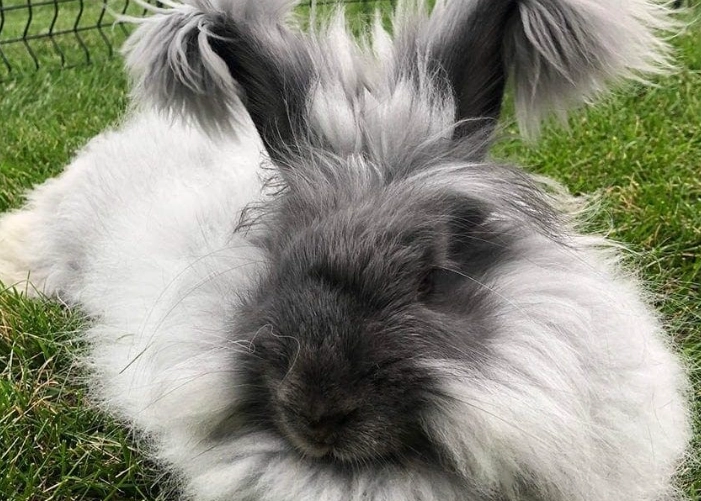
Jump to What Matters
What's the Average Lifespan of an Angora Bunny?
Most sources throw around 7-12 years, but that's a broad range. Why? Because Angoras aren't all the same. There are different breeds, and each has its quirks. From my experience, English Angoras tend to live a bit shorter, around 7-9 years, due to their dense wool. French and German Angoras often reach 10-12 years if you stay on top of grooming. I remember talking to a breeder who had a Satin Angora that lived to 13—rare, but possible with obsessive care.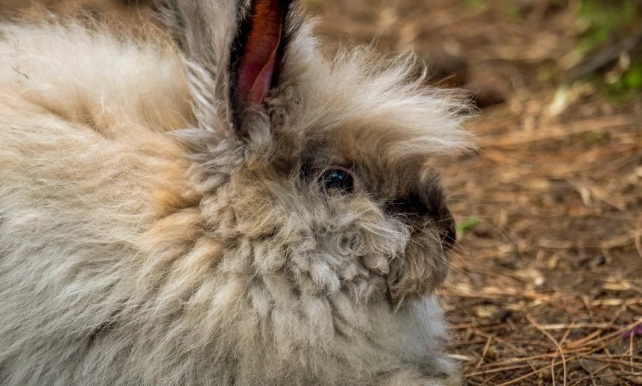
Here's a quick breakdown based on breed variations:
| Breed Type | Average Lifespan | Key Consideration |
|---|---|---|
| English Angora | 7-9 years | High grooming needs; prone to wool block |
| French Angora | 9-11 years | Slightly less wool, easier maintenance |
| German Angora | 10-12 years | Robust health, but still requires regular care |
| Satin Angora | 8-10 years | Silky coat, needs gentle handling |
Numbers aside, the House Rabbit Society notes that indoor rabbits generally live longer than outdoor ones. Fluffy was indoors, and I swear that added a couple of years. Outdoor risks—predators, weather, parasites—they chip away at lifespan. If you want your bunny to hit the double digits, keep them inside.
Key Factors That Determine How Long Your Angora Bunny Lives
This is where most owners mess up. They think feeding pellets and occasional cuddles is enough. Nope. Angoras are high-maintenance, and ignoring that shortens their lives. Let's break it down.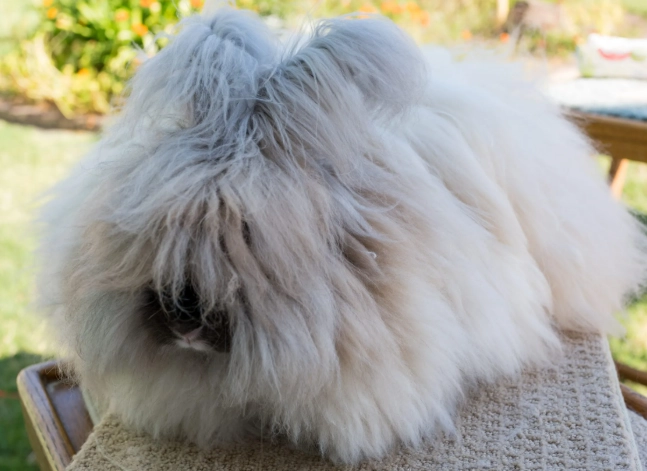
Diet and Nutrition: More Than Just Hay
Hay is crucial—timothy hay should be 80% of their diet. But here's a mistake I made early on: overfeeding pellets. Pellets are like junk food for rabbits; too many lead to obesity and dental issues. Stick to 1/4 cup per day for a standard-sized Angora. Fresh veggies? Yes, but introduce slowly. Kale, romaine lettuce, herbs—they're great, but avoid iceberg lettuce; it's just water with no nutrients.
Water is another biggie. A dirty water bottle can cause bacterial infections. I switched to a ceramic bowl for Fluffy, and she drank more. Dehydration is a silent killer, especially in long-haired bunnies.
Grooming: The Lifesaving Ritual for Long-Haired Rabbits
If you skip grooming, you're signing a death warrant. Angoras produce wool constantly, and if they ingest it during self-cleaning, it causes wool block—a digestive blockage that can be fatal. Grooming isn't optional; it's daily. I spent 20 minutes every morning brushing Fluffy. Use a slicker brush and a comb. Matting leads to skin infections, and trust me, treating those is a nightmare.
One pro tip: during shedding season, groom twice a day. I learned this the hard way when Fluffy got a small mat behind her ear that turned into an abscess. Cost me $300 at the vet. Regular grooming prevents that.
Housing and Exercise: Space to Thrive
Cramping an Angora in a small cage? That's a recipe for a short life. They need space to hop and run. A minimum of 12 square feet, but more is better. I used a puppy playpen for Fluffy—it gave her room to binky (those happy jumps rabbits do). Exercise prevents obesity and keeps their muscles toned.
Mental stimulation matters too. Boredom leads to stress, which weakens the immune system. Toys, tunnels, puzzle feeders—they help. I rotated toys weekly to keep things fresh.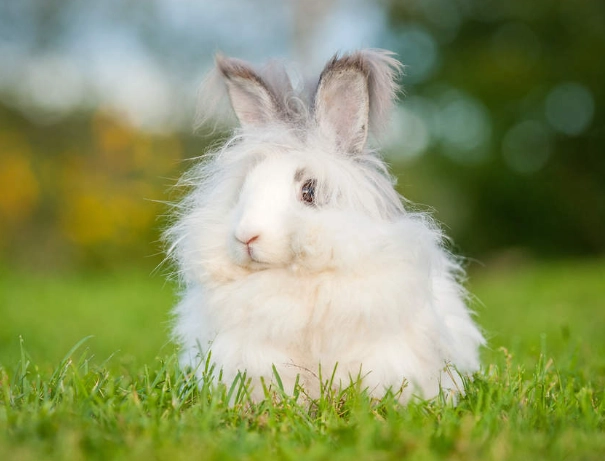
Pro Tips to Extend Your Angora Rabbit's Lifespan
Beyond basics, here are things most guides don't tell you. These come from a decade of trial and error.
Expert Insight: Many owners focus on diet and grooming but neglect dental health. Angoras' teeth grow continuously, and misalignment can cause pain and eating issues. Provide plenty of hay and wooden chews. I check Fluffy's teeth monthly—if you see drooling or weight loss, vet time.
Regular Veterinary Check-ups
Annual vet visits are non-negotiable. Find a vet experienced with rabbits, not just cats and dogs. Rabbits hide illness well; by the time you notice, it might be late. Fluffy's vet caught early signs of arthritis at age 8, and we managed it with supplements. Costly? Yes, but cheaper than emergency surgery.
Vaccinations depend on your region. In some areas, rabbit hemorrhagic disease is a threat. Consult your vet.
Mental Health and Socialization
Rabbits are social animals. A lonely Angora can become depressed, affecting lifespan. If possible, get a bonded pair. Fluffy had a buddy, Cotton, and they groomed each other—reduced my brushing load and kept them happy. Introduce new rabbits slowly, though; fights happen.
Interaction with you counts too. Spend time daily—petting, talking, even training tricks. It builds trust and reduces stress.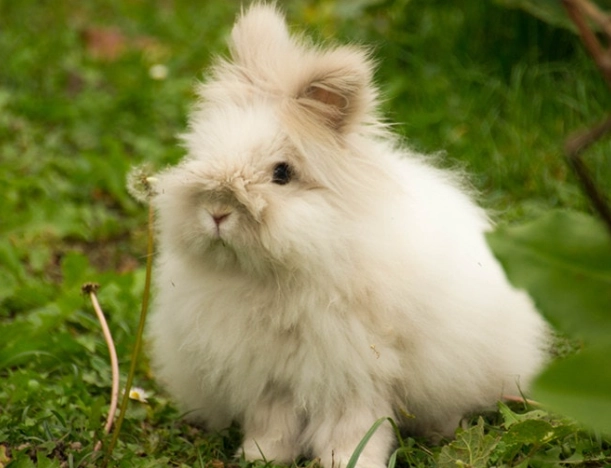
Common Health Issues in Angora Bunnies and How to Prevent Them
Knowing what can go wrong helps you prevent it. Here are the big ones.
Wool Block: A Silent Killer
As mentioned, wool block is top of the list. Symptoms include reduced appetite, small droppings, and lethargy. Prevention? Daily grooming and a high-fiber diet. Some owners use papaya enzyme supplements, but I found plain pineapple juice (a teaspoon weekly) helped Fluffy's digestion. Always check with your vet first.
Dental Issues: More Common Than You Think
Overgrown teeth can cause abscesses and malnutrition. Provide unlimited hay—it wears teeth down naturally. Watch for signs: dropping food, weight loss, or facial swelling. Fluffy once had a molar spur; the vet filed it down, and she was back to normal in days.
Other issues include ear mites (check ears weekly), urinary tract infections (keep litter clean), and sore hocks (provide soft bedding). A study by the Rabbit Welfare Association highlights that 80% of health problems in pet rabbits are preventable with proper care.
Frequently Asked Questions About Angora Bunny Lifespan
Wrapping up, Angora bunnies can live a decade or more, but it's not luck. It's about daily commitment. Start with grooming, nail the diet, and don't skimp on vet visits. I still miss Fluffy, but knowing she lived a full life makes it worth it. Got more questions? Drop a comment—I love chatting bunnies.
Comment