Jump Straight to What Matters
Let's cut to the chase. Angora bunnies are incredibly cute, with that fluffy wool that makes you want to cuddle them forever. But are they good pets? After a decade of raising rabbits, including three Angoras, my answer is: it depends. For the right person, yes—they're gentle, quiet companions. For most people, no. The grooming alone is a part-time job.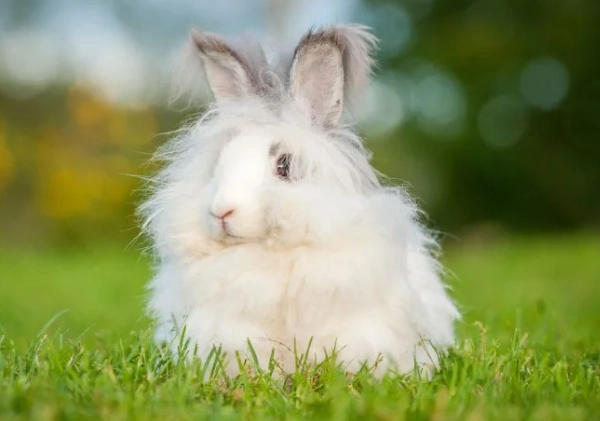
I've seen too many Angoras end up in shelters because owners underestimated the care. So, if you're thinking about getting one, read this first. I'll walk you through everything, from their temperament to the hidden costs, with some hard truths you won't find on cute Instagram posts.
Angora Bunny Personality: Sweet or Stubborn?
Angoras are generally calm and docile. They're not hyper like some dwarf breeds. Mine, named Fluffy, would sit on my lap for hours if I let her. But here's the thing—they can be stubborn. Try to groom them when they're not in the mood, and you'll get a foot thump or a quick hop away.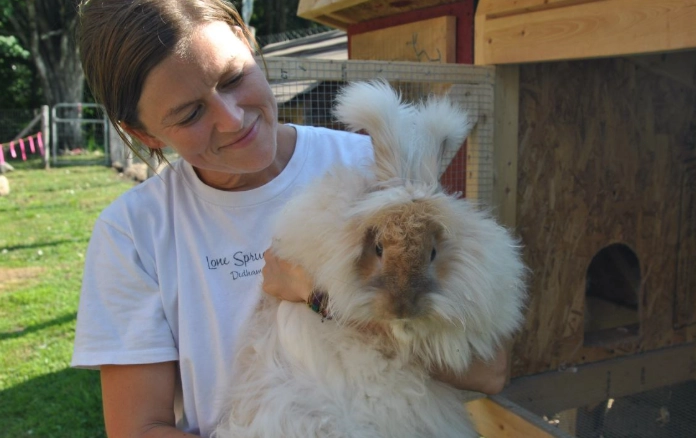
Social Behavior with Humans and Other Pets
They bond well with gentle owners. Loud noises or rough handling stress them out. As for other pets, introduce slowly. My Angora tolerated a calm cat, but dogs? Not a chance unless they're rabbit-savvy. The House Rabbit Society notes that rabbits are prey animals, so always supervise interactions.
Activity Levels and Space Needs
Don't expect them to play fetch. Angoras enjoy exploring a safe, bunny-proofed room for a few hours daily. A cage alone isn't enough—they need at least 12 square feet of space, plus exercise time. I made the mistake of keeping my first Angora in a hutch too long, and she developed boredom habits like chewing wires.
The Grooming Reality: Daily Work You Can't Skip
This is the deal-breaker. Angora wool grows continuously, matting easily. If you skip brushing for even two days, you'll have knots that hurt the bunny. I learned this the hard way when Fluffy got a mat near her skin—it took an hour to carefully cut it out, and she was miserable.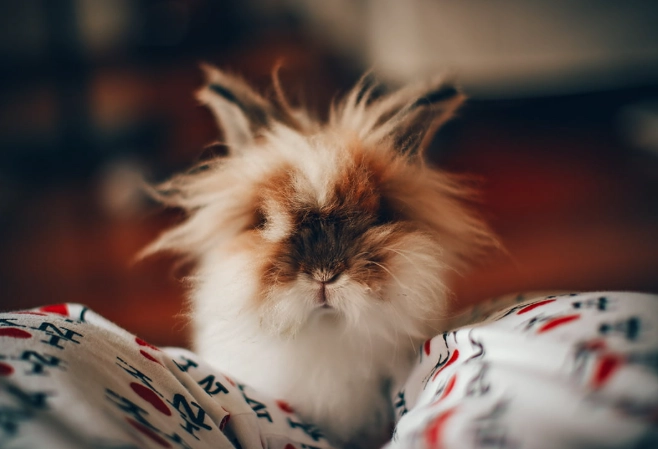
Daily Brushing Routine Step-by-Step
You need 15-20 minutes daily. Use a slicker brush and a metal comb. Start from the head, work backward, gentle strokes. Pay attention to behind the ears and under the legs—mats love those spots. Every few weeks, a full groom with scissors for trimming might be needed. I set a reminder on my phone; otherwise, I'd forget.
Essential Grooming Tools
- Slicker brush: For removing loose wool. Get one with fine bristles.
- Metal comb: To detangle mats. The longer teeth work best.
- Blunt-tip scissors: For safe trimming. Never use sharp ones near skin.
- Grooming table or non-slip mat: Makes the process easier. I use a cheap yoga mat.
Pro tip from a veteran: Most guides say brush daily, but they don't mention the wool season. In spring, Angoras shed heavily—you'll be brushing twice a day. I collect the wool and spin it into yarn, but that's a hobby on its own.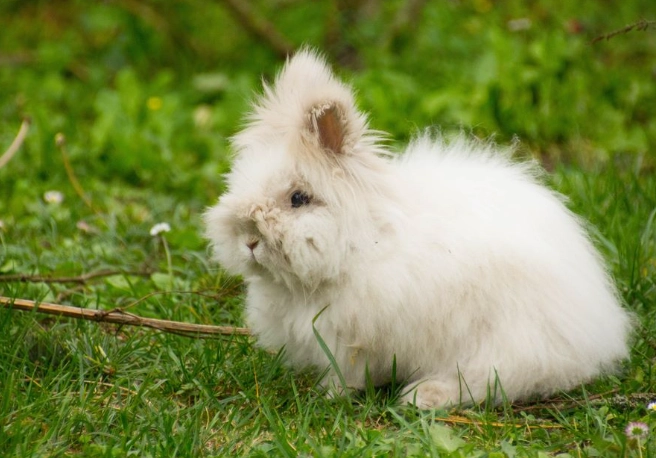
Health Risks Every Owner Must Know
Angoras are prone to specific issues. Wool block is the big one—they ingest hair during grooming, which can cause intestinal blockages. Symptoms include loss of appetite and small droppings. I've rushed Fluffy to the vet twice for this. It's scary and expensive.
Preventing Wool Block
Regular grooming reduces loose hair ingestion. Also, provide plenty of hay—timothy hay is best—to keep their gut moving. Some owners use hairball remedies, but check with a vet first. My vet recommended a teaspoon of pineapple juice weekly; it contains enzymes that help break down hair.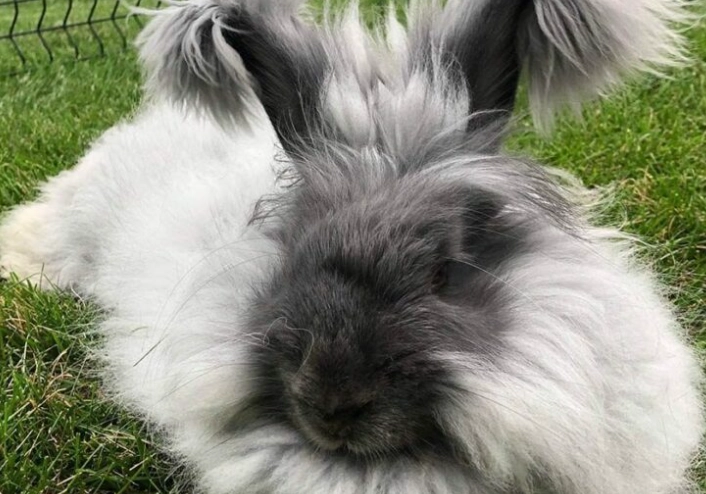
Common Health Problems
- Dental issues: Their teeth grow continuously. Give wooden toys to chew on.
- Heat stroke: That thick wool makes them overheat easily. Keep them in cool areas below 75°F.
- Flystrike: If wool gets dirty, flies lay eggs. Check their bottom daily.
Veterinary care isn't optional. Find an exotic pet vet before you get the bunny. A check-up costs around $50-$100, but emergencies can run into hundreds. The American Rabbit Breeders Association has a list of vets, but I just asked local rabbit rescues for recommendations.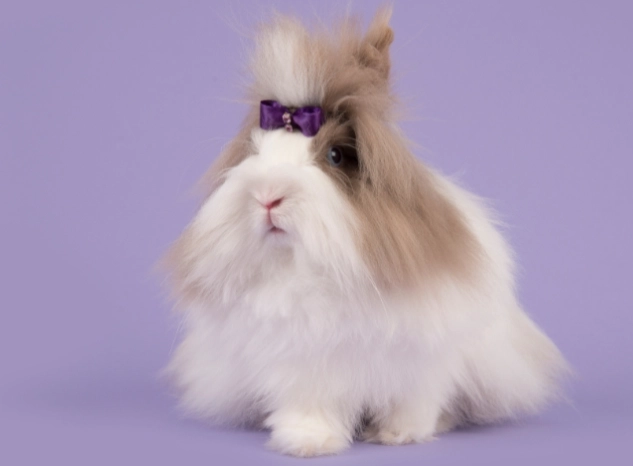
Cost Breakdown: Initial and Monthly Expenses
Let's talk money. Angoras aren't cheap. The bunny itself might cost $50-$200 from a breeder, but adoption is cheaper. However, the real expense is in care. Here's a table I put together based on my spending.
| Expense Type | Initial Cost (One-time) | Monthly Cost |
|---|---|---|
| Bunny Purchase/Adoption | $20-$200 | N/A |
| Cage & Setup | $100-$300 | N/A |
| Grooming Tools | $30-$80 | N/A |
| Food (Hay, Pellets, Veggies) | N/A | $40-$60 |
| Vet Care (Routine) | N/A | $20-$50 (savings for emergencies) |
| Miscellaneous (Toys, Bedding) | N/A | $15-$30 |
So, upfront, you're looking at $150-$600. Monthly, it's about $75-$140. And that's without surprises. Last year, Fluffy had a dental trim that cost $300. I wish I'd budgeted for that earlier.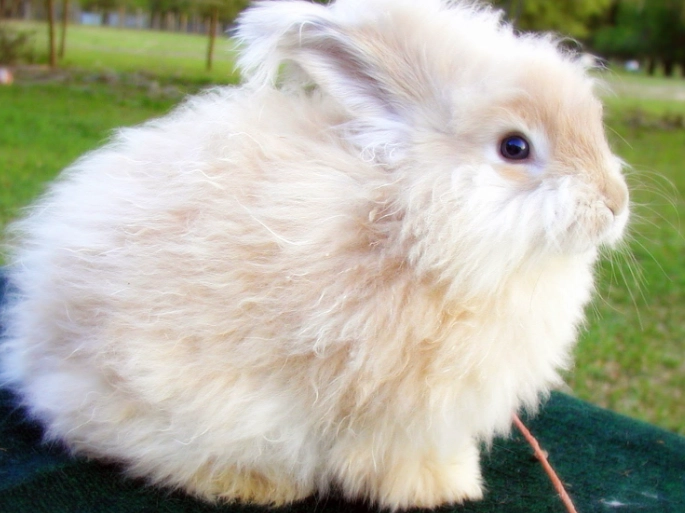
Who Should (and Shouldn't) Get an Angora
Angoras fit a niche. They're great for:
- Experienced rabbit owners: If you've had rabbits before, you know the drill.
- People with time: You need at least an hour daily for care and interaction.
- Fiber artists: Spinning their wool can be rewarding. My friend makes scarves from it.
- Quiet households: No young kids or loud pets.
They're a bad match for:
- First-time pet owners: Start with a short-haired breed like a Dutch rabbit.
- Busy professionals: Skipping grooming is cruel.
- Families with toddlers: Kids might pull the wool or scare the bunny.
- Those on a tight budget: Vet bills add up fast.
I once advised a neighbor against getting an Angora for her son's birthday. She got a hamster instead—much happier outcome.
Your Burning Questions Answered
Ultimately, Angora bunnies are rewarding for those willing to put in the work. They're not just pets; they're a commitment. If you're still interested, visit a local rescue to meet one—you'll see the grooming needs firsthand. And remember, adopting saves a life. My Fluffy was a rescue, and she's been worth every brush stroke.
Comment