If you've ever run your fingers through the fur of a Satin Angora rabbit, you know it's like touching silk. But that gorgeous coat comes with a catch—it demands serious work. I've kept Satin Angoras for over a decade, and let me tell you, the internet makes them sound easier than they are. Most guides gloss over the gritty details, like how a missed grooming session can turn into a vet emergency overnight. This isn't just another fluffy article; it's a straight-talk manual from someone who's made the mistakes so you don't have to. We'll dive into everything from daily brushing routines to the sneaky health issues nobody mentions, all tailored to the Satin Angora's unique needs.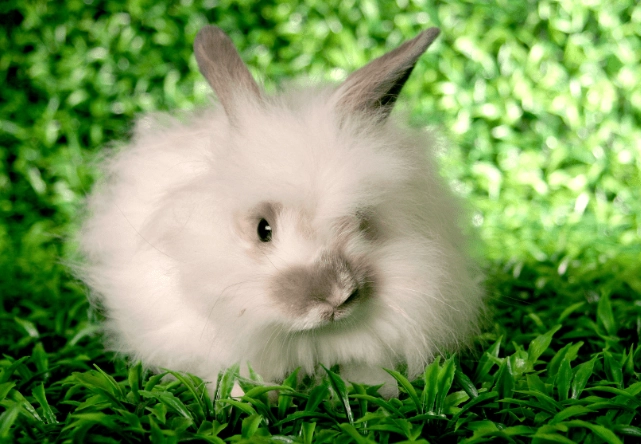
Jump to What Matters
What Makes Satin Angora Rabbits So Special?
First off, Satin Angoras aren't your average bunny. They're a hybrid—think Angora rabbit meets the satin gene. That gene gives their fur an incredible sheen and a finer texture compared to regular Angoras. According to the American Rabbit Breeders Association (ARBA), this breed is recognized for its distinct coat, which requires specific care. But here's the kicker: that satin coat mats faster than you'd believe. I once adopted a Satin Angora from a rescue, and its fur was so tangled it took weeks of gentle work to restore. It's not just about looks; neglect can lead to skin infections or worse.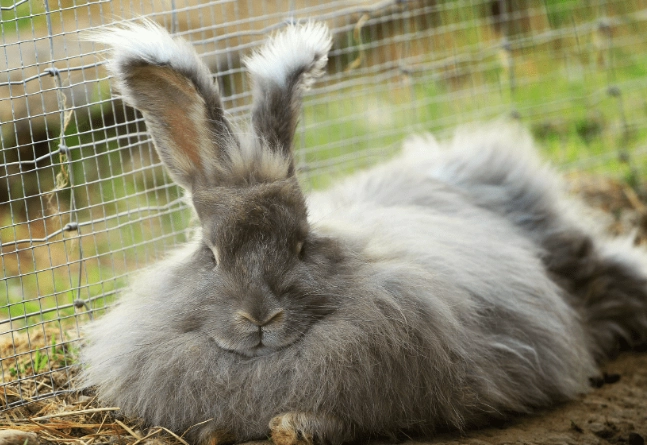
These rabbits are typically medium-sized, weighing 5 to 7 pounds, with a calm temperament. Perfect for indoors, right? Sure, but they're not low-maintenance. Their wool grows continuously, about an inch per month, so shedding isn't the issue—it's managing that growth. If you're after a pet for angora wool production, Satin Angoras yield less than other Angora types but with a premium sheen. That's a trade-off many new owners miss.
The Satin Gene: A Double-Edged Sword
The satin mutation affects the hair shaft, making it translucent and reflective. It's beautiful but more prone to breakage. I've seen rabbits with brittle fur from poor diet, and it's a nightmare to groom. You need a balanced approach: gentle handling and the right tools.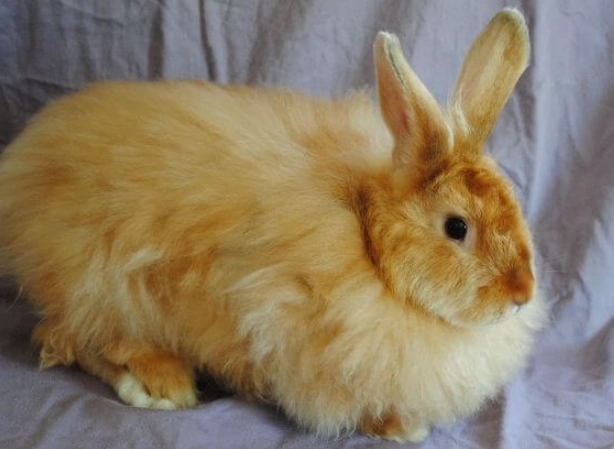
The Non-Negotiable Grooming Routine
Grooming a Satin Angora isn't optional; it's survival. Skip a day, and you're looking at mats that hurt the rabbit. I recommend a split routine: quick daily checks and a thorough weekly session. Here's my step-by-step method, honed from years of trial and error.
Essential Tools You Can't Skimp On: A slicker brush for detangling, a metal comb for fine work, grooming scissors with rounded tips (for safety), and a spray bottle with water or diluted conditioner. Avoid cheap brushes—they tug and cause stress.
Daily Quick Check (5-10 minutes)
Run your fingers through the fur, especially behind the ears, under the chin, and around the hindquarters. These are mat hotspots. If you feel a small knot, gently work it out with your fingers before it grows. I do this during evening cuddle time; it bonds us and keeps things manageable.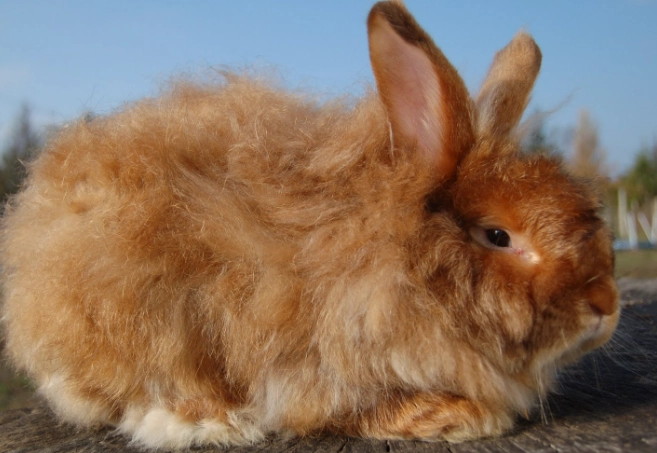
Weekly Deep Grooming (30-45 minutes)
- Start with a calm rabbit—offer a treat or do this after playtime when they're relaxed.
- Lightly mist the coat with water to reduce static and breakage.
- Use the slicker brush in sections, always brushing in the direction of hair growth. Never yank; if a mat is stubborn, apply a bit of cornstarch to loosen it.
- Follow up with the metal comb to catch any missed tangles.
- Trim only if necessary, like around the rear to prevent soiling. I learned the hard way after a rabbit got feces stuck in its wool—not fun to clean.
Some owners shave their Satin Angoras in summer, but I avoid it unless for health reasons. The coat regulates temperature, and shaving can cause stress. Instead, keep them in a cool, shaded area.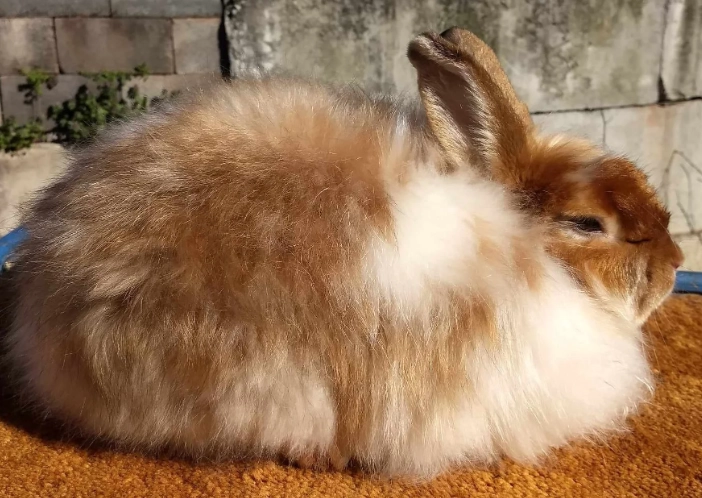
Feeding Your Satin Angora: Beyond Basic Pellets
Diet is where most guides fall short. Satin Angoras need more than just rabbit pellets; their wool production demands extra protein and fiber. A poor diet leads to dull fur and digestive issues like wool block, where ingested hair causes blockages.
| Food Type | Daily Amount | Notes |
|---|---|---|
| Timothy Hay | Unlimited | Essential for fiber and dental health. Avoid alfalfa for adults—too rich. |
| High-Quality Pellets | 1/4 cup per 5 lbs | Look for pellets with 16-18% protein and 18-20% fiber. Brands like Oxbow are reliable. |
| Fresh Vegetables | 1 cup per day | Dark leafy greens like kale or romaine. Introduce slowly to avoid gas. |
| Treats | Sparingly | Fruits like apple slices once a week. Too much sugar causes obesity. |
Water is critical—use a heavy bowl, not just a bottle, to encourage drinking. Dehydration worsens wool block. I add a pinch of probiotics to the water occasionally, especially during shedding seasons, to aid digestion. It's a trick I picked up from a vet specializing in exotic pets.
One mistake I made early on: overfeeding pellets. It led to weight gain and lethargy. Now, I measure everything and adjust based on activity level. A chubby rabbit is harder to groom and more prone to health problems.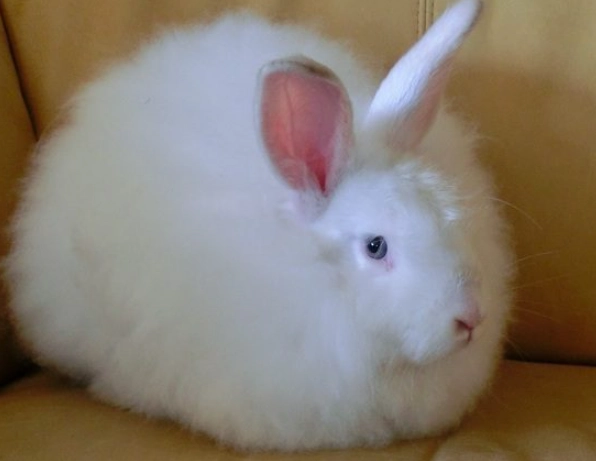
Health Pitfalls and How to Sidestep Them
Satin Angoras are generally hardy, but they have specific vulnerabilities. Wool block is the big one—it's silent and deadly. Symptoms include reduced appetite, small droppings, or lethargy. Prevention is key: regular grooming to minimize ingested fur and a high-fiber diet.
Other issues:
- Flystrike: Flies lay eggs in soiled fur. Keep the rear trimmed and clean. I check daily in warm weather.
- Dental Problems: Their teeth grow continuously. Provide plenty of hay and wooden chew toys. I lost a rabbit to dental disease because I didn't spot the signs early—now I do monthly mouth checks.
- Heat Stress: That thick coat is insulating. In temperatures above 80°F, use fans or cooling mats. Never leave them in direct sun.
Vet visits should be annual, but find one experienced with wool breeds. Standard vets might miss subtle signs. I drive an hour to a clinic that treats angora rabbits regularly; it's worth the trip.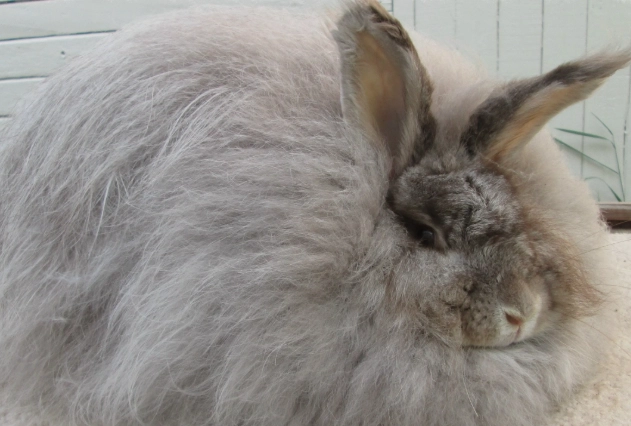
My Satin Angora Story: Wins and Woes
I got my first Satin Angora, Luna, as a birthday gift. Cute, right? I had no idea what I was in for. Within a month, her fur was a matted mess because I followed generic rabbit advice. Grooming felt like a chore, and she hated it. After a vet scare (a small skin infection from mats), I overhauled my approach.
I started bonding during grooming—talking softly, offering treats. It transformed the experience. Now, Luna hops onto my lap when she sees the brush. Another rabbit, Milo, had recurrent wool block until I switched to a higher-fiber pellet and added pineapple juice (contains enzymes that break down fur) to his diet occasionally. It's not a cure-all, but it helped.
The downside? Time. These rabbits demand hours each week. If you travel often, think twice. I hired a pet sitter once who didn't groom properly, and I came back to a nightmare. Now, I leave detailed instructions and video calls to check in.
On the bright side, the wool is amazing for crafting. I spin it into yarn—it's softer than cashmere. But that's a bonus, not the main reason to keep them.
Comment