You see them in fields, parks, and at the edge of woodlands—wild rabbits, constantly nibbling. Have you ever stopped to think about what exactly they're eating? It's not just random grass. Their diet is a finely tuned, seasonal buffet of wild plants, and understanding it is the single best thing you can do for your pet rabbit's health. For over a decade of keeping rabbits, I've seen the dramatic difference that shifting from a commercial-pellet mindset to a wild-diet-inspired one makes. It solves more problems than you'd think.
What's Inside This Guide
What Do Wild Rabbits Actually Eat? A Seasonal Breakdown
Forget the idea of a simple "grass-only" diet. A wild rabbit's menu changes with the weather, availability, and nutritional needs. They are selective foragers, not lawnmowers.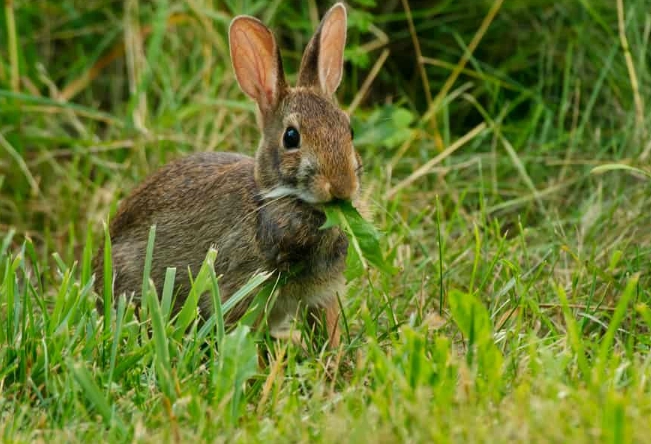
Spring & Summer: The Lush Buffet
This is prime time. The diet is diverse and moisture-rich.
- Grasses: Not just any grass. They prefer young, tender shoots of meadow grasses, timothy, and brome. The fiber is crucial for gut motility.
- Leafy Weeds & Herbs: This is the secret sauce. Dandelion greens (a powerhouse of calcium and vitamin A), plantain, chickweed, clover (leaves and flowers), and sow thistle. These are packed with micronutrients missing from standard hay.
- Bark & Twigs: Even in summer, they'll gnaw on young tree bark (like apple, willow) for fiber and to wear down teeth.
I remember watching a wild cottontail in my backyard. It bypassed the entire lawn, headed straight for a patch of clover and dandelions, and had a very deliberate meal. It was selective.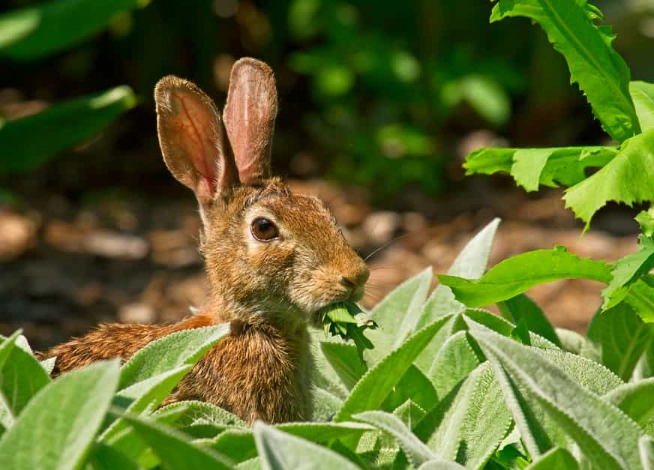
Fall & Winter: The Fibrous Survival Diet
As greens die back, the diet shifts dramatically to drier, woody fiber.
- Dried Grasses & Hay: What was green grass becomes standing hay—their primary winter food source.
- Bark, Buds, & Twigs: This becomes a major component. They strip bark from saplings and shrubs (raspberry, blackberry canes are favorites) and nibble on dormant buds.
- Evergreen Needles: In a pinch, they may eat pine or spruce needles for vitamin C and roughage.
Here's the Non-Consensus Bit Everyone Misses
The biggest error in pet care isn't lacking a specific plant; it's lacking dietary shift. We feed the same alfalfa pellets and romaine lettuce year-round. A wild rabbit's system is adapted to a spring-summer flush of moist, protein-rich greens and a fall-winter tightening on dry, abrasive fiber. Mimicking this seasonal ebb and flow—even slightly by offering more twigs in winter, more fresh herbs in summer—can prevent a lot of the "mysterious" stasis issues vets see in spring and fall.
The Big Mistake We Make with Pet Rabbit Diets
We've over-complicated it with bags of processed food. The standard diet of unlimited hay, a bowl of pellets, and a leaf of lettuce is a good start, but it's a static, impoverished version of the wild model. The pellet is the main culprit. It's a convenience food that often reduces foraging time and can be too rich in calories and calcium compared to the varied, lean forage of the wild.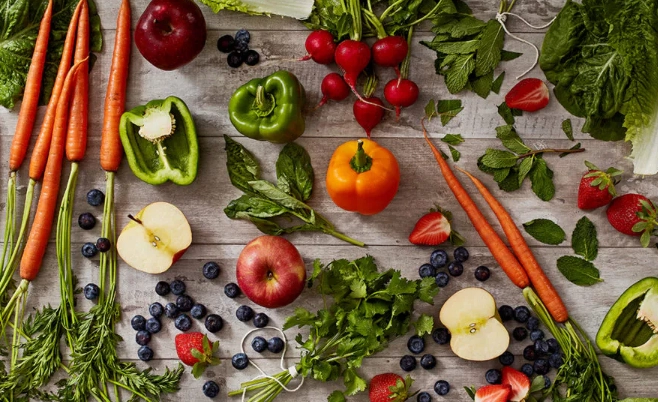
My rabbit Biscuit had chronic soft cecotropes (the sticky, smelly droppings they're supposed to re-eat). The vet said "just more hay." It wasn't until I drastically cut pellets and introduced a wider variety of wild-gathered plants like plantain and raspberry leaves that his digestion completely normalized. The problem wasn't fiber quantity, but fiber type and diet diversity.
How to Mimic a Wild Rabbit Diet for Your Pet Bunny
You don't need to let your bunny loose in a meadow. You can recreate the principles safely at home. Think of it as a pyramid.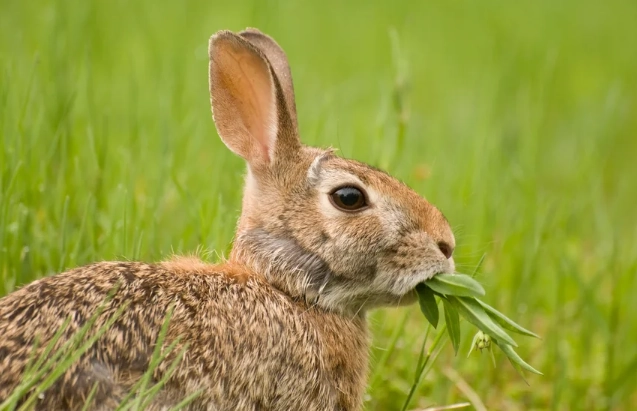
The Foundation: Hay is Non-Negotiable
This is your "standing winter grass." Timothy, orchard, or meadow hay should make up 80-90% of their intake. Not alfalfa for adult rabbits—it's too rich, like candy compared to wild grasses.
The Daily Greens & Herbs: Your "Foraged Leafy Weeds"
This is where you build diversity. Aim for at least 3 different types daily. Here's a practical table to shop or forage from:
| Plant (Readily Available) | Wild Equivalent | Key Benefit / Note |
|---|---|---|
| Romaine Lettuce | Moisture-rich broadleaf | Good base, low in nutrients. Don't rely solely on this. |
| Dandelion Greens (from chemical-free areas) | Dandelion | High in Vitamin A & Calcium. A true superfood. |
| Cilantro / Parsley | Various aromatic herbs | Great for enticing appetite, rich flavors. |
| Kale / Collard Greens | Hardy leafy greens | Nutrient-dense. Feed in rotation, not daily, to avoid oxalates. |
| Mint, Basil, Rosemary | Wild mint, aromatic herbs | Medicinal properties, aids digestion. |
| Carrot Tops | Wild carrot/Queen Anne's Lace foliage | Excellent fiber source. The best part of the carrot! |
A handful per 2 lbs of body weight daily is a good rule. Introduce new greens one at a time.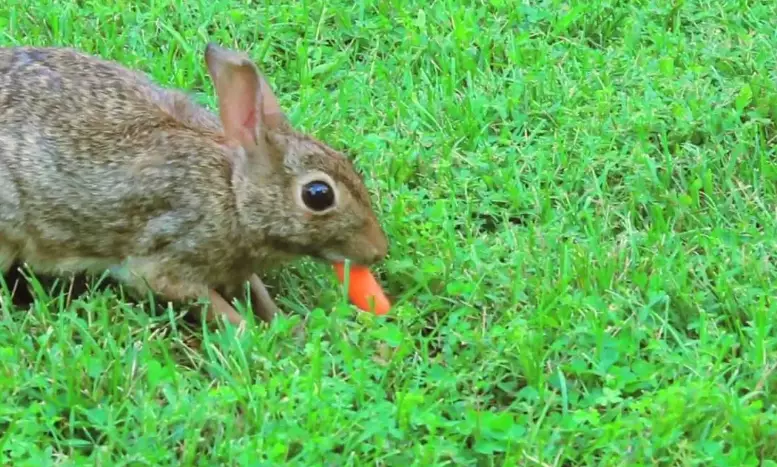
The Functional Additions: Twigs, Bark, & Flowers
This is the most overlooked layer. It provides mental stimulation, dental wear, and phytonutrients.
- Apple, Willow, Pear, Maple Twigs: Ensure they're from untreated trees. Wash and dry them. Offer a few several times a week.
- Dried Herbs: Raspberry leaf, blackberry leaf. You can buy these online. They have astringent properties good for gut health.
- Edible Flowers: Dried rose petals, marigold (calendula), hibiscus. A tiny sprinkle as a treat.
Pellets: The Controversial Supplement
If you use them, think of pellets as a vitamin supplement, not a main course. For a healthy adult rabbit on a diverse diet, a tablespoon per day of a high-fiber, timothy-based pellet is plenty. Many rabbits thrive on none at all. Organizations like the House Rabbit Society have guides on transitioning to a pellet-free diet.
Foraging & Plant Safety: What You Must Know
Foraging is rewarding but comes with responsibility.
Never forage from: Roadsides (car exhaust, runoff), areas sprayed with herbicides/pesticides (ask if it's a public park!), dog-walking areas, or where you can't 100% identify the plant.
Start with the easy, unmistakable ones: Dandelion (all parts are safe), plantain (the broadleaf weed, not the banana-like fruit), blackberry/raspberry leaves. Use a reputable foraging guide or app, and cross-reference with rabbit-safe plant lists from trusted sources like the RSPCA's wildlife guides.
Wash everything thoroughly in a vinegar-water solution.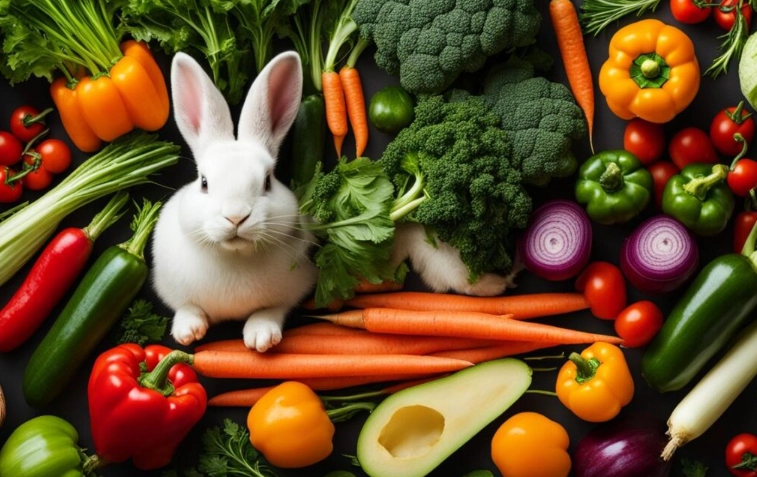
Your Questions Answered
It's not a direct swap. Store veggies lack the fibrous, tough structure of wild plants. You must increase the hay proportion significantly first. A sudden switch from pellets to just veggies will likely cause diarrhea. Transition slowly over 2-3 weeks, reducing pellets by 25% each week while slowly adding one new green at a time. The goal is to shift their gut microbiome to process roughage, not concentrates.
Pellets are rabbit junk food—addictive and easy. The key is patience and trickery. First, mix their favorite herbs (cilantro, dandelion) into their hay. Then, offer the new greens when they're hungriest, in the morning or evening. Reduce pellet quantity gradually—no cold turkey. You can also try rubbing a bit of banana (a tiny amount!) on a dandelion leaf to make it enticing. It might take months for a stubborn bunny, but it's worth it for their long-term health.
Absolutely. This is critical. Common ornamental plants are often toxic. Avoid anything from the nightshade family (tomato leaves, potato vines), rhubarb leaves, ivy, foxglove, lilies, and any bulb plant (tulip, daffodil). Also, buttercups and some ferns can be problematic. If you didn't plant it as food or don't recognize it, don't feed it. When in doubt, leave it out.
It attacks the problem from multiple angles. First, the constant chewing on varied fibrous textures keeps the gut muscle moving powerfully. Second, the diversity of plants supports a more resilient gut microbiome. Third, plants like raspberry leaf have mild astringent properties that can firm up cecotropes. Fourth, it reduces the risk of obesity from calorie-dense pellets, a major stasis trigger. It's not a magic bullet, but it builds a much more robust digestive system from the ground up.
Reader Comments