You've seen the pictures. A person cradling a rabbit the size of a small dog, with ears like satellite dishes and a face full of gentle curiosity. The Flemish Giant is the undisputed heavyweight champion of the rabbit world, and it's easy to be charmed. But here's the raw truth most enthusiast sites gloss over: owning one of these magnificent creatures is a commitment of a different magnitude. It's not just a bigger rabbit; it's a lifestyle overhaul. Before you fall in love with the idea, let's walk through the concrete, often underestimated challenges. I've cared for large breeds for years, and the surprises aren't always pleasant.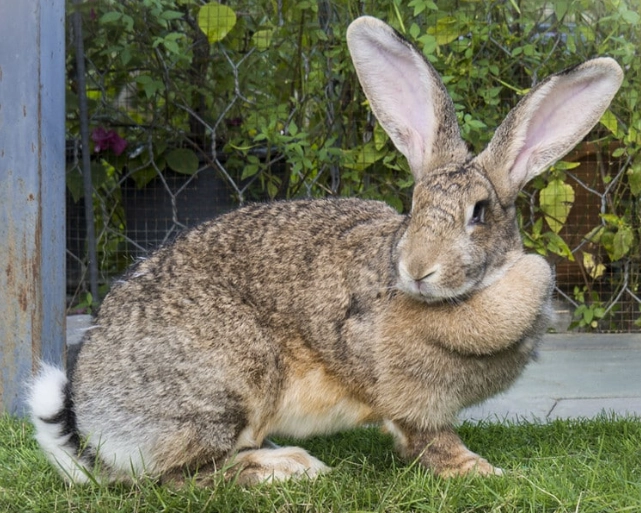
What You’ll Find Inside
The Biggest Challenge: Monumental Size and Space Needs
Let's be honest: size is the first and most obvious hurdle. But most people don't grasp what 15+ pounds of rabbit actually means in a living space.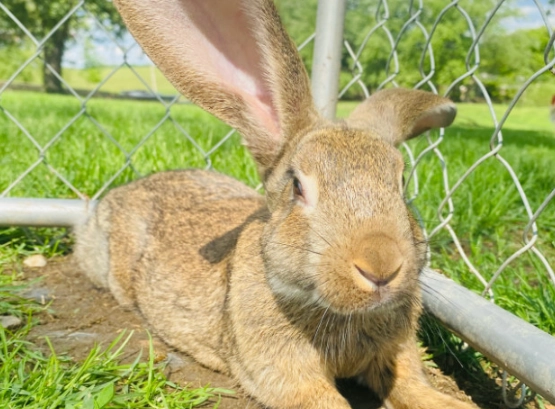
Think of the largest dog crate you can buy. Now imagine that as your rabbit's minimum resting area. The House Rabbit Society recommends a minimum of 24 square feet of enclosure space for giant breeds. That's a 6ft x 4ft pen. Not a cage—a pen. And that's just where they sleep and eat. They still need several hours of supervised, safe free-roam time in a larger, rabbit-proofed room every single day.
Rabbit-proofing for a Flemish Giant isn't about moving a few cables. It's about:
- Baseboard and drywall protection: Their chew is powerful. I've seen a bored giant neatly strip a 3-foot section of baseboard in an afternoon.
- Furniture fortification: They can and will move lighter furniture. That side table is a toy.
- Flooring: Hard floors can lead to sore hocks (more on that later). Rugs need to be non-slip and chew-resistant—a tall order.
Housing them outdoors is a whole other calculus. Their predator presence is higher because of their size, and they need a fortress-like hutch and run, not a cute wooden box.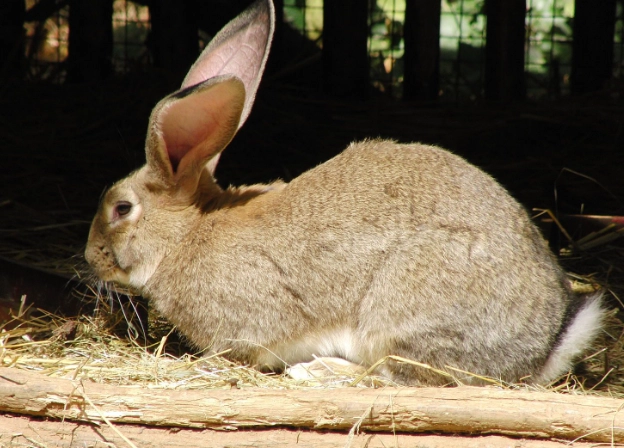
The Financial Reality: A Cost Breakdown That Scales Up
Everything costs more. It's simple math. Their appetite is proportional to their size.
Here’s a rough monthly breakdown that most care sheets don't provide:
Hay: A smaller rabbit might go through a 10lb box of Timothy hay in a month. A Flemish Giant can easily double or triple that. You're looking at a dedicated hay bale in the corner of your room.
Fresh Greens & Pellets: The daily salad bowl is more like a mixing bowl. A head of romaine is a snack. High-quality pellets formulated for giants are a must, and you go through bags quickly.
Litter & Bedding: Larger litter boxes (I use concrete mixing tubs) need more litter changed more frequently to manage odor and hygiene.
But the real budget-breaker is veterinary care. This is the non-negotiable, often shocking cost. Rabbit-savvy vets charge more for procedures on giants. Anesthesia is riskier and more carefully monitored. Medications are dosed by weight—a course of antibiotics for a 15lb rabbit costs significantly more than for a 4lb Netherland Dwarf. A routine spay or neuter can run $400-$800+ depending on your location. An emergency visit for GI stasis? Easily into the thousands.
You're not budgeting for a small pet. You're budgeting for a medium-sized dog with specialized exotic vet needs.
Health Considerations: When Bigger Means More Vulnerable
Their grand size brings specific health vulnerabilities. It's not that they're unhealthy, but their physiology presents unique risks.
Sore Hocks (Pododermatitis)
This is arguably the #1 health watchpoint. All that weight presses down on their foot pads. If they are on hard, wet, or wire flooring, the fur wears away, and painful, ulcerated sores develop. These get infected easily and are notoriously difficult to heal. Prevention is absolutely critical: deep, soft bedding everywhere, orthopedic mats, and limited time on hard floors.
Gastrointestinal (GI) Stasis
All rabbits are prone to GI stasis, but in a giant, the stakes are higher. Their digestive tract is longer, and a slowdown can become a life-threatening blockage more rapidly. The sheer amount of hay they need to keep things moving is immense. A giant off its food is a veterinary emergency, not a "wait-and-see" situation.
Joint Stress and Arthritis
Carrying that much weight can lead to early joint wear, especially if they are overweight (which is easy for them to become). You need to watch their diet meticulously and provide supportive, padded living areas to minimize impact.
Finding a vet who is not only rabbit-savvy but also comfortable and experienced with giants is a task in itself. Call around before you get the rabbit.
Behavior and Lifestyle Impacts: It’s Not All Snuggles
Personality-wise, they are often docile. But "docile" doesn't mean inactive or low-maintenance.
Their size translates to significant physical power. A playful binky can knock over a lamp. A scared thump vibrates through the floor. Picking them up is a two-handed, secure-lift operation—they can injure themselves or you if they kick out from a bad hold. Many giants actually prefer not to be carried at all; they are floor pets.
Their destructiveness potential is amplified. A determined chew on a table leg does real damage faster than you'd think. Their litter habits, while trainable, produce a larger volume of waste that needs diligent cleaning to keep odors at bay.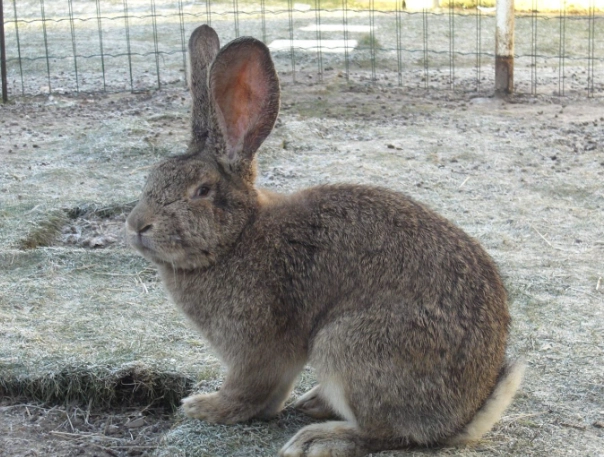
Then there's the lifespan. They live 8-10 years, sometimes longer. This is a decade-long commitment to all of the above: space, cost, and care. It affects your housing choices, your ability to travel (finding a sitter qualified for a giant is hard), and your daily routine.
Making the Right Choice: Is a Flemish Giant For You?
I'm not trying to scare everyone off. For the right person, a Flemish Giant is an incredibly rewarding companion. But the right person is rare.
Ask yourself these questions with brutal honesty:
- Do I have a permanent, dedicated room or large area I can convert to rabbit-safe space?
- Can I budget $100+ per month for food and supplies, and have a $1,000+ emergency vet fund at all times?
- Am I physically able to handle a strong, heavy animal and clean a large enclosure?
- Is my lifestyle stable for the next decade? Do I have a plan for vet care and pet-sitting?
If you hesitated on any of those, a smaller breed or even a different type of pet might be a better fit for your life right now. Adopting a giant because they look impressive is a fast track to burnout, a neglected animal, and a heartbreaking rehoming situation.
Consider fostering for a rabbit rescue first. It's the best way to get a real, hands-on understanding of the daily reality without the lifetime commitment.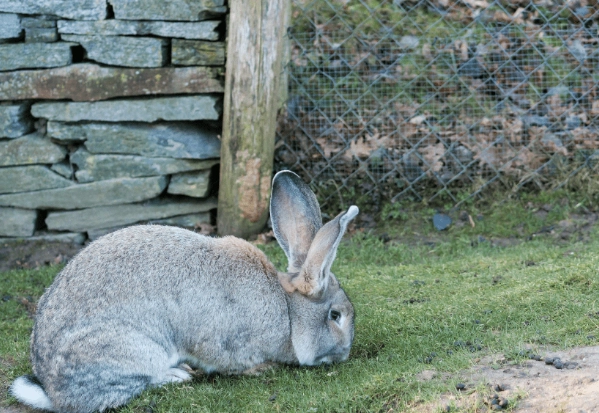
Comment