So you've got a Flemish Giant rabbit baby—or you're thinking about getting one. These gentle giants are amazing, but raising a kit comes with its own set of challenges. I've been around Flemish Giants for over a decade, and let me tell you, the baby phase is where most mistakes happen. It's not just about cuddling a fluffy ball; it's about setting them up for a healthy, happy life. In this guide, I'll walk you through the essentials, from diet to behavior, with some hard-earned insights you won't find in every care sheet.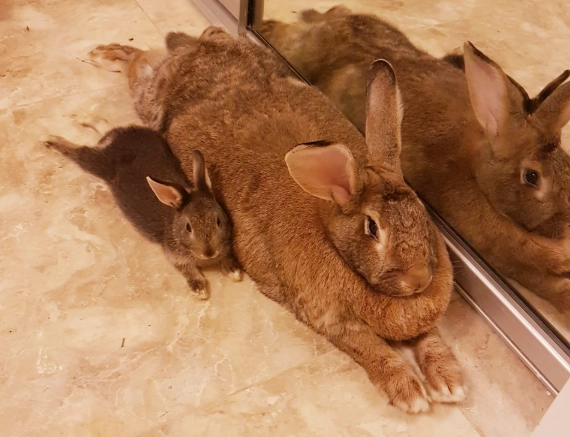
Jump to What Matters
What Makes Flemish Giant Babies Different?
Flemish Giant kits aren't just smaller versions of the adults. They grow fast—really fast. A newborn weighs around 4 ounces, but by 8 weeks, they can hit 5 pounds. That's like watching a puppy balloon in size. Their temperament is generally calm, but babies are more skittish. I remember my first kit, Benny, who'd hide under furniture for days. It's normal; they're prey animals. Socialization from day one is key, but don't force it. Unlike smaller breeds, their size means they need space early on. A cramped cage can stunt growth or cause stress.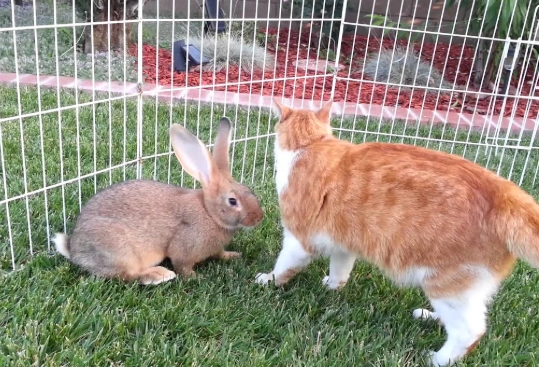
Another thing: their ears. Baby Flemish Giants have floppy ears that stand up over time. If they don't by 12 weeks, it might indicate a calcium issue, but usually, it's just genetics. Don't panic.
Size and Growth Rate: What to Expect
Here's a rough timeline based on my records and data from the House Rabbit Society:
| Age | Average Weight | Key Milestones |
|---|---|---|
| 0-2 weeks | 4-8 oz | Eyes open, starts nibbling hay |
| 2-8 weeks | 1-5 lbs | Weaning, litter training begins |
| 8-6 months | 5-12 lbs | Rapid growth, adult teeth come in |
| 6-12 months | 12-15+ lbs | Slows down, sexual maturity |
Notice how weight varies? It depends on genetics and diet. Overfeeding can lead to joint problems later—I've seen too many obese giants struggle with mobility.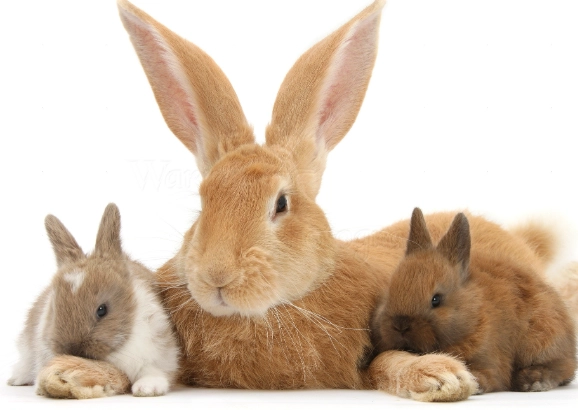
Setting Up the Perfect Home for Your Flemish Giant Kit
You can't skimp on space. A baby Flemish Giant needs a cage at least 4 feet by 2 feet, but bigger is always better. I recommend a puppy pen or a custom enclosure. Wire floors are a no-go; they cause sore hocks. Use solid flooring with bedding like aspen shavings or paper-based litter. Avoid cedar or pine—the oils can irritate their lungs.
Temperature matters. Kits are sensitive to heat and cold. Keep the area between 60-70°F (15-21°C). In summer, I use cooling tiles; in winter, extra hay for nesting. A hidey box is essential for security. Benny loved a cardboard box with two exits—it made him feel safe.
Choosing the Right Cage: A Common Mistake
Many owners buy a small cage, thinking it's temporary. But Flemish Giants grow so quickly that you'll need to upgrade in weeks. Save money by getting a large pen upfront. Look for ones with a minimum height of 24 inches to allow standing. If you're DIY-inclined, building a NIC cube grid enclosure works well—just ensure spacing is narrow to prevent escapes.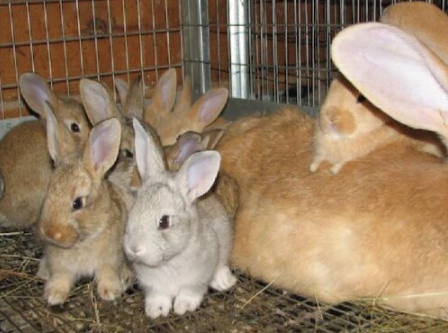
Pro tip: Place the cage in a quiet, low-traffic area initially. Loud noises can stress kits, leading to digestive issues. Gradually introduce household sounds over weeks.
Feeding Your Flemish Giant Baby: The Right Diet
Diet is where most owners mess up. A Flemish Giant kit has different needs than an adult. For the first 8 weeks, they rely on mother's milk or formula if orphaned. After weaning, around 4-6 weeks, introduce unlimited alfalfa hay. It's high in calcium and protein for growth. Pair this with high-quality pellets—about 1/4 cup per day. I use brands like Oxbow Young Rabbit Food, but check the ingredients: no seeds or colorful bits.
Fresh veggies come later. Wait until 12 weeks to introduce greens like romaine or cilantro. Start with a teaspoon daily to avoid diarrhea. Avoid fruits and sugary treats; they can disrupt gut flora. A common error is feeding too many pellets, which reduces hay consumption. Hay should be 80% of their diet—it keeps their teeth worn and digestion smooth.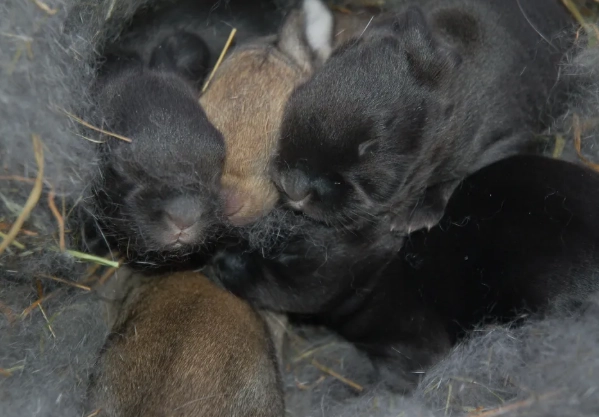
Foods to Avoid and Why
- Iceberg lettuce: It's mostly water, offers no nutrition, and can cause diarrhea.
- Avocado: Toxic to rabbits—even a small amount can be fatal.
- Grains or bread: Leads to obesity and GI stasis.
I learned this the hard way when a friend's kit got sick from sneaking cereal. Stick to simple, natural foods.
Health and Wellness for Flemish Giant Kits
Baby rabbits are fragile. Common issues include GI stasis, ear mites, and dental problems. GI stasis is silent killer—the gut slows down, often from stress or poor diet. Signs: small, hard droppings or none at all, lethargy. If you see this, vet immediately. Home remedies like simethicone can help early on, but don't delay.
Vet visits are non-negotiable. Find a rabbit-savvy vet—not all treat exotics. Schedule a check-up within the first week. Vaccinations depend on your region; in some areas, myxomatosis or RHDV2 shots are needed. Discuss with your vet. Spaying or neutering is recommended around 6 months to prevent hormonal behavior and cancer.
Spotting Early Signs of Illness
Watch for subtle changes. A healthy kit is curious and active. If they stop binkying (those joyful jumps), it's a red flag. Other signs: wet chin (indicating drooling from dental pain), sneezing, or hunched posture. I keep a health log for each rabbit—notes on appetite, droppings, and energy. It helps catch issues fast.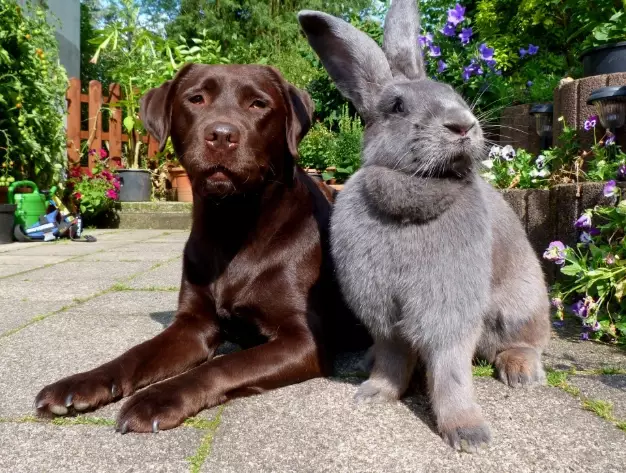
Grooming is simple but vital. Brush weekly to prevent matting, especially as their coat thickens. Nail trims every 3-4 weeks; long nails can cause sore hocks. Use a pet-safe nail clipper and have styptic powder on hand for accidents.
Behavior, Training, and Bonding with Your Baby Rabbit
Bonding takes patience. Flemish Giants are social but can be aloof as babies. Spend time sitting on the floor, letting them explore you. Offer treats from your palm—small pieces of hay-based treats work. Avoid picking them up too much; it can scare them. Instead, encourage climbing onto your lap.
Litter training is easier than you think. Place a litter box in a corner they naturally use. Use paper-based litter, not clay. Reward with a treat when they use it. Consistency is key; clean daily to reinforce the habit.
Training for handling: Start with short sessions, supporting their hindquarters. Never lift by the ears or scruff. I practice with a towel for security. Over time, they'll associate handling with positive experiences.
Personal story: My kit Luna was terrified of hands. I spent weeks just talking to her while she ate. Now, she nudges me for pets. It's about building trust, not dominance.
Frequently Asked Questions
Raising a Flemish Giant rabbit baby is a rewarding journey. It requires attention to detail, but the payoff—a healthy, bonded companion—is worth it. Remember, every kit is unique; adapt these tips to their personality. For more resources, check out the House Rabbit Society website—they have great care guides. Now, go enjoy that fluffy bundle!
Comment