You've seen the pictures. A person cradling a rabbit the size of a small dog. Those floppy ears, that gentle expression. It's easy to fall in love with the idea of a Flemish Giant. They're often described as "gentle giants," and for good reason. Their calm demeanor is legendary.
But here's the thing no one tells you upfront.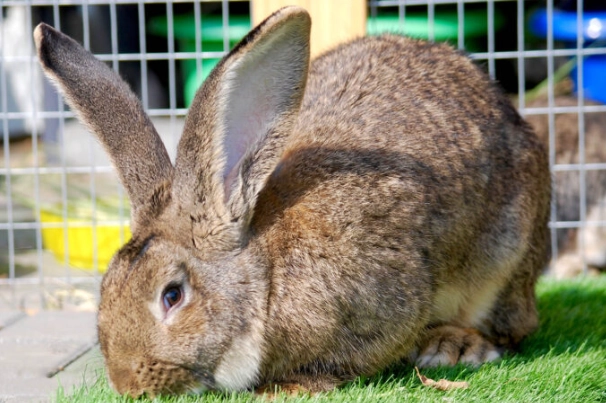
Owning a Flemish Giant is less like having a pet rabbit and more like committing to a small, hoppy horse. Their care, costs, and space requirements are on a completely different scale. If you're considering one, you need to go in with your eyes wide open.
What's Inside?
Housing & Space: The Non-Negotiable
Forget those standard rabbit cages you see at pet stores. They are laughably small for a Flemish Giant. We're not being dramatic here.
A minimum enclosure size for a single Flemish Giant is 24 square feet, but that's truly just the starting point. For example, a 6ft x 4ft pen (24 sq ft) allows them to hop a few times. They need room to run, jump, and play.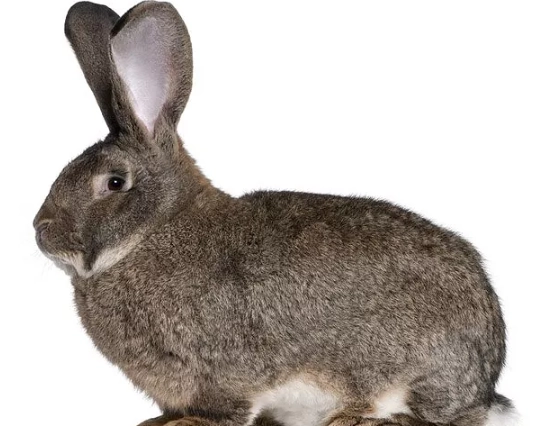
Many owners dedicate an entire room to their rabbit or use a large, partitioned section of a family room. Outdoor housing can be an option, but it requires a predator-proof shed or barn with a large attached run. They are vulnerable to temperature extremes; heatstroke is a major risk for these big rabbits.
Pro Tip: Flooring is Critical
Sore hocks (painful inflammation on the bottom of their feet) is a common issue. Wire flooring is an absolute no-go. Provide thick, soft bedding like horse stall mats, fleece blankets, or a deep layer of straw over solid flooring.
The Diet of a Giant
Their size means their appetite is equally impressive. The foundation of their diet is unlimited, high-quality grass hay (timothy, orchard, meadow). A Flemish Giant can easily go through a bale of hay every month.
Pellets should be limited to prevent obesity. A general guideline is 1/4 cup of plain timothy pellets per 5 lbs of body weight daily. That means a 15lb rabbit gets about 3/4 cup. Fresh vegetables are essential for variety and nutrients.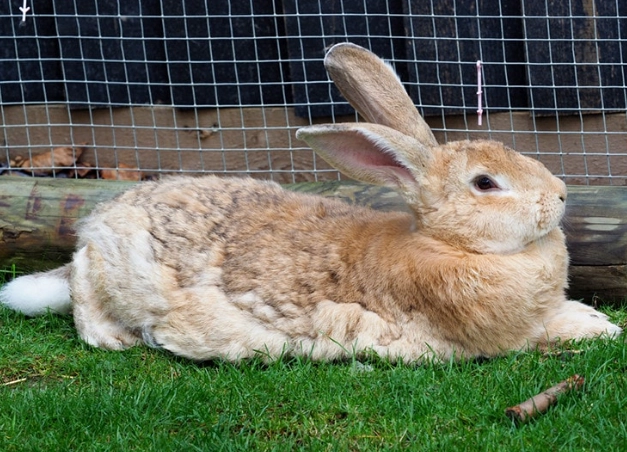
| Food Item | Quantity | Notes |
|---|---|---|
| Timothy Hay | Unlimited | Should constitute 80-90% of their diet |
| Timothy Pellets | 3/4 cup | Measured, not free-fed |
| Fresh Vegetables | 2 cups | Dark leafy greens (romaine, kale, herbs) |
| Treats (Fruit) | 1-2 tbsp | Occasional, high in sugar |
Fresh water must always be available. A large bowl is better than a bottle as it allows them to drink naturally and sufficiently.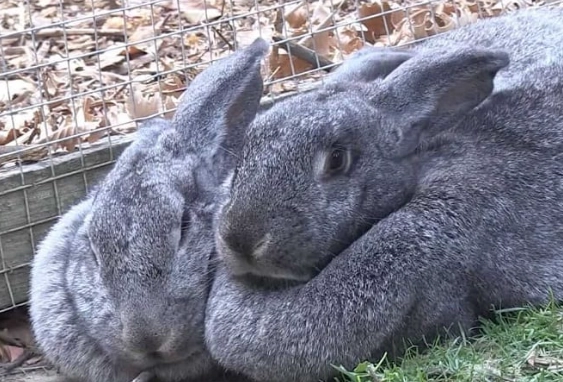
Health & Wellness
Finding a vet experienced with giant rabbits is crucial. Not all exotic vets are comfortable with their size and specific needs.
Common Health Issues
Sore Hocks (Pododermatitis): As mentioned, their weight puts pressure on their feet. Regular inspection of their foot pads is necessary.
Gastrointestinal Stasis (GI Stasis): A deadly condition where their gut slows down or stops. Lack of hay, stress, or pain can trigger it. Know the signs: small or no poops, lethargy, loss of appetite.
Obesity: Too many pellets or treats can quickly lead to weight gain, putting further strain on their joints and heart.
Grooming Needs
They shed a lot. Weekly brushing is a must, increasing to daily during heavy shedding seasons to prevent hairballs. Their nails grow quickly and need trimming every 4-6 weeks.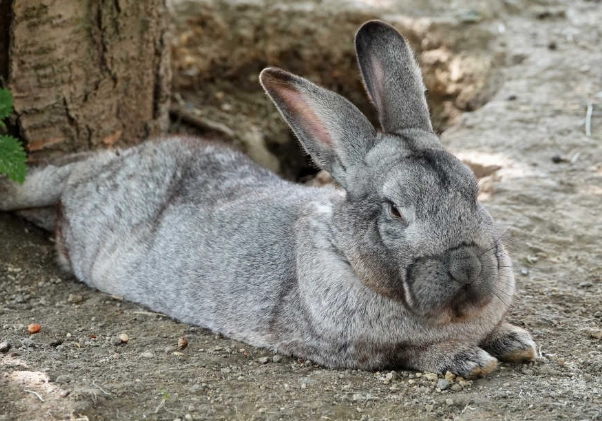
Behavior & Companionship
Their temperament is generally docile and friendly, but they are still rabbits with rabbit instincts. They can be litter-trained relatively easily.
One of the biggest mistakes owners make is keeping a Flemish Giant alone. They are social creatures. The best companion for a rabbit is another spayed/neutered rabbit. A bonded pair provides constant companionship, grooming, and play.
Human interaction is important, but it can't replace a rabbit friend. A lonely rabbit is more likely to become depressed, withdrawn, or destructive.
The Real Costs: A Breakdown
Initial Setup Costs (Approximate)
Large enclosure/pen: $200-$400
Litter boxes (multiple): $30-$50
Food bowls, water bowl: $20-$30
Toys, hideouts: $50-$100
Total: $300-$580+
Monthly Recurring Costs
Hay (large bale): $40-$60
Pellets: $15-$20
Fresh Vegetables: $20-$30
Bedding (if used): $20-$30
Total: $95-$140+
Annual/Variable Costs
Vet check-ups (2x/year): $100-$200 each visit
Emergency vet fund: At least $500
Toys, replacement items: $50-$100
As you can see, the financial commitment is significant. You are not just buying a rabbit; you are budgeting for a large, exotic animal.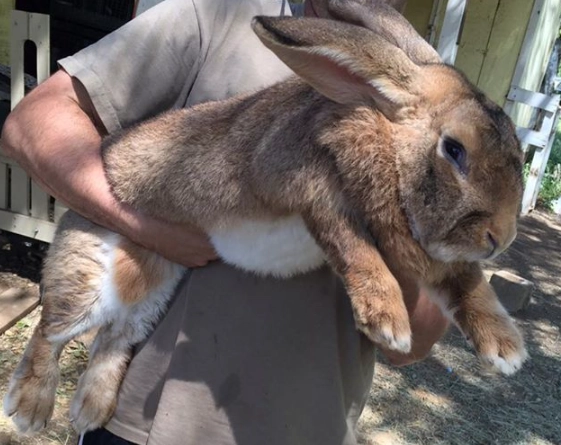
Your Questions Answered
Owning a Flemish Giant is a remarkable experience. They are intelligent, affectionate animals with distinct personalities. But that experience comes with immense responsibility. It's a commitment of space, time, and money that dwarfs that of a standard rabbit.
If you can provide that, you'll be rewarded with a truly gentle giant. If not, there are many wonderful smaller rabbits in shelters waiting for a loving home.
Comment