So you’re thinking about a Flemish Giant, or maybe you already have one thumping around your living room. The first thing everyone asks is, “How big do they actually get?” It’s not just curiosity. A Flemish Giant’s weight is the single most important number for its health. Get it wrong, and you’re looking at joint pain, heart strain, and a shorter life. Get it right, and you have a happy, gentle giant for years.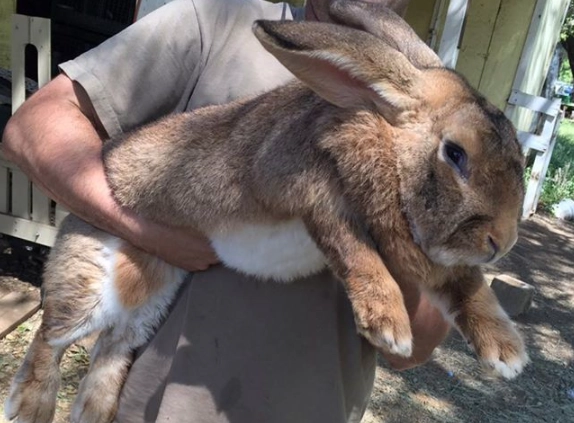
In This Article
Flemish Giant Weight Ranges by Age
Forget the “bigger is always better” mentality. A healthy Flemish Giant has a range, and where your bunny falls depends on genetics and sex. Bucks (males) are typically heavier and blockier, while does (females) are often longer but slightly lighter. The American Rabbit Breeders Association (ARBA) standard lists a minimum weight of 13 pounds for seniors (over 6 months), with no upper limit, but the realistic, healthy range for most adults is 13 to 22 pounds.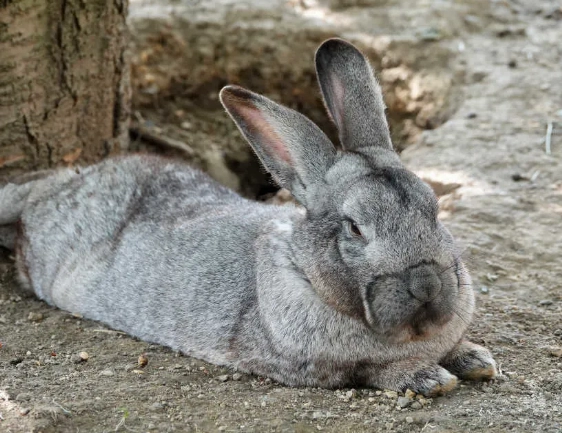
Here’s a breakdown of what you can expect as they grow. Remember, these are averages—your rabbit might be a week or two ahead or behind.
| Age | Average Weight Range | What's Happening |
|---|---|---|
| 8 Weeks | 3 - 5 lbs | Weaning stage. They look like regular rabbit adults already. |
| 3 Months | 5 - 7 lbs | Rapid growth phase. Eats constantly. |
| 6 Months | 9 - 12 lbs | Reaching sexual maturity. Growth starts to slow. |
| 1 Year | 13 - 18 lbs | Considered an adult. Most skeletal growth is complete. |
| 1.5 Years+ | 13 - 22+ lbs | Fully mature. May still fill out with muscle. |
I’ve seen people get worried if their 6-month-old is “only” 10 pounds. That’s perfectly fine. The problem is when a rabbit is significantly below the low end of the range without a clear reason (like being the runt of a large litter).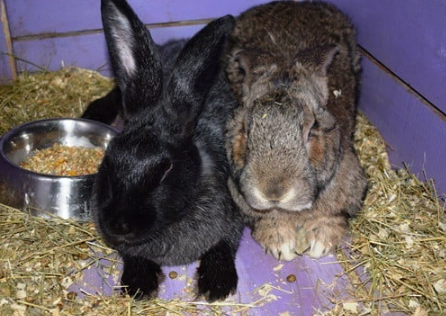
What Really Affects Their Size?
It’s not just food. Four main factors decide whether your Flemish Giant hits a lean 15 pounds or a hefty 20.
1. Genetics (The Blueprint)
This is the biggest one. A rabbit from champion bloodlines bred for massive size will naturally be heavier than a pet-quality bunny. If you’re buying from a breeder, ask about the parents’ weights. It’s the best predictor.
2. Diet (The Fuel)
This is where most owners mess up. A growing Flemish Giant needs unlimited alfalfa hay and pellets for the first 6-7 months to support bone development. After that, you must switch to grass hay (timothy, orchard) and limit pellets. Continuing alfalfa into adulthood is a surefire path to obesity. Vegetables should be introduced slowly and make up about 2 cups per 6 lbs of body weight daily for an adult.
3. Exercise (The Non-Negotiable)
This is the secret nobody talks about enough. A Flemish Giant’s frame is built for movement. Confine them to a standard cage, and they’ll get fat and develop sore hocks. They need a minimum of 4 hours in a large, safe space every single day. I’m talking a puppy pen, a whole room, or a secure outdoor run. Their weight management depends on it.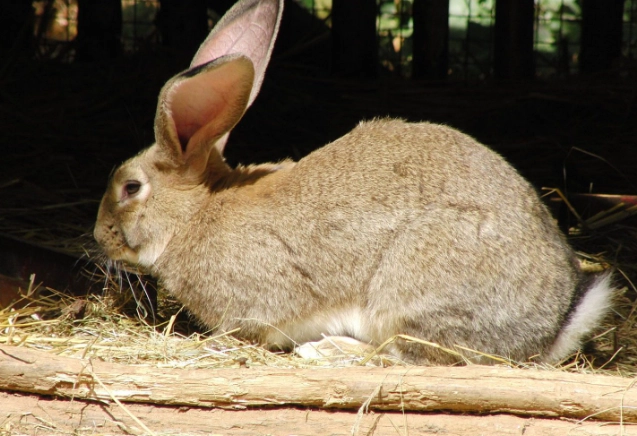
4. Health (The Foundation)
Parasites, dental issues (malocclusion), or underlying infections can cause a rabbit to lose weight or fail to gain. A sudden drop in weight is a red flag requiring an immediate vet visit.
How to Monitor & Maintain a Healthy Weight
You need two tools: a scale and your hands.
The Scale: Weigh your rabbit monthly. Use a digital kitchen scale for babies and a pet scale or hold-your-rabbit-and-subtract-your-own-weight method for adults. Keep a log. A gradual upward trend in an adult is a warning sign.
Your Hands (Body Condition Scoring): This is more important than the number. Feel along the ribs. You should be able to feel them easily with a slight fat covering, like the back of your hand. If you have to press hard, they’re overweight. If they feel sharp with no padding, they’re underweight. Look from above: there should be a slight hourglass shape behind the ribs. From the side, the belly should tuck up, not sag down.
Let’s be honest. Most pet Flemish Giants lean toward being overweight. It’s easier to overfeed than to provide enough space.
Common Weight Problems & Solutions
Problem: Underweight or Stunted Growth
Possible Causes: Inadequate nutrition during growth phase (not enough pellets/hay), parasites (coccidia, worms), dental pain, competition with littermates, or simply being the runt.
Solution: First, a vet check to rule out illness. Ensure unlimited alfalfa hay and quality pellets until 7 months. For a skinny adult, increase pellet portion slightly and add calorie-dense veggies like grated carrot or a bit of rolled oats.
Problem: Overweight and Obesity
Possible Causes: The classic trio: too many pellets, the wrong hay (alfalfa for adults), and not enough space to run. Treats like bananas, bread, or yogurt drops are major culprits.
Solution: This requires a gentle, steady approach. Cut pellets by 25%. Switch to grass hay exclusively. Eliminate sugary treats. Most crucially, double down on exercise. Create a fun space with tunnels and boxes to encourage movement. Weight loss should be very slow to avoid hepatic lipidosis (a fatal liver condition).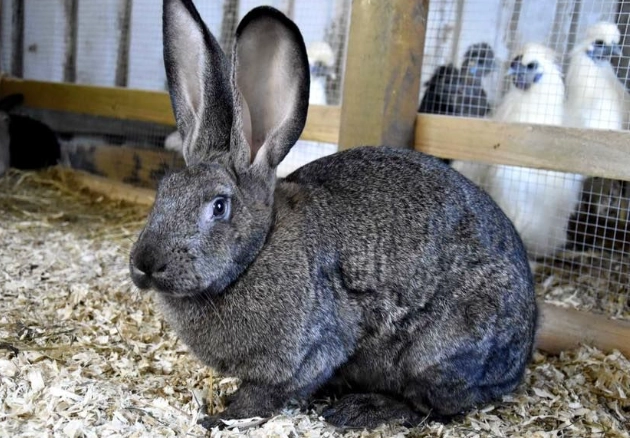
I once consulted for a Flemish Giant named Gus who was 24 pounds and barely moving. His diet was “a bowl of pellets” daily. We cut pellets to 1/4 cup, gave him a room to roam, and in six months, he was a playful 18 pounds. The change was incredible.
Your Weight Questions Answered
Tracking your Flemish Giant’s weight isn’t about hitting a record number. It’s about ensuring a long, mobile, and comfortable life for a creature that depends entirely on you for its well-being. Focus on the body condition, not just the pounds. Provide the space. Choose the right fuel. You’ll be rewarded with a magnificent, healthy companion whose size is matched only by its personality.
Comment