So you're thinking about welcoming a Flemish Giant into your home, or maybe you already have one of these gentle giants thumping around. One of the first questions that pops up is, "How long do these massive bunnies actually live?" You might have heard a range from 5 to 10 years, which is a huge gap. The truth about Flemish Giant rabbit lifespan isn't just a single number—it's a story written by genetics, care, and a handful of critical decisions you make as an owner. I've seen too many of these magnificent rabbits fall short of their potential simply because their size was misunderstood as sturdiness, when in fact, it demands more precise care.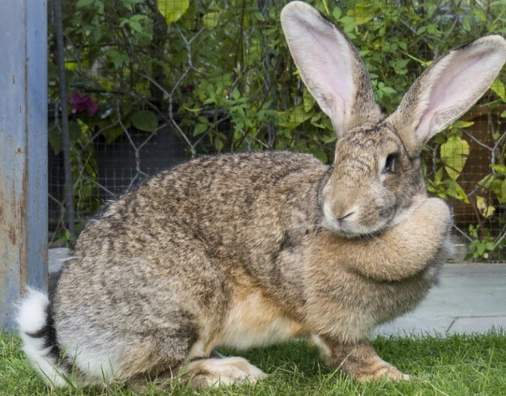
What's Inside This Guide?
What is the Average Lifespan of a Flemish Giant Rabbit?
Let's cut to the chase. The commonly cited average lifespan for a Flemish Giant rabbit is 8 to 10 years. But that "average" hides a lot. In my experience, it's more of a spectrum heavily influenced by care quality.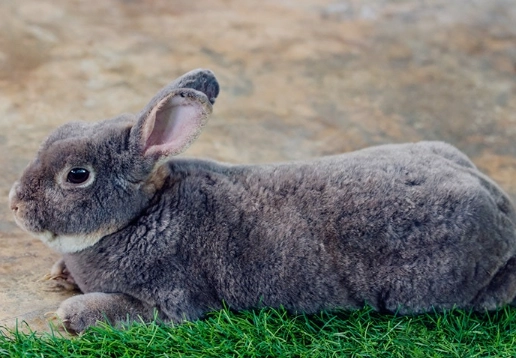
With basic, textbook care (a decent cage, hay, pellets, occasional vet visits), you might see 5 to 7 years. But with proactive, giant-breed-optimized care—the kind that addresses their specific needs—hitting 8, 9, or even 10 years is a realistic and achievable goal. I've known several in the 10+ year club, and the common thread was always an owner who went beyond the basics.
It's useful to see how they compare. Generally, larger rabbit breeds have slightly shorter average lifespans than smaller ones, likely due to the increased strain on their joints and organs. But a well-cared-for giant can easily outlive a neglected dwarf.
| Rabbit Size Category | Example Breeds | Typical Lifespan Range |
|---|---|---|
| Giant | Flemish Giant, Continental Giant | 5 - 10 years |
| Large/Medium | Rex, Lop | 7 - 10 years |
| Small/Dwarf | Netherland Dwarf, Mini Rex | 8 - 12 years |
The takeaway? Don't let the "giant" label make you think they're inherently less fragile. Their lifespan potential is excellent, but it's not automatic.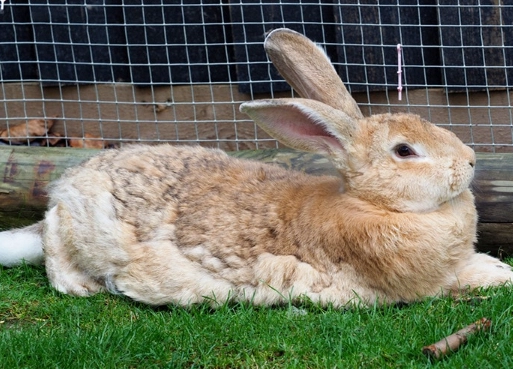
Key Factors That Determine Your Flemish Giant's Lifespan
Thinking of lifespan as a scorecard is helpful. Genetics deal the initial hand, but how you play the cards—these factors—determines the final score.
Diet & Nutrition: The Foundation
This is where many owners, even well-meaning ones, make a subtle mistake. They see a big rabbit and think it needs more pellets. Wrong. A Flemish Giant's diet should be overwhelmingly hay—unlimited, fresh grass hay like Timothy or Orchard Grass. Their digestive systems are engineered for constant fiber intake. Pellets are a supplement, not a main course. Just 1/4 cup per 5 lbs of body weight is plenty. Overfeeding pellets leads to obesity, which is a massive burden on their large frame and a fast track to arthritis and heart issues.
Fresh greens are vital, but introduce them slowly. And treats? A blueberry or an apple slice is a feast, not a daily right.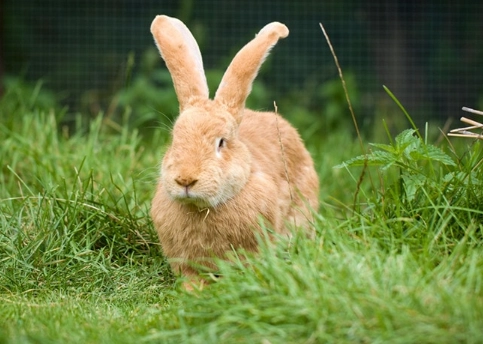
Pro Tip: Feel their spine and ribs. You should be able to feel them easily under a thin layer of flesh, like the back of your hand. If you have to press, they're overweight. That extra pound on a Flemish Giant is like 20 pounds on a person.
Housing & Environment: Space is Everything
A standard rabbit cage is a prison for a Flemish Giant. Period. Chronic confinement causes muscle wasting, osteoporosis, and depression. They need room to run, hop (they can cover 6 feet in one bound), and stretch out fully. An exercise pen (x-pen) or a dedicated, bunny-proofed room is the minimum. Wire cage floors are a nightmare for their large feet, leading to painful sore hocks (pododermatitis). Solid flooring with thick, soft bedding is non-negotiable.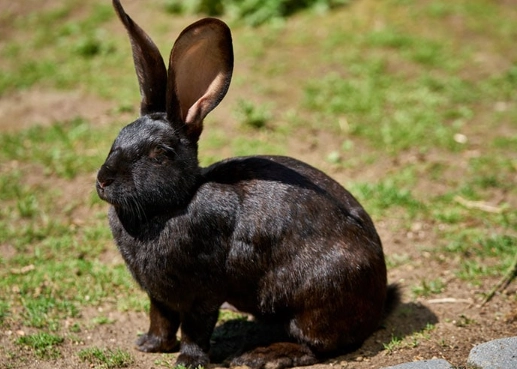
Medical Care: Prevention Over Reaction
Finding a vet experienced with giant rabbits is crucial. Annual check-ups are mandatory, not optional. As they age, bi-annual checks become important. Two medical interventions are lifespan game-changers:
Spaying/Neutering: This is the big one. For females, the risk of uterine cancer is astronomically high—over 80% by age 6. Spaying eliminates that risk. For males, it reduces cancer risk and aggression, lowering stress. Do it.
Dental Care: Their teeth never stop growing. A diet poor in hay leads to malocclusion (misaligned teeth), which can prevent eating and cause abscesses. Your vet should check their teeth at every visit.
Stress & Mental Wellbeing: The Silent Killer
Rabbits are prey animals, and chronic stress suppresses their immune system. Loud noises, predatory pets (like dogs staring), lack of hiding spots, or loneliness are huge stressors. A bonded rabbit companion is one of the best longevity gifts you can give them. A lonely rabbit is often an unhealthy rabbit.
Actionable Care Guide to Maximize Your Flemish Giant's Lifespan
Let's translate those factors into a daily and weekly routine. This is the blueprint.
The Daily & Weekly Checklist
Every Day: Refill unlimited hay. Provide fresh water (in a heavy bowl, not just a bottle). Offer a hearty handful of leafy greens. Spend time interacting with them on the floor. Check for any changes in eating, drinking, or poop output.
Every Week: Deep clean their litter box and living area. Weigh them (a kitchen scale works). Do a quick health check: eyes clear? Nose dry? Bottom clean? Fur shiny? Move joints freely? Groom them, especially during shedding seasons to prevent hairballs.
Senior Giant Care (Age 6+)
As they enter their golden years, adjustments are needed. Arthritis is common. Provide extra-soft bedding, low-entry litter boxes, and ramps. They may drink more, so watch water intake. Appetite can wane—try different hays or soak pellets. Increase vet visits to every 6 months for blood work to catch kidney or liver issues early. Their mobility will decrease, so keep everything they need within easy reach.
The goal isn't just keeping them alive, but ensuring their quality of life remains high.
Your Flemish Giant Lifespan Questions Answered
Does spaying/neutering really affect a Flemish Giant's lifespan?
It's one of the most impactful decisions you can make. For females, the risk of uterine cancer is staggeringly high in intact rabbits, estimated at over 50% by age 4 and up to 80% by age 6. Spaying eliminates that risk entirely. For males, neutering reduces territorial aggression and urine spraying, which lowers chronic stress—a known lifespan shortener. It also prevents testicular cancer. The procedure is safest when done by an experienced exotics vet on a young, healthy rabbit.
What specific foods should I feed to maximize my Flemish Giant's lifespan?
Think of their diet as a pyramid. The massive base (80-85%) should be unlimited, high-quality grass hay like Timothy or Orchard Grass. This is non-negotiable for gut motility and dental wear. Next, a daily fist-sized portion of dark, leafy greens (romaine, kale, herbs). Pellets are a supplement, not a staple—just 1/4 cup per 5 lbs of body weight of a plain, high-fiber pellet. The tiny tip of the pyramid is for treats: a blueberry or a slice of apple once or twice a week. Avoid sugary treats, seeds, nuts, and most human foods completely.
I've heard big rabbits have more health problems. Is a 5-year lifespan normal for a Flemish Giant?
While giant breeds can be prone to certain issues like arthritis or heart strain, a lifespan of only 5 years is on the lower end and often points to preventable care gaps. With proactive, breed-specific care, many Flemish Giants reach 8-10 years. The shorter lifespan often stems from improper housing (too small, wire floors causing sore hocks), a poor diet leading to GI stasis, or lack of preventative vet care. It's a misconception that their size alone dictates a short life; their care requirements are just amplified.
Ultimately, the lifespan of your Flemish Giant rabbit is a partnership. Their gentle nature and impressive size are a joy, but they come with a responsibility to understand their unique needs. It's not about complicated science; it's about consistent, informed care focused on prevention. Provide the space, the right food, the veterinary partnership, and the companionship they need. Do that, and you're not just hoping for a long life—you're actively building one, year after wonderful year.
Comment