You see a photo of a Velveteen Lop. It's a rabbit that looks like it walked out of a children's storybook—long, floppy ears, a dense, plush coat, and a gentle, rounded body. It's easy to fall for the image. But sharing your life with this particular breed is a specific, often demanding, kind of rabbit ownership. It's not for everyone, and that's okay. I've kept rabbits for over a decade, and my experience with a Velveteen Lop named Mochi taught me more about dedicated care than any other pet.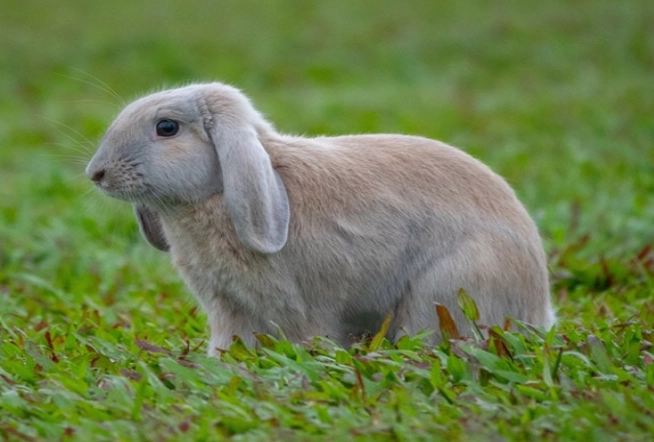
This guide isn't just a list of facts. It's a deep dive into what it actually means to live with a Velveteen Lop. We'll talk about the daily reality of that gorgeous fur, the space they truly need, their unique personality quirks, and the health issues you need to watch for from day one.
What You'll Find Inside
What Exactly Is a Velveteen Lop?
The Velveteen Lop is a man-made breed, a relatively recent creation in the rabbit world. Breeder Virginia M. Hindenlang worked for years to develop it, aiming for a long-coated, mandolin-shaped rabbit with the signature lop ears. The breed was officially recognized by the American Rabbit Breeders Association (ARBA) in 2019, making it one of the newest recognized breeds.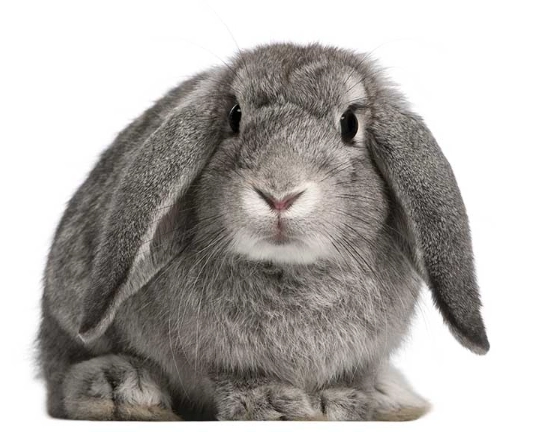
They are a medium-to-large rabbit. The ARBA standard calls for an ideal weight of 5 to 6.5 pounds, but many pet-quality Velveteen Lops can reach 7 or even 8 pounds. Their most striking feature is the "mandolin" body shape—a deep, rounded arch from the shoulders down to the hips, unlike the compact cylinder of a Netherland Dwarf or the commercial shape of a Flemish Giant.
Breed Snapshot: A "designer" breed combining the long, plush fur of an English Angora (but without the extreme wooliness), the body shape of a Mini Satin, and the lop ears of a Holland Lop. They are considered a rare breed, so finding a reputable breeder requires patience and research. You won't typically find them in shelters, but it's always worth checking rabbit-specific rescues.
Velveteen Lop Personality: Calm Companion or Couch Potato?
General descriptions will tell you they're calm, sweet, and docile. That's mostly true. But it's a nuanced calm. They aren't the hyper, binky-prone athletes of the rabbit world like some smaller breeds. Their energy is more of a slow burn.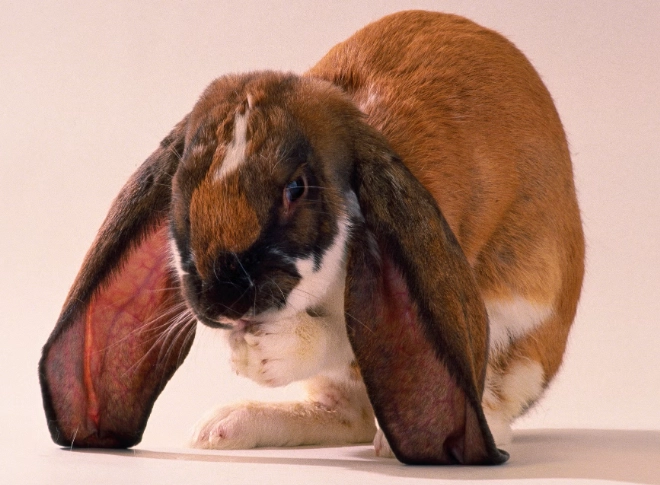
Mochi, my Velveteen, had two modes: regal loaf and exploratory sniffer. For hours, he'd be perfectly content lounging on a cool tile or a soft blanket, observing the room. Then, usually in the early evening, he'd embark on a meticulous patrol of his territory, nose twitching, checking every corner. He rarely thumped or dashed. His curiosity was methodical.
This breed tends to bond deeply with their people but can be initially reserved. They're not always the instant "lick your face" type. Trust is built through quiet, consistent presence. Once earned, they show affection in subtle ways—pushing their head under your hand, sitting pressed against your leg, or gently nudging you for treats.
A common misconception is that they're lazy. They're not. They're substantial animals, and that mandolin body isn't built for high-speed zig-zagging. Their play is different. They enjoy pushing toys, rearranging mats, and solving simple puzzle feeders. They're thinkers.
The Complete Velveteen Lop Care Guide
Here's where the rubber meets the road. Owning a Velveteen Lop is a commitment to a specific routine. Let's break it down.
Grooming: The Non-Negotiable Daily Ritual
If you take away one thing from this article, let it be this: You must groom a Velveteen Lop every single day. Not every other day. Every day. Their coat is a dense, 1-1.5 inch long rollback fur. It's not as high-maintenance as an Angora's wool, but it mats with shocking ease, especially behind the ears, under the chin, and on the breeches (back legs).
A five-minute daily comb-through prevents hours of stressful, painful dematting later. I used a combination of a fine-toothed metal comb to get to the skin and prevent tangles, followed by a soft slicker brush to fluff the top coat. Every weekend, we'd do a more thorough check. Neglect this, and you're looking at pelt-like mats that pull the skin, cause pain, and restrict movement.
Housing: Think Long, Not Just Big
A standard rabbit cage from a pet store is a prison for a Velveteen Lop. They need space to stretch out fully and hop. The House Rabbit Society recommends a minimum of 12 square feet of enclosed space, plus daily supervised time in a larger, rabbit-proofed area.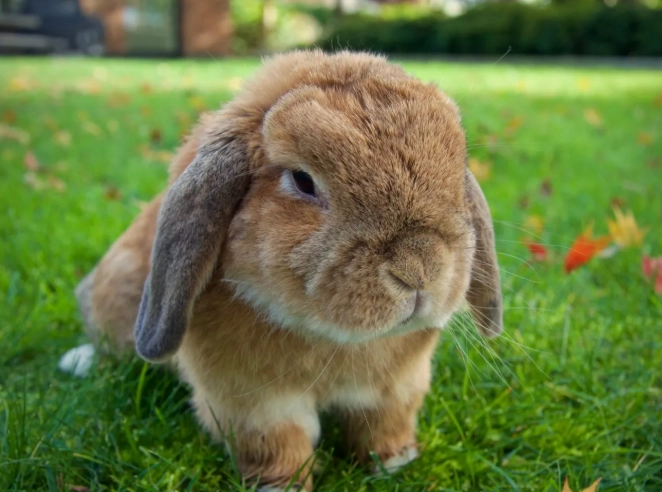
Because of their long body, the shape of their space matters. A long, narrow exercise pen (like a 4ft x 8ft setup) is often better than a square one. They need a runway. Their main enclosure should be at least big enough for them to take three full hops. For bedding, avoid wire flooring entirely—it's a recipe for sore hocks. Use soft fleece blankets, vet bedding, or thick paper-based bedding.
Diet: Fueling a Substantial Frame
Their diet follows standard rabbit rules, but quantity matters. Unlimited grass hay (Timothy, Orchard, Meadow) should make up 80-90% of their intake. I found Mochi preferred a mix of Timothy and a softer Orchard grass. For pellets, a limited amount of a high-fiber, plain Timothy hay-based pellet is key—about 1/4 cup per 5 lbs of body weight. Overfeeding pellets leads to obesity, a real risk for this less-active breed.
Fresh greens are vital. A packed cup of dark leafy greens per 2 lbs of body weight daily. Rotate varieties: romaine, kale, cilantro, bok choy, dandelion greens. Introduce new greens slowly to avoid digestive upset.
Specific Health Concerns for Velveteen Lops
All rabbits are prone to GI stasis and dental issues. Velveteen Lops have a few extra vulnerabilities tied to their physique.
1. Flystrike: This is a critical, life-threatening risk. Their long fur around the rear end can trap urine or soft cecotropes, creating a moist, dirty area that attracts flies. Flies lay eggs that hatch into maggots that literally eat the rabbit alive. Prevention is everything. Keep the breeches fur trimmed short and clean. Check their bottom daily, especially in warmer months.
2. Sore Hocks (Pododermatitis): Their weight, combined with potentially less padding on their feet, makes them prone to painful pressure sores on their hocks. This is why soft flooring is non-negotiable. Watch for hair loss or red spots on the bottoms of their back feet.
3. Ear Issues: Those beautiful lop ears fold over the ear canal, reducing airflow. This creates a warm, dark environment where wax and debris can build up, leading to infections. Gently lift and check inside the ear flap weekly. Look for excess brown wax, redness, or odor.
4. Obesity: Their calm demeanor and cute begging face make overfeeding easy. An overweight Velveteen Lop is at massively increased risk for arthritis, heart disease, and liver problems. Feel their spine and ribs; you should be able to feel them easily under a thin layer of flesh. If you have to press, they're too heavy.
Is a Velveteen Lop the Right Rabbit For You?
Let's be brutally honest. A Velveteen Lop is a high-maintenance pet.
Choose a Velveteen Lop if you: Have prior rabbit experience. Can commit 10-15 minutes to daily grooming without fail. Have space for a large, long enclosure. Want a calm, observant companion rather than an acrobat. Are prepared for potential vet bills associated with a larger, specialty breed.
Consider a different breed if you: Are a first-time rabbit owner. Have a busy, unpredictable schedule. Want a "low-maintenance" pet. Are charmed by the look but unsure about the daily work. Have young children (their fur is delicate and pulling can hurt them).
There's no shame in admitting this breed isn't for you. Responsible pet ownership is about matching an animal's needs with your lifestyle.
Your Velveteen Lop Questions Answered
The Velveteen Lop is a breathtaking rabbit, a living work of art. But they are not a decoration. They are a complex, sensitive creature with needs as specific as their appearance. If you can meet those needs—the daily grooming, the spacious housing, the vigilant health checks—you will be rewarded with a deeply bonded, serene, and utterly unique companion. It's a big commitment. But for the right person, it's a profoundly rewarding one.
Do your research. Talk to breeders (ask about health testing and grooming routines). Connect with owners. And be honest with yourself. The goal isn't just to own a Velveteen Lop; it's to provide one with an exceptional life.
Comment